 Vita Construction
1 / 3
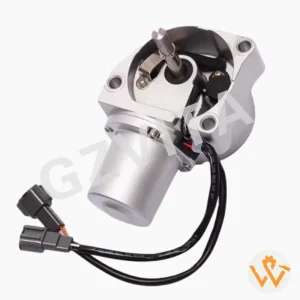
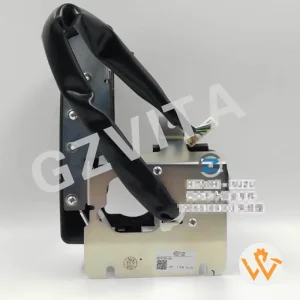
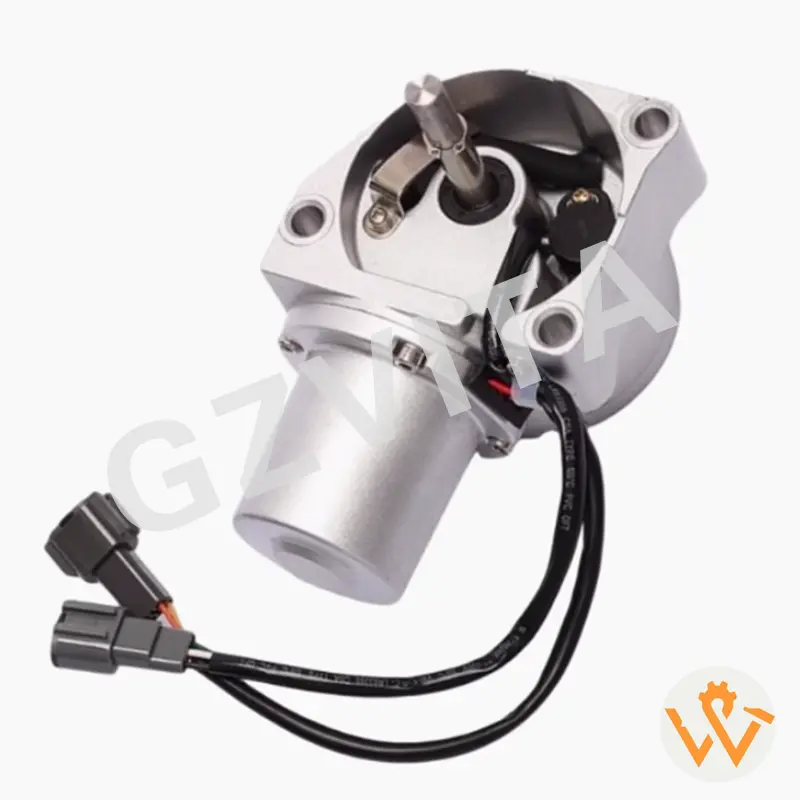
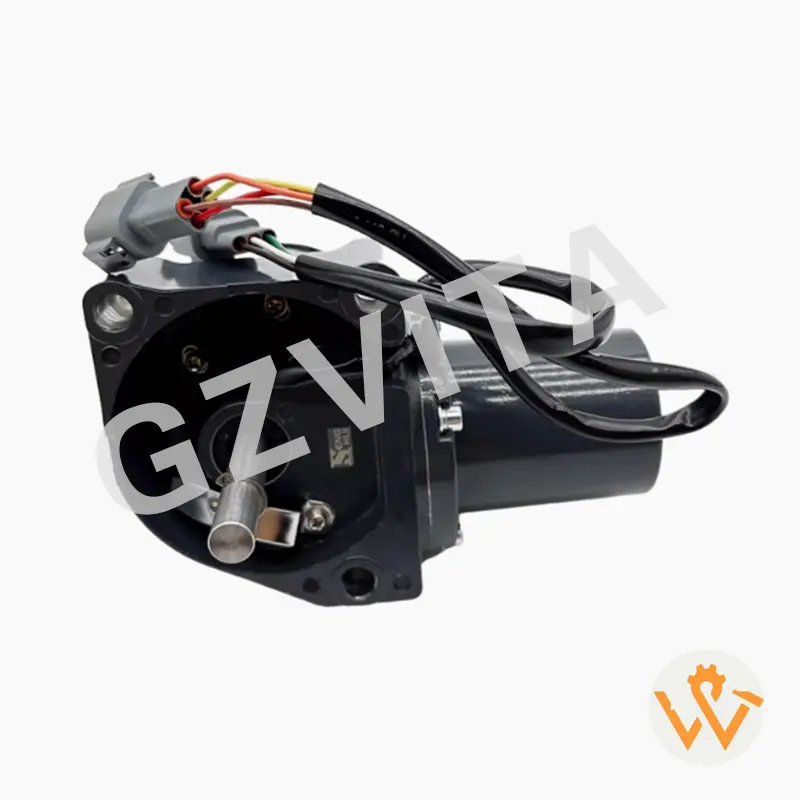
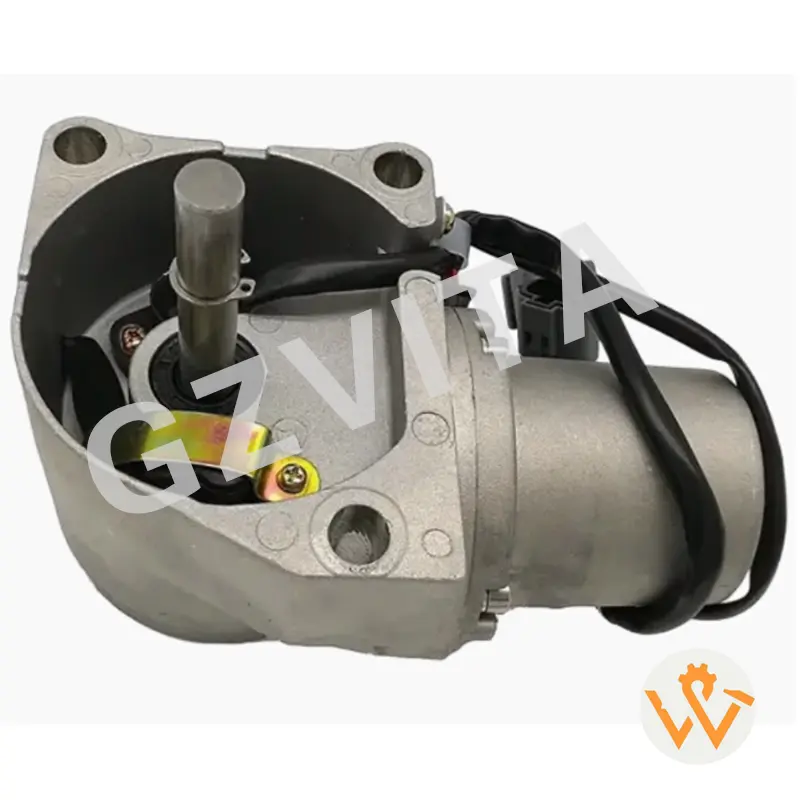
The throttle motor in Hitachi excavators is a critical component of the machine's hydraulic system, responsible for controlling the engine's speed and power output. This motor plays a vital role in optimizing the performance of the excavator, ensuring efficient operation and responsiveness to the operator's commands. In this blog, we will explore the function, features, and importance of the throttle motor in Hitachi excavators.
The primary function of the throttle motor is to regulate the amount of fuel delivered to the engine based on the operator's input and the machine's operational requirements. By adjusting the throttle position, the motor controls the engine speed, which directly affects the hydraulic power available for various functions, such as lifting, digging, and swinging.
The throttle motor is essential for the overall performance of Hitachi excavators for several reasons:
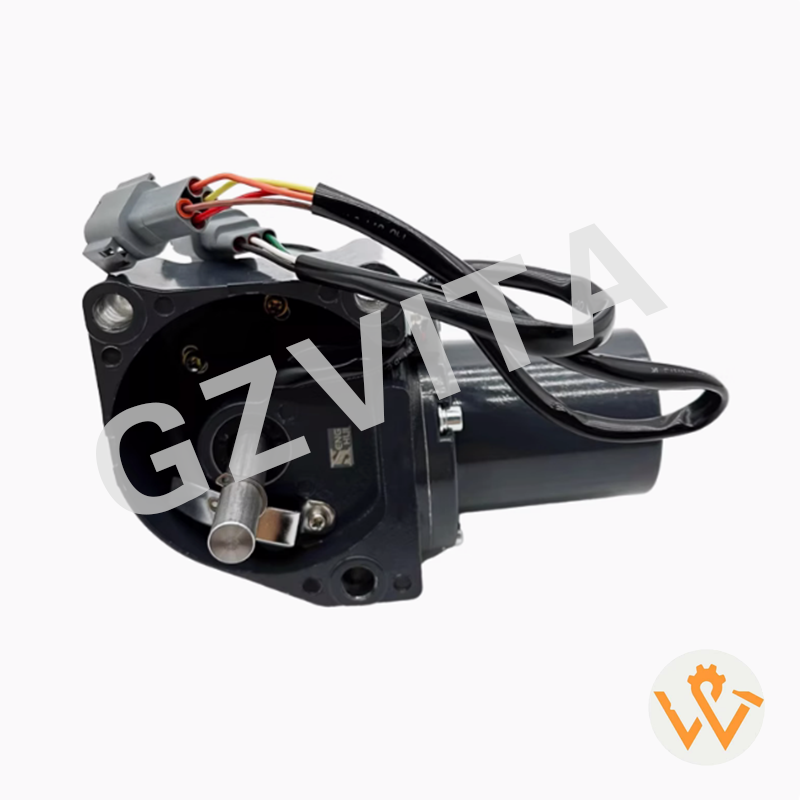
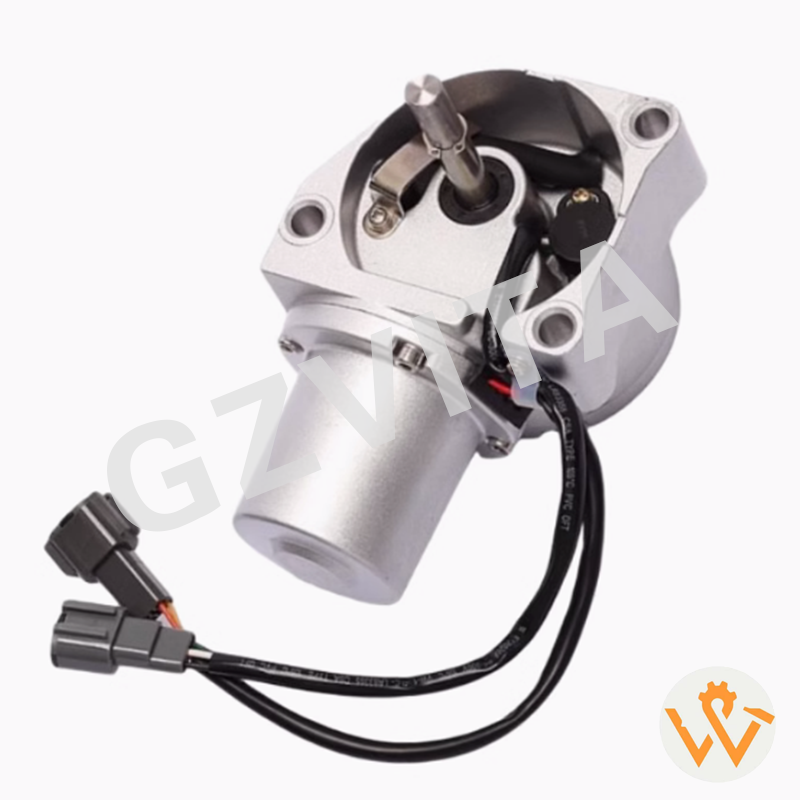
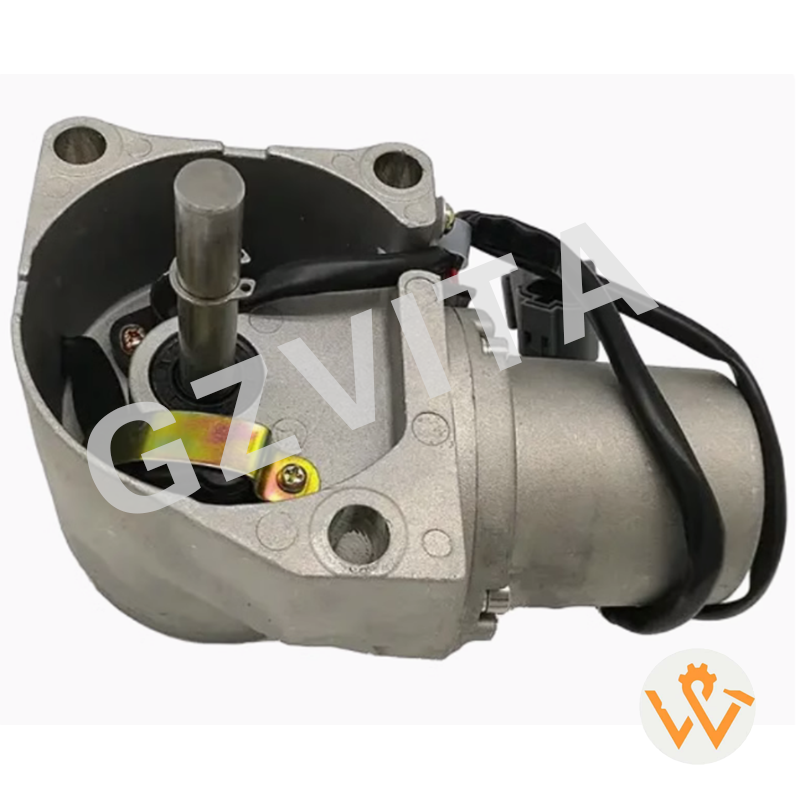
The throttle motor regulates the engine speed (RPM) by adjusting fuel delivery based on the operator's input and operational needs, which directly impacts the hydraulic system power.
By dynamically adjusting the engine speed to match the real-time load requirements, it prevents unnecessary fuel consumption when less power is needed for lighter tasks.
An electronic throttle motor processes sensor data in real-time to make precise speed adjustments, offering quicker responses, lower emissions, and a smoother operating experience.
This specific throttle motor is compatible with several Hitachi excavator models, including the ZX200, ZX240-3G, and ZX330-3G models.
Excavators operate in extremely demanding environments. A robust throttle motor built with high-quality materials ensures consistent performance, longevity, and prevents unexpected downtime.