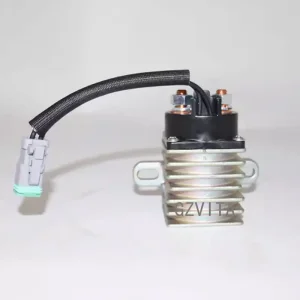
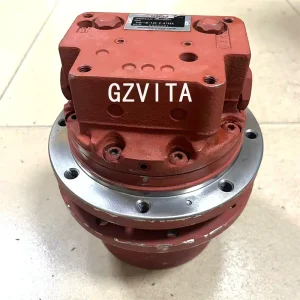
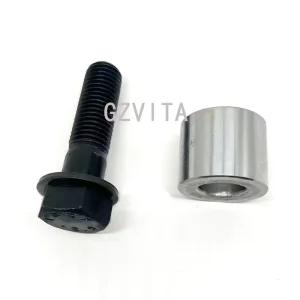
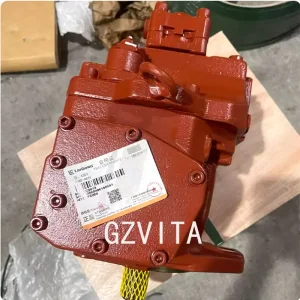
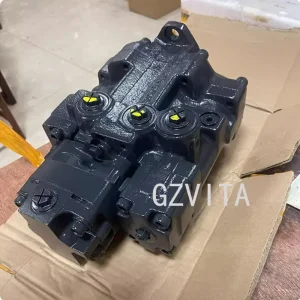
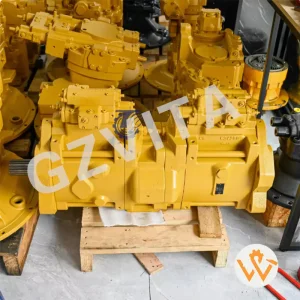
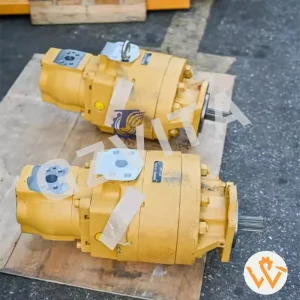
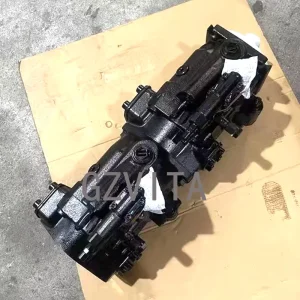
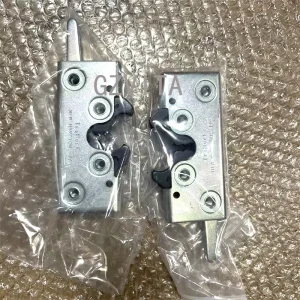
Guangzhou Vita Construction Machinery Co., Ltd. serves as the premier nexus for high-end heavy-duty equipment manufacturing. While mechanical structural integrity relies heavily on parts like excavator bucket bosses, hydraulic efficiency drives system performance. Explore our primary manufacturing portfolio below:
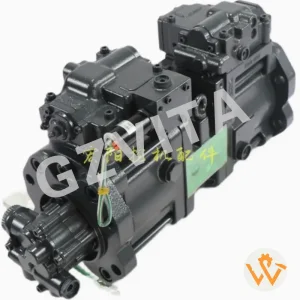
In heavy earthmoving and construction equipment, the bucket is subjected to complex cyclical forces, structural impacts, and intense wear. The term Excavator Bucket Bosses refers to the thick, precision-bored steel bushings or mounting ears welded directly onto the excavator bucket structure. They act as critical articulation points, housing the pins and bushings that connect the bucket to the excavator stick, quick coupler, or power tilt linkages.
Without high-integrity bucket bosses, the shear stresses generated during breakout forces—often exceeding hundreds of kilonewtons (kN)—would deform the bucket framework, resulting in misalignment, hydraulic seal blowouts, and ultimate structural tearing. As such, sourcing premium wholesale bucket bosses manufactured with strict carbon control and precise mechanical tolerances is vital for equipment longevity and operator safety.
Bucket bosses must be welded to the structural plate of the bucket (often Q345B or Hardox). The material chemistry must ensure low carbon equivalent value (CEV) to prevent heat-affected zone (HAZ) cracking during field installation.
Internal diameters must be precision bored using high-rigidity CNC machining lathes to achieve precise tolerance bands (e.g., H7/g6) that prevent pin vibration, which leads to localized stress fatigue.
Employing medium-carbon structural steels (e.g., AISI 1045 or 4140) combined with targeted induction hardening guarantees a hard surface layer to resist abrasive wear while retaining a ductile core to absorb shock loads.
When sourcing excavator bucket bosses from wholesale manufacturers, comparing raw metallurgy is critical to match the operating environment. Standard and custom-ordered alloy configurations must meet specific thresholds:
| Steel Grade | Tensile Strength (MPa) | Yield Strength (MPa) | Hardness Range (HRC / HB) | Best Application Environment |
|---|---|---|---|---|
| AISI 1045 / C45 | 570 - 700 | 310 - 430 | 170 - 210 HB (Un-hardened) | Standard utility construction, light clay, and sandy soils. Good weldability. |
| AISI 4140 / 42CrMo | 900 - 1100 | 650 - 800 | 50 - 55 HRC (Induction Hardened) | Heavy demolition, aggregate quarrying, extreme impact situations. |
| Q345B (Low Carbon Manganese) | 470 - 630 | 345 Min | 140 - 180 HB | Primary structural boss backing plates. Ideal for direct welding onto base bucket frames. |
| Custom Alloyed Boron Steel | 1200+ | 950 Min | 55 - 60 HRC | Extreme duty mining excavations (e.g., matching Komatsu PC2000 or CAT 390D sizes). |
Heavy machinery parts do not operate in a vacuum. Under Search Quality Rater guidelines, real-world utility represents high experience (E-E-A-T). Here is how bucket bosses perform across distinct geographical and mechanical applications:
In regions like northern Canada, Siberia, or Scandinavia, low ambient temperatures make standard steels brittle (loss of impact toughness). Premium bucket bosses utilize impact-tested fine-grain alloys that maintain mechanical integrity down to -40°C. This avoids catastrophic fracturing under load during permafrost excavation.
Saltwater accelerates galvanic and pitting corrosion. For harbor expansions or dredging vessels, bucket pins and bosses are coated with corrosion-inhibiting nickel-chrome plating, coupled with tight double-seal chambers to keep saltwater out and marine grease in, preventing seize-up.
Quartzite and basalt minerals possess high scratch hardness. For excavators working in quarry faces, bucket bosses are coupled with heavy-duty wear collars and sacrificial bushings. Guangzhou Vita's induction-hardened components resist abrasive micro-ploughing, extending intervals between line boring maintenance.
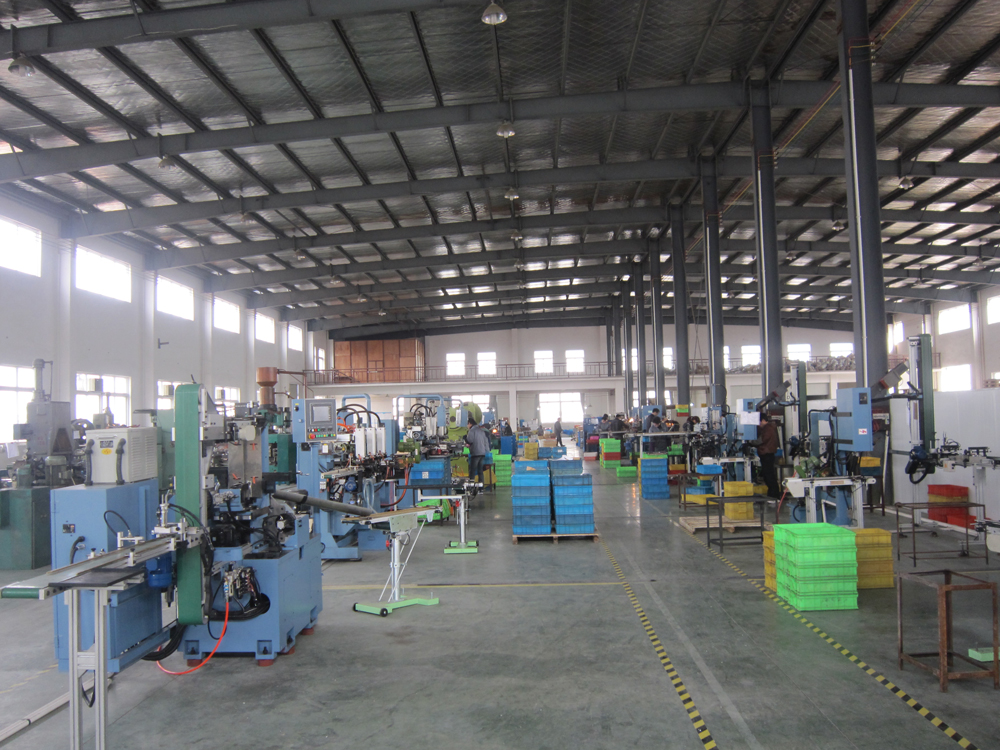
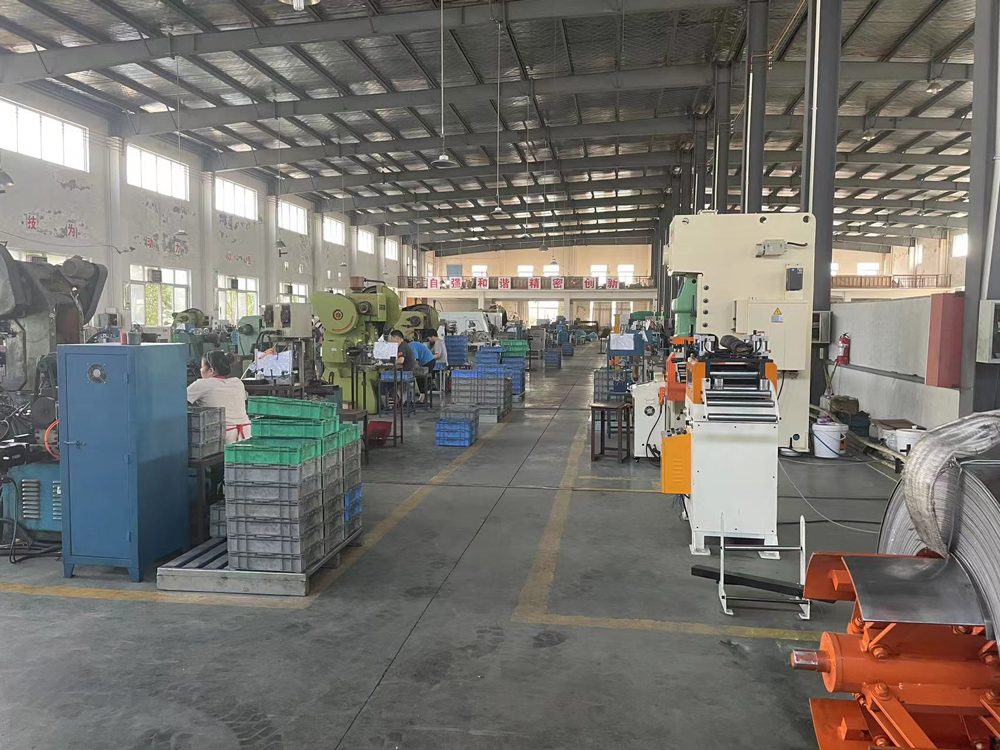
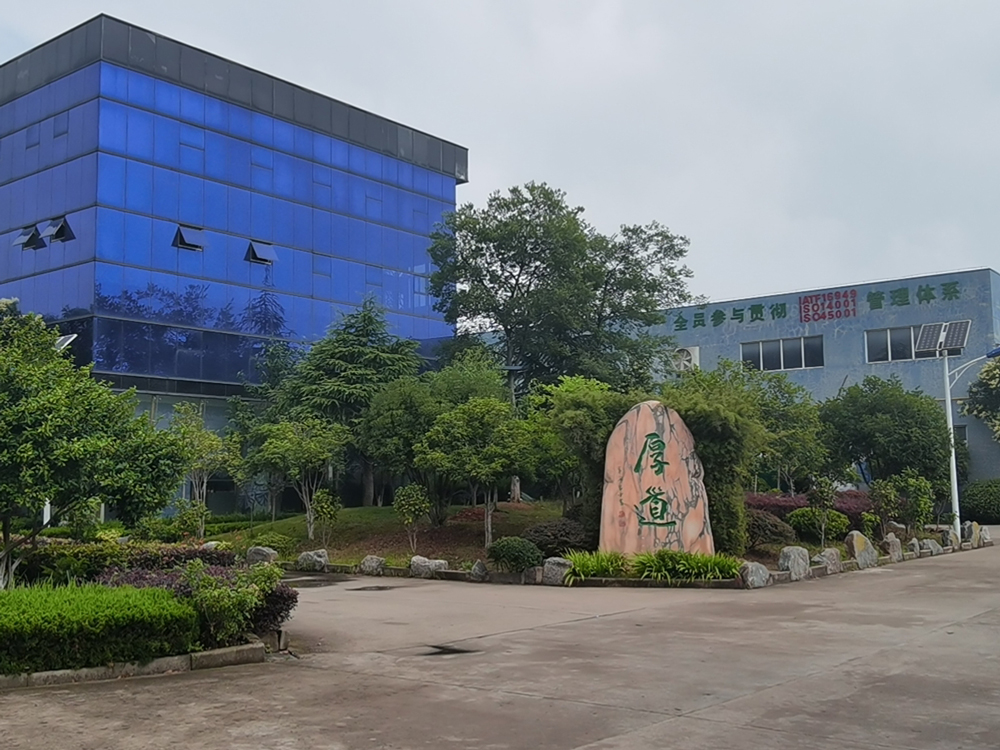
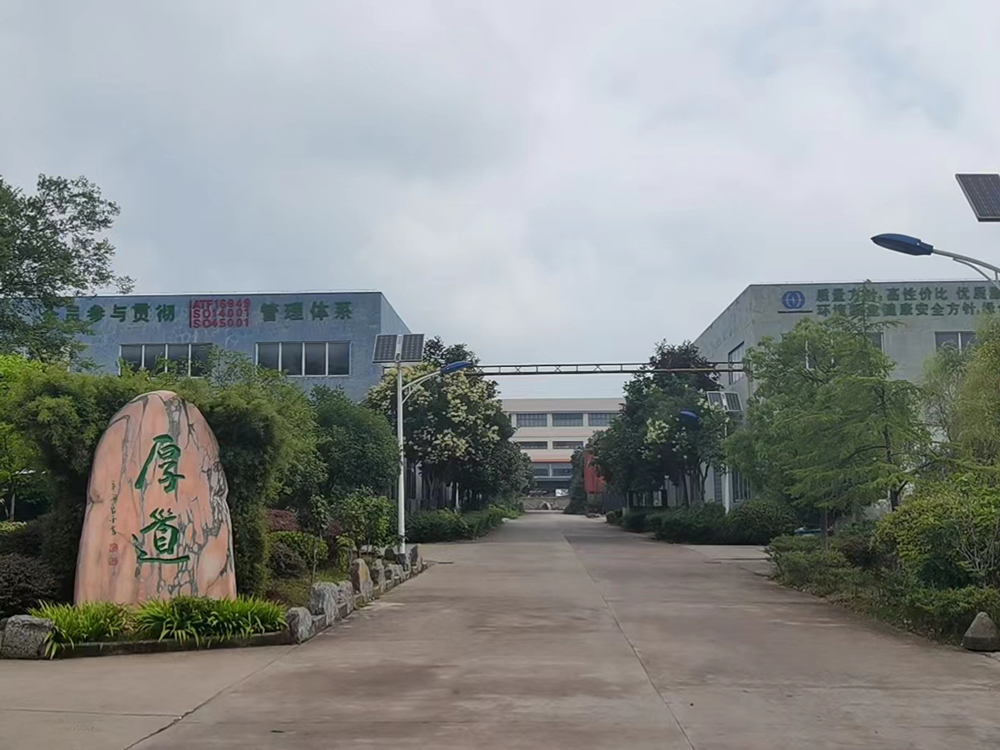
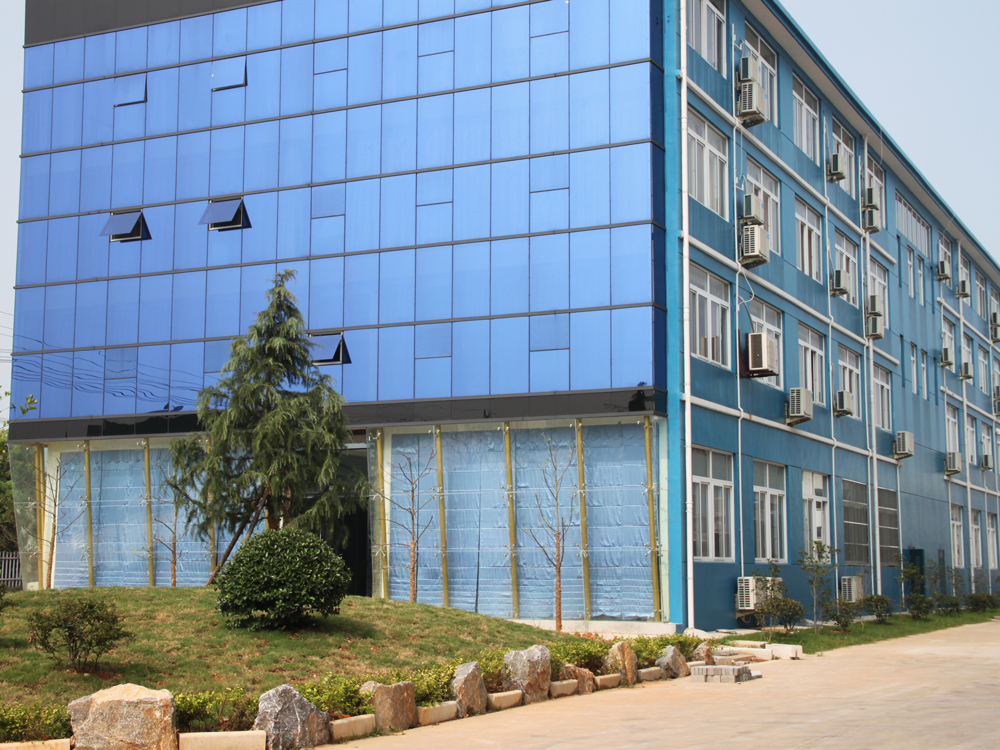
Guangzhou Vita Construction Machinery Co., Ltd. is one of the largest companies that combines advanced factory manufacturing with expert foreign trade execution. The manufacturing plant is strategically located in Xiangyang City, Hubei Province, featuring a massive modern workshop exceeding 18,000 square meters.
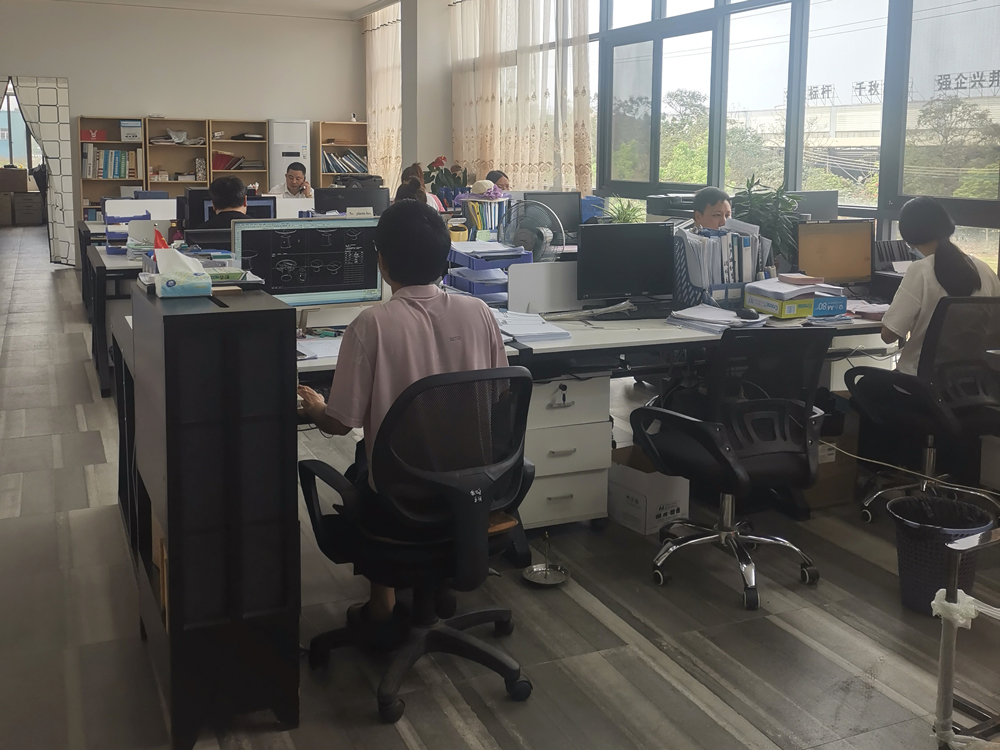
Our state-of-the-art facility is equipped with several advanced production machines (high-precision CNC lathes, automated grinding centers, and heat treatment lines). A dedicated team of more than 278 well-trained and skilled workers, alongside 8 highly experienced engineers, guarantees impeccable product quality, precise dimensional accuracy, and fast delivery timelines.
We specialize in producing, developing, and selling a comprehensive range of construction machinery parts. Beyond structural steel components like excavator buckets and bucket bosses, we offer complete system replacement parts compatible with major international brands, including:
In the fast-paced world of construction, the reliability and efficiency of your machinery can make or break a project. We understand that high-quality parts are essential for optimal performance. We aim to provide top-notch construction machinery parts to keep customer's machinery running smoothly.
To improve our service, we set up an engine maintenance and development division. In addition to providing customers with complete engine assemblies, we also help customers solve various technical problems encountered in the operation and assembly of complex heavy equipment systems.
We maintain our own professional maintenance team and can be invited by global customers to arrange for maintenance technicians to travel abroad to assist in troubleshooting, system calibrations, and structural repairs directly at site locations.
In the post-pandemic industrial landscape, supply chain stability is a major factor for global procurement managers. Sourcing from our Hubei manufacturing facility combined with our international trade logistics base in Guangzhou offers distinct operational advantages:
Raw Material Integration: Being located near China’s major steel production hubs allows us to procure certified raw alloy stocks with complete chemical test reports directly from mills. This cuts material transit costs and insulates our pricing models from market volatility.
Lean Manufacturing Systems: By utilizing automated CNC machining bays, we maintain consistent output speed and dimension control. Our dual production shifts can scale dynamically to handle high-volume wholesale requirements without compromising tolerances.
Strategic Export Hub: Our export team operating out of Guangzhou coordinates sea, air, and multi-modal logistics. With proximity to major deep-water ports (Nansha, Shenzhen), we guarantee streamlined customs clearance, shipping manifest accuracy, and complete compliance documentation for destinations worldwide.
As earthmoving equipment integrates more advanced electronics and telemetry systems, heavy steel castings are also evolving. Our engineering department outlines three key technological trajectories for bucket and linkage components:
Future iterations of excavator bucket bosses will incorporate embedded RF wear sensors or thermocouple channels. This allows real-world data collection regarding bearing temperature spikes and structural deformation, feeding directly into the operator’s cabin or fleet telematics portal for predictive maintenance alerts.
To improve overall machine fuel efficiency, we are researching high-strength micro-alloyed steels (such as manganese-boron-vanadium grades). These materials achieve comparable tensile strengths to traditional heavy alloys at a 15% reduction in overall deadweight, improving machine payload capacity.
Rather than traditional line-boring and sleeve replacement, the industry is transitioning toward laser cladding technologies. Deposition of cobalt or nickel-based superalloys onto worn bucket boss bores extends component wear life by up to 300% compared to standard induction hardening.
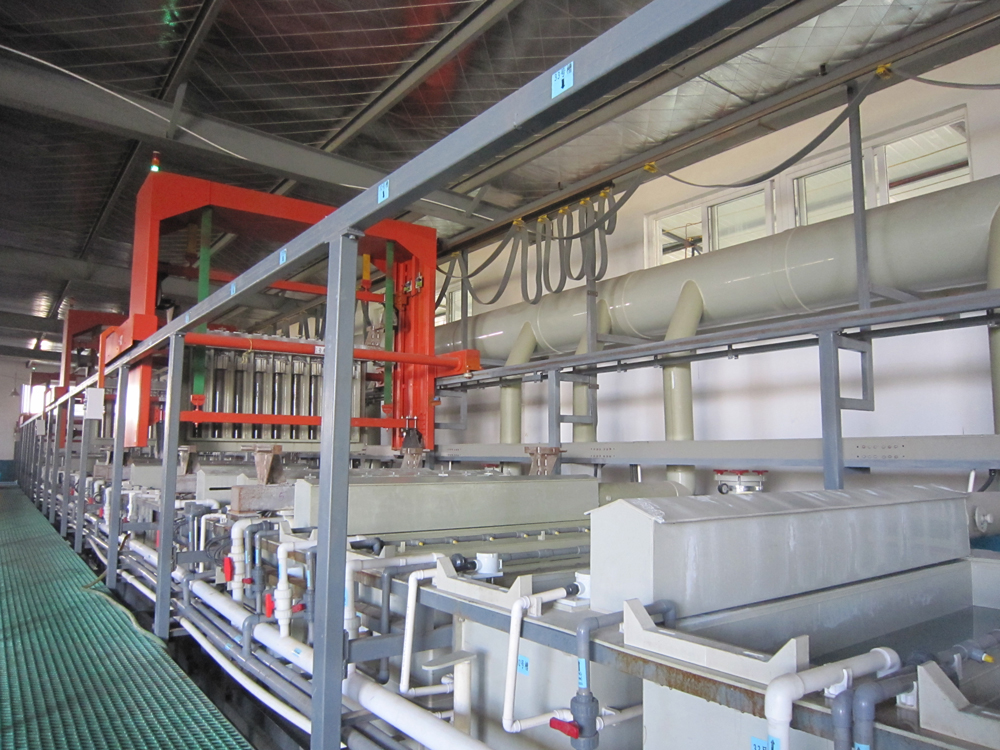
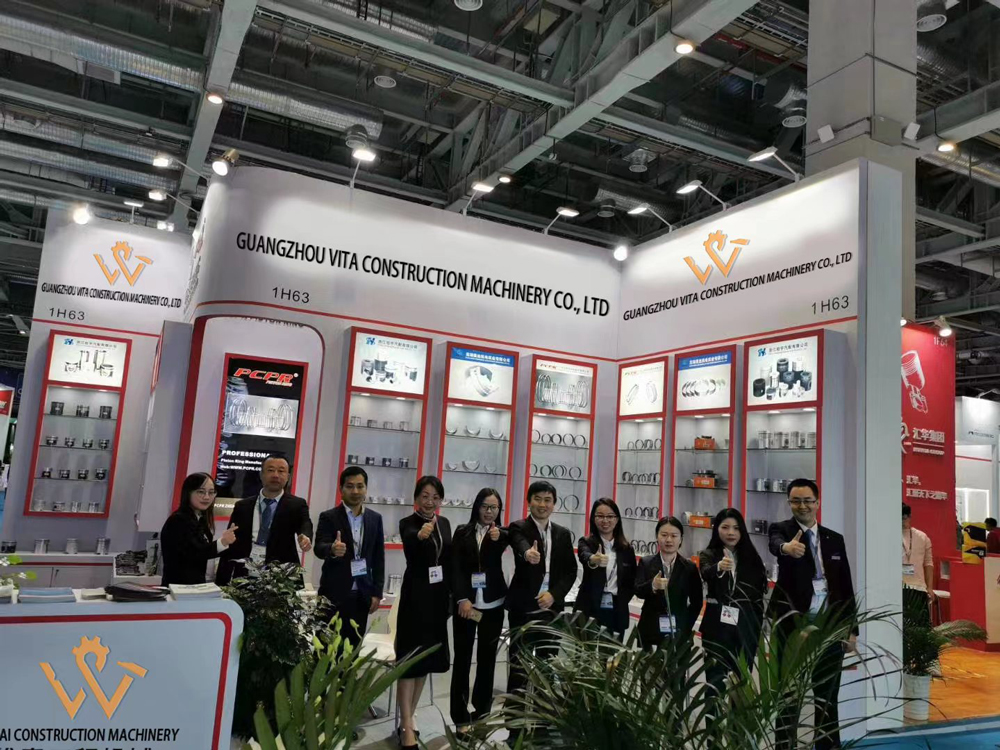
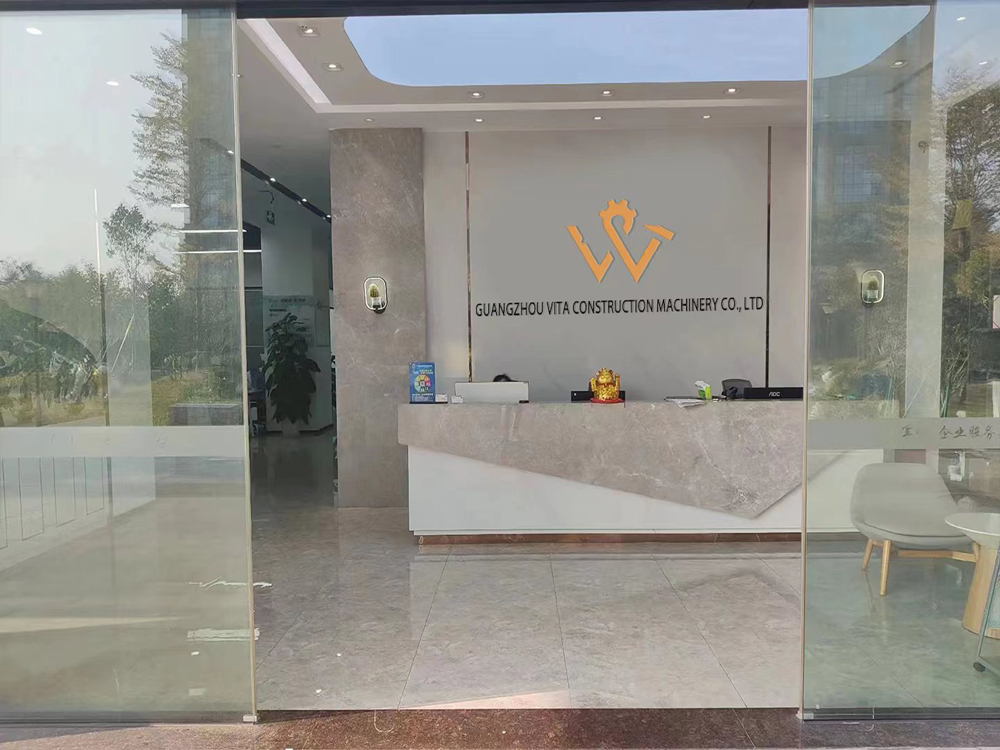
Transparency and verified manufacturing capability form the cornerstone of trust. Review our actual production floor, assembly bays, and raw material stores:
To aid in your sourcing process, our engineering team has addressed the most common inquiries from procurement directors and heavy equipment workshops:
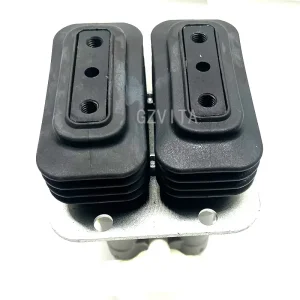
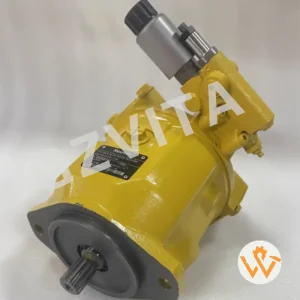
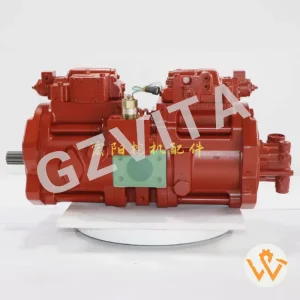
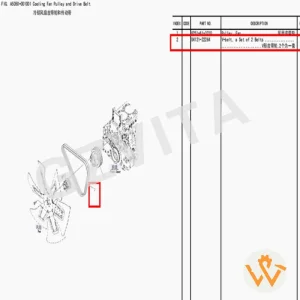
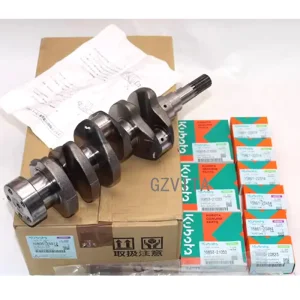
A complete excavation system requires precise interaction between structure, controls, and hydraulics. Check out these complementary components available for global wholesale orders:
 Vita Construction