 Vita Construction
1 / 5
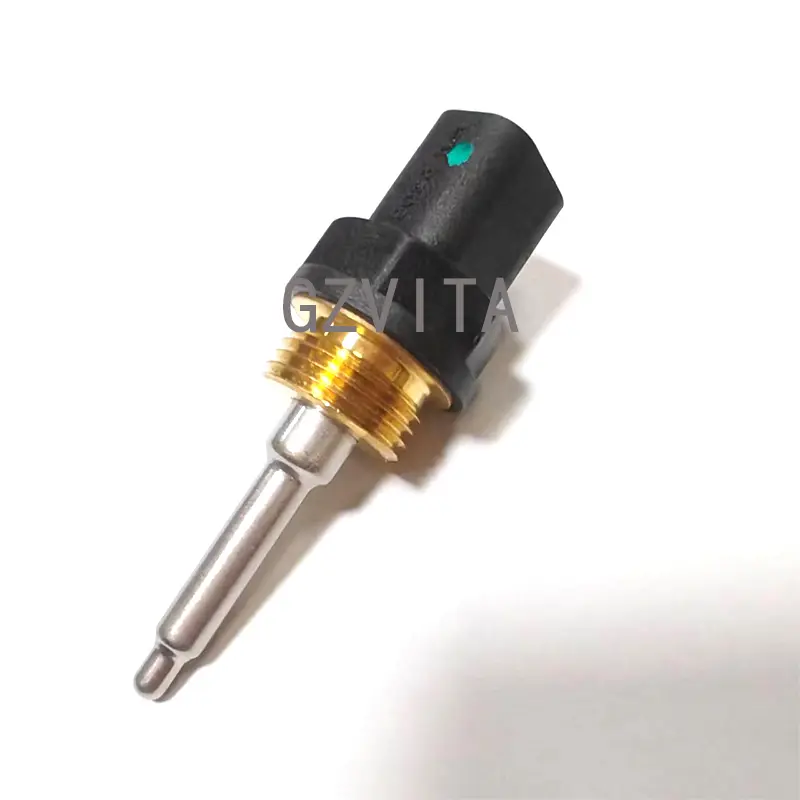
Determine the operating temperature range of your machinery. Ensure the sensor can operate effectively within this range, including any extremes.
Common types include thermocouples, RTDs (Resistance Temperature Detectors), thermistors, and infrared sensors. Each has its advantages:
Check the sensor’s accuracy specifications and resolution. Higher accuracy is crucial for applications where precise temperature control is necessary.
Consider how quickly the sensor can respond to temperature changes. This is important in dynamic environments.
Assess the environment where the sensor will be placed (e.g., humidity, dust, vibration, and potential exposure to chemicals). Choose a sensor with appropriate protection (e.g., IP rating).
Ensure the sensor can be easily installed in the machinery. Consider the mounting type (e.g., surface mount, insertion) and any necessary fittings.
Look for sensors that are easy to calibrate and maintain. Regular calibration may be necessary for accurate readings.
Evaluate the cost of the sensor and its availability. Consider long-term support and replacement options.
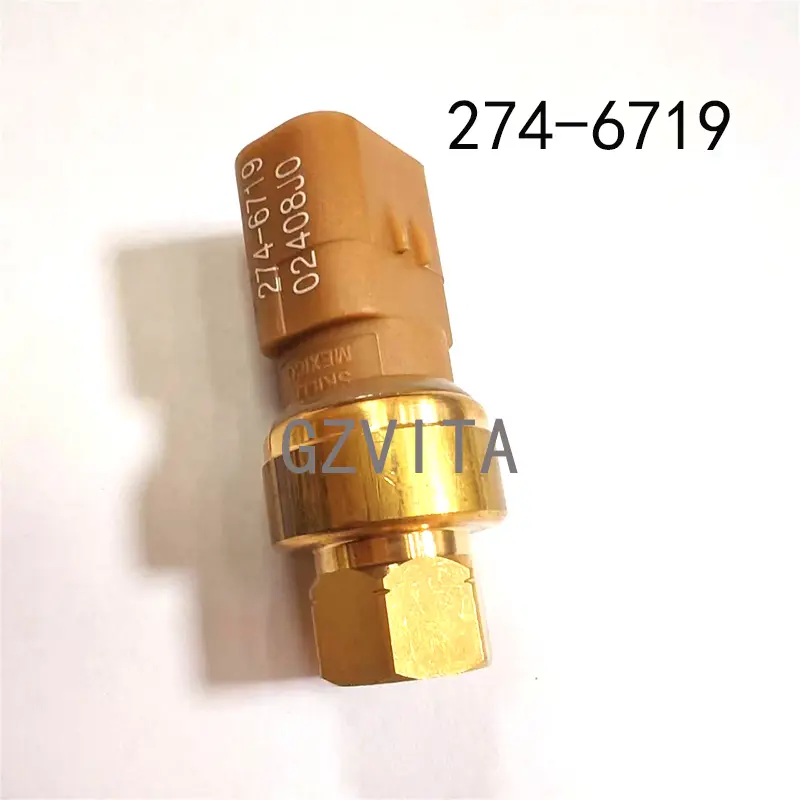
Identify the pressure range that the sensor needs to measure. Ensure the sensor can handle both the minimum and maximum pressures expected in the application.
Common types include piezoelectric, capacitive, strain gauge, and optical sensors. Each type has its own advantages:
Check the accuracy and resolution specifications. High accuracy is essential for applications requiring precise pressure control.
Ensure the sensor can compensate for temperature variations, as temperature changes can affect pressure readings.
Consider the operating environment, including exposure to moisture, dust, chemicals, and temperature extremes. Choose a sensor with appropriate protection (e.g., IP rating).
Determine the type of output signal required (e.g., analog, digital, or wireless). Ensure compatibility with your machinery’s control system.
RTDs (Resistance Temperature Detectors) are best suited for high-accuracy and high-stability applications, especially in lower temperature ranges.
In dynamic environments where temperatures change rapidly, a fast response time (such as that provided by thermocouples) is necessary to ensure the control system receives timely data.
Piezoelectric pressure sensors are highly recommended for dynamic pressure measurements due to their fast response capabilities and responsiveness to pressure fluctuations.
Temperature changes can cause thermal expansion or changes in electrical properties within a pressure sensor, leading to measurement errors. Choosing a sensor with built-in temperature compensation resolves this issue.
Ensure the sensor has a suitable IP (Ingress Protection) rating indicating its resistance to dust, moisture, and chemicals, depending on the severity of the operational environment.