 Vita Construction
1 / 2
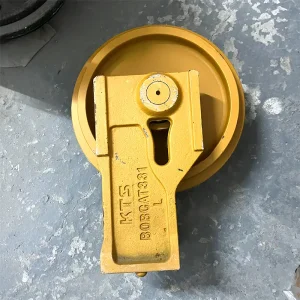
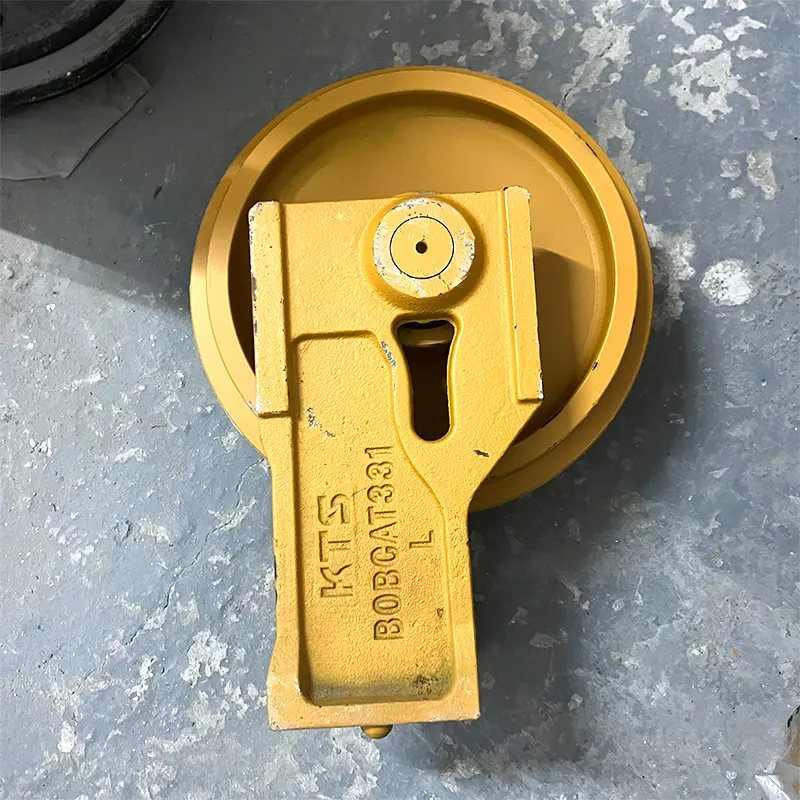
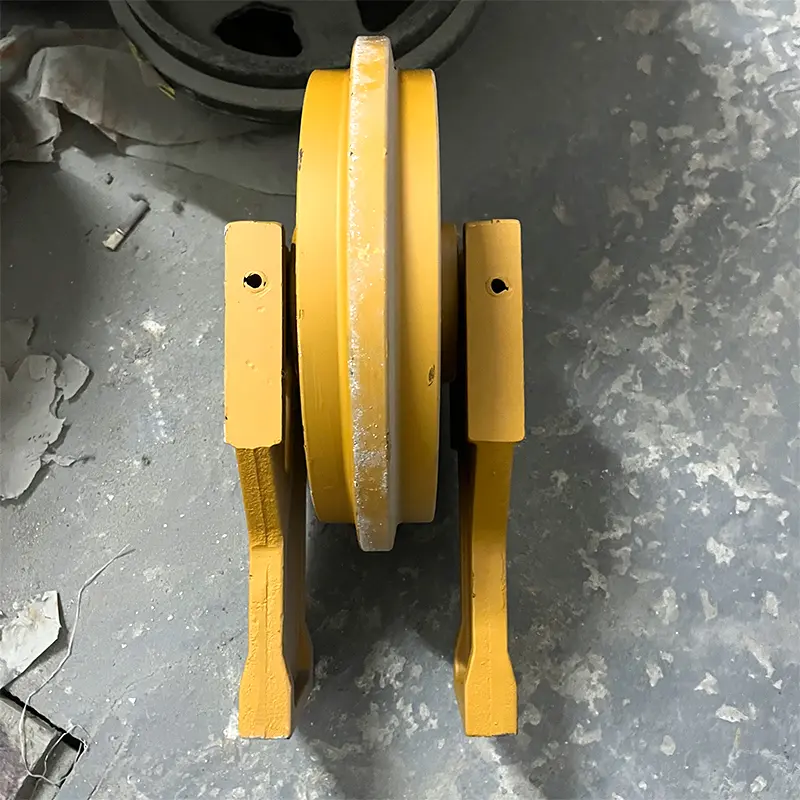
Idler wheels are a crucial component of an excavator's undercarriage system, playing a significant role in the overall functionality and performance of the machine. These wheels are designed to support and guide the tracks, ensuring smooth operation and stability during various tasks.
The primary function of idler wheels is to support the weight of the excavator and maintain proper track tension. They are located at the front and rear of the track frame and work in conjunction with other components, such as track rollers and drive sprockets.
Idler wheels help keep the tracks aligned and properly positioned, preventing them from slipping off the rollers or sprockets during operation.
They assist in maintaining the correct tension in the tracks, which is essential for optimal performance and to prevent excessive wear.
Idler wheels are typically made from high-strength steel or durable composite materials to withstand the harsh conditions of construction and excavation sites. This durability is essential for long-lasting performance.
The design of idler wheels often includes a smooth surface to reduce friction and wear on the tracks. Some idler wheels may also feature a crowned shape to help keep the tracks centered.
Idler wheels come in various sizes and configurations, depending on the specific model of the excavator and its intended application. The right size is crucial for ensuring proper support and guidance of the tracks.
By guiding the tracks and maintaining proper tension, idler wheels contribute to the overall stability of the excavator, allowing it to operate effectively on uneven or challenging terrain.
Properly functioning idler wheels help reduce wear on the tracks, extending their lifespan and minimizing maintenance costs.
Idler wheels ensure that the tracks move smoothly around the undercarriage, enhancing the overall efficiency and performance of the excavator.
To ensure the longevity and performance of idler wheels, regular maintenance is essential. Key maintenance practices include:
Check idler wheels for signs of wear, damage, or misalignment. Early detection of issues can prevent more significant problems and costly repairs.
Ensure that the bearings and moving parts of the idler wheels are properly lubricated to reduce friction and wear.
Regularly check and adjust the tension of the tracks to ensure proper engagement with the idler wheels.
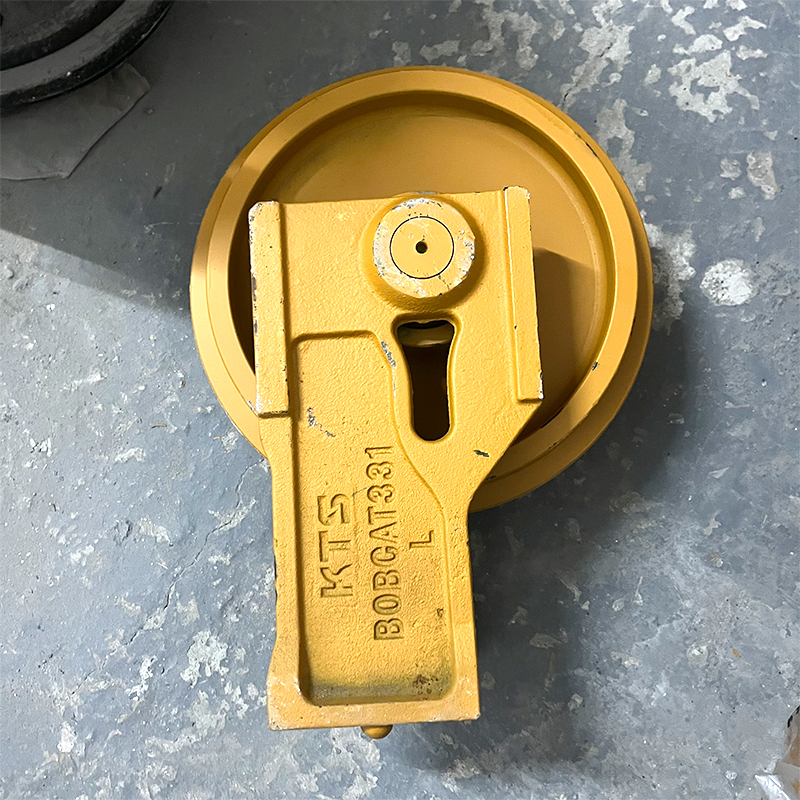
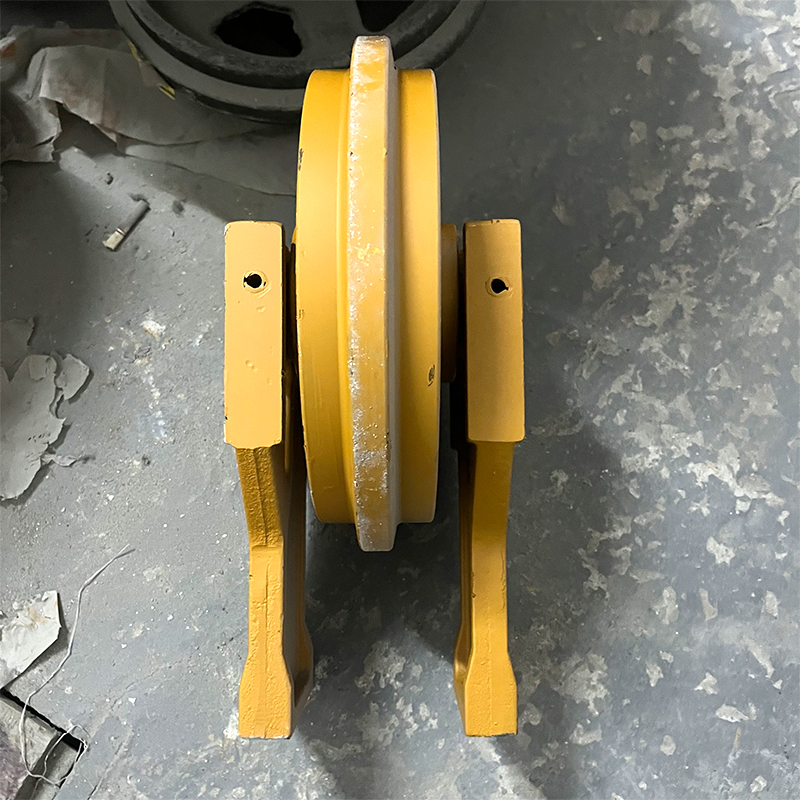
The main functions are to support the heavy weight of the excavator, direct and guide the tracks properly to prevent slippage, and maintain consistent track tension during operations.
Excavator idler wheels are manufactured using high-strength steel or robust composite materials. This ensures they can withstand extreme pressure, friction, and harsh job site environments.
By maintaining correct alignment and proper tension, idler wheels distribute stress evenly across the undercarriage. This significantly reduces uneven wear and extends the track's overall operating life.
Common indicators include track misalignment, squeaking noises due to lack of lubrication, visible structural wear or cracks, and loose tracks that slip off the sprockets.
Regular visual inspections should be done daily or weekly. Proper bearing lubrication and track tension adjustments should be performed in accordance with the machine manufacturer's maintenance schedule.