 Vita Construction
1 / 3
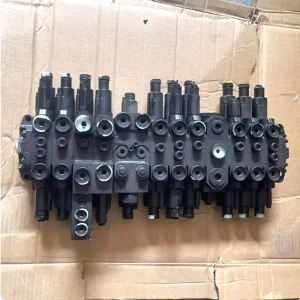
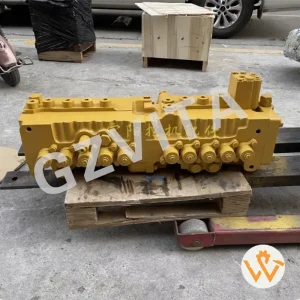
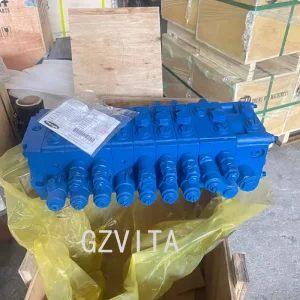
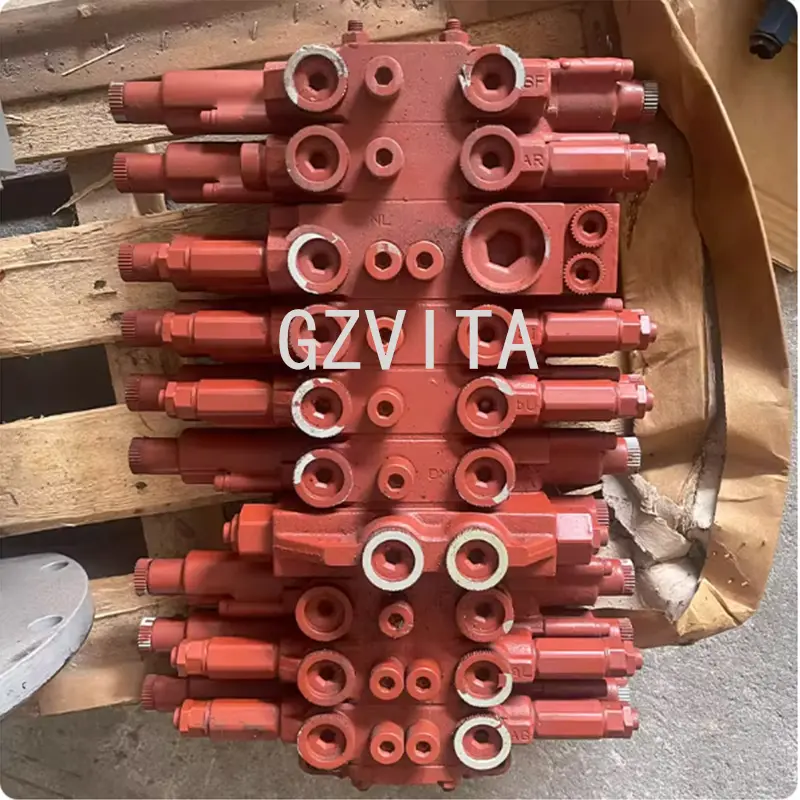
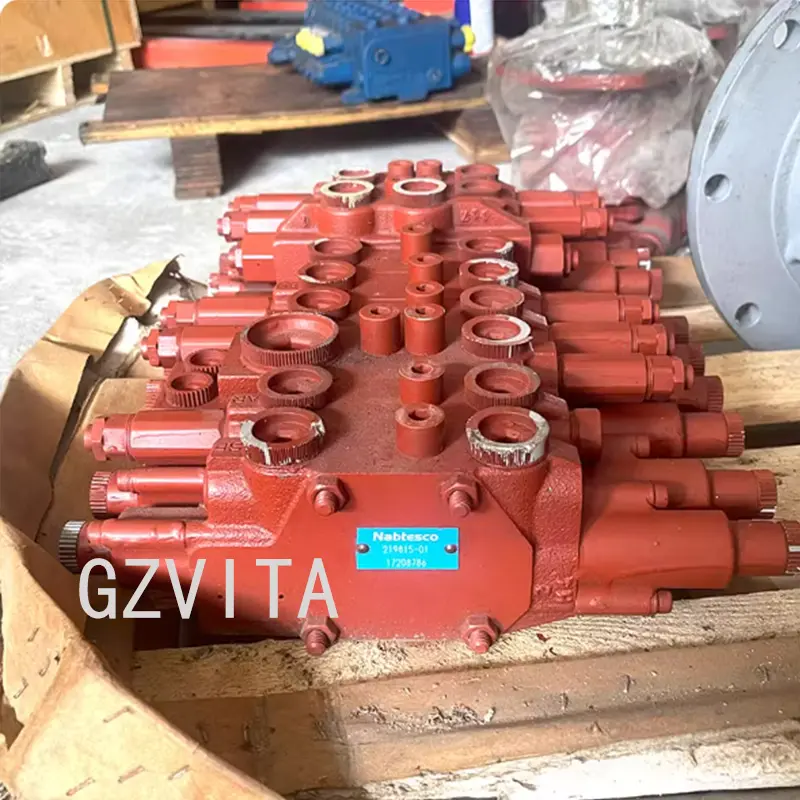
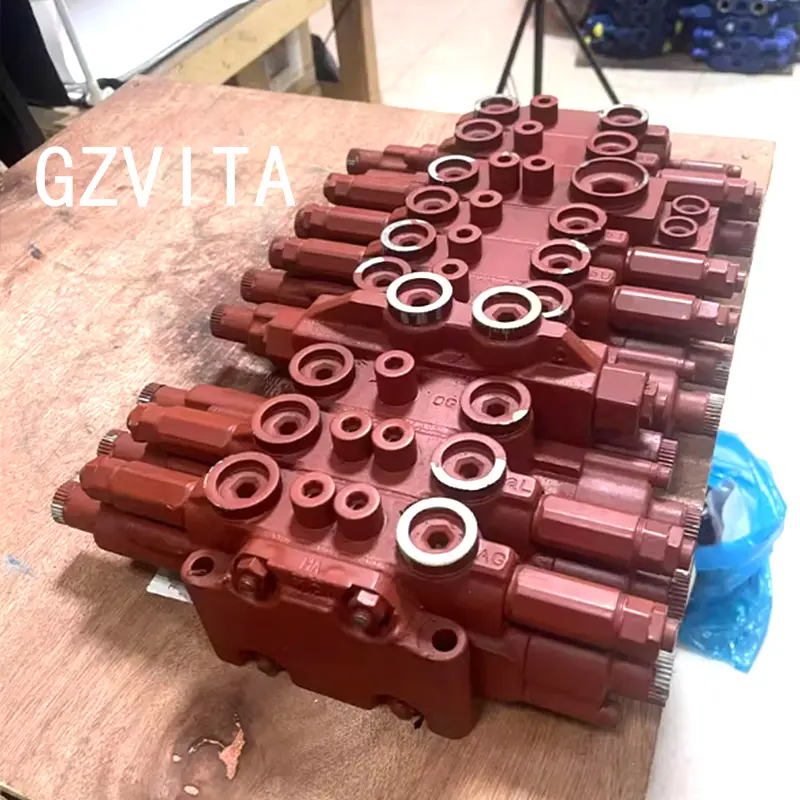
The main housing that contains the internal components and passages for hydraulic fluid.
These are movable components within the valve body that control the flow of hydraulic fluid to different circuits. They can be shifted to direct fluid to specific functions.
These components are used to operate the spool valves, often controlled by levers or joysticks in the operator's cab.
These are used to prevent hydraulic fluid leaks and maintain pressure within the system.
These are the entry and exit points for hydraulic fluid, connecting the distribution valve to the hydraulic lines leading to various machine functions.
This component helps protect the hydraulic system from excessive pressure by diverting fluid back to the reservoir when necessary.
A pathway for hydraulic fluid to return to the reservoir after it has completed its work.
This secures the distribution valve assembly to the machine frame.
It functions as the control hub for the hydraulic system, directing high-pressure hydraulic fluid to active components like boom, bucket, and attachment cylinders based on operator inputs.
The pressure relief valve automatically opens to divert excess hydraulic fluid back to the reservoir if system pressure exceeds safe operating limits, preventing damage to hoses, seals, and structural components.
Common indicators include visible hydraulic fluid leaks around the valve body, loss of hydraulic pressure, slow cylinder operations, and fluid contamination.
Yes, individual spool valves can often be replaced or serviced if they are damaged or sticky, provided the internal bore of the main valve body is not worn or scratched beyond specifications.
Actuators convert mechanical inputs from the operator's levers or electronic signals from joysticks into linear physical movement to shift the internal spools, directing fluid to the designated hydraulic circuit.