 Vita Construction
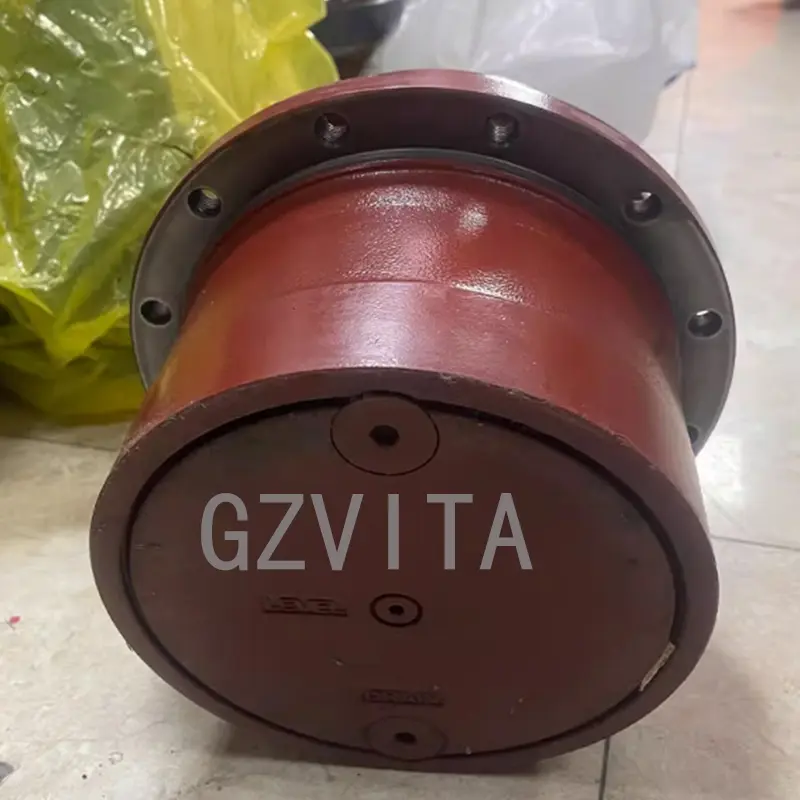
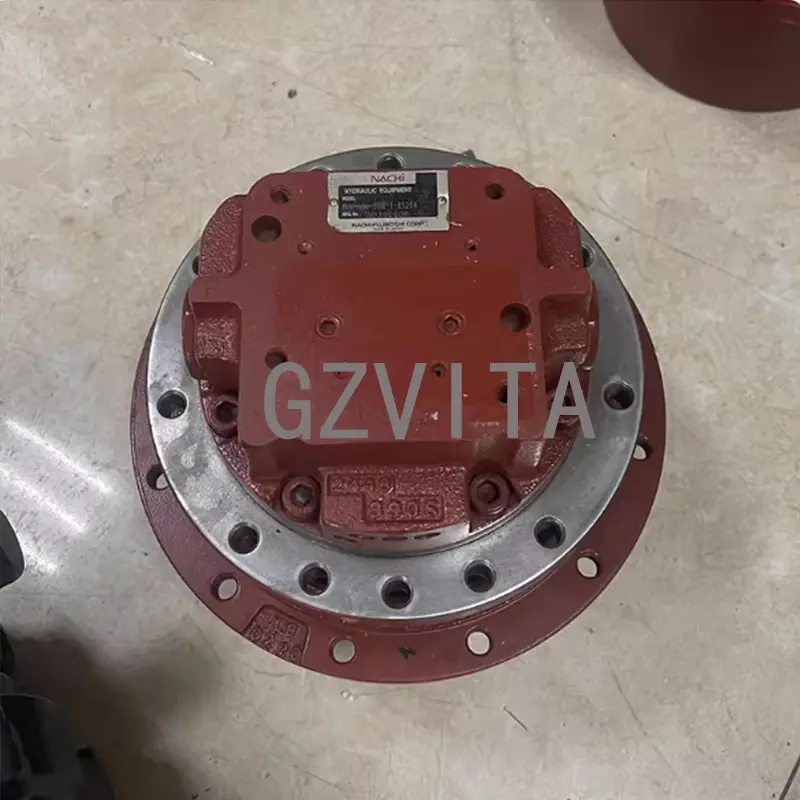
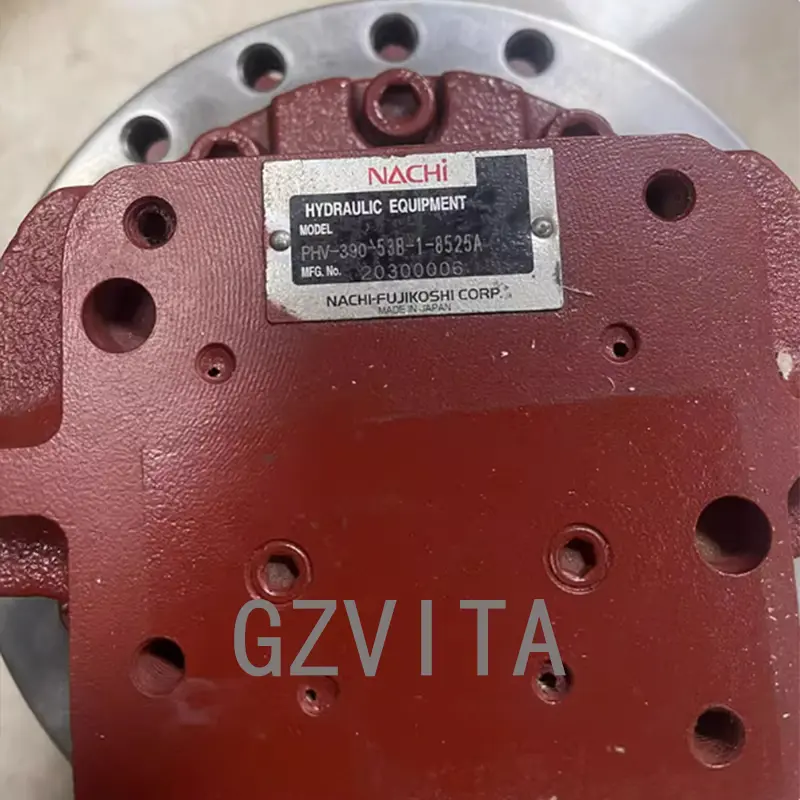
1 / 4
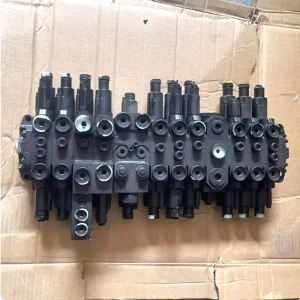
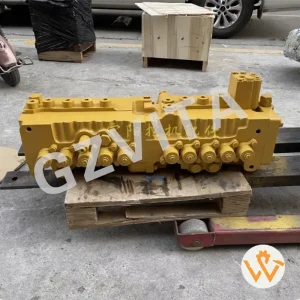
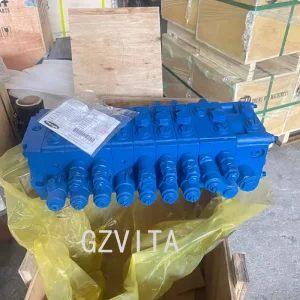
The main housing that contains the internal components and passages for hydraulic fluid.
These are movable components within the valve body that control the flow of hydraulic fluid to different circuits. They can be shifted to direct fluid to specific functions.
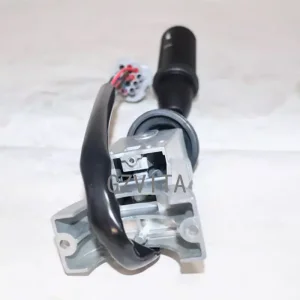
These components are used to operate the spool valves, often controlled by levers or joysticks in the operator's cab.
These are used to prevent hydraulic fluid leaks and maintain pressure within the system.
These are the entry and exit points for hydraulic fluid, connecting the distribution valve to the hydraulic lines leading to various machine functions.
This component helps protect the hydraulic system from excessive pressure by diverting fluid back to the reservoir when necessary.
A pathway for hydraulic fluid to return to the reservoir after it has completed its work.
This secures the distribution valve assembly to the machine frame.
It serves as the control hub of the hydraulic system, directing high-pressure hydraulic fluid to various working parts of the machine, such as the boom, bucket, and attachments.
Seals and O-rings are critical for preventing hydraulic oil leaks and maintaining the necessary operating pressure within the system to ensure efficient machine performance.
It monitors the system pressure and automatically diverts excess fluid back to the reservoir if the pressure rises above safe limits, protecting hoses and components from damage.
Spool valves are shifted using actuators, which are linked to mechanical levers, joysticks, or electronic controls operated by the driver inside the cab.
Once the hydraulic fluid has completed its work in the actuators or cylinders, the return line provides a safe and clear pathway to route the fluid back to the hydraulic reservoir.