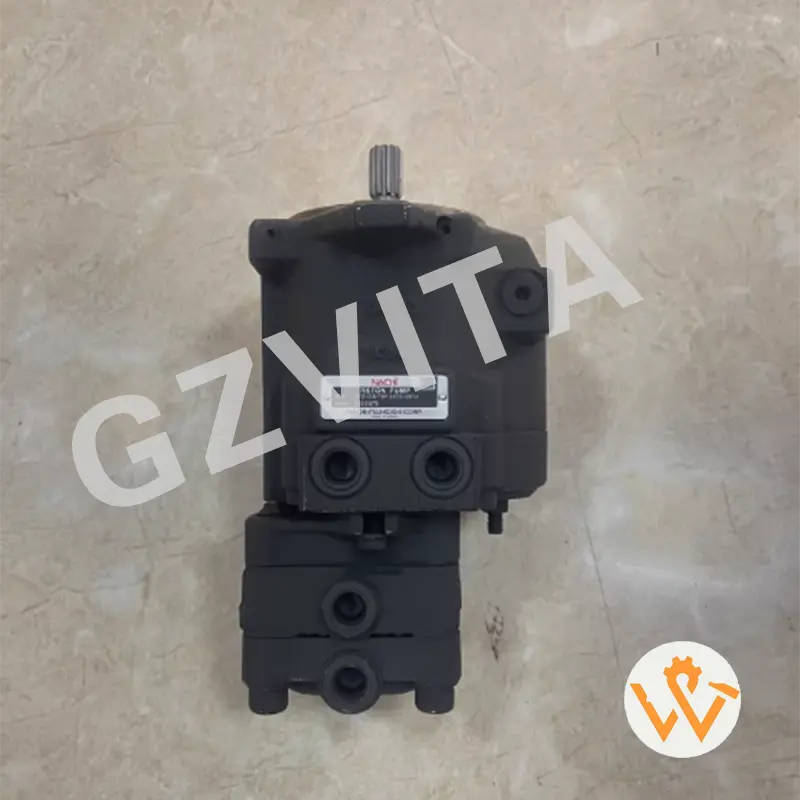
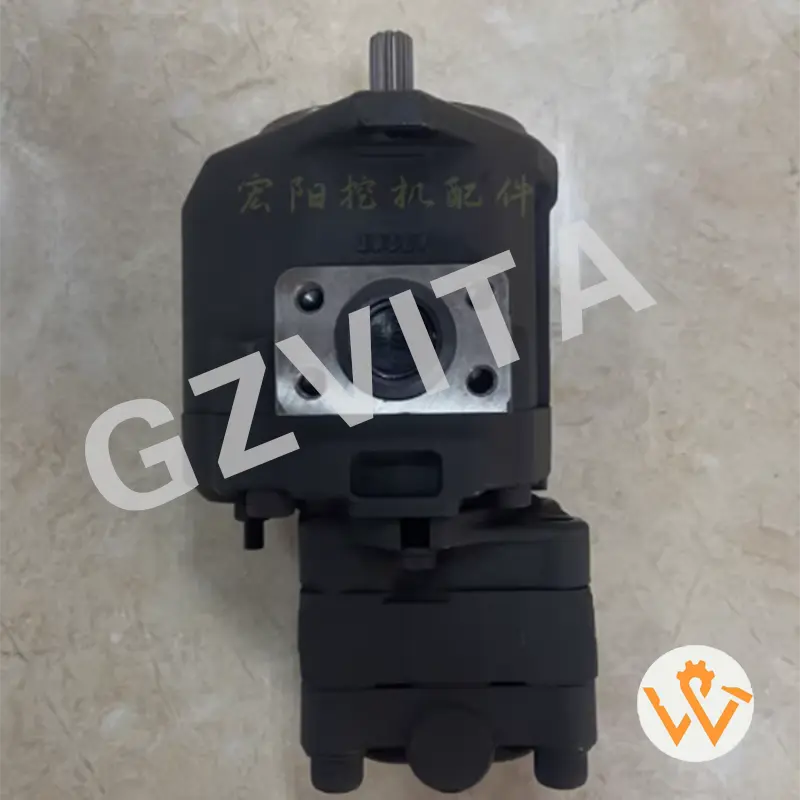
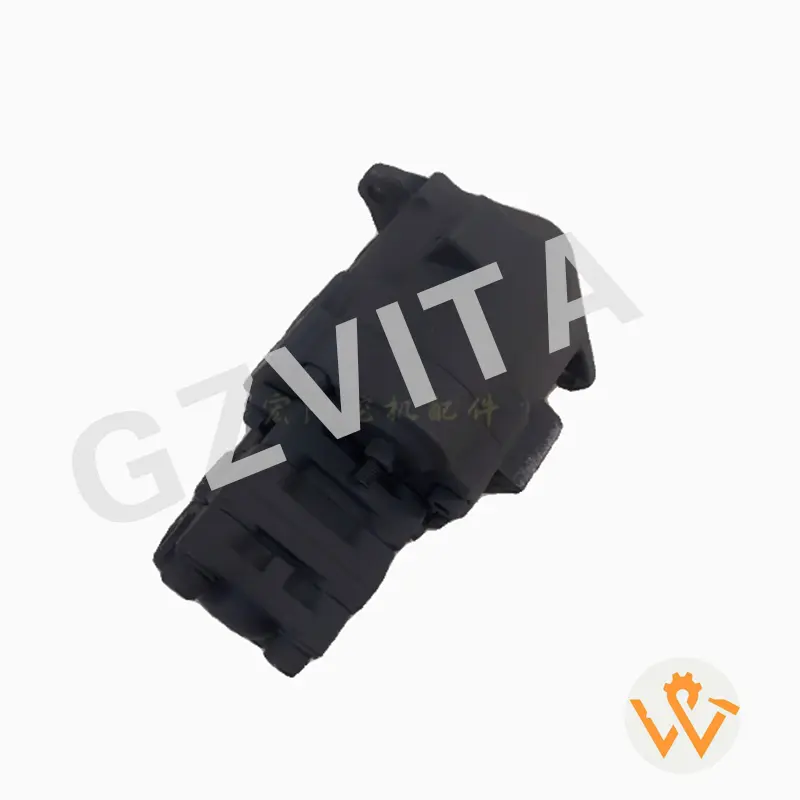
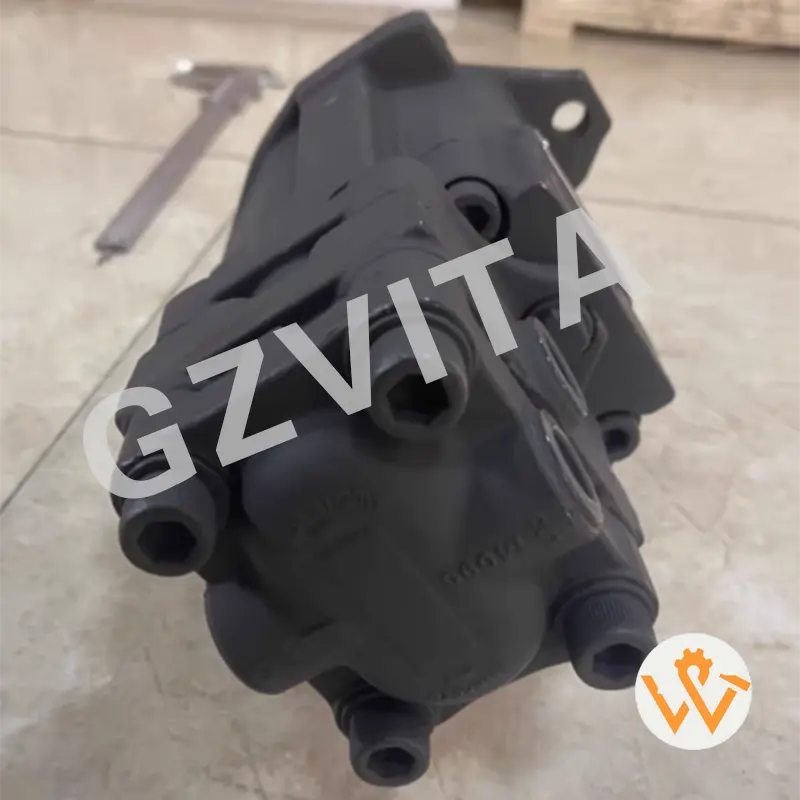
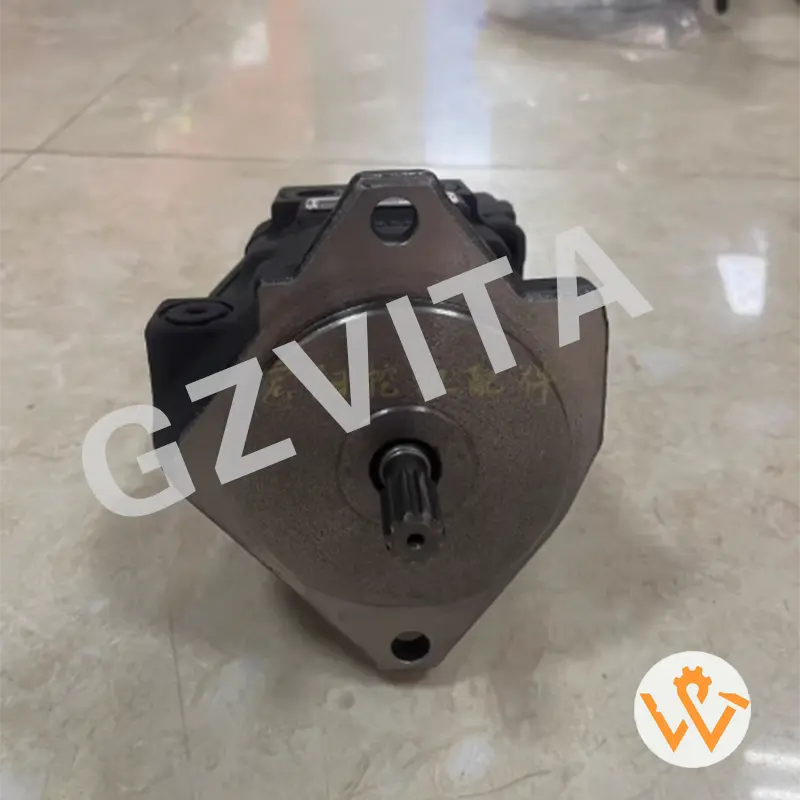
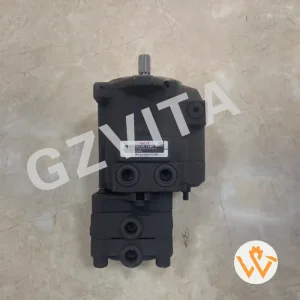
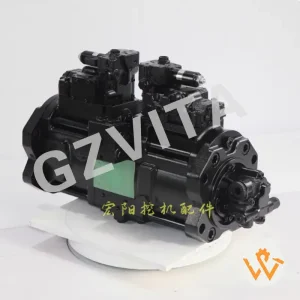
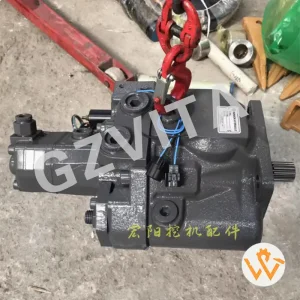
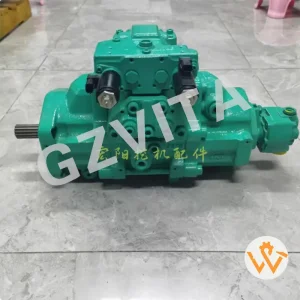
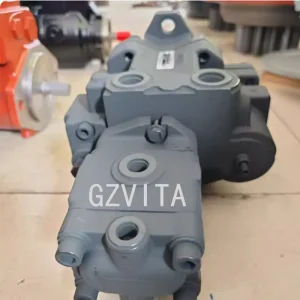
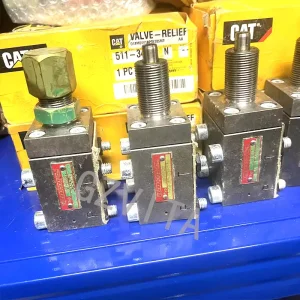
Changing spare parts of a hydraulic pump can vary in difficulty depending on several factors, including the type of hydraulic pump, the specific parts being replaced, the design of the system, and the skill level of the person performing the maintenance. Here are some considerations:
Type of Hydraulic Pump
Different types of hydraulic pumps (gear, vane, piston) have different designs and complexities. Some may have more accessible parts than others.
Experience and Skill Level
If you have experience with hydraulic systems and mechanical repairs, you may find it easier to change spare parts. For someone without experience, it may be more challenging.
Tools Required
Having the right tools is essential. Some repairs may require specialized tools, which can make the process more complicated if you don't have them.
Availability of Parts
Ensure that the spare parts are readily available and compatible with your specific pump model.
Service Manual
Having a service manual or technical documentation can greatly assist in understanding the assembly and disassembly process.
Safety Precautions
Working with hydraulic systems can be dangerous due to high pressure. Proper safety precautions must be taken to avoid accidents.
System Complexity
If the hydraulic pump is part of a larger system, you may need to consider how to safely disconnect and reconnect it without affecting other components.
In summary, while some people may find it relatively easy to change spare parts in a hydraulic pump, others may find it challenging. If you're unsure, it may be best to consult a professional or refer to the manufacturer's guidelines.
Frequently Asked Questions
Is it difficult to replace spare parts in a hydraulic pump?
The difficulty level varies depending on the type of pump (gear, vane, or piston), the specific parts being replaced, system design, and your technical experience.
Do I need special tools to change hydraulic pump parts?
Yes, while standard mechanical tools are sufficient for basic parts, some complex repairs may require specialized tools recommended by the manufacturer.
Why is the hydraulic pump type important when ordering parts?
Different pump designs have unique internal structures. Ensuring part compatibility with your specific model is crucial for successful replacement and function.
What safety risks should I consider before beginning repairs?
Hydraulic systems operate under high pressure. Always depressurize the system and follow proper safety guidelines to prevent high-pressure fluid injuries.
Where can I find instructions for disassembly and assembly?
Detailed step-by-step procedures can typically be found in the manufacturer's service manual or technical documentation for that specific pump model.
What should I do if I am unsure about performing the maintenance myself?
If you lack the required tools, experience, or confidence, it is highly recommended to consult a professional technician to avoid damaging the system.
 Vita Construction