 Vita Construction
1 / 4
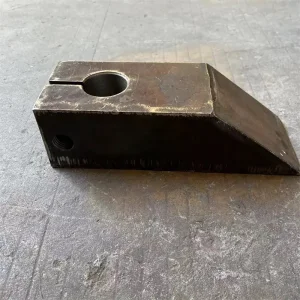
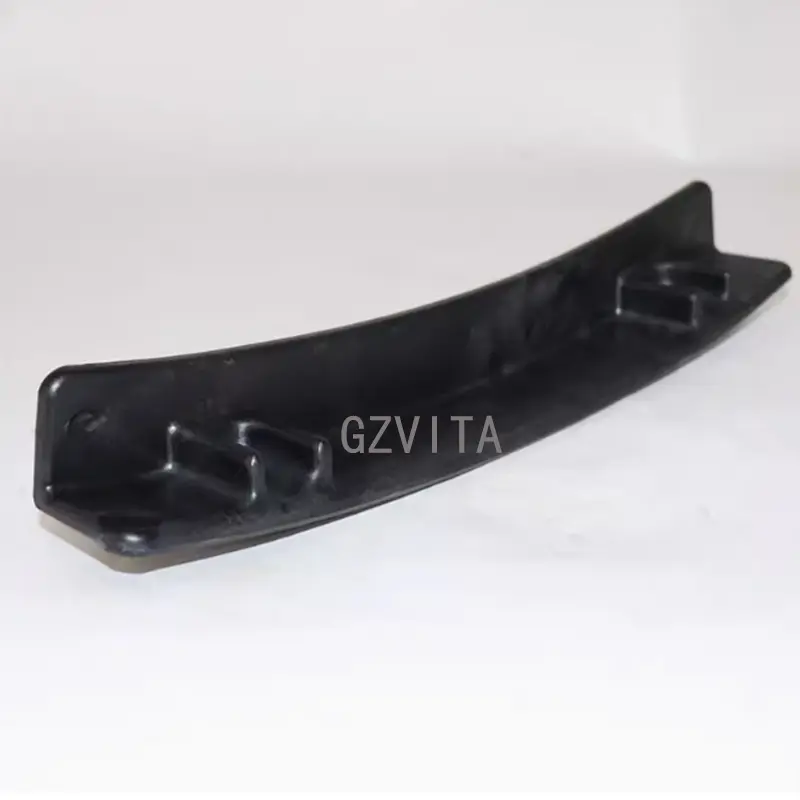
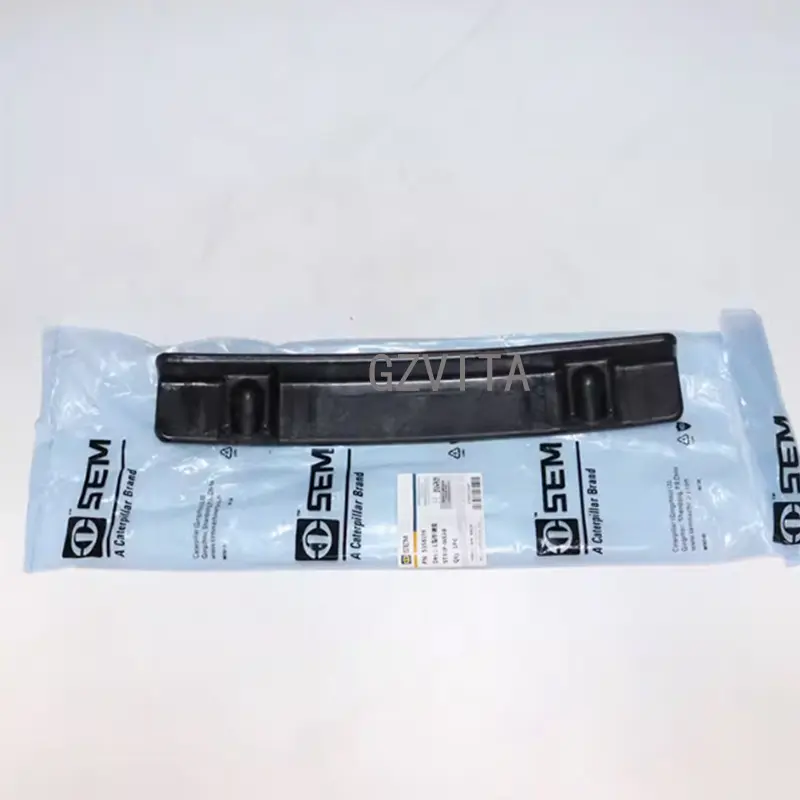
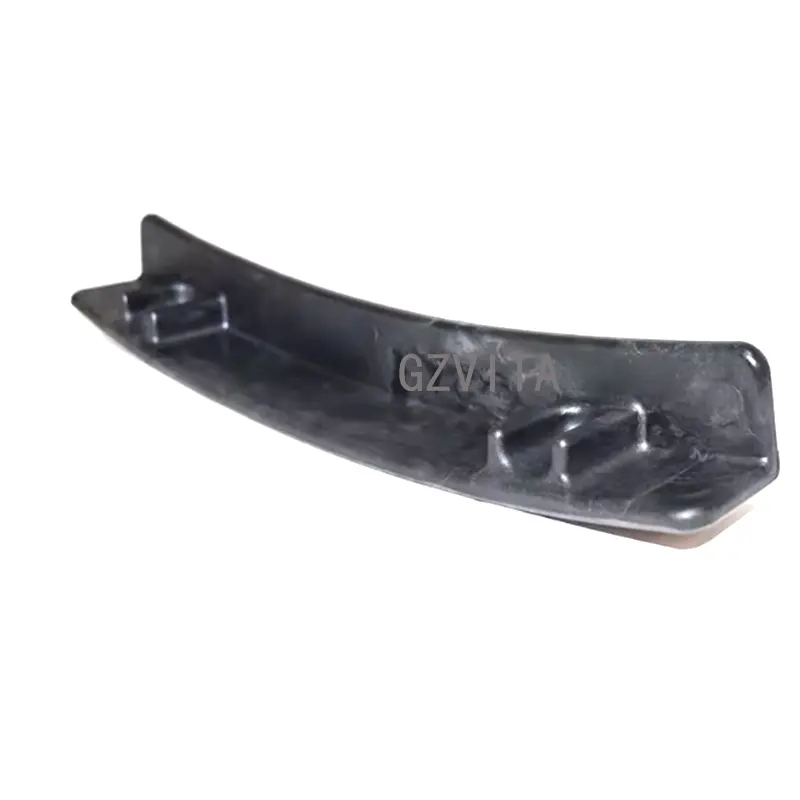
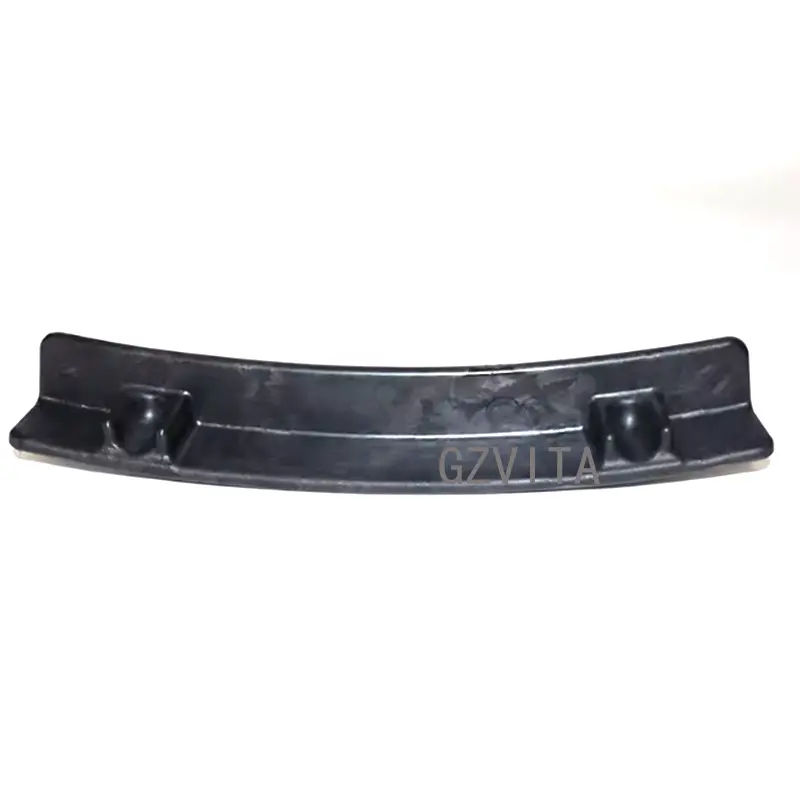
Wear strips, also known as wear pads or wear plates, are essential components in construction machinery, particularly in equipment such as excavators, bulldozers, and loaders. They are designed to reduce friction and wear between moving parts, thereby enhancing the performance and longevity of the machinery. Here's an overview of wear strips, their functions, materials, and benefits:
Wear strips provide a low-friction surface that allows moving parts to glide smoothly against each other, reducing wear and tear.
They help distribute loads evenly across surfaces, minimizing localized stress and preventing damage to critical components.
Wear strips protect the underlying surfaces of machinery from abrasion and impact, extending the life of expensive components.
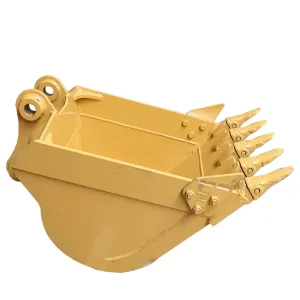
Wear strips are often used on the boom, arm, and bucket to reduce wear from constant movement and contact with materials.
They are used on the blade and undercarriage to protect against wear from pushing heavy materials.
Wear strips can be found on the bucket and linkage systems to enhance performance and durability.
Wear strips can be made from various materials, depending on the application and required properties:
Commonly used for its low friction and good wear resistance. It is lightweight and can absorb shock.
Offers excellent wear resistance and is often used in high-load applications.
Ultra High Molecular Weight Polyethylene is known for its high impact strength and low friction properties, making it ideal for heavy-duty applications.
In some cases, wear strips may be made from steel or other metals for applications requiring high strength and durability.
Wear strips serve to reduce friction, distribute loads evenly across machinery surfaces, and protect expensive underlying components from abrasion and impact damage.
They are frequently used in heavy construction equipment, including excavator booms, arms, and buckets; bulldozer blades and undercarriages; as well as loader buckets and linkage systems.
They are typically manufactured from materials such as Polyethylene (lightweight, shock-absorbing), Nylon (high-load resistant), UHMW Polyethylene (high impact strength, low friction), or Metals like steel for extreme durability requirements.
By acting as a sacrificial barrier that absorbs wear and tear, wear strips protect major structural parts. This significantly lowers overall maintenance costs, extends equipment life, and minimizes machine downtime due to their easy replacement design.
They should undergo regular inspections for physical wear or damage. Proper initial installation and choosing a material compatible with your specific machinery model are critical to ensuring optimal lifetime performance.