ENGINEERING RELIABILITY AT SCALE

Custom 80 Psi Pressure Switch Suppliers & Companies

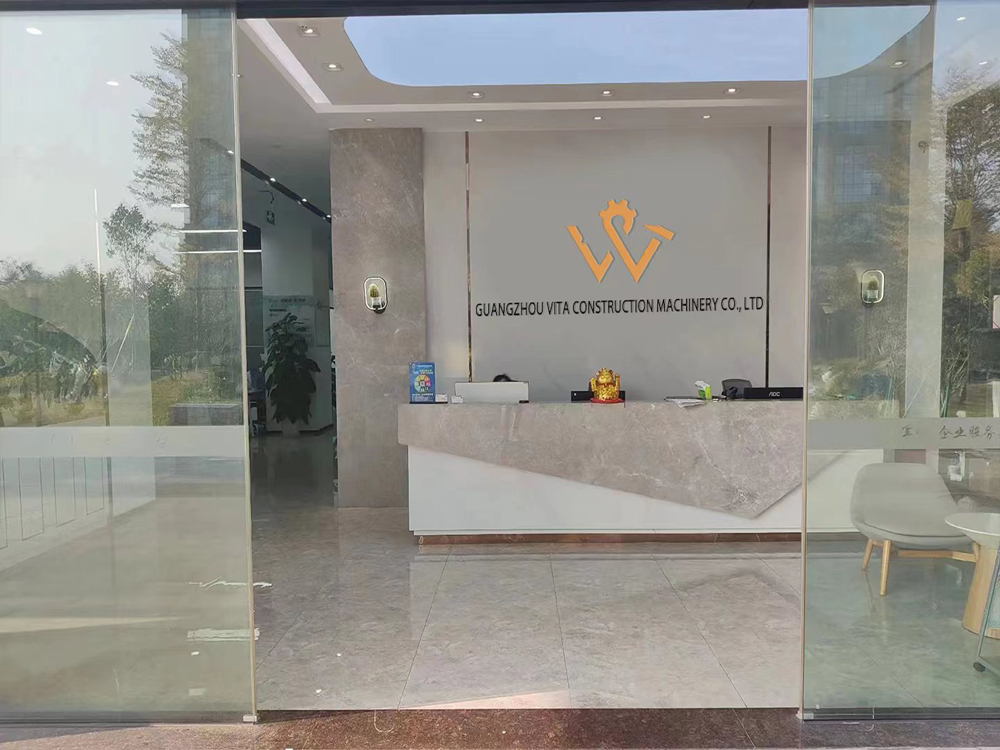
Guangzhou Vita Construction Machinery Co., Ltd.

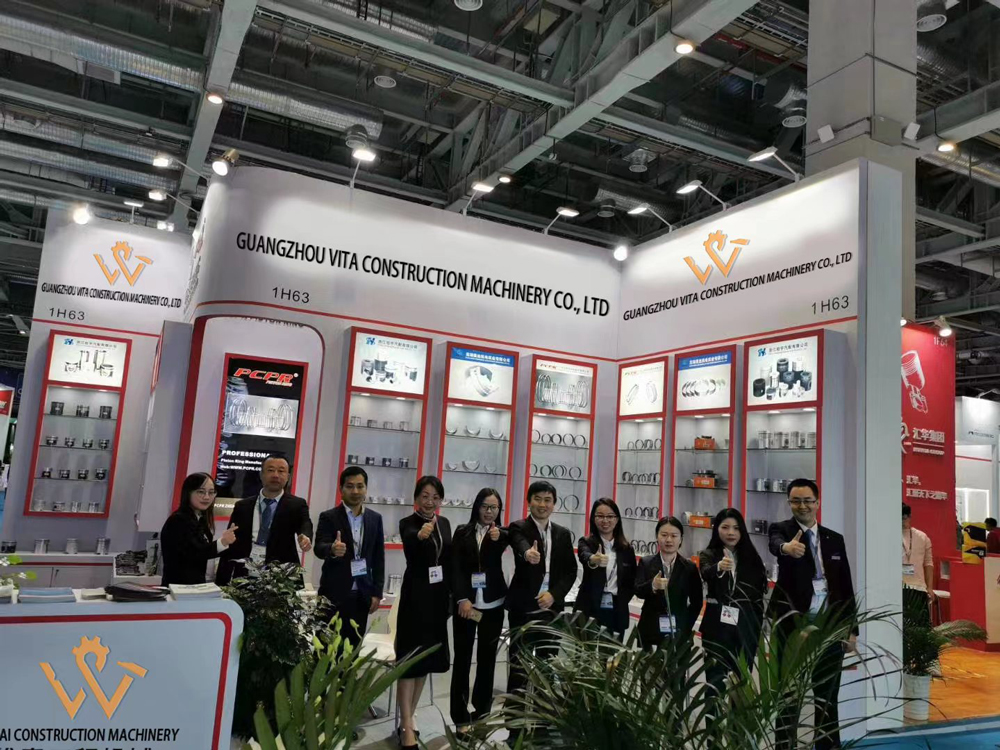
Guangzhou Vita Construction Machinery Co., Ltd. represents the absolute standard of excellence in heavy equipment component manufacturing and international supply chain distribution. Combining state-of-the-art production assets with specialized global distribution networks, we support massive industrial infrastructure, mining operations, and construction machinery fleets globally.

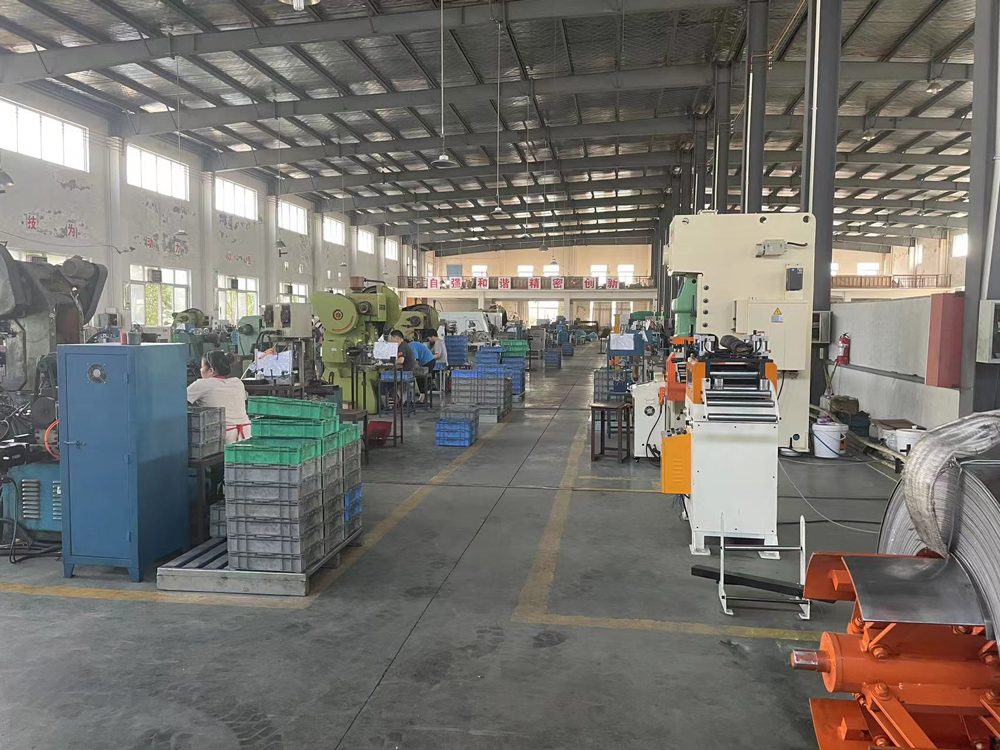
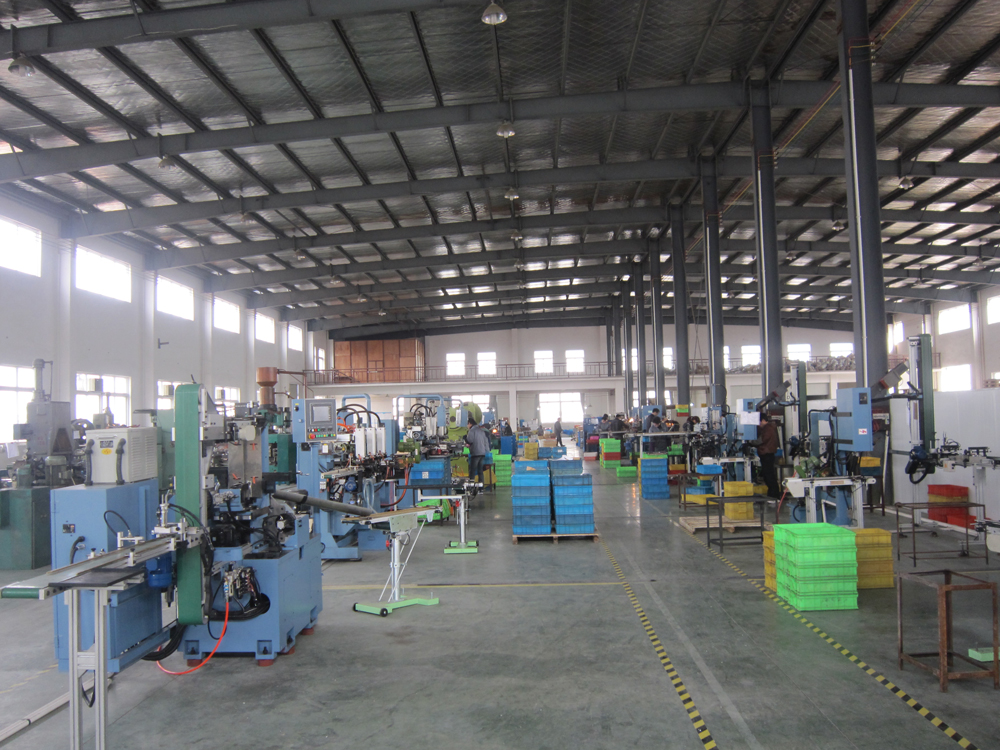
Our primary manufacturing footprint is situated in Xiangyang City, Hubei Province, encompassing an expansive, highly automated workshop exceeding 18,000 square meters. Driven by advanced digital manufacturing machinery, over 278 meticulously trained production technicians, and a core team of 8 elite engineering specialists, we ensure that every critical hydraulic component, electrical sensor, and mechanical assembly conforms strictly to extreme-tolerance specifications.

18K+
Sqm Factory
278+
Expert Staff
8
Lead Engineers
100%
QA Audited

Comprehensive Machinery Spares Catalog

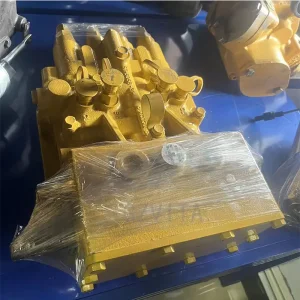
We specialize in developing, manufacturing, and distributing a comprehensive range of replacement parts compatible with global heavy machinery brands. Our products are engineered to function under intense hydraulic pressure and heat, serving as direct drop-in replacements for:

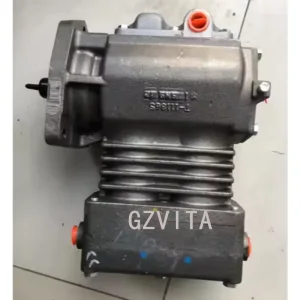
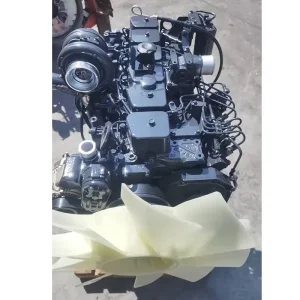
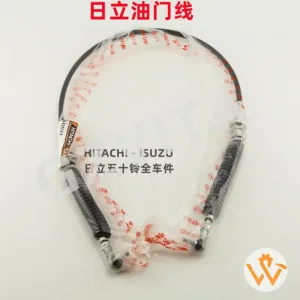
  • Power Systems: Complete diesel engine assemblies, crankshafts, high-flow gear pumps, and precision valves.
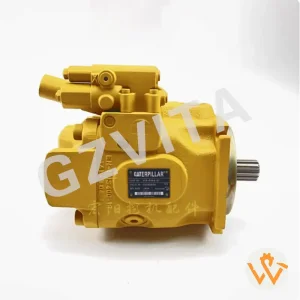
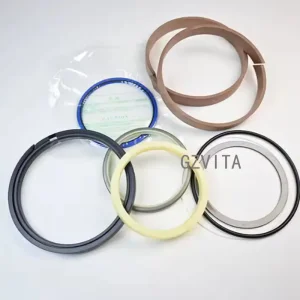
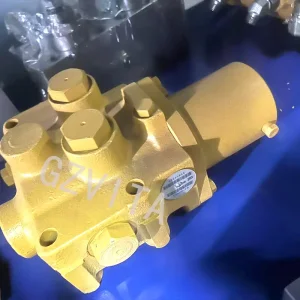
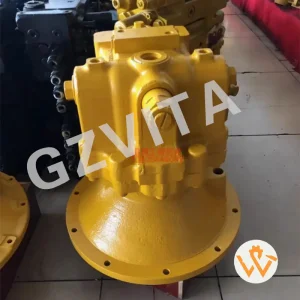
  • Fluid Dynamics: High-pressure hydraulic piston pumps, lift cylinder service seal kits, and dynamic control valves.
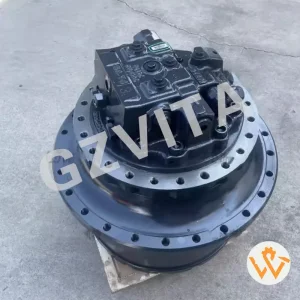
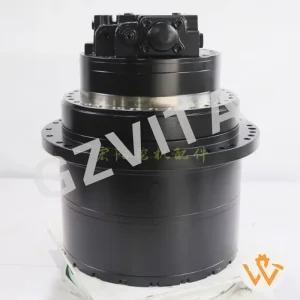
  • Undercarriage & Final Drive: Heavy travel motors, planetary gear reduction systems, track idlers, and link assemblies.
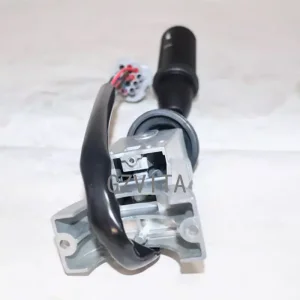
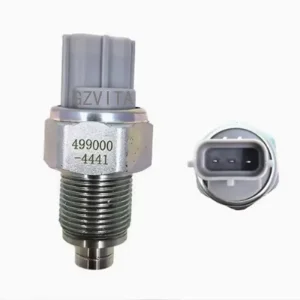
  • Electronic Control: Solid-state ECUs, digital common-rail pressure sensors, and highly calibrated pressure switches (including custom 80 PSI applications).

Fully compatible with equipment from Komatsu, Volvo, Sumitomo, Caterpillar, Kubota, Hitachi, John Deere, Kobelco, Hyundai, Kato, Sany, XCMG, and Sunward.

Technical Analysis: 80 PSI Pressure Switch Dynamics in Modern Systems

In fluid power systems, the 80 PSI (Pounds per Square Inch) pressure switch acts as a vital safety limit and control component. 80 PSI (approximately 5.5 bar) represents a key pressure threshold for various industrial processes. It separates low-pressure standby phases from high-pressure operation cycles in pneumatics, and indicates optimal lubrication or control pressure in heavy hydraulic machinery.

Information Gain: The Microswitch Deadband (Hysteresis) Factor
For industrial 80 PSI switches, managing the differential (deadband) is essential. If a system is calibrated to open a circuit at 80 PSI rising pressure, it should not close immediately when the pressure drops to 79.5 PSI. A precise differential (typically 5% to 15% of the set point) prevents system oscillation, where the switch cycles rapidly. This phenomenon can cause electrical failure, hydraulic shocks, and damage downstream relays.

Key Industry Trends Driving Development

  • Transition to Solid-State Electronics: Traditional mechanical switches utilize a piston or elastomer diaphragm to compress a metal spring and actuate a microswitch. Today, the industry is transitioning toward hybrid solid-state pressure switches. These incorporate strain-gauge sensors with solid-state switching logic, offering lower drift, longer service life, and resistance to pressure spikes.
  • Industrial IoT (IIoT) Integration: Modern 80 PSI switches are no longer isolated electrical contacts. Procurement agents increasingly require switches featuring smart IO-Link communication, which enables real-time diagnostic reporting, temperature monitoring, and predictive drift assessment directly to the central PLC.
  • Environment-Resistant Elastomers: With earthmoving and military vehicles operating in extreme environments (-40°C to 125°C), diaphragm materials must resist degradation. Standard NBR (Nitrile) is frequently upgraded to Viton (FKM) for high-temperature chemical compatibility, or EPDM for synthetic hydraulic fluid applications.

China Factory 4.0: Supply Chain Resilience & Manufacturing Advancements

Global buyers require suppliers who can deliver high-precision engineering alongside reliable, high-volume production. Guangzhou Vita Construction Machinery Co., Ltd.’s facility in Hubei represents the modernization of China's industrial manufacturing sector, often referred to as Factory 4.0.

Advanced Quality Assurance

Our Quality Management System utilizes automated calibration testing benches. Each custom 80 PSI switch undergoes pressure cycling, helium leak tests, and dielectric strength evaluations to verify performance metrics before shipping.

Technical Support Provision

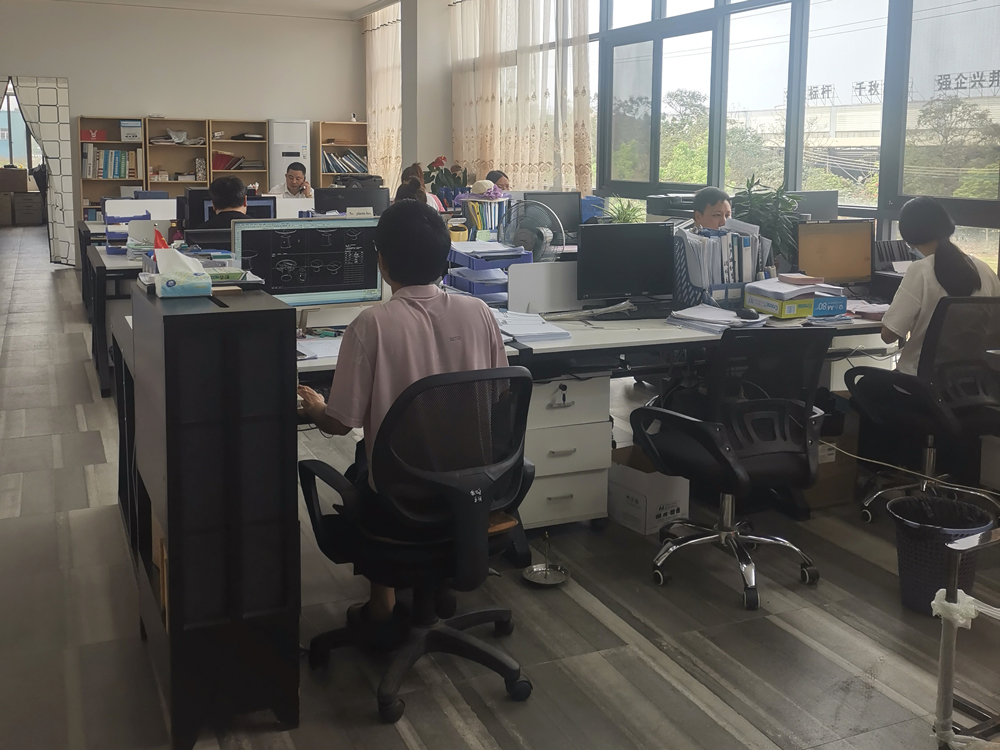
We provide full-spectrum engineering support. Beyond selling physical switch hardware, our maintenance and development team assists customers in resolving integration issues, transient hydraulic shock, and electrical wiring compatibility.

Specialized Technical Team

Our capabilities extend beyond the factory floor. Our professional field technicians can travel internationally to help diagnose complex hydraulic system issues and optimize heavy machinery engine performance.

Global Procurement Demands

Procurement teams face the challenge of managing total cost of ownership (TCO) while maintaining high standards of quality and performance. When souring custom 80 PSI pressure switches, buyers typically focus on:

  • Calibration Accuracy and Stability: The setpoint must remain stable at 80 PSI over millions of cycles, resistant to drift caused by temperature variation or mechanical fatigue.
  • Standardized Thread and Electrical Interfaces: Global compatibility requires standard port threads (e.g., 1/4" NPT, G1/4, 7/16-20 UNF) and electrical connections (e.g., Deutsch DT04, Packard Metri-Pack, DIN 43650).
  • Supply Chain Transparency: Buyers require traceablity for raw materials, heat treatment protocols, and quality audits, supporting lean manufacturing workflows.

Localized Application Scenarios: 80 PSI Switches in Action

Custom-calibrated 80 PSI pressure switches are used in a variety of heavy-duty applications. At this pressure level, they serve as reliable indicators for safety and control systems in mobile machinery and industrial automation.

Heavy Excavator Engine Oil Low-Pressure Alarms

In massive engines (like the Cummins 6BT5.9 or Caterpillar 3208), maintaining adequate lubrication is critical. An 80 PSI pressure switch can monitor engine oil pressure on the main gallery. When starting up, as pressure rises past 80 PSI, the switch closes a contact to signal the ECU that lubrication pressure is safe. Conversely, if operational pressure drops below 80 PSI, the switch triggers an alarm to prevent engine damage.

Pneumatic Braking Systems in Loaders & Trucks

Wheel loaders (e.g., Komatsu WA500-3 or WA470-6) rely on pneumatic and hydraulic braking systems. An 80 PSI switch monitors air receiver tank pressure. If pressure drops below 80 PSI, the switch alerts the operator that brake power may be reduced, complying with international safety standards for off-road vehicles.

Transmission Clutch Pressure Diagnostics

Power-shift transmissions in graders and track tractors require precise pressure to lock clutch packs. A custom-set 80 PSI switch detects the presence of pilot hydraulic pressure in the control circuit. This information helps verify proper gear engagement, preventing clutch slippage and wear.

Pneumatic Charge Systems for Industrial Automation

In automated factory environments, assembly lines require consistent air pressure to operate cylinders. A line switch set at 80 PSI ensures the main air compressor starts up when system pressure decays, maintaining stable line performance.

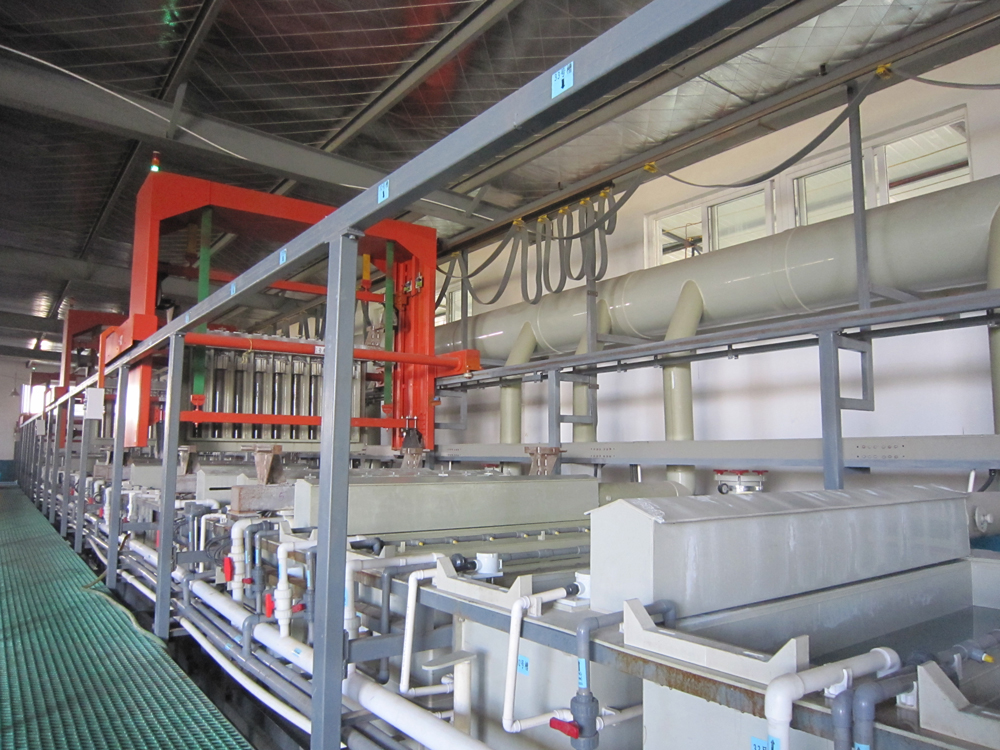
Manufacturing Infrastructure & Factory Tour

Take a look inside our production facilities in Hubei Province, featuring advanced assembly areas, test equipment, and raw material storage.
Technical FAQ: Custom 80 Psi Pressure Switches

Explore engineering-focused responses to common technical inquiries regarding the specification, installation, and operation of 80 PSI pressure switches.

Q1: What is the main difference between SPST and SPDT configurations in an 80 PSI switch?
An SPST (Single Pole Single Throw) switch has a single input and one output, operating either as Normally Open (NO) or Normally Closed (NC). When pressure passes 80 PSI, it switches state. An SPDT (Single Pole Double Throw) switch features a single input and two outputs, enabling switching between two circuits. When the threshold is reached, it disconnects one terminal while connecting the other, which is ideal for systems requiring simultaneous activation and warning signals.
Q2: How does temperature change affect the accuracy of an 80 PSI pressure switch?
Temperature fluctuations influence the elasticity of the internal sensing diaphragm or spring. High temperatures reduce spring stiffness, causing the switch to actuate below the 80 PSI setpoint. Low temperatures stiffen elastomer diaphragms, delaying actuation. Quality switches incorporate temperature compensation materials or use solid-state strain gauges to ensure setpoint drift remains within ±2% across wide operating temperatures (-40°C to +125°C).
Q3: Which diaphragm material is best for hydraulic oil versus compressed air?
For standard compressed air, Nitrile (NBR) offers reliable performance and cost-effectiveness. For hydraulic oils, Viton (FKM) is preferred due to its superior resistance to chemicals, high temperatures, and degradation from synthetic fluids. When handling water-based fluids, EPDM is recommended, while NBR should be avoided as it degrades when exposed to polar solvents.
Q4: Can these switches handle high voltage inductive loads directly?
Typically, no. Mechanical microswitches within pressure sensors are designed for pilot duty control circuits (e.g., 24VDC at 5A or 125VAC at 10A). Direct connection to high-voltage inductive loads, like compressor motors, causes arcing at the contact points, leading to premature switch failure. It is recommended to use the switch to trigger an external contactor or relay.
Q5: How can hydraulic pressure spikes be prevented from damaging the switch?
Hydraulic spikes can exceed 5-10 times the standard working pressure of 80 PSI, causing damage to the diaphragm. Installing a pressure snubber or restrictor fitting directly upstream of the switch dampens high-frequency pressure waves. Using switches with built-in mechanical stops or choosing solid-state sensors with high overpressure limits also prevents spike damage.