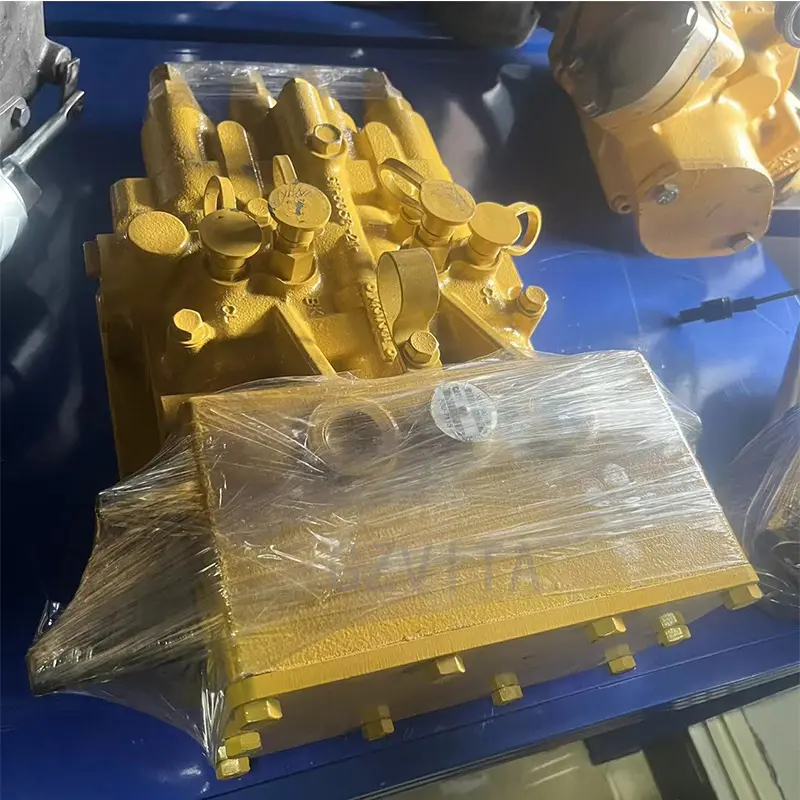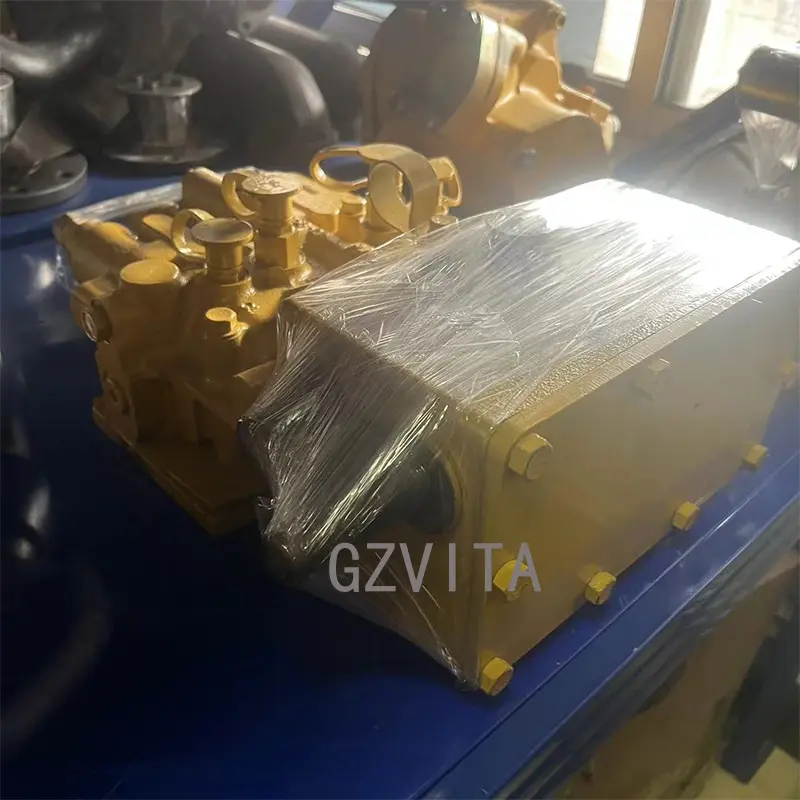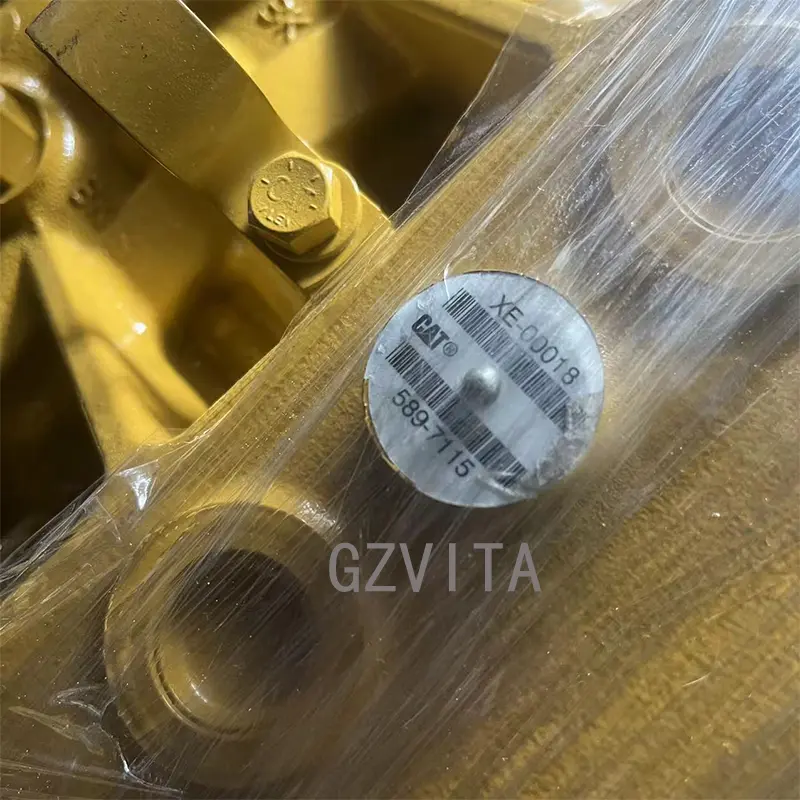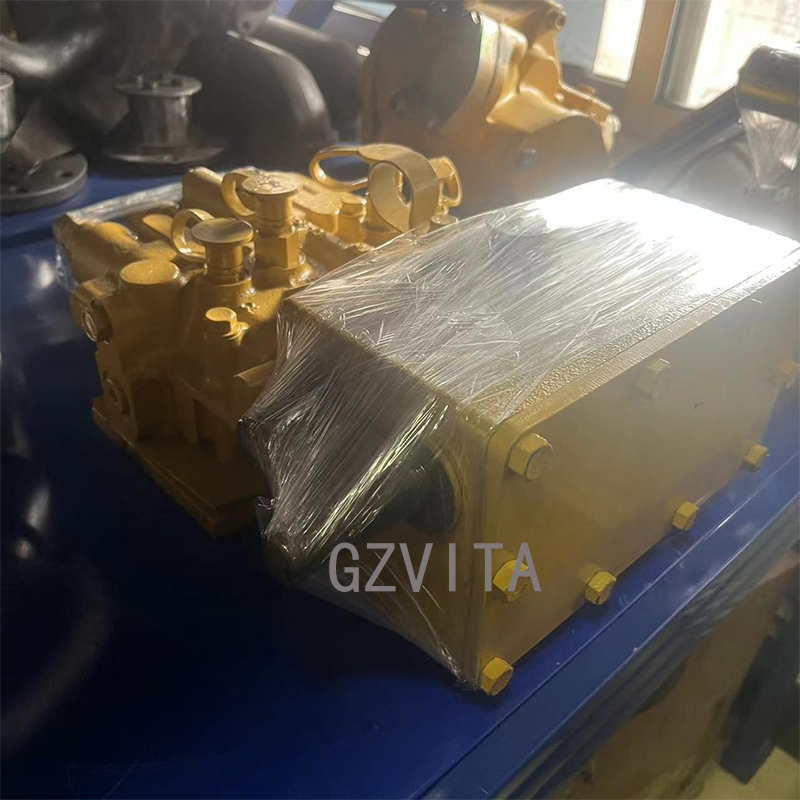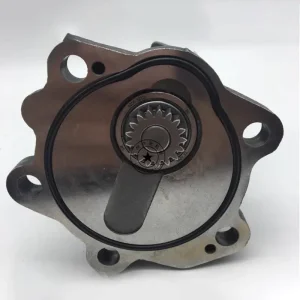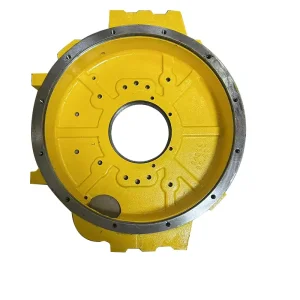
Custom Control Valve GP 5897115 For Tractor D6GC Suppliers, Factories

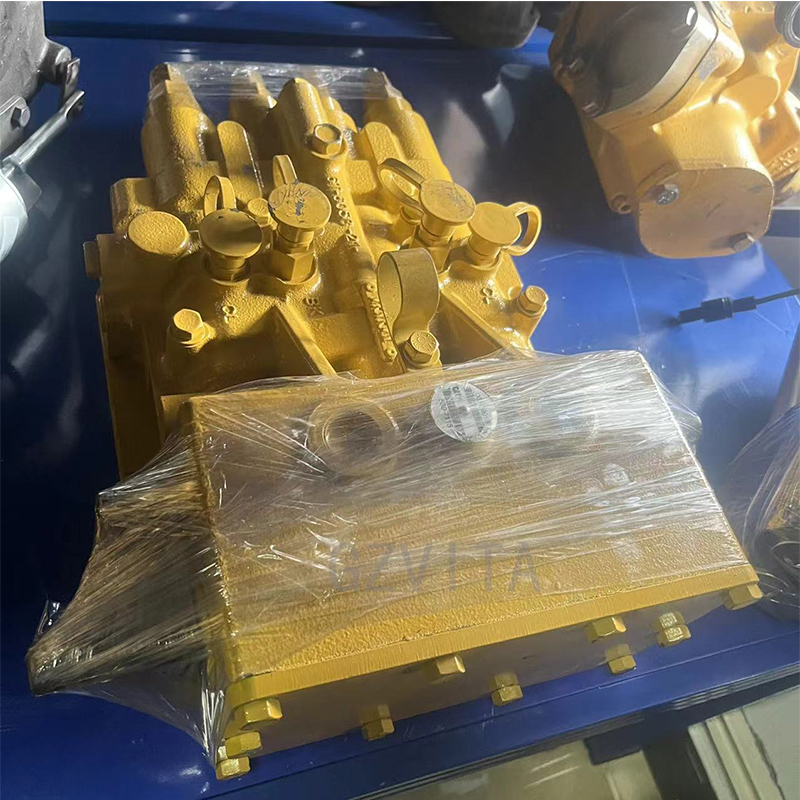
1.Product name:Valve GP

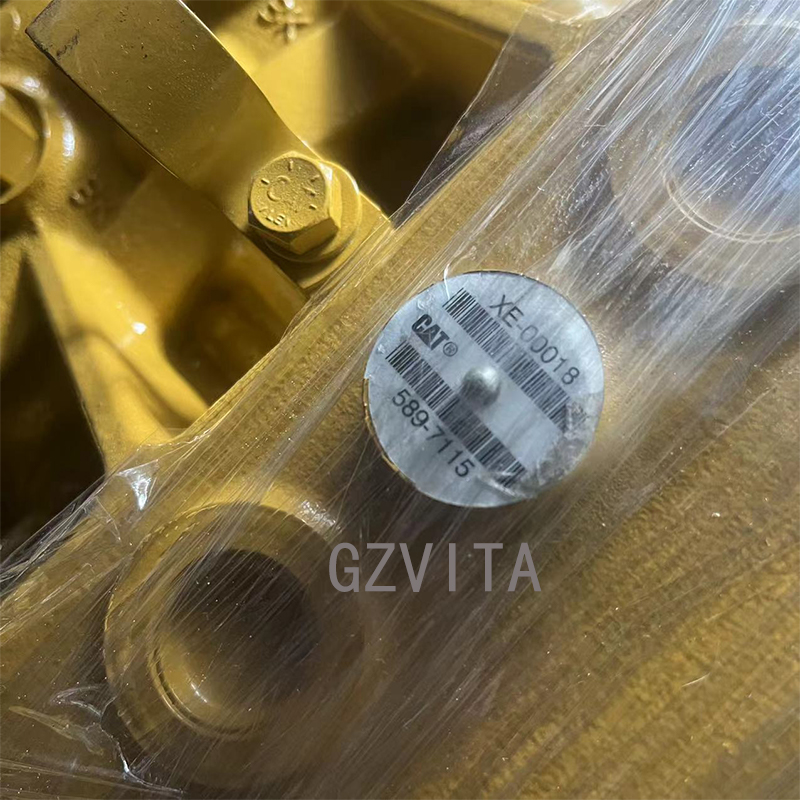
2.Part number:589-7115

3.Compatible for:Caterpillar Tractor D6GC

4.Leading time:2-3 days

5.Packing way:Wooden Case

Product Description

Introduction to Control Valve GP for Tractor D6GC

The control valve, often referred to as the hydraulic control valve or hydraulic distributor, is a crucial component in the hydraulic system of the D6GC tractor. This valve regulates the flow and direction of hydraulic fluid, enabling the operation of various hydraulic functions such as lifting, lowering, and tilting implements. Understanding the control valve’s function and design is essential for effective operation and maintenance of the tractor.

Key Functions of the Control Valve

  • Flow Regulation:
    The control valve manages the flow of hydraulic fluid from the pump to various hydraulic actuators, such as cylinders and motors. By adjusting the flow rate, it allows for precise control of the speed and force of hydraulic movements.
  • Direction Control:
    The control valve directs hydraulic fluid to specific functions or attachments. For example, it can control the movement of the loader arms, the angle of the bucket, or the operation of other implements attached to the tractor.
  • Pressure Control:
    Many control valves are equipped with pressure relief features that prevent excessive pressure buildup in the hydraulic system. This is crucial for protecting components from damage and ensuring safe operation.
  • Multiple Functionality:
    The control valve can manage multiple hydraulic functions simultaneously, allowing for efficient operation of various attachments and implements without the need for multiple valves.

Design Features of the Control Valve GP for D6GC

Construction Material

Control valves are typically made from durable materials such as cast iron or high-strength aluminum to withstand the pressures and stresses of hydraulic operation.

Port Configuration

The valve will have multiple ports for hydraulic fluid input and output, allowing for the connection of hoses and lines to various hydraulic components.

Actuation Mechanism

Control valves can be operated manually (via levers) or electronically (via solenoids), depending on the design and features of the tractor.
Maintenance Considerations

  • Regular Inspection:
    Periodically inspect the control valve for leaks, wear, or damage. Look for signs of hydraulic fluid leakage around seals and connections.
  • Fluid Quality:
    Ensure that the hydraulic fluid is clean and at the proper level. Contaminated or low fluid levels can affect the performance of the control valve and the entire hydraulic system.
  • Functionality Testing:
    Test the operation of the control valve regularly to ensure it is functioning correctly. Check for smooth operation and responsiveness when actuating hydraulic functions.
  • Seal Replacement:
    If leaks are detected, it may be necessary to replace seals or O-rings to maintain proper function and prevent fluid loss.

Product Display

Frequently Asked Questions

QWhat is the primary role of the Control Valve GP in the D6GC tractor?
The control valve regulates the flow rate and flow direction of hydraulic fluid throughout the system, allowing operators to lift, lower, and tilt various attachments and implements.
QWhat materials are used to construct the D6GC control valve?
To withstand high pressure and stress from heavy-duty operations, they are usually manufactured from highly durable cast iron or high-strength aluminum.
QHow can the control valve be actuated on a D6GC tractor?
Depending on your specific tractor model and configuration, the valve can be operated manually using mechanical levers or electronically via solenoid controls.
QHow does the control valve prevent system damage from high pressure?
It includes integrated pressure relief components that automatically regulate and release excessive pressure buildup, protecting the hydraulic system.
QWhat should I do if I notice a fluid leak on my control valve?
You should check the connections and, if necessary, replace worn-out O-rings or seals immediately to prevent fluid loss and maintain pressure integrity.

Related Products