 Vita Construction
1 / 3
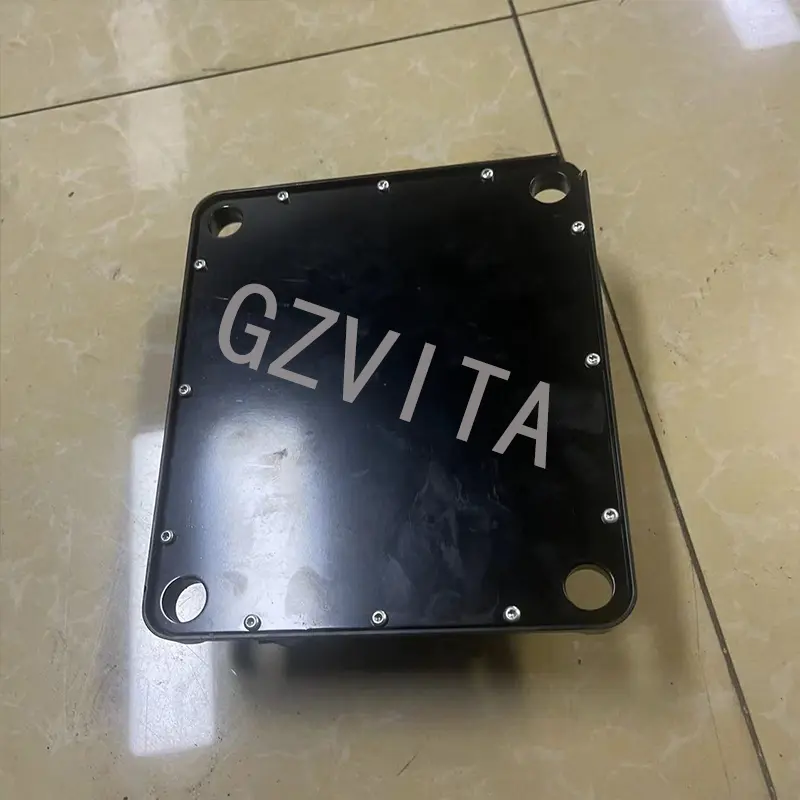
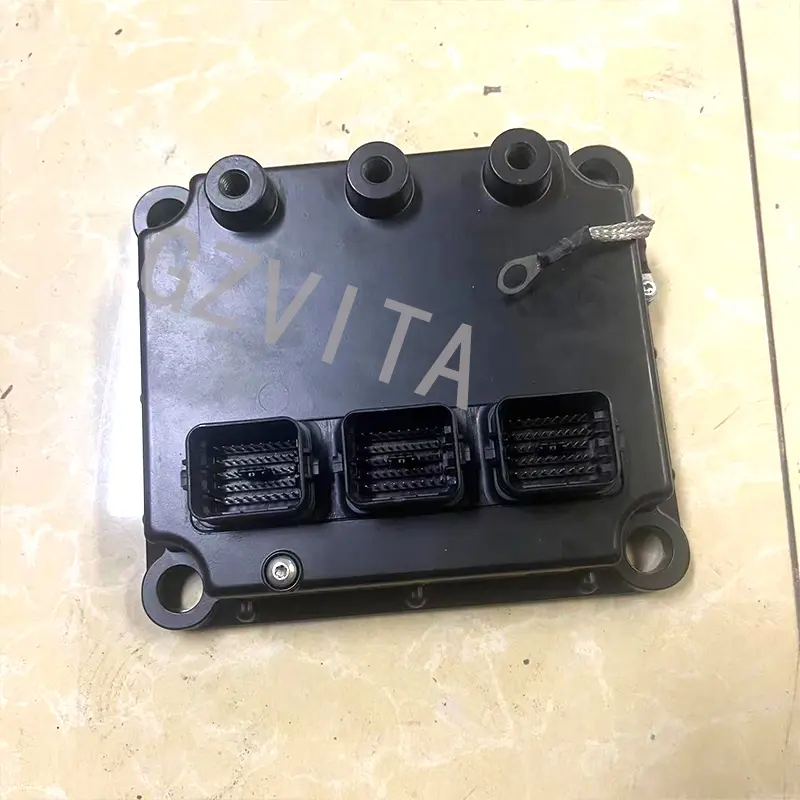
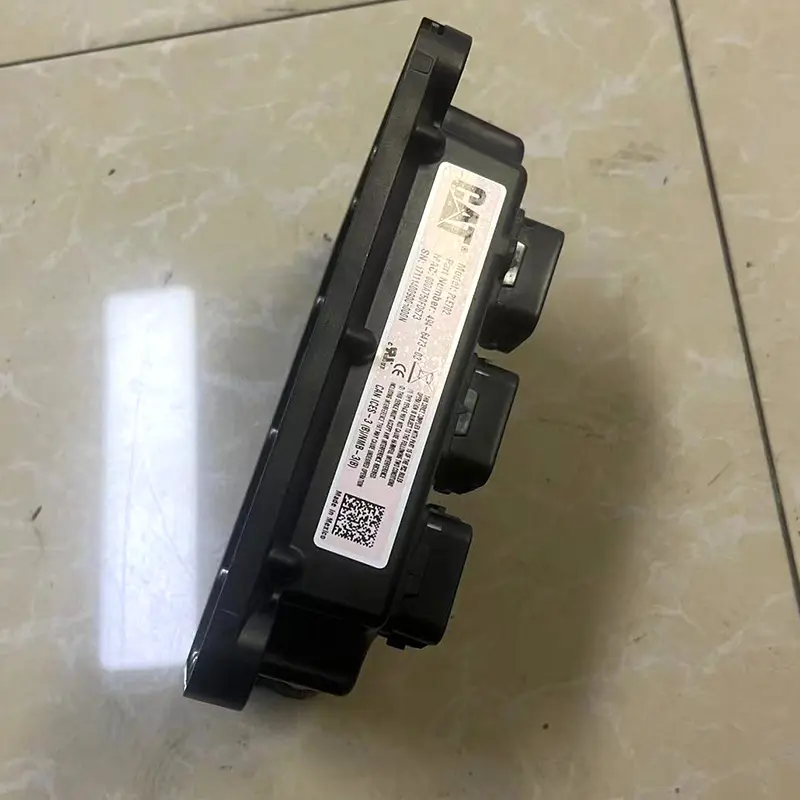
The Electronic Control Unit (ECU) for Caterpillar tractors is a sophisticated component that plays a vital role in the operation and performance of the machinery. The ECU is essentially the brain of the tractor, responsible for monitoring and controlling various systems to ensure optimal performance, efficiency, and safety.
The ECU processes data from various sensors located throughout the tractor, including those monitoring engine performance, transmission, hydraulic systems, and emissions. It interprets this data to make real-time adjustments to optimize performance and efficiency.
One of the primary functions of the ECU is to manage the engine’s operation. It controls fuel injection timing, air intake, and exhaust systems to ensure the engine runs smoothly and efficiently while meeting emissions standards.
The ECU continuously monitors the tractor’s systems and can detect faults or irregularities. It stores diagnostic trouble codes (DTCs) that can be accessed by technicians for troubleshooting and maintenance, helping to reduce downtime and improve reliability.
By analyzing data from various inputs, the ECU can adjust parameters to enhance performance. This includes optimizing power output, fuel efficiency, and overall operational effectiveness, which is crucial for heavy-duty applications.
The ECU is designed to work in conjunction with other electronic systems within the tractor, such as the transmission control unit and hydraulic control systems. This integration allows for coordinated operation and improved functionality.
Many Caterpillar tractors equipped with an ECU feature advanced displays that provide operators with real-time information about the machine’s performance, diagnostics, and alerts. This user-friendly interface enhances operator awareness and control.
The ECU incorporates safety protocols to protect both the operator and the machinery. It can limit engine power in certain conditions, engage safety shutdowns, and provide alerts for maintenance needs, contributing to safer operation.
What is the primary role of the ECU in a Caterpillar tractor?
The ECU acts as the brain of the tractor, monitoring and controlling vital systems—including the engine, transmission, hydraulics, and emissions—to ensure the machinery runs with optimal performance, safety, and efficiency.
How does the ECU manage the tractor's engine?
It manages engine operations by controlling fuel injection timing, air intake, and exhaust systems. This coordination ensures smooth operation, maximizes fuel efficiency, and meets environmental emissions standards.
What diagnostics capabilities does the tractor's ECU offer?
The ECU continuously monitors all integrated systems for faults or irregularities. When an issue is detected, it stores Diagnostic Trouble Codes (DTCs) that technicians can easily access to diagnose and troubleshoot issues quickly, minimizing downtime.
Does the ECU communicate with other components on the tractor?
Yes, it is designed for full integration with other onboard electronics, such as the transmission control unit and hydraulic systems, to ensure all operations are seamlessly coordinated.
What safety mechanisms are controlled by the ECU?
The ECU protects the machinery and the operator by implementing safety protocols, which include triggering safety shutdowns, limiting engine power under abnormal conditions, and alerting the operator to urgent maintenance needs.