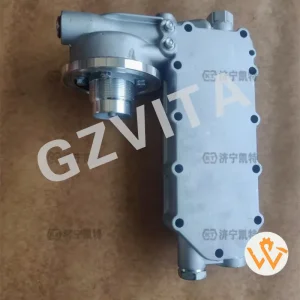
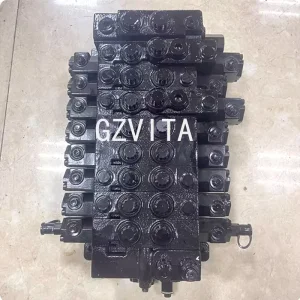
High-performance cylinder liners, hydraulic pumps, and repair kits engineered to exceed OEM durability and efficiency metrics.
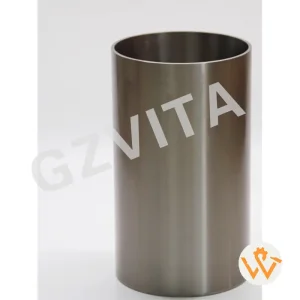
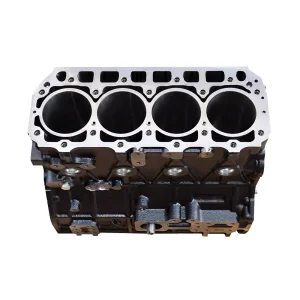
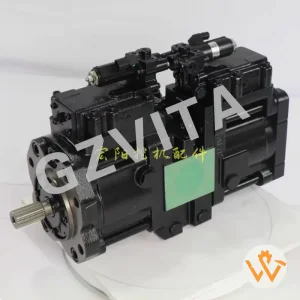
In high-performance combustion engine engineering, the dry type cylinder liner plays a pivotal role. Unlike its wet-type counterpart, which makes direct contact with the engine coolant, the dry type cylinder liner is pressed directly into the cylinder block casting, shielded entirely from coolant contact. Consequently, the heat dissipation of dry type cylinder sleeves relies entirely on conductive heat transfer through the interface of the sleeve and the cylinder block's parent bore. This setup demands extremely tight tolerances and flawless mechanical alignment.
To achieve high durability under massive mechanical loads and thermal gradients, metallurgical composition is critical. Top-tier manufacturers utilize centrifugal casting processes to produce high-grade alloy cast iron. Incorporating elements like boron, phosphorus, chromium, and molybdenum enhances the material’s structural integrity.
By adding 0.05%–0.15% Boron, we generate a network of hard iron borides within a tempered martensitic or fine pearlitic matrix. This microstructural phase design ensures that the cylinder wall maintains its dimensional stability under high combustion pressures and prevents scuffing.
| Technical Attribute | Dry Type Cylinder Liner | Wet Type Cylinder Liner |
|---|---|---|
| Coolant Contact | None (Indirect cooling through parent bore contact) | Direct Contact with Engine Coolant |
| Wall Thickness | Thin-walled (1.0 mm to 3.0 mm typical) | Thick-walled (5.0 mm to 9.0 mm typical) |
| Sealing Requirements | No coolant seal rings required (Eliminates risk of water-in-oil leakage) | Requires elastomer O-rings at top and bottom |
| Installation Fitment | Heavy interference press-fit (High precision machining required) | Slip-fit or light transition-fit |
| Thermal Path Efficiency | Conduction limited (Highly dependent on fit interface) | Convective cooling directly from coolant fluid flow |
The surface profile of the cylinder liner's inner diameter (ID) determines the engine's long-term oil consumption, blow-by rates, and power performance. Standard machining finishes leave jagged microscopic peaks that cause rapid piston ring wear during the initial run-in phase. To prevent this, leading manufacturers implement Plateau Honing.
Plateau honing is a multi-step abrasive finishing process. Initial honing runs establish the nominal size and create deep cross-hatch micro-valleys. A subsequent finishing stage using fine-grit stones cuts off the sharp peaks, leaving a series of flat, load-bearing plateaus.
The production of custom dry-type liners begins in the foundry. Vertical and horizontal centrifugal casting machines spin the molten metal at high speed, generating forces up to 40G. This process drives lighter impurities and slag particles to the inner bore, where they are easily machined away during rough boring.
Following rough machining, components undergo stress-relief heat treatments to eliminate residual casting stresses. The final steps include precision outer diameter (OD) grinding and centerless grinding, maintaining tolerances within 5 microns. This level of precision is necessary because any out-of-roundness on the outer wall will transfer to the inner bore upon press-fitting, resulting in localized hot spots and accelerated piston ring wear.
Worldwide demand for high-durability internal combustion engines (ICEs) is driven by critical industrial sectors, including marine propulsion, heavy-duty commercial logistics, mining excavators, and diesel-powered agricultural machinery. In these fields, equipment downtime can cost thousands of dollars per hour. Consequently, fleet operators and OEMs demand components that can withstand continuous duty cycles under extreme conditions.
Additionally, the rise of alternative fuel platforms—such as hydrogen combustion engines and dual-fuel marine systems—demands new metallurgical designs. These cleaner fuels burn hotter and drier, making advanced dry cylinder sleeves critical for maintaining reliable piston ring sealing.
Long-haul logistics across the United States and Canada expose engines to prolonged load cycles. Dry liners used in these regions must resist cylinder bore polishing—a condition where the plateau texture wears away, causing high oil consumption and emission failures.
European engine designs prioritize thermal management and minimal blow-by to comply with strict environmental regulations. This requires thin-walled dry sleeves that fit precisely with aluminum-silicon cylinder blocks, calling for advanced coatings and precise thermal expansion matching.
In desert environments, micro-abrasive dust particles frequently bypass intake filtration. The cylinder liners must feature extremely high surface hardness (exceeding 250 HBW) to resist the abrasive wear caused by fine sand particles.
Strategically situated in the industrial hub of Xiangyang, Hubei Province, delivering scale, speed, and reliability.
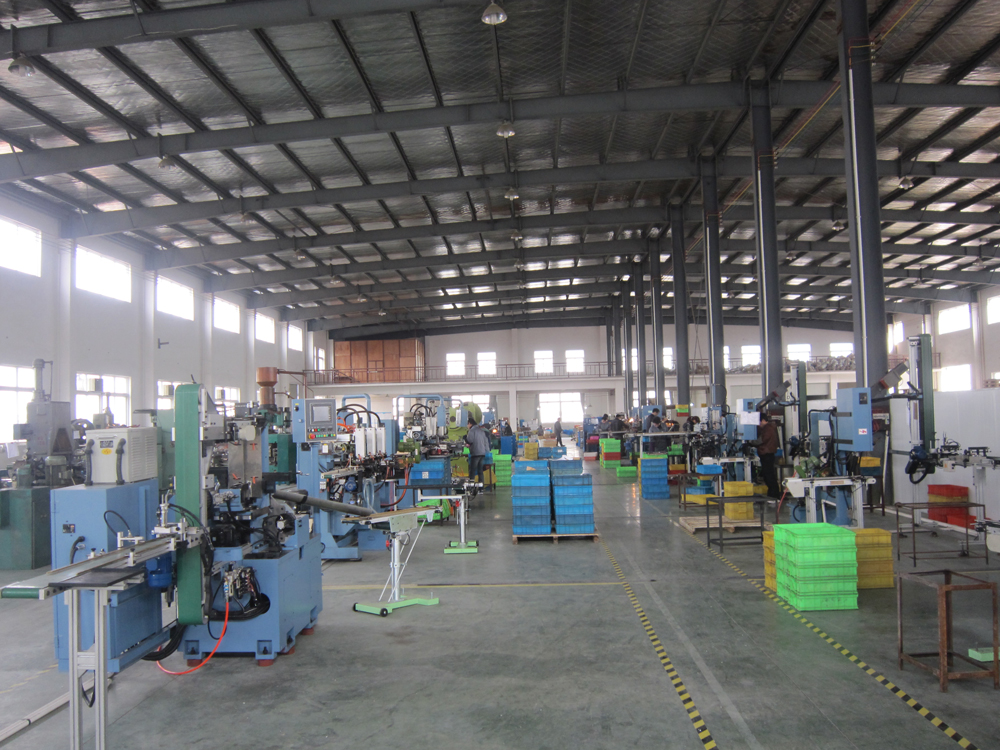
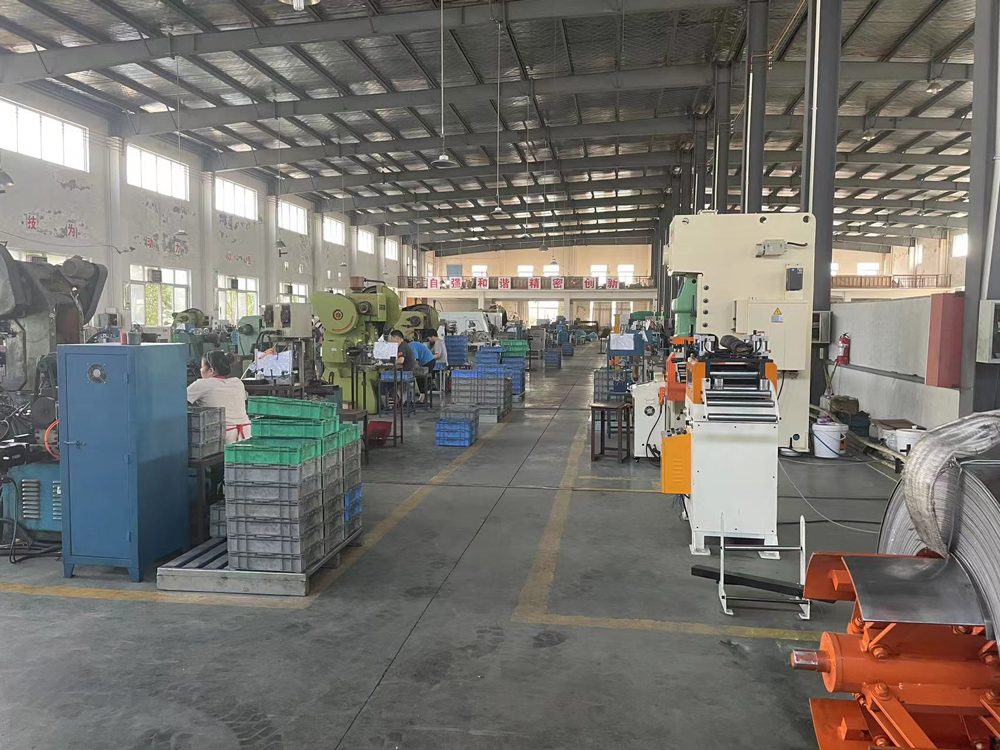
Located in Hubei Province, our production base houses state-of-the-art centrifugal casting machines, CNC lines, and multi-stage honing machines to ensure quality at scale.
Supported by 278 skilled technicians and 8 metallurgical engineers, we troubleshoot design and assembly challenges before production begins.
Every production run undergoes spectrographic chemical analysis and non-destructive ultrasonic testing to guarantee structural integrity.
Advancing surface engineering to meet next-generation emission standards and alternative fuel demands.
Implementing high-alloyed cast iron matrices with optimized phosphorous/boron ratios to resist bore polishing in ultra-low sulfur diesel applications.
Integrating precise laser texturing onto honed surfaces. This allows for targeted oil retention zones, cutting friction by up to 20% compared to traditional cross-hatch methods.
Developing specialized coatings to withstand the elevated thermal profiles and low-lubricity conditions of modern hydrogen-combustion architectures.
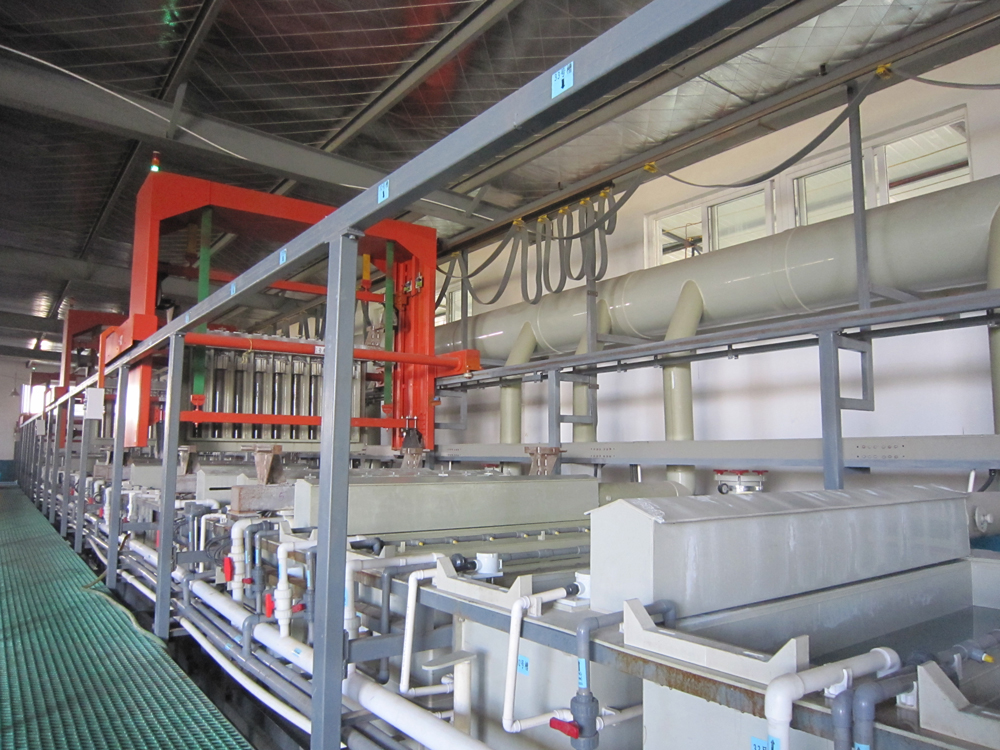
Inside Guangzhou Vita's modern manufacturing facility. Take a virtual tour of our production workshop, CNC lines, and inventory floors.
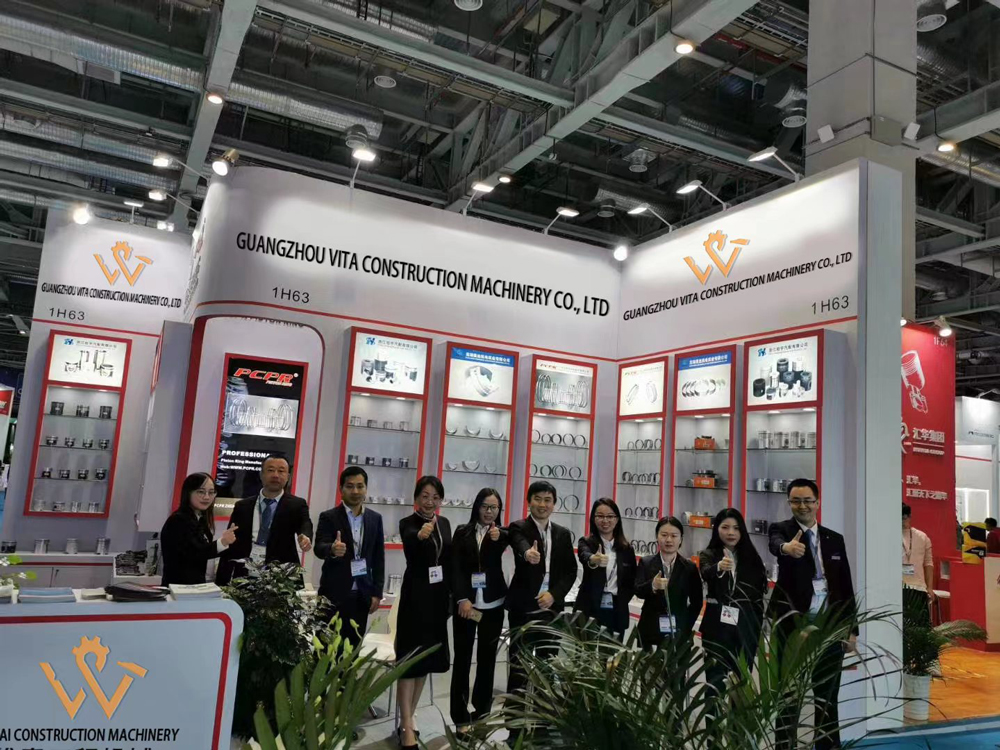
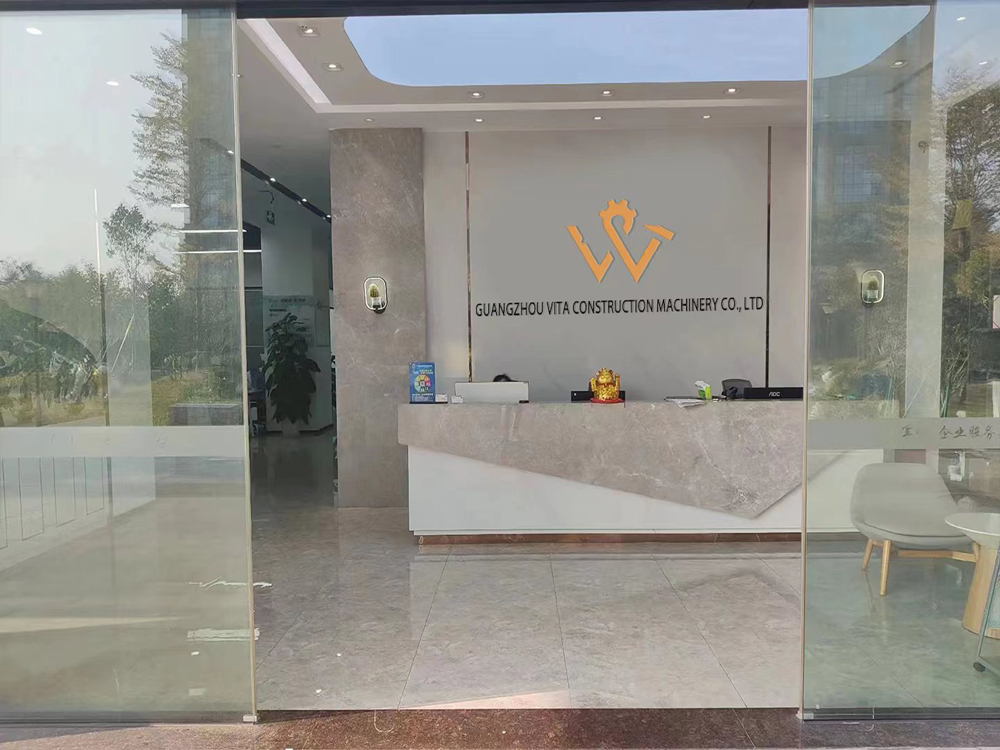


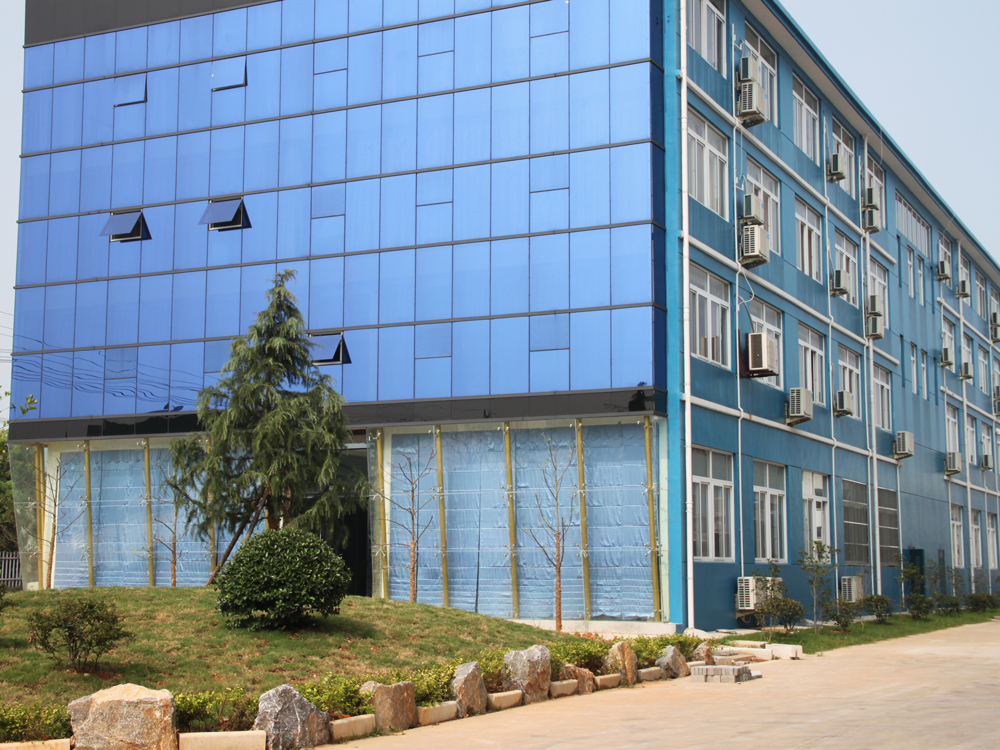
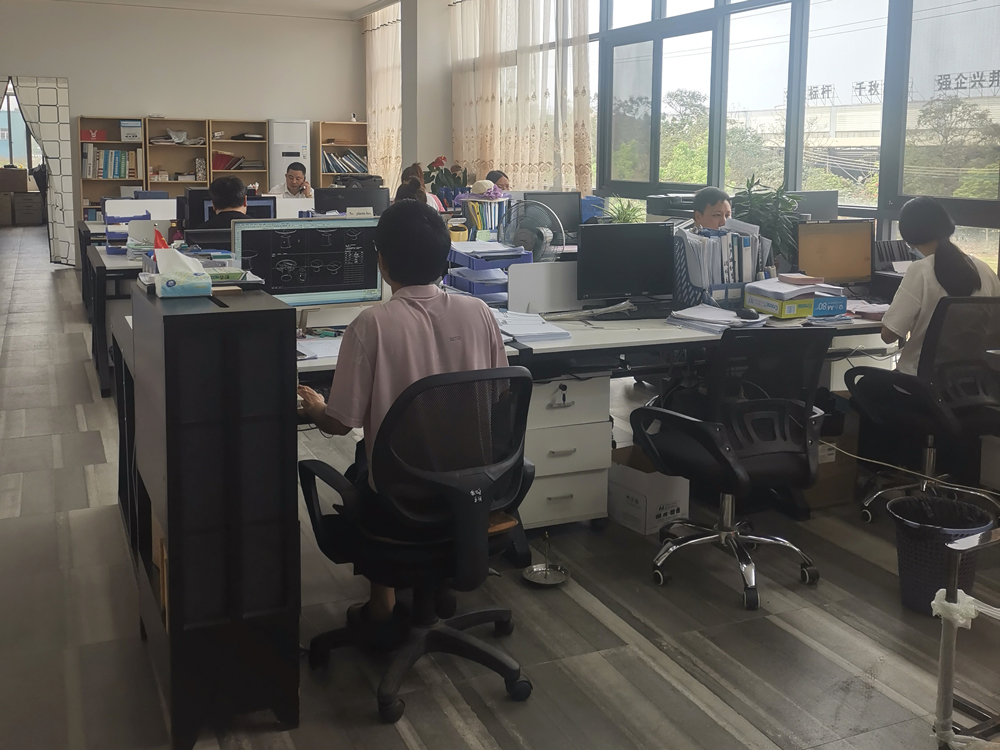
Answers to common engineering queries regarding dry type cylinder sleeves, material standards, and installation.
Dry type cylinder liners provide several structural and maintenance advantages. First, they eliminate the need for water-sealing O-rings, which completely removes the risk of coolant leaking into the engine oil crankcase. Additionally, because the cylinder block casting fully surrounds them, they increase overall block rigidity, making them ideal for high-pressure diesel platforms.
Dry cylinder liners transfer heat to the engine block via conductive surface contact. If the interference fit is too loose, microscopic air gaps will form between the sleeve and block, leading to localized overheating and cylinder distortion. If the fit is too tight, it can over-stress the block material, causing it to crack or distort the inner bore during operation.
Plateau honing removes the sharp microscopic peaks from the cylinder wall, creating a flat surface with deep valleys. The flat plateaus form an immediate seal with the piston rings, reducing the gap where combustion gas could escape. Meanwhile, the valleys hold just enough oil to lubricate the rings without letting it slip past into the combustion chamber.
We enforce high quality standards at every step. This starts with spectrographic testing of the raw metal melt, followed by ultrasonic inspection of the cast blanks to check for micro-voids. After grinding, we verify dimensions using three-coordinate measuring machines (CMM) to ensure tolerances remain within 5 microns.
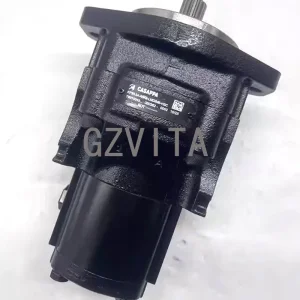
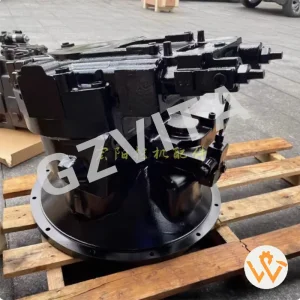
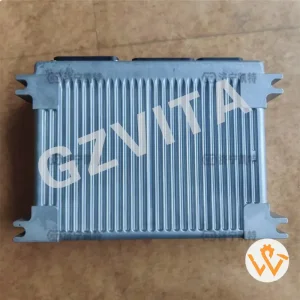
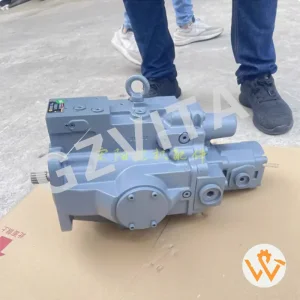
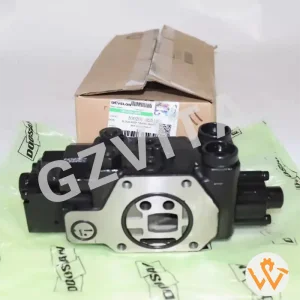
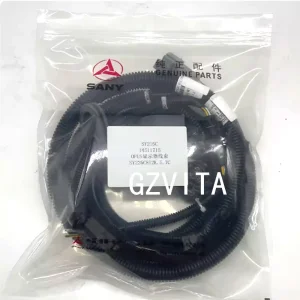
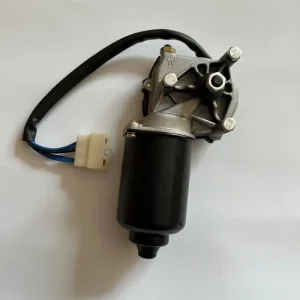
Explore our extended range of hydraulic pumps, control valves, control panels, and engine components.
 Vita Construction