 Vita Construction



1 / 3
The cab monitor typically features a digital display that presents vital information about the excavator’s performance, status, and operational parameters. This can include data such as engine RPM, hydraulic pressure, fuel levels, and temperature readings.
Many cab monitors integrate control functions that allow operators to adjust settings related to the hydraulic system, engine performance, and other machine parameters. This can enhance efficiency and optimize performance based on the specific task at hand.
The monitor often includes diagnostic features that can alert operators to potential issues or malfunctions within the excavator. This can help in early detection of problems, allowing for timely maintenance and reducing downtime.
Modern cab monitors are designed to be user-friendly, with intuitive navigation and clear graphics. This helps operators quickly access the information they need and make informed decisions while operating the machine.
The cab monitor may also include safety alerts and warnings, such as notifications for low oil pressure, overheating, or other critical conditions. These alerts are crucial for maintaining safe operating conditions.
Some excavator cab monitors allow for customization, enabling operators to set preferences for the information displayed or the layout of the interface. This can enhance comfort and usability for different operators.
The cab monitor can be integrated with other systems within the excavator, such as GPS and telematics, providing additional functionality like tracking machine location, usage statistics, and performance analytics.
The excavator cab monitor is a vital tool that enhances the operator’s ability to control and monitor the machine effectively. By providing real-time data, diagnostic capabilities, and user-friendly controls, it plays a significant role in improving operational efficiency, safety, and overall productivity in excavation tasks.

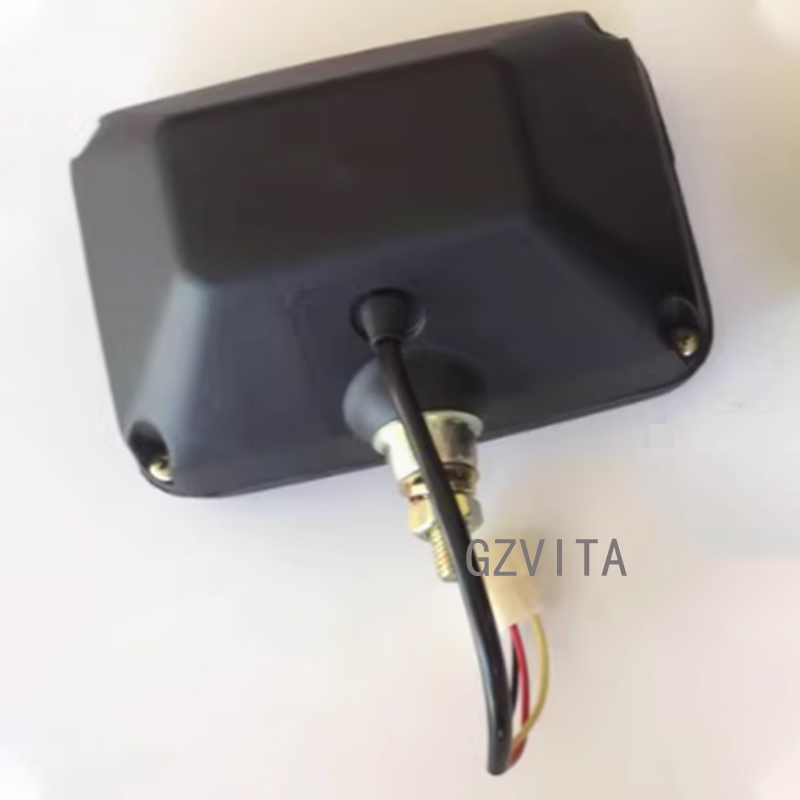
The excavator cab monitor is designed to provide real-time performance tracking and operational control. It displays critical data such as engine RPM, fuel levels, hydraulic pressure, and temperature readings to ensure the machine runs smoothly.
The monitor acts as a safety alert system, flashing warnings or sound notifications when the machine experiences low oil pressure, overheating, or any other diagnostic issues, allowing the operator to act before damage occurs.
Yes, many modern excavator cab monitors offer customization options, enabling operators to choose how the information is displayed and prioritize specific data parameters based on their working comfort.
Yes. Many cab monitors integrate seamlessly with other external systems, such as GPS tracking and telematics, which help in monitoring the machine's exact location, usage history, and performance statistics.
By running continuous diagnostics and alerting operators immediately to potential mechanical or hydraulic issues, operators can schedule timely maintenance and prevent minor issues from turning into major breakdowns.