 Vita Construction
1 / 3
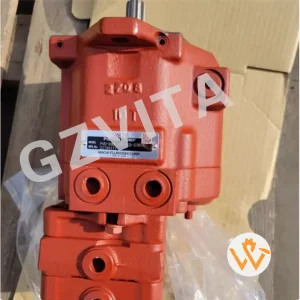
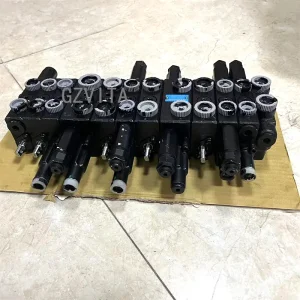
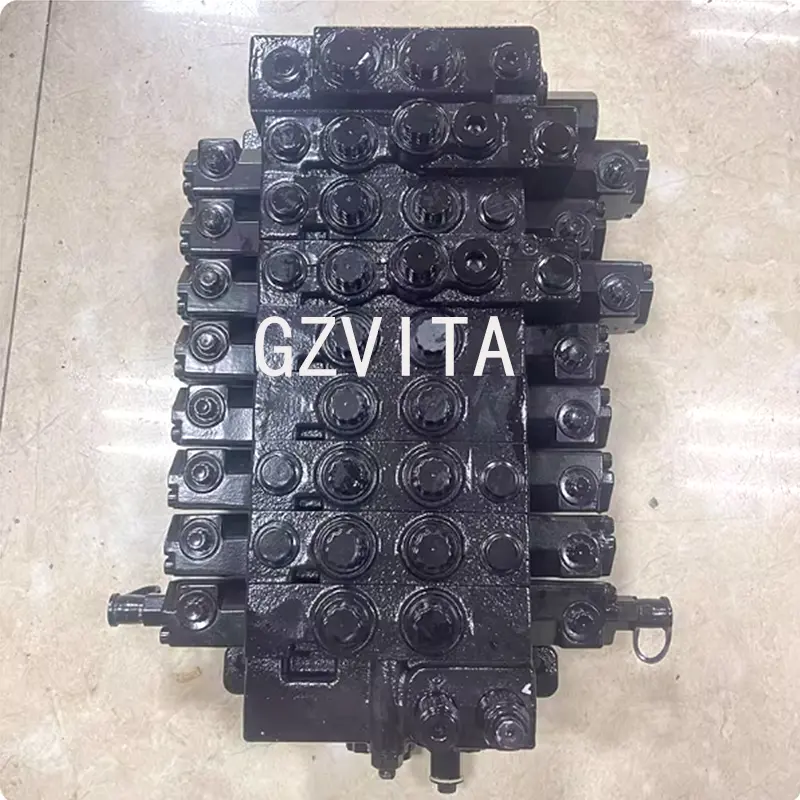
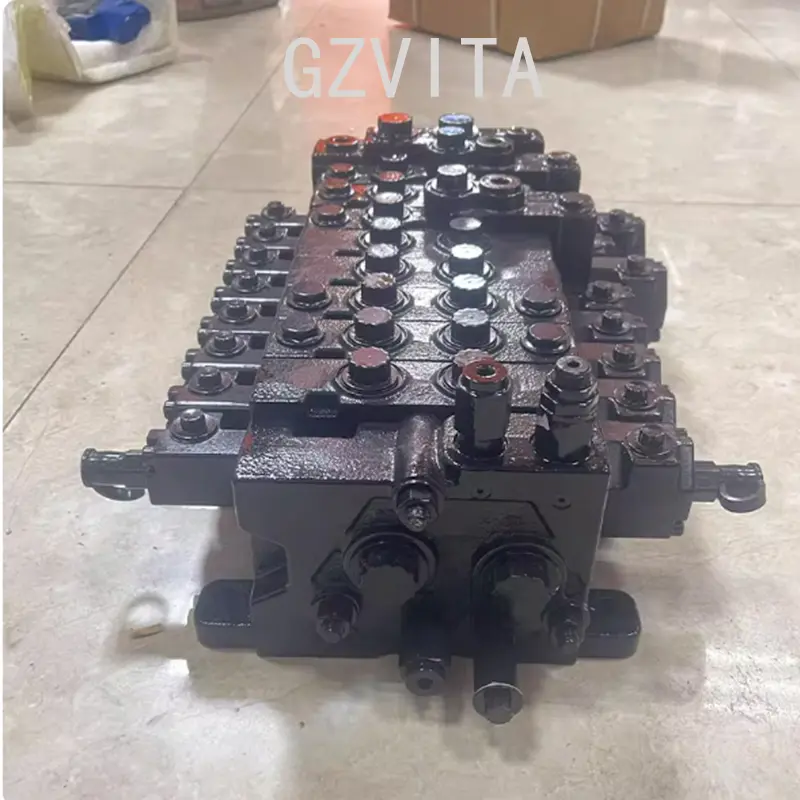
Installing a distribution valve on a 16-ton excavator requires careful attention to detail and adherence to safety protocols. Here is a step-by-step guide to help you with the installation process.
Ensure the excavator is on a stable surface and turned off.
Engage the parking brake and remove the key from the ignition.
Wear safety gloves and goggles to protect yourself.
Depending on the model, you may need to remove covers or panels to access the distribution valve. Use the appropriate tools to do this carefully.
Before removing the old distribution valve, carefully disconnect the hydraulic lines connected to it. Use a rag to catch any hydraulic fluid that may leak out.
Label the lines if necessary to ensure correct reinstallation.
Unscrew and remove the bolts or fasteners holding the old distribution valve in place. Keep these fasteners, as you will need them for the new valve.
Carefully lift the old valve out of its mounting position.
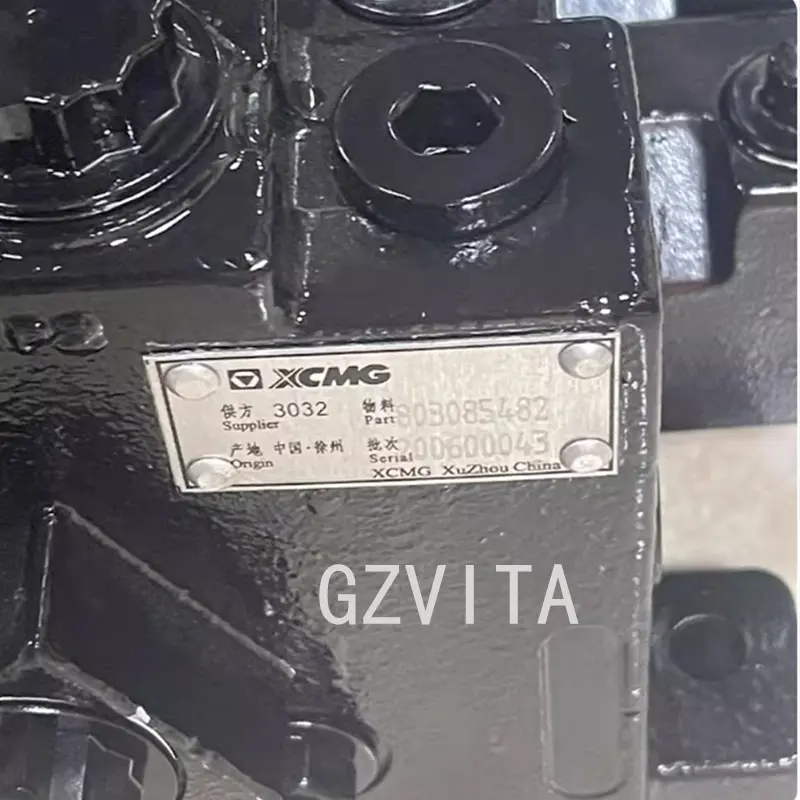
Compare the new distribution valve with the old one to ensure they are identical in size and configuration.
If necessary, apply a small amount of hydraulic sealant to the threads of the new valve to prevent leaks.
Position the new distribution valve in place and secure it with the original bolts or fasteners. Tighten them to the manufacturer's specified torque settings using a torque wrench.
Reconnect the hydraulic lines to the new distribution valve, ensuring that they are connected to the correct ports as labeled earlier.
Tighten the fittings securely to prevent leaks.
Before starting the excavator, double-check all connections and fittings to ensure they are tight and secure.
If you lost any hydraulic fluid during the process, refill the hydraulic reservoir to the appropriate level.
Start the excavator and allow it to run for a few minutes. Operate the hydraulic functions to ensure everything is working correctly.
Check for any leaks around the distribution valve and connections.
If you removed any covers or panels to access the distribution valve, reattach them securely.
After installation, monitor the excavator during its first few hours of operation to ensure everything is functioning properly and there are no leaks.
If you encounter any issues or are unsure about any step, consult the excavator service manual or contact a professional technician for assistance.
A1: Always park the excavator on a stable surface, shut off the engine, engage the parking brake, and remove the key. You must also wear safety gloves and protective goggles to prevent injuries from potential hydraulic fluid spray.
A2: Labeling the hydraulic lines ensures that they are reconnected to the correct corresponding ports on the new distribution valve, preventing system malfunctions or damage caused by incorrect routing.
A3: Yes, if necessary, you can apply a small amount of hydraulic sealant to the threads of the new valve to prevent leakage, taking care not to let sealant enter the hydraulic system itself.
A4: You should always use a torque wrench to tighten the mounting bolts and fasteners to the exact torque specification provided in the manufacturer's service manual.
A5: Start the engine and let the excavator idle for a few minutes. Carefully operate the hydraulic controls to check for smooth functionality and closely inspect the valve body and hose connections for any fluid leaks.
A6: Immediately shut down the excavator, release any residual hydraulic pressure, and check the tightness of the fittings. If leaks persist or you are unsure about the procedure, consult the excavator's service manual or contact a professional technician.