High-performance replacement components, custom hydraulic assemblies, and certified engine bearings engineered for heavy-duty machinery.
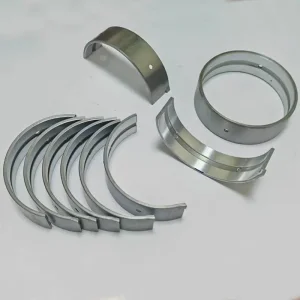
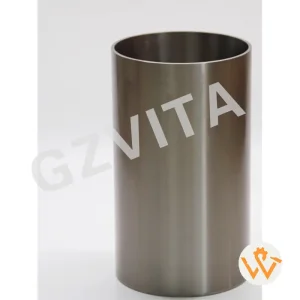
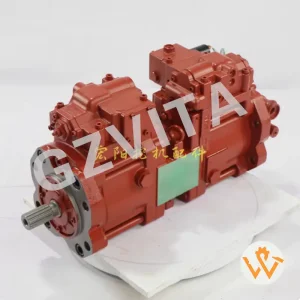
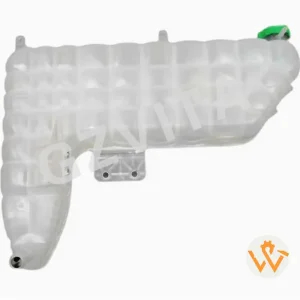
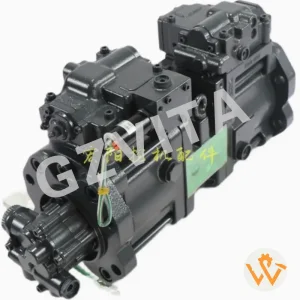
In the global heavy machinery and automotive sectors, the efficiency of reciprocating internal combustion engines is strongly linked to the performance of their sliding bearings. Connecting rod (conrod) bearings sit at the mechanical junction where massive linear combustion forces transform into rotational torque. Standard (STD) size bearings are engineered to meet strict, micron-level clearances specified by OEMs for brand-new crankshaft journals.
With rising requirements for energy efficiency, lower emissions, and increased power density, modern engines operate under higher thermal stresses and thinner hydrodynamic oil films. As a result, global demand for custom STD conrod bearings has shifted toward advanced multi-layered material designs. These configurations must provide excellent fatigue limit resistance while maintaining high levels of conformability and embeddability.
Modern conrod bearings are tested under demanding operational simulations. By matching specialized alloys with precision geometry, today's industrial bearings minimize wear during boundary-lubrication events like engine start-ups and sudden load changes.
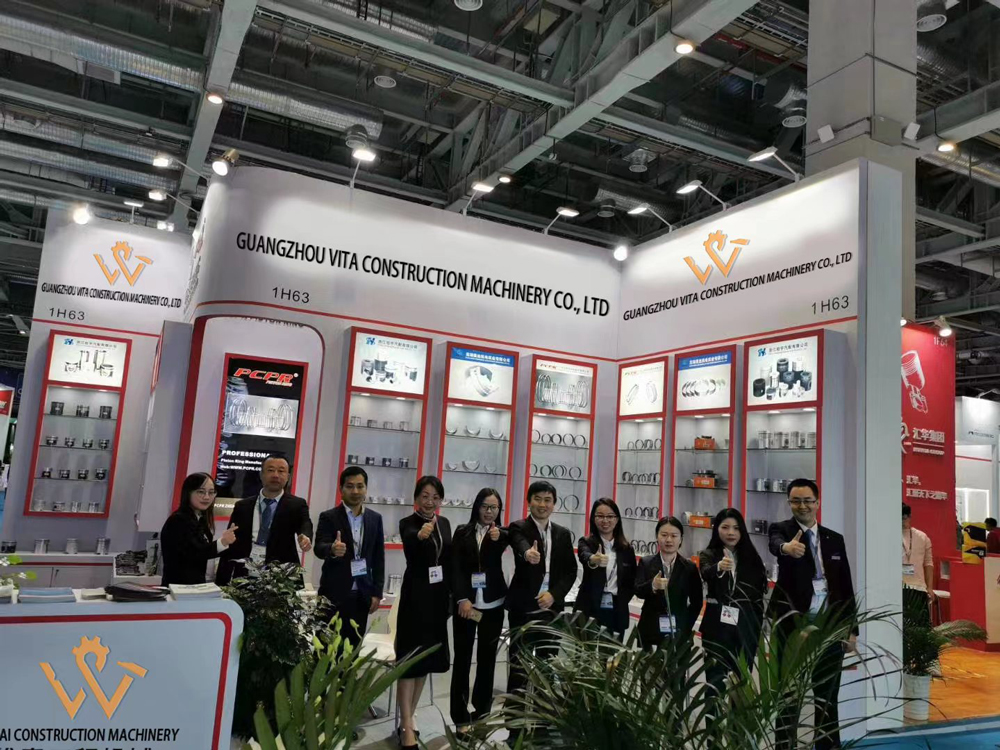
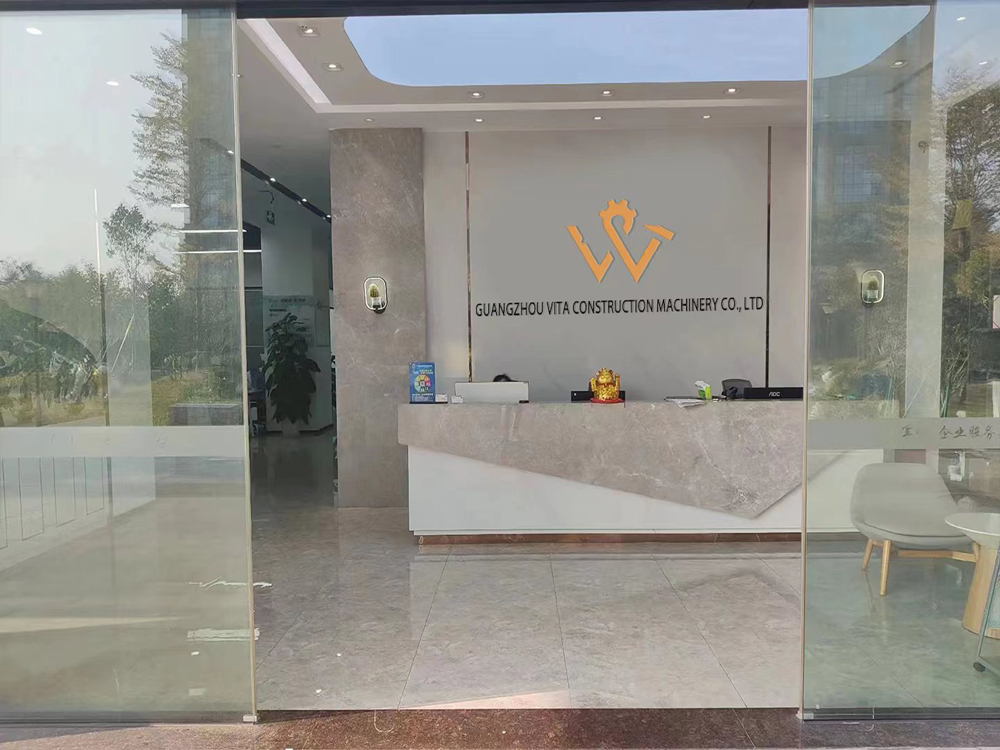
Guangzhou Vita Construction Machinery Co., Ltd. integrates manufacturing capabilities and international trade to deliver high-quality construction machinery parts globally.
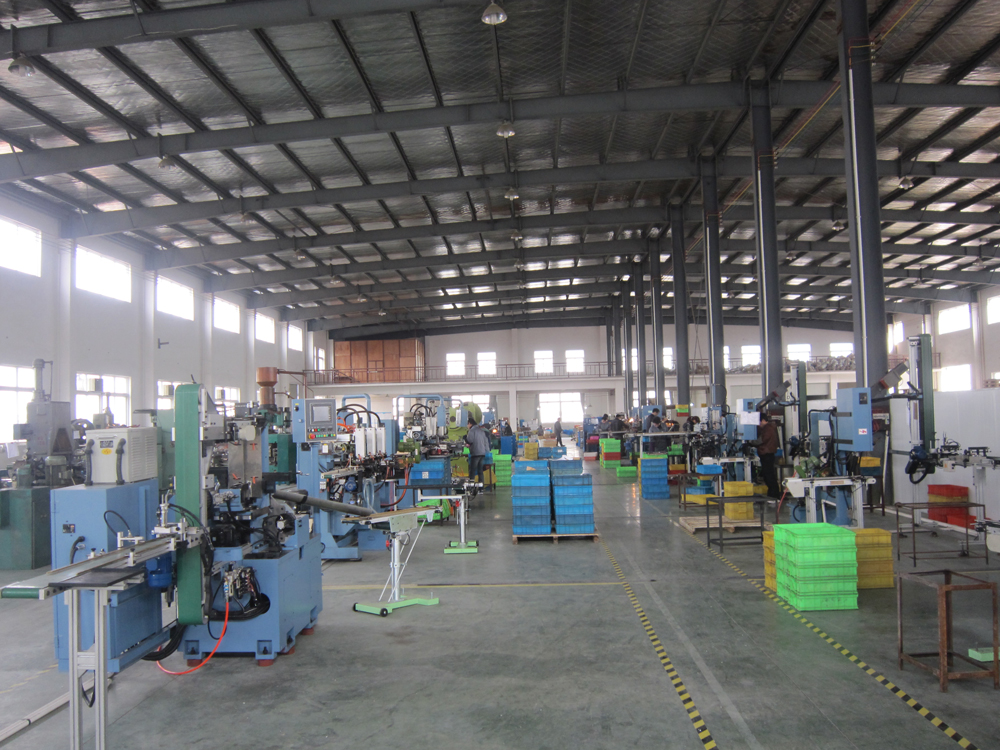
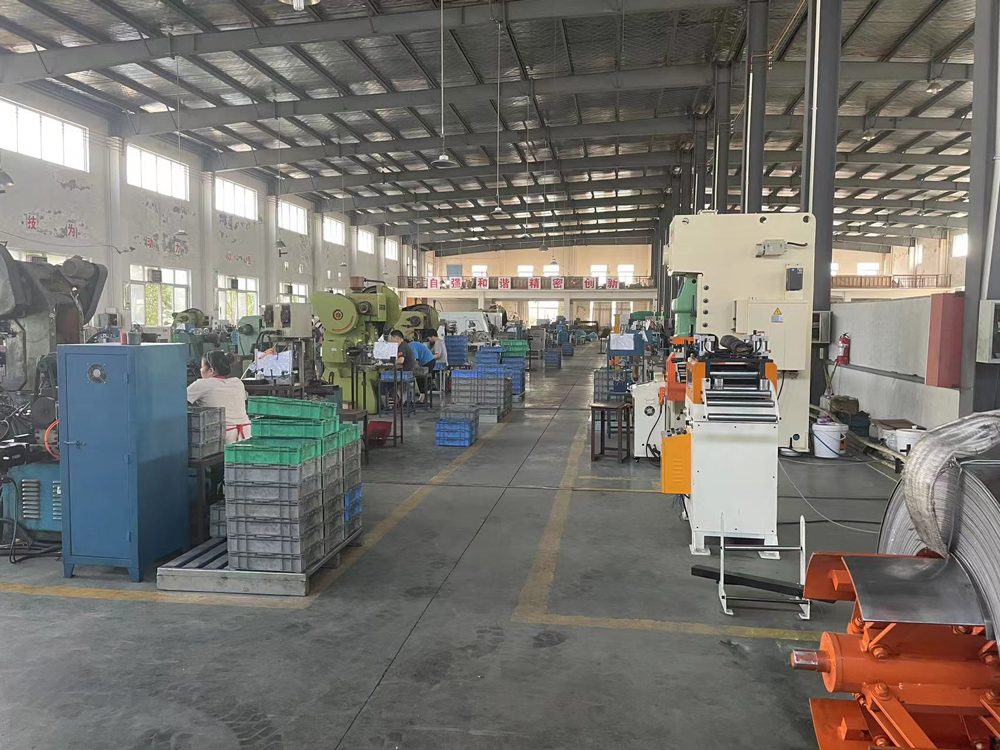
Our main factory in Hubei Province operates an 18,000+ square meter workshop equipped with modern manufacturing machinery to ensure reliable, high-volume production output.
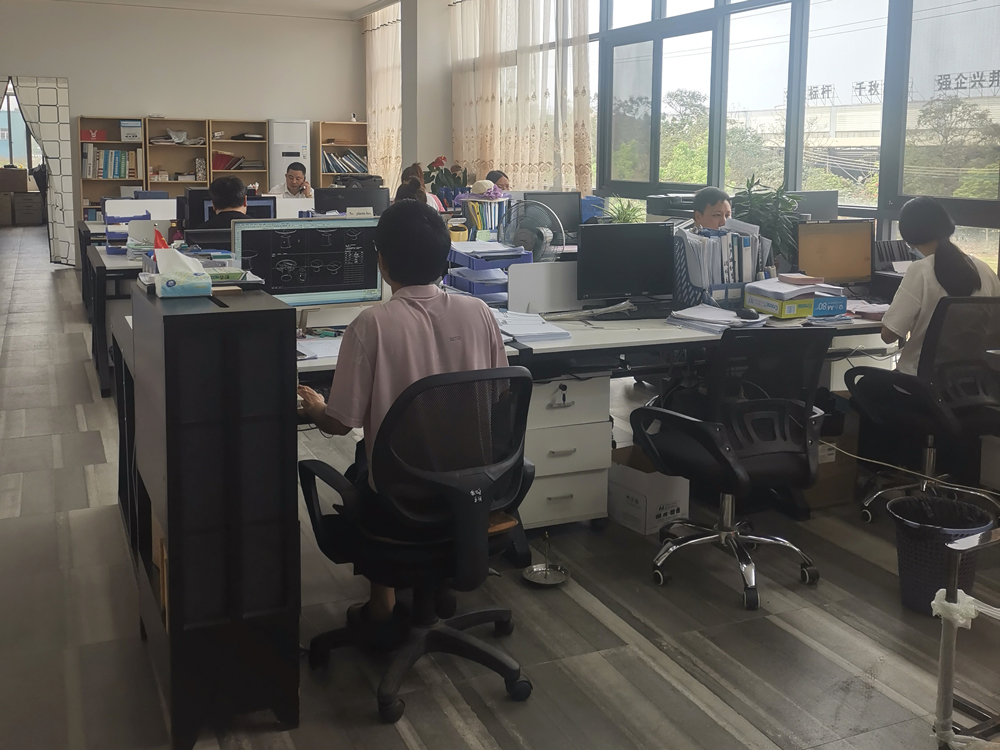
With more than 278 skilled workshop workers and a team of 8 specialized design engineers, we control the production process from material selection to final sizing.
We supply a wide range of engine assemblies, hydraulic systems, underecarriage components, and standard/undersized engine bearings compatible with leading global brands.
Understanding the material layering, wear dynamics, and structural layout of heavy-duty connecting rod bearings.
Tri-metal bearings feature three distinct layers and are engineered for high-load applications like commercial diesel engines and heavy earthmovers.
Bi-metal bearings are commonly used in light-to-medium engines where cost-effectiveness and lead-free compliance are primary considerations.
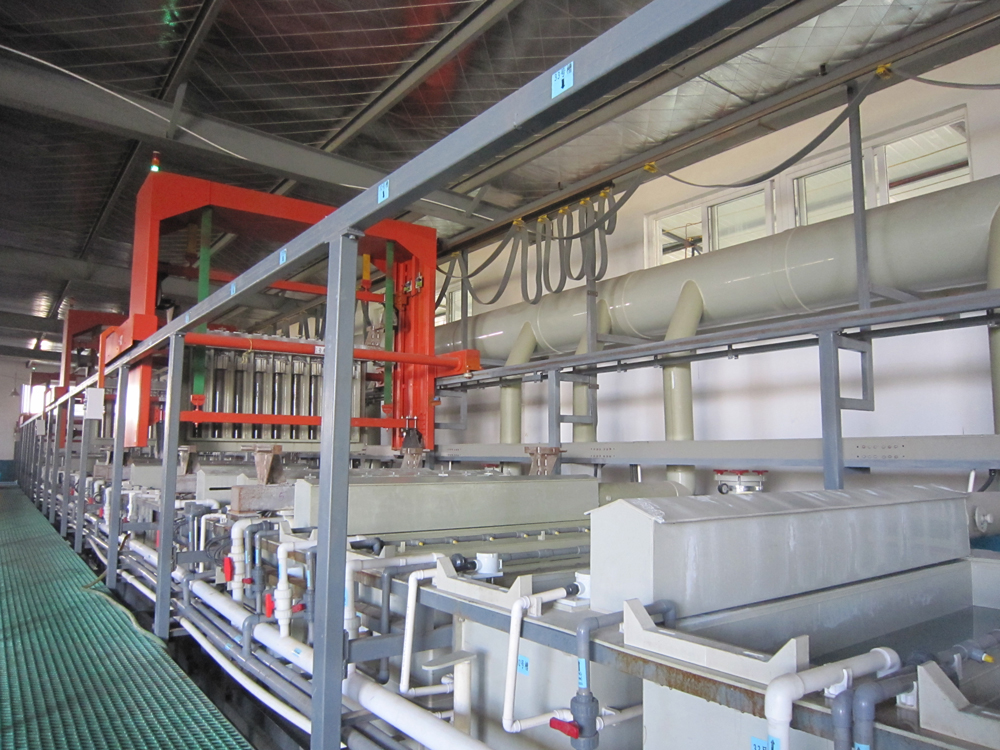
Review the production facilities and key technical advantages that support the quality of our components.
In modern construction applications, machinery reliability is essential to project timelines. We maintain strict quality control standards to deliver parts that support consistent operational performance.
In addition to manufacturing engine parts, our technical support team helps customers resolve assembly and operation challenges, assisting with engine rebuilding and clearance validation.
Our dedicated maintenance team provides troubleshooting and support, helping clients maintain operational uptime for their global machinery fleets.



How we manage international distribution, quality standards, and regional support services.
We work with distribution networks in North America, Europe, and Southeast Asia to maintain stock levels and support timely regional delivery.
Our production facilities operate in compliance with ISO 9001 and ISO/TS 16949 standards, ensuring consistency across batch productions.
We provide OEM-matching configurations, modifying oil groove geometry, oil holes, and wall thicknesses to meet specific customer requirements.
We manufacture and supply standard-size connecting rod bearings designed to fit major heavy equipment brands.
| OEM Brand | Common Engine Models | Typical Applications | Material Composition |
|---|---|---|---|
| Komatsu | 6D155, S6D155-T, SA6D155-T, 6D125 | Heavy Excavators (PC400, PC600, PC800), Crawler Dozers (D155A) | Copper-Lead Tri-metal with Electroplated Overlay |
| Caterpillar | 324D / 325D (C7, C9 Engines), 3306, 3406 | Medium-to-Heavy Excavators, Industrial Power Systems | Heavy-duty Tri-metal or SAE-19 equivalent Alloys |
| Volvo | D6D, D7D, D12D, D13 | Articulated Haulers, Wheel Loaders (L120 to L220) | High-fatigue Sputtered or Tri-metal Bearings |
| Kobelco / Hino | J05E, J08E, H07C | Excavators (SK200-6/8, SK250, SK330) | Aluminum-Tin Bimetal or high-strength Tri-metal |
| Sany / XCMG | D06, D09, Sany Heavy Excavator Platforms | Urban Excavators, Cranes, Concrete Pumps | Custom-engineered Wear Resistant Alloys |
To meet the demands of modern internal combustion engines—including hybrid configurations, start-stop cycles, and alternative fuels—bearing manufacturers continue to adapt material properties and surface coatings.
Applying resin coatings containing dry lubricants (like MoS2 or Graphite) to the bearing surface helps reduce wear during start-up periods when oil pressure is building.
PVD sputter deposition processes produce highly uniform, thin-film layers that help bearings withstand high contact pressures and temperatures.
We continue to develop lead-free bearing materials to meet changing environmental regulations, matching the fatigue life of traditional lead-based options.
Common technical questions regarding STD connecting rod bearings, design clearances, and installation procedures.
STD (Standard) bearings are designed for original crankshaft dimensions that have not undergone journal grinding. Undersize (US) bearings (e.g., 0.25mm, 0.50mm) feature a thicker wall profile to compensate for material removed from the crankpin journal during machining or reconditioning, maintaining the correct radial clearance.
Common wear factors include oil contamination (dirt or fuel dilution), lack of lubrication, incorrect bearing installation clearance, housing bore misalignment, and overloading. Understanding these causes helps operators prevent bearing failure and maintain engine service life.
High-load diesel engines often use tri-metal bearings consisting of a steel back, a copper-lead lining, and a lead-tin-copper overlay. This combination offers high fatigue resistance, load capacity, and embeddability. Aluminum-tin bimetal alloys are also used in applications requiring lead-free compliance.
Clearance is typically checked using precision micrometers and dial bore gauges to compare the crankshaft journal OD with the installed bearing ID. Alternately, a plastigage thread can be placed on the journal, the cap torqued to spec, and the flattened thread width measured against a reference scale.
Bearing crush refers to the slight protrusion of the bearing halves above the parting line when loosely fit in the housing. When the rod cap is fully torqued, this compression creates radial tension that secures the shell in place, ensuring good thermal contact and preventing rotation within the bore.
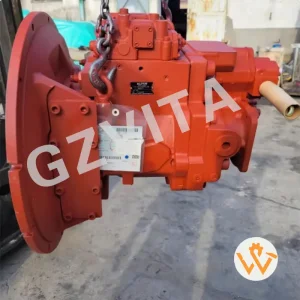
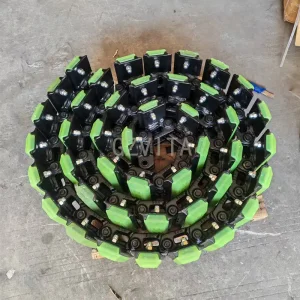
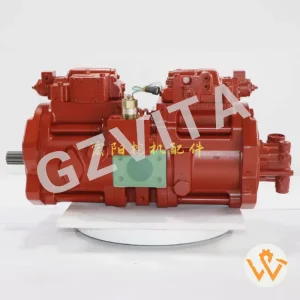
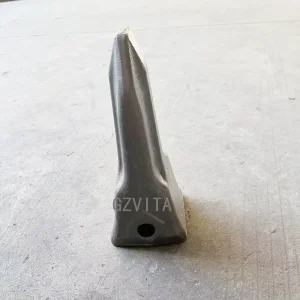
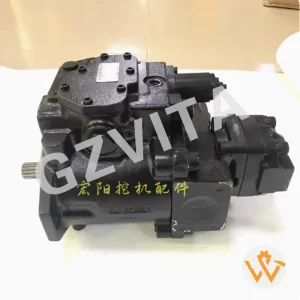
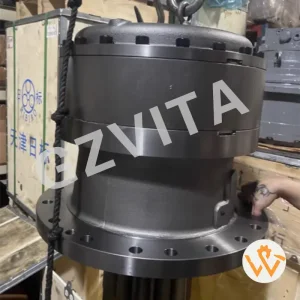
Browse our broader range of hydraulic pumps, undercarriage components, and ground engaging tools for construction equipment.
 Vita Construction