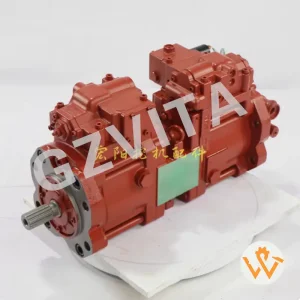
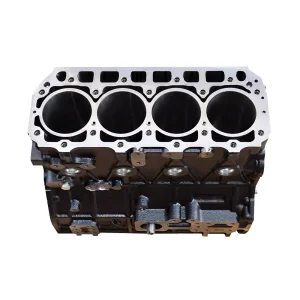
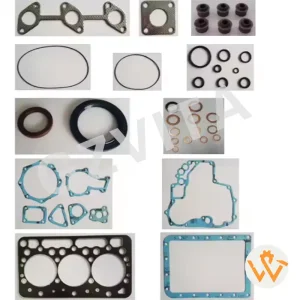
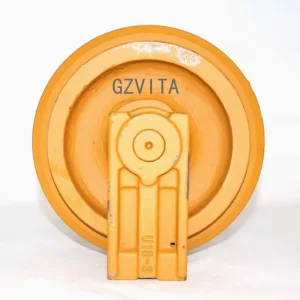
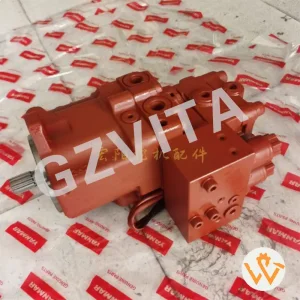
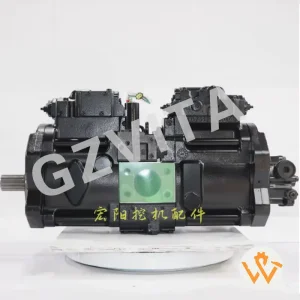
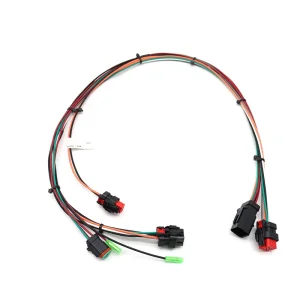
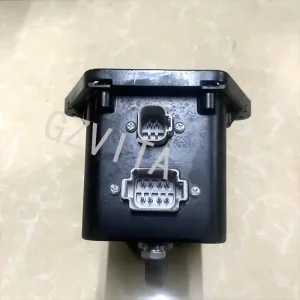
Premium OEM-grade hydraulic pumps, diesel engine rebuild components, control systems, and structural spares.
Analyzing tribological structures, mechanical properties, and lubrication performance requirements under high-load cycles.
D1146 Connecting Rod Bearings are highly engineered tri-metal or bimetal components subjected to immense fatigue and high cycle dynamic pressures within combustion engines. High-quality construction requires a copper-lead (CuPb24Sn) or copper-tin-matrix base alloy, backed by a steel sheet substrate (SAE 1010/1020) for optimal press-fit integrity.
A micro-plated electrodeposited overlay layer (typically PbSn10Cu2 or tin-lead-indium alloy) ensures conformity, anti-seizure capability, and embeddability. This configuration mitigates direct steel-on-steel contact during boundary lubrication conditions, such as engine cold-starts or low-speed, high-torque configurations.
The connecting rod bearing interface functions inside a dynamic hydrodynamic lubrication regime. In the D1146 engine design, clearance tolerances must be precisely engineered (normally ranging within 0.040mm to 0.082mm) to guarantee an uninterrupted oil film layer.
Uncontrolled variations in journal circularity, eccentric alignment, or bearing wall thickness can lead to localized load concentrations. This triggers micro-welding, scouring, cavitation damage, and eventual engine seizure. Premium manufacturers use advanced micro-honing and laser-profiling to limit thickness tolerance variances to within ±0.0025mm.
| Performance Characteristic | Tri-Metal Formulation (Premium Type) | Bi-Metal Formulation (Standard Type) | Engine Operational Benefit |
|---|---|---|---|
| Overlay Layer Material | Lead-Bronze Alloy + PVD Barrier Film | Aluminum-Tin Alloy Matrix | Reduces wear during sudden boundary lubrication states. |
| Max Dynamic Pressure | Up to 120 MPa | Up to 90 MPa | Resists deformation under high power outputs. |
| Embeddability Rating | Excellent (Pb-based overlay captures debris) | Good (Softer aluminum pocket configuration) | Prevents abrasive foreign matter from scoring the crankshaft journal. |
| Thermal Conductivity | High (~52 W/m·K) | Moderate (~45 W/m·K) | Quickly disperses thermal loads, avoiding hot-spot expansion. |
Combining heavy-industry manufacturing excellence with global supply-chain agility.
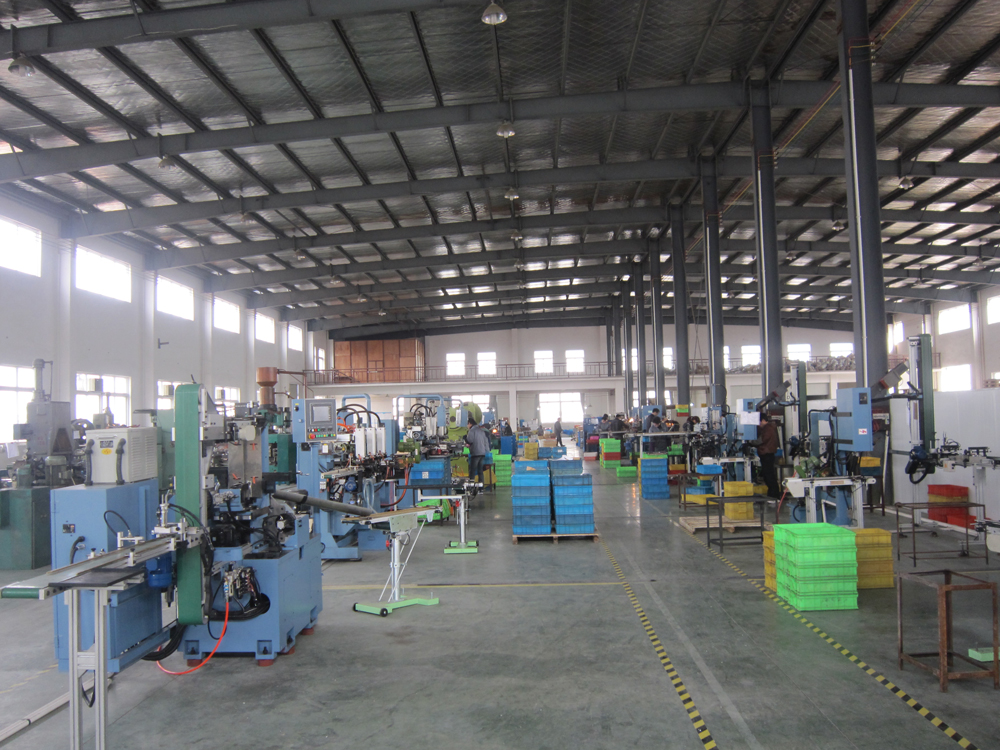
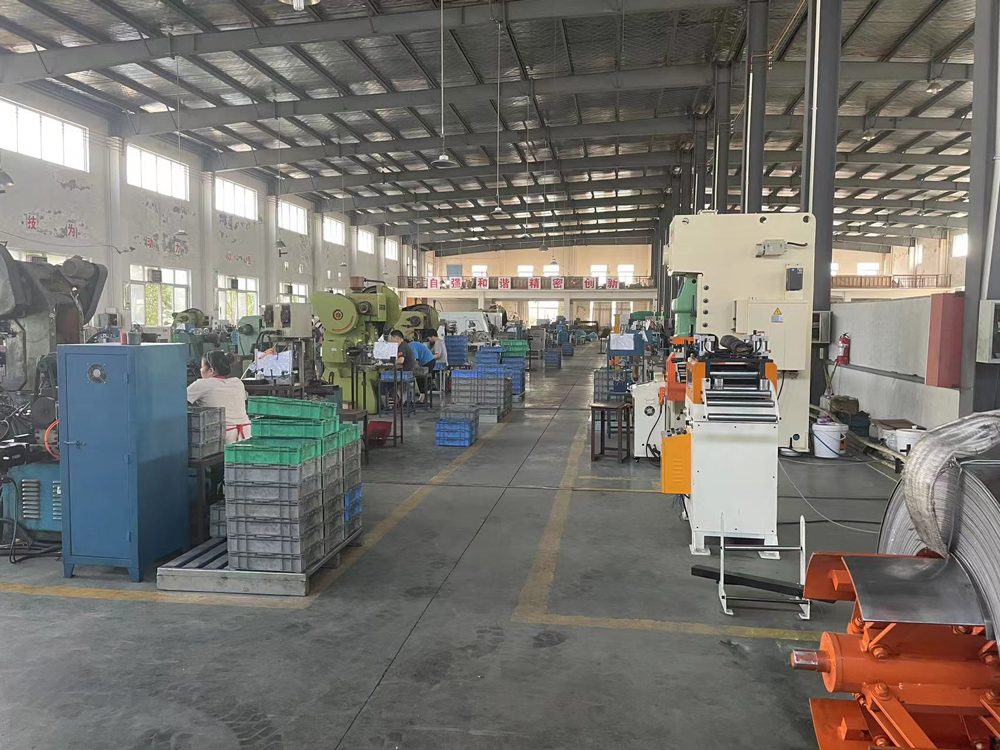
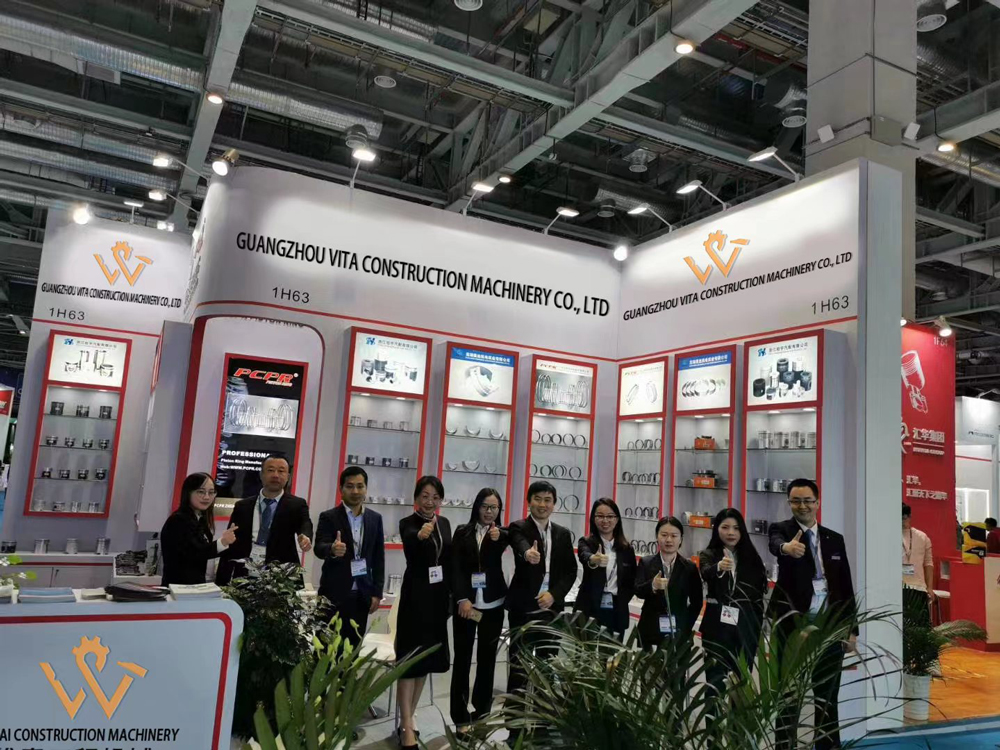
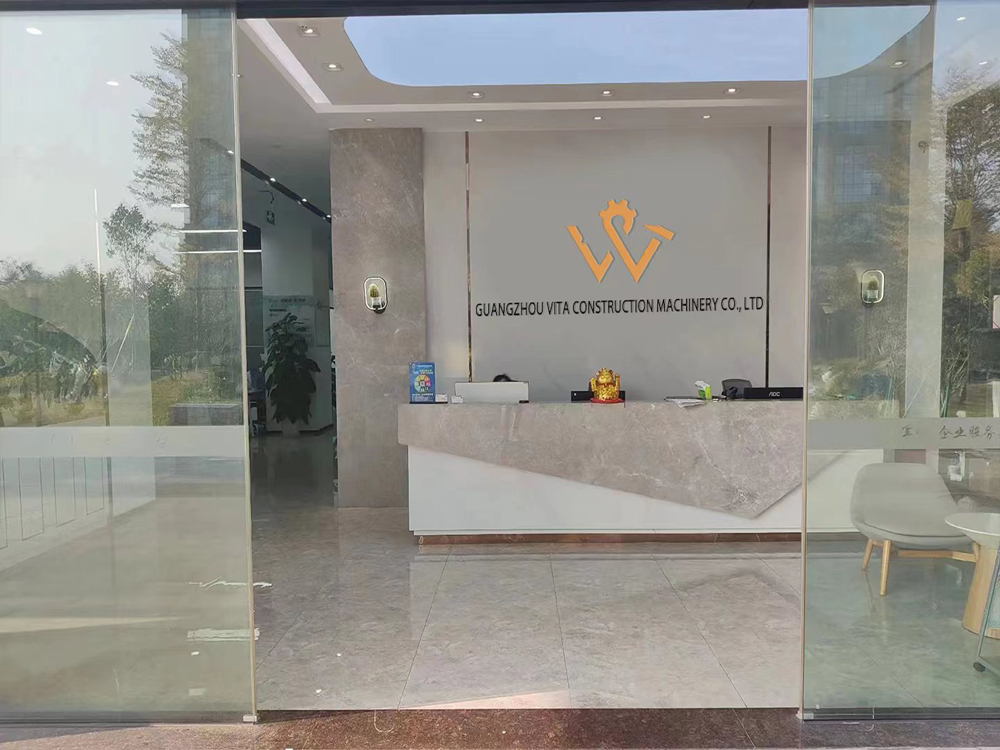
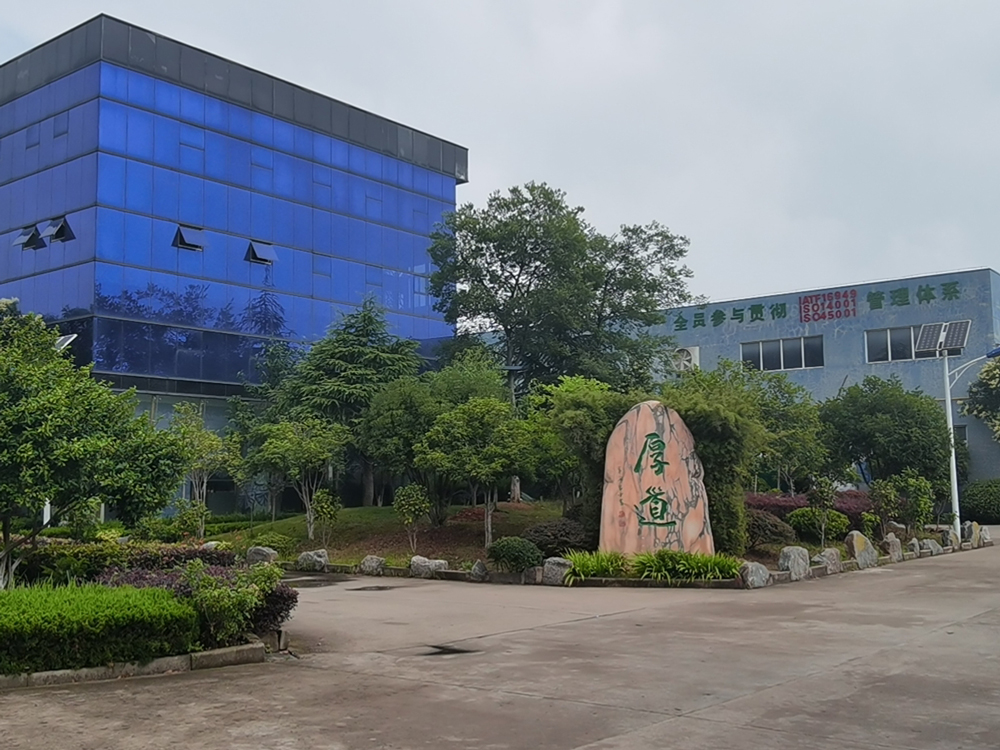
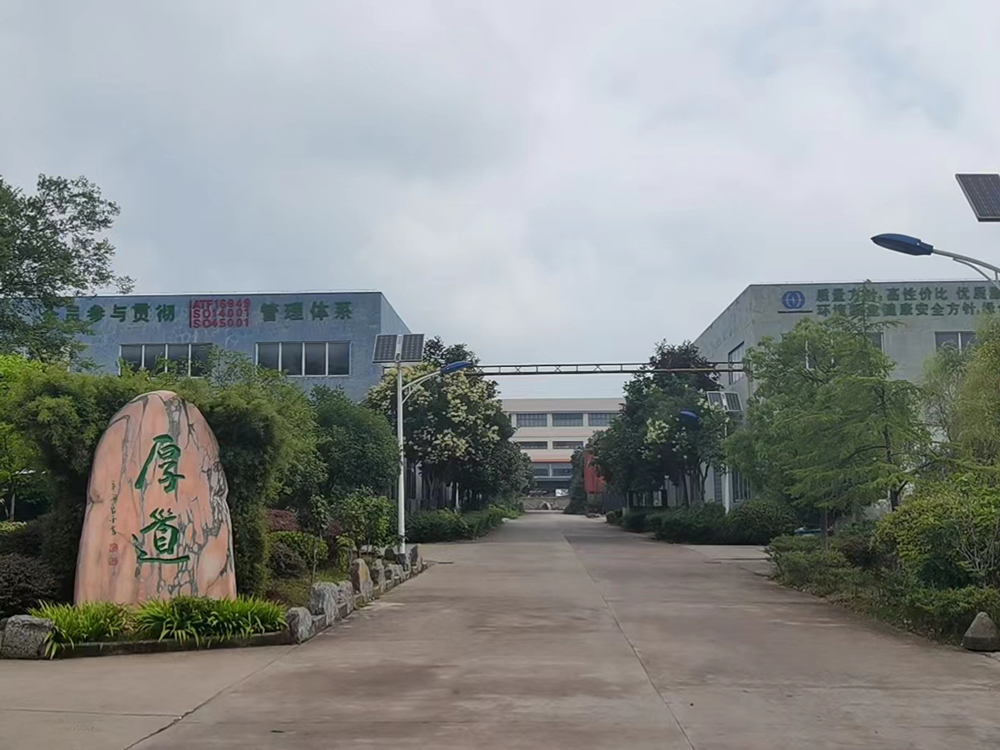
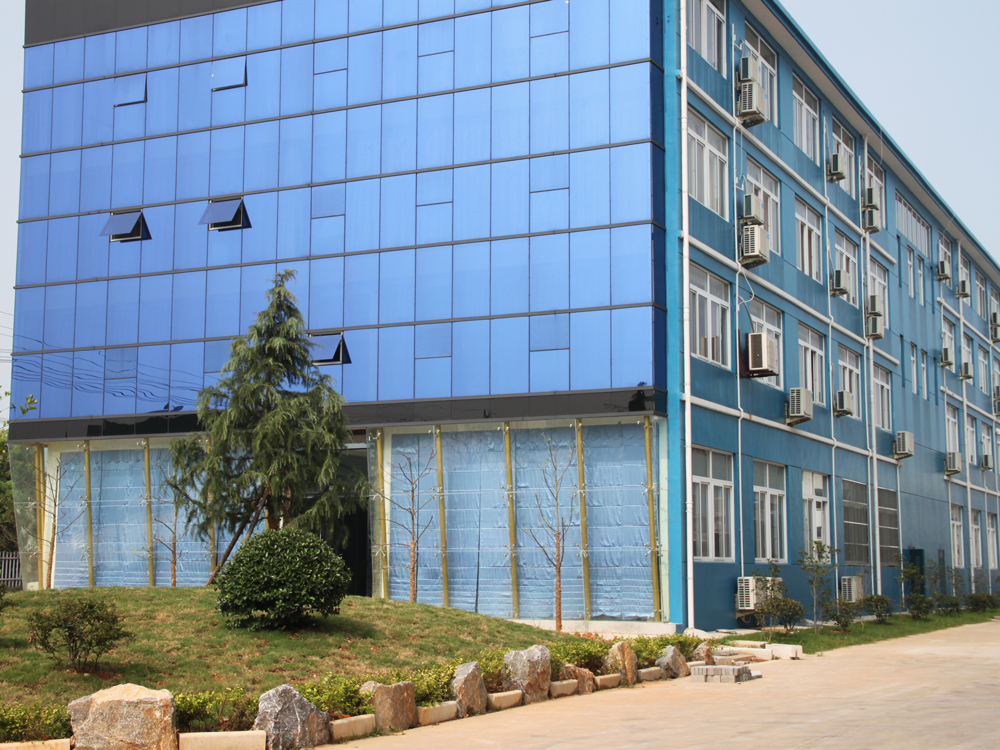
Guangzhou Vita Construction Machinery Co., Ltd. is a leading manufacturer and exporter in China. Our primary factory is situated in the industrial hub of Xiangyang City, Hubei Province. Operating over an expansive 18,000 square meter facility, we utilize state-of-the-art production machinery, backed by a workforce of 278 skilled workers and an engineering staff dedicated to R&D and strict quality assurance protocols.
We focus on developing and supplying high-durability construction machinery engine components. Our specialized portfolio includes engine assemblies, hydraulic pump units, final drives, electric generating units, and precision bearing components (including Main Bearings and Connecting Rod Bearing configurations).
Our components serve as direct aftermarket and OEM-equivalent replacements for global machinery brands, including: Komatsu, Volvo, Sumitomo, Caterpillar, Kubota, Hitachi, John Deere, Kobelco, Hyundai, Kato, Sany, XCMG, and SUNWARD. By bridging raw materials procurement with in-house processing, we optimize cost and lead times for heavy industries.
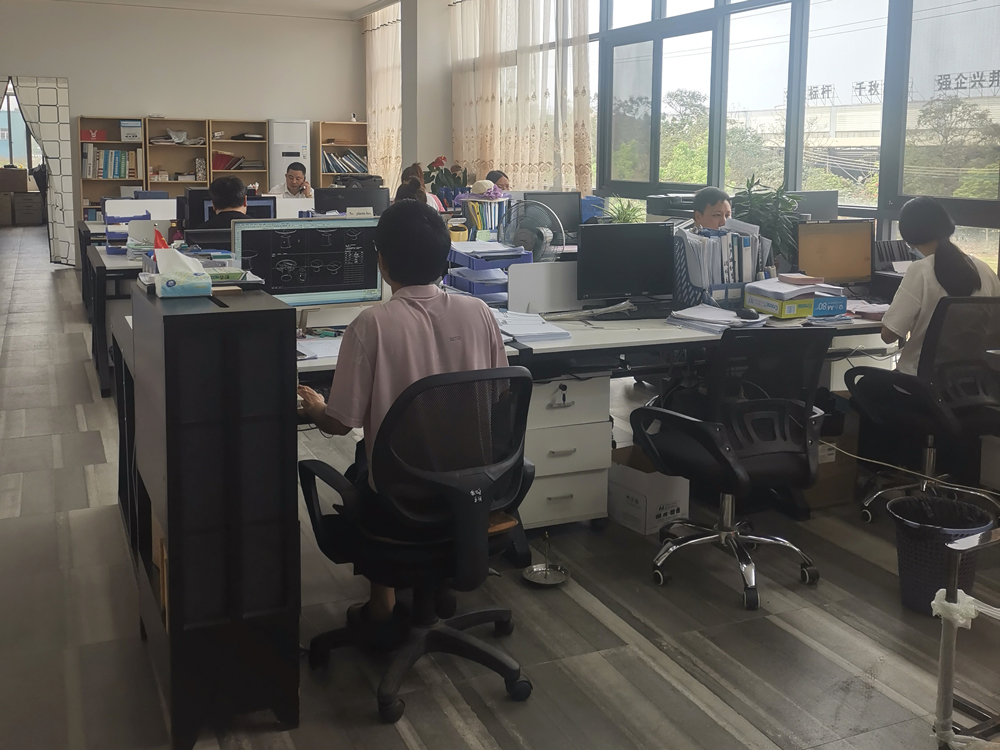
Three pillars supporting the longevity and operational excellence of our mechanical components.
We supply top-tier heavy machinery components to keep customer equipment running reliably. In fast-paced construction sectors, part failures cause expensive downtime. Our components undergo multi-phase inspection steps, including non-destructive testing (NDT) to identify micro-fractures before delivery.
Beyond supplying assemblies, our engineering group assists buyers in troubleshooting operational and installation challenges. Through our engine diagnostics team, clients receive engineering guidance on clearances, torque sequences, and alignment parameters.
We maintain a dedicated engine service department. Upon client request, we can deploy engineers internationally to assist with heavy machinery diesel engine overhaul projects, alignment verification, and post-installation inspection.
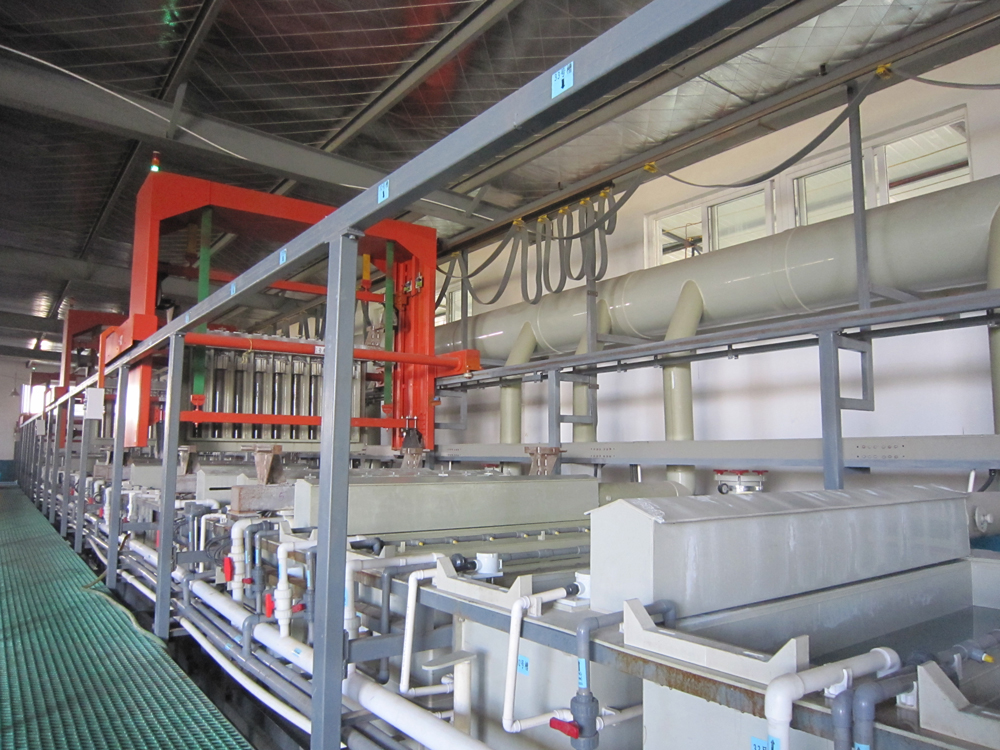
Located in Hubei's manufacturing hub, our production lines utilize high-precision CNC machinery and automated casting systems. By integrating raw material sourcing, bimetal strip sintering, stamp forming, and high-precision overlay plating in one location, we reduce transit times and maintain quality control.
Our manufacturing execution systems track raw materials from steel backing sheets to completed components. This traceability ensures that every batch of D1146 connecting rod bearings conforms to high structural standards, reducing risk for our international distribution partners.
We manage raw materials storage to buffer against global supply fluctuations. Our localized suppliers of high-grade copper alloys and steel backings help keep production schedules consistent, even during global supply tight spots.
Our automated plating baths use computerized chemical analysis to deposit structural layers with consistent thickness down to the micron level, enhancing seizure resistance under high engine loads.
Our sintering furnaces bind copper-lead alloys to steel backings at controlled temperatures, preventing metallurgical voids and micro-segregation that can lead to layer delamination.
As modern diesel engines face strict emissions rules and higher fuel pressures, engine components must withstand elevated thermal and mechanical stresses. Our development roadmap focuses on new bearing surfaces to match these design demands.
We are developing lead-free copper-based bearing substrates to meet future environmental rules without losing load capacity. Research centers on aluminum-tin-silicon alloys and advanced bismuth overlays to provide environmental safety alongside high durability.
Additionally, we are testing PVD physical vapor deposition sputtering for overlays, which deposits a highly wear-resistant tin-copper alloy. We also offer resin-bonded polymer coatings to reduce friction during dry starts, which helps lower fuel consumption and system wear.
D1146 engines power machinery across heavy sectors, including open-pit mining operations, port crane systems, and regional power generators. Our bearing products are designed to survive in environments with fine silica dust, high humidity, and varying load profiles.
For fleet operators in logistics and construction, using bearings with consistent thickness prevents eccentric crankshaft wear. This helps extend major overhaul intervals from 8,000 hours to over 12,000 hours, keeping fleet operations cost-effective.
Industrial buyers require consistency in manufacturing, compliance documents, and export logistics. We offer chemical composition certification (mill test certificates) and dimensions documentation with our shipments.
We package components for maritime transport using anti-corrosion VCI packaging and vacuum seals. This prevents rust during storage and transit through tropical shipping zones.
Our regional distribution partners receive marketing, technical, and compliance support. We ensure our bearing sizes match regional engine specifications and comply with local environmental standards.
Our customer service team is available to assist distributors with import clearance, customs classification, and regulatory documentation. This supports efficient supply chains for construction machinery repair parts.
Answers to technical questions regarding fitment, failure modes, materials, and installation of D1146 engine bearings.
Early wear is often caused by oil contamination, incorrect clearance, or oil starvation at startup. Fine particles in the oil can bypass filters and scratch the soft overlay layer. Maintaining the oil filtration system and checking clearance during installation helps reduce these risks.
Tri-metal bearings (copper-lead with a lead-tin overlay) are suited for high-load applications like mining and heavy excavation due to their load capacity and fatigue resistance. Bi-metal bearings (aluminum-tin) work well in environments where lead-free materials are required and loads are standard.
We use precision tooling and in-line laser measurement systems at our Hubei facility. Wall thickness is kept within ±0.0025mm, ensuring correct crush-fit pressure and oil clearance when installed in the connecting rod bore.
Bearing crush refers to the small amount of excess height designed into the bearing halves. When the rod cap is torqued, this crush forces the outer surface against the rod housing. This contact is necessary for heat transfer and to keep the bearing firmly in position during operation.
Yes. We supply undersize options (e.g., 0.25mm, 0.50mm, and 0.75mm) to match reground journals. We can customize dimensions for volume OEM orders based on technical drawings and material specifications.
Premium replacement parts for excavators, mini-excavators, loaders, and crawler cranes.
 Vita Construction