 Vita Construction
1 / 4
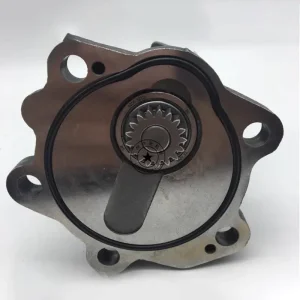
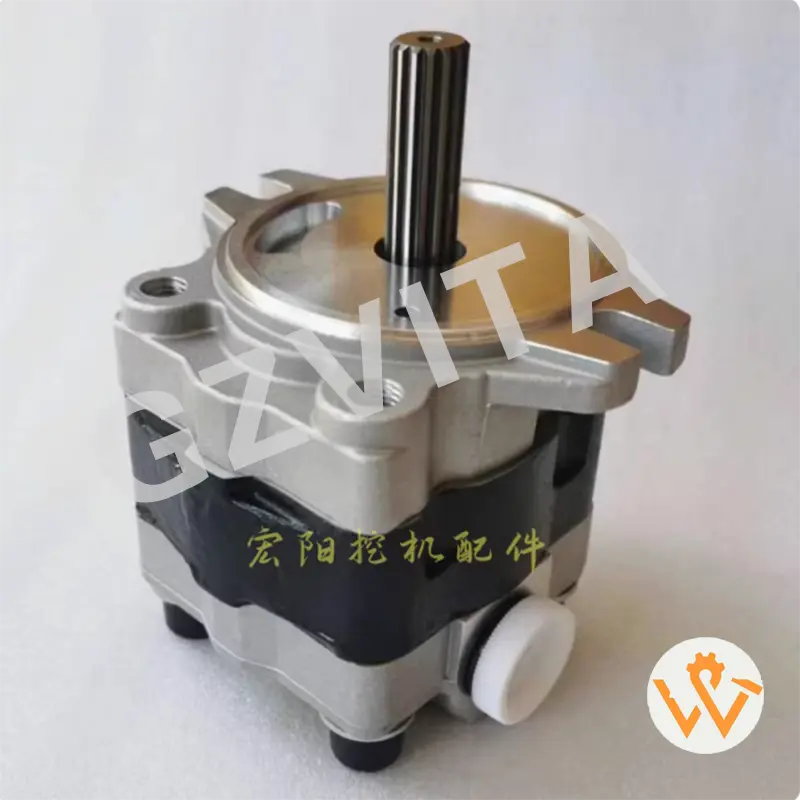
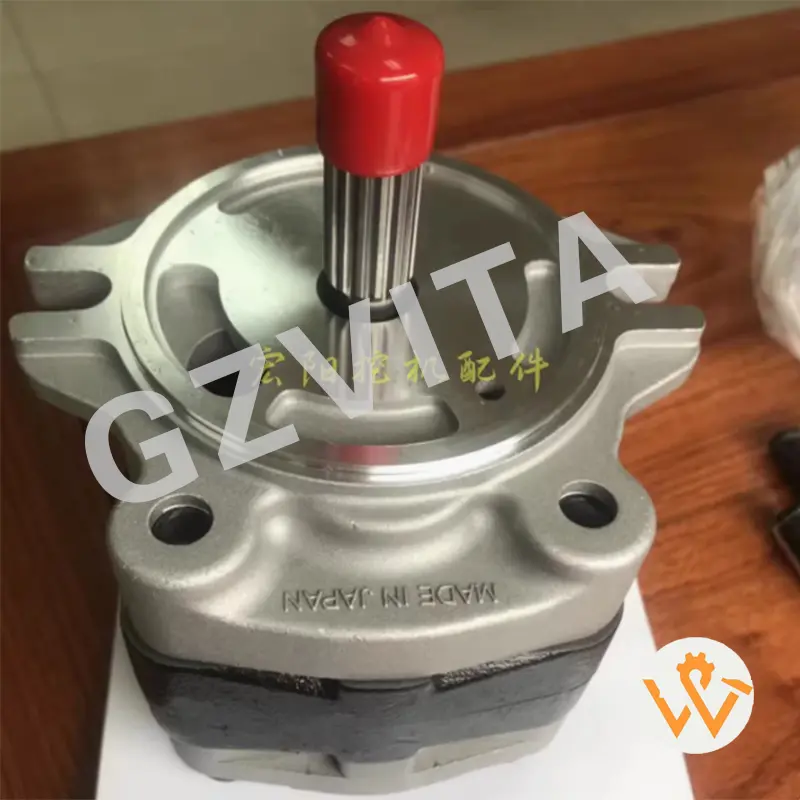
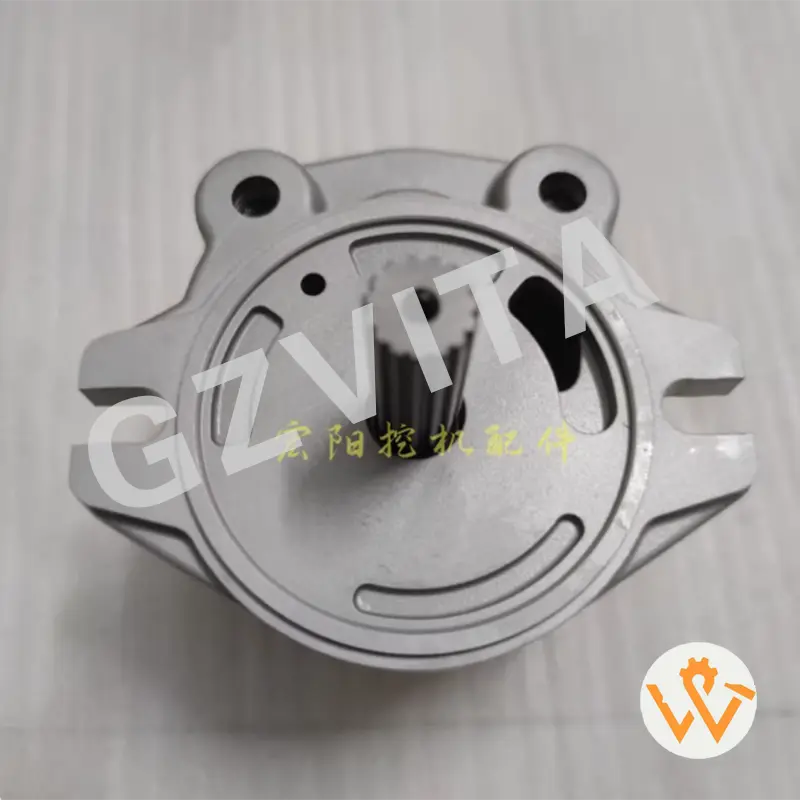
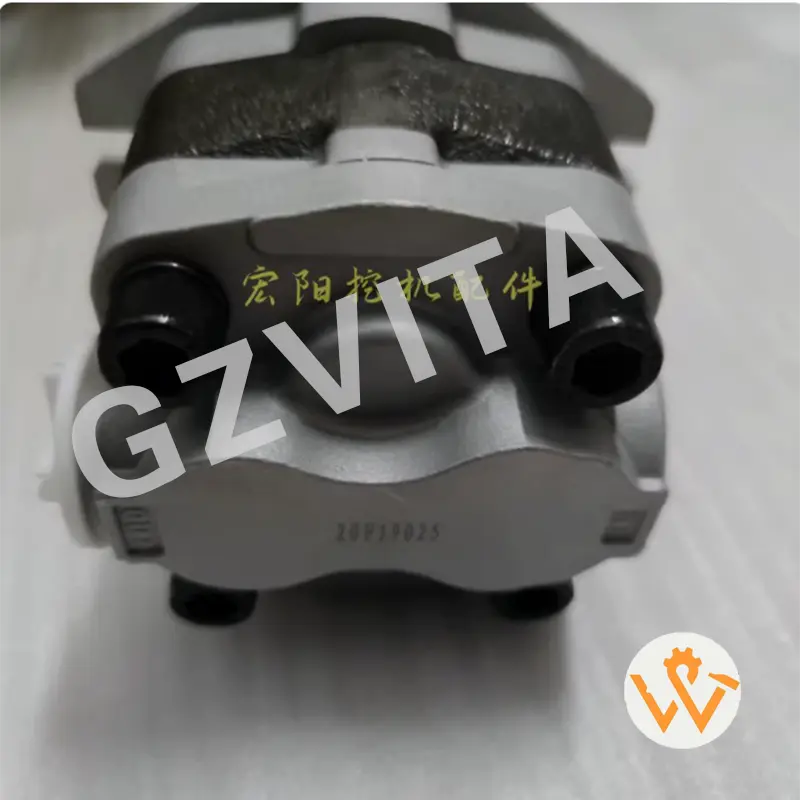
Gear pumps are essential hydraulic components used in excavators to generate hydraulic pressure for various functions, such as operating the boom, arm, and bucket. These pumps are known for their reliability, efficiency, and ability to handle high-pressure applications. Here's a detailed overview of gear pumps and their role in excavators:
A gear pump operates by using two interlocking gears to move hydraulic fluid. As the gears rotate, they create a vacuum that draws fluid into the pump and then pushes it out under pressure. This mechanism allows for a continuous flow of hydraulic fluid, which is crucial for the operation of hydraulic systems in excavators.
There are two main types of gear pumps commonly used in excavators:
Gear pumps are used in excavators for several critical functions, including:
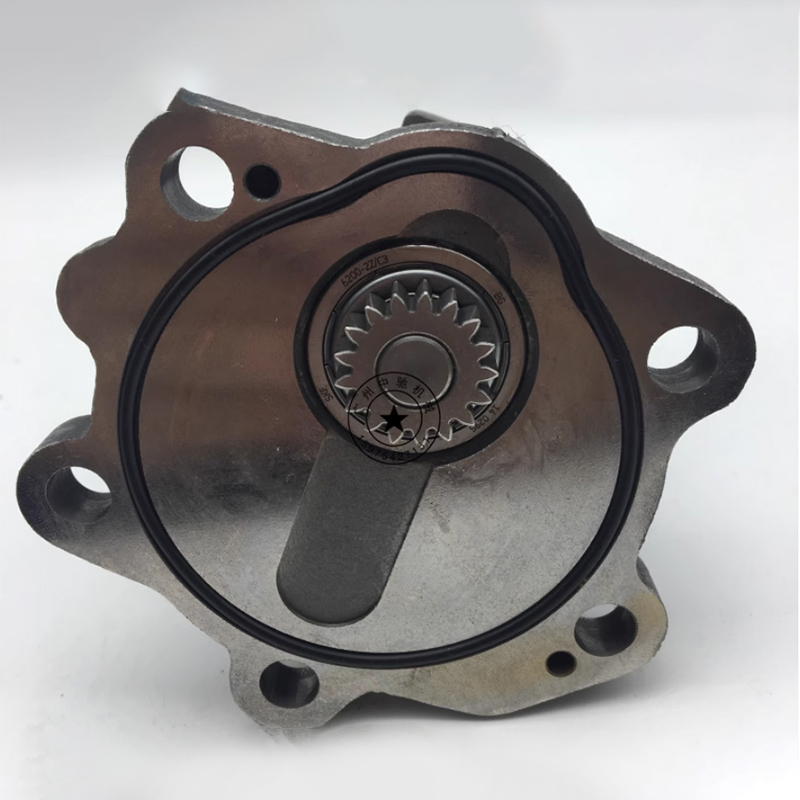
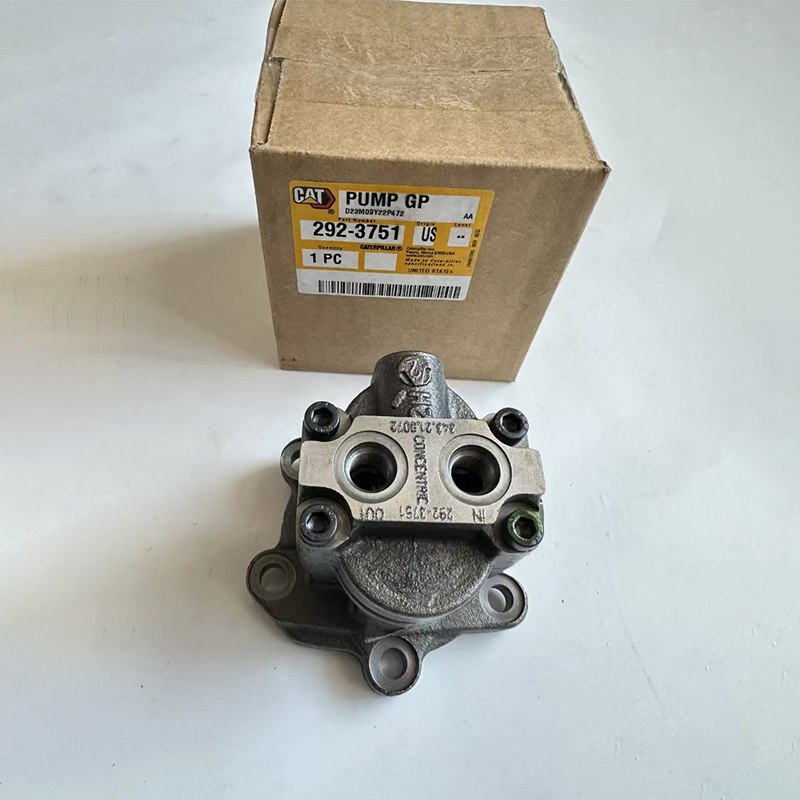
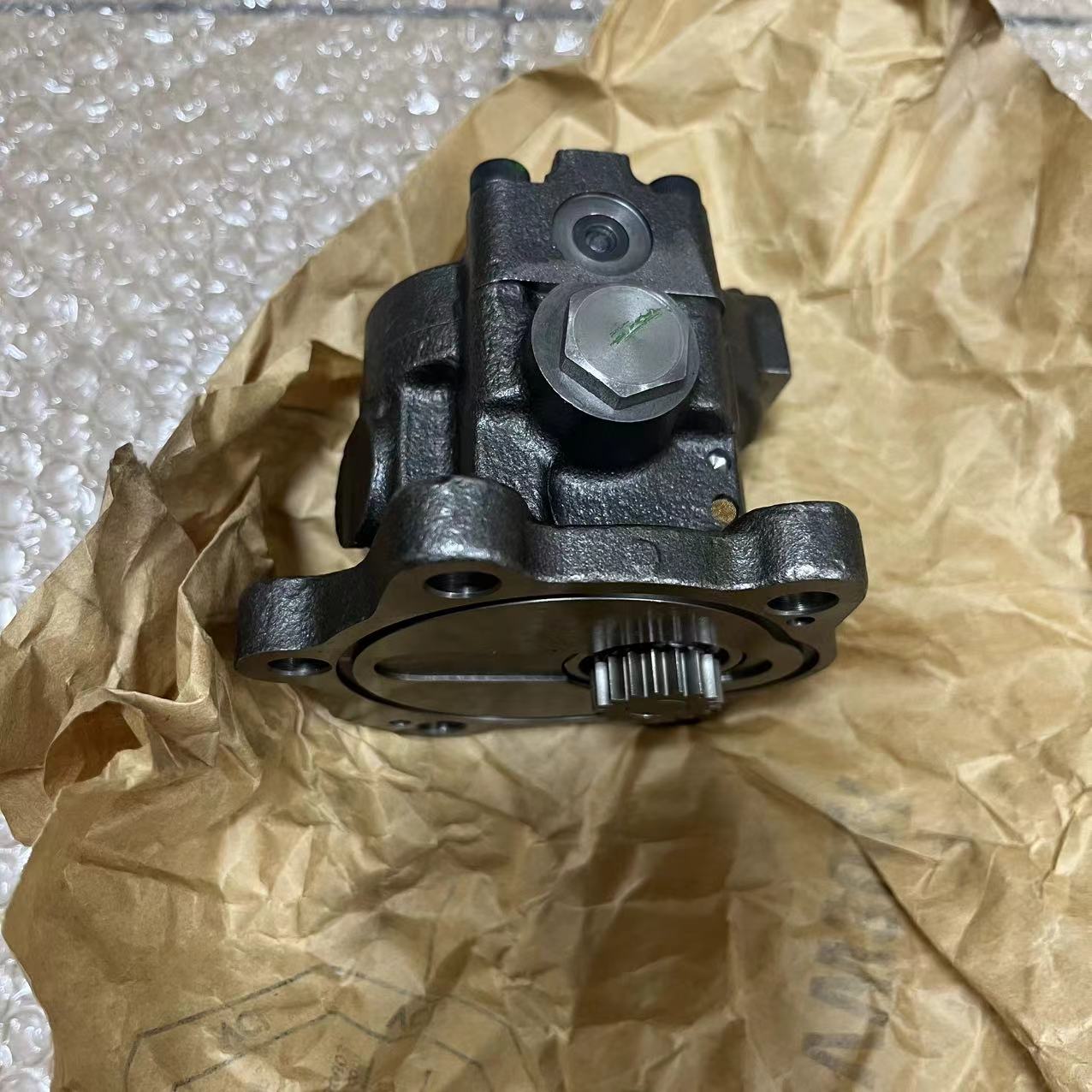
Gear pumps generate the necessary hydraulic pressure to power vital movements in an excavator, including operating the boom, arm, bucket, and swing mechanism.
External gear pumps use two parallel gears and are favored for their simple design and ease of maintenance. Internal gear pumps position one gear inside another, offering higher efficiency and quieter operation.
The rotation of the gears creates a vacuum at the inlet to draw fluid in. The fluid is then trapped between the gear teeth and pump casing, transferred to the outlet, and discharged under high pressure.
They are specifically engineered with robust materials to withstand high operating pressures and the harsh, demanding environments common to construction and excavation sites.
Gear pumps are outstanding at delivering a consistent and steady flow rate, which ensures stable and reliable hydraulic performance for heavy-duty machinery.
Yes, the compact footprint allows the pump to be easily integrated into the excavator's tightly packed hydraulic system layout without sacrificing power output.