 Vita Construction
1 / 4
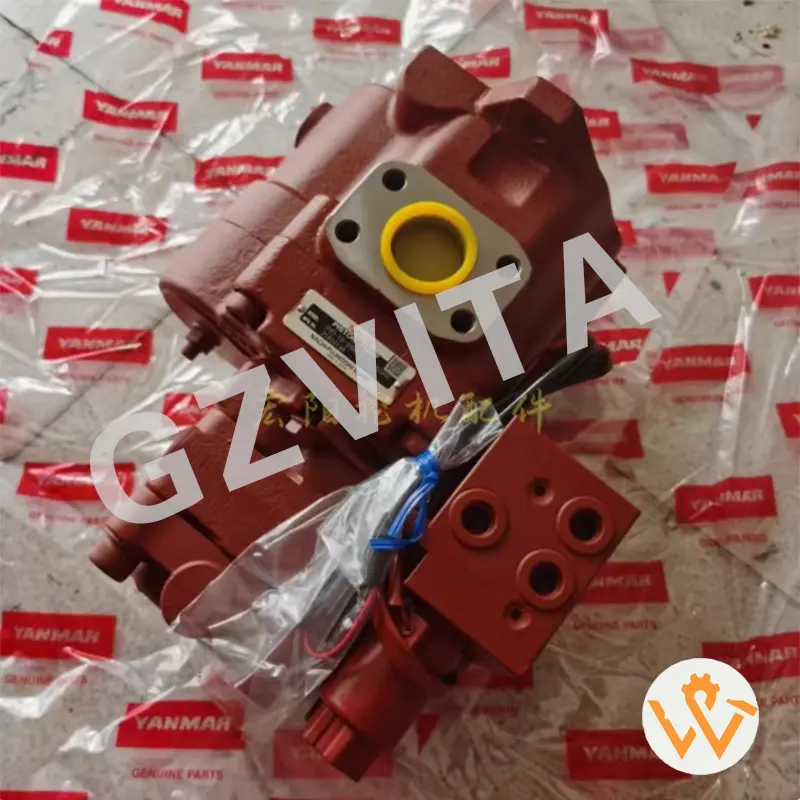
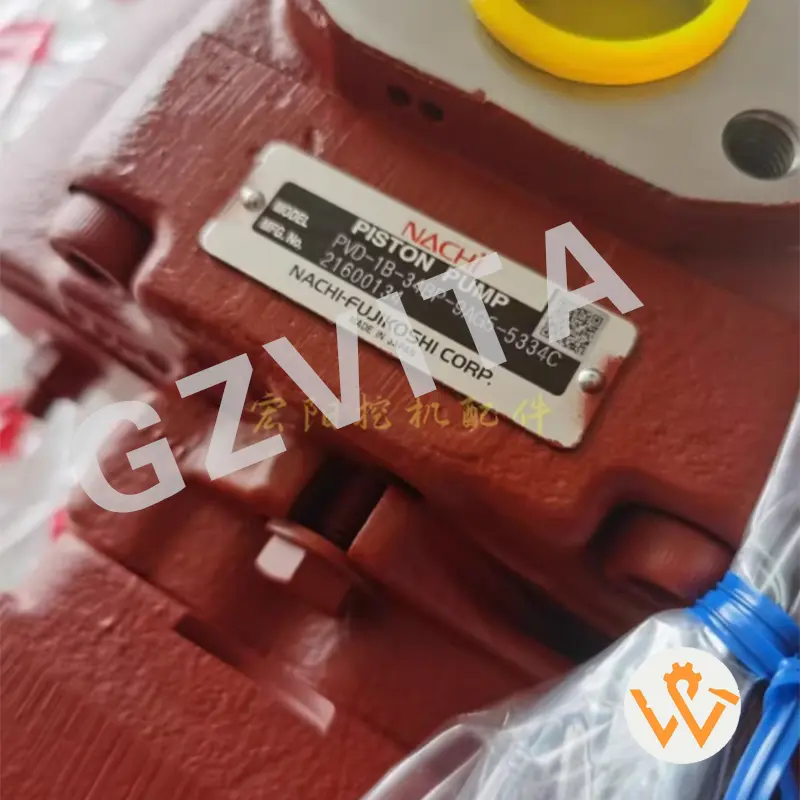
Powering Movement: The primary function of hydraulic pumps in mini excavators is to provide the necessary power to move the machine’s components. When the operator activates a control, the hydraulic pump sends pressurized fluid to the corresponding actuator, allowing for smooth and precise movements.
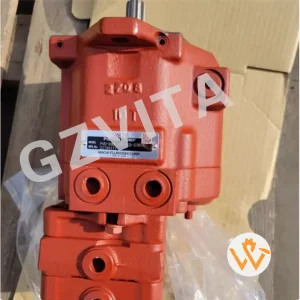
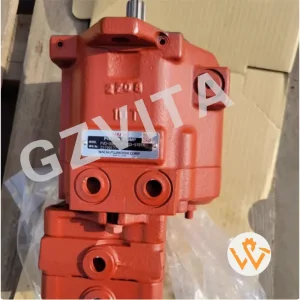
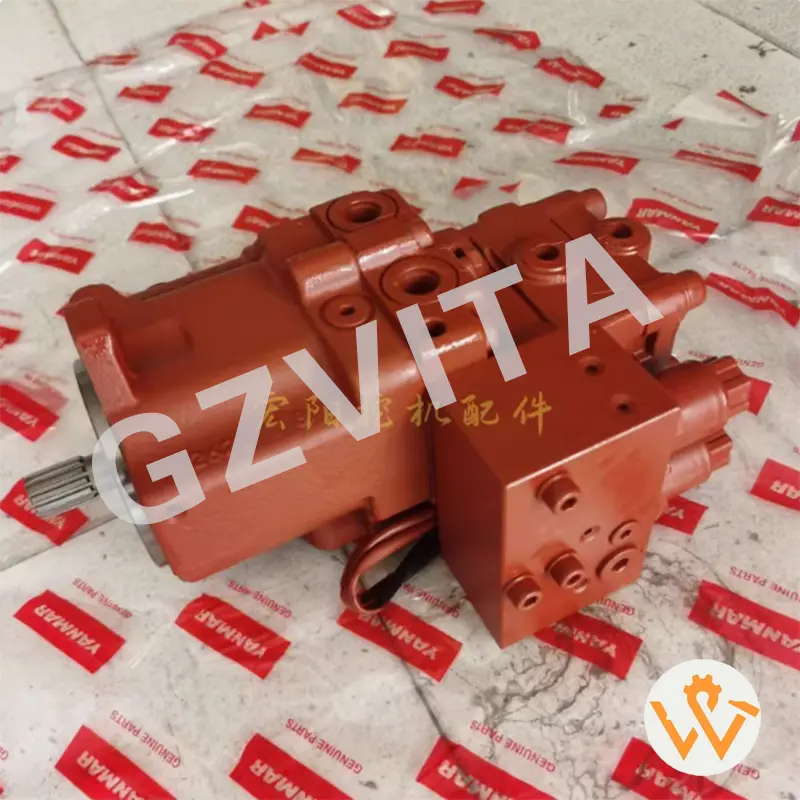
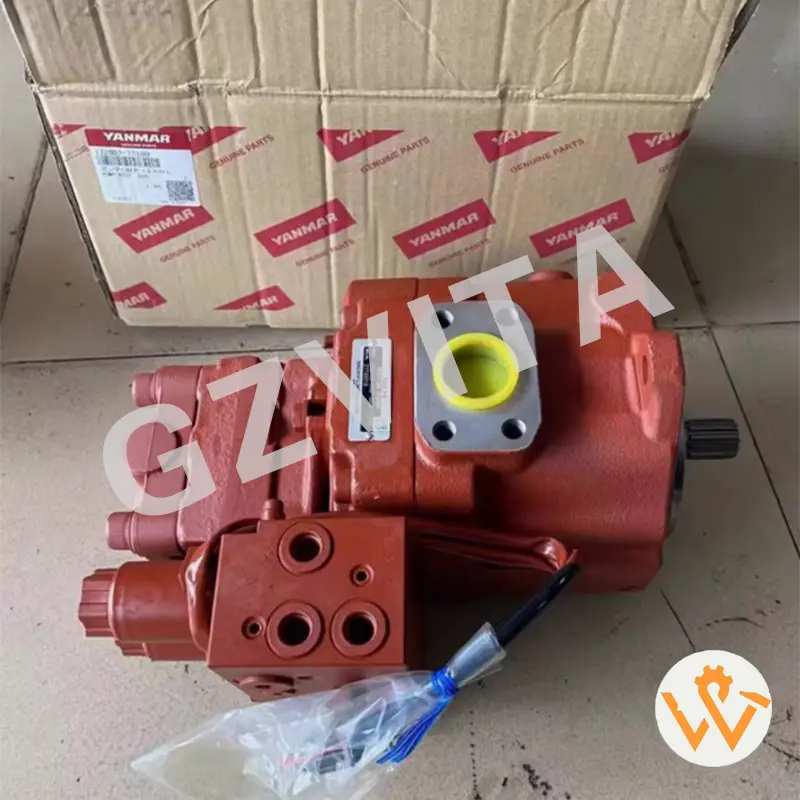
A hydraulic pump is a mechanical device that converts mechanical energy into hydraulic energy by moving fluid through the hydraulic system. In mini excavators, hydraulic pumps are responsible for generating the hydraulic pressure needed to operate various attachments and functions, such as the boom, arm, bucket, and swing mechanisms.
Hydraulic pumps are vital components of hydraulic systems, providing the necessary power to perform a wide range of tasks across various industries. Understanding the different types of hydraulic pumps and their applications can help you choose the right pump for your specific needs. Whether you are in construction, manufacturing, or any other field that relies on hydraulic systems, knowing how hydraulic pumps work will enhance your ability to maintain and optimize these essential machines.
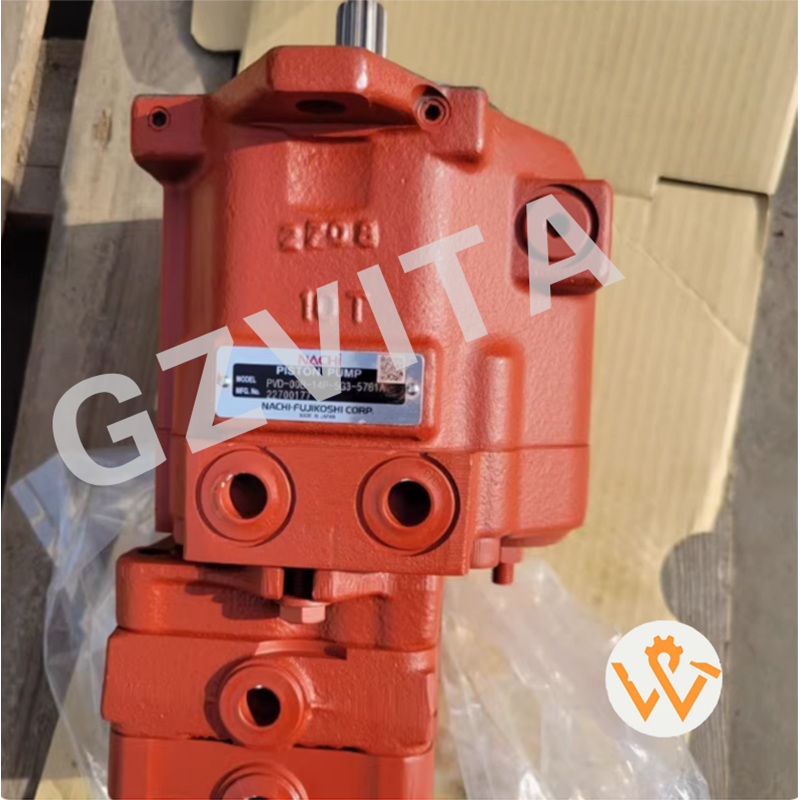
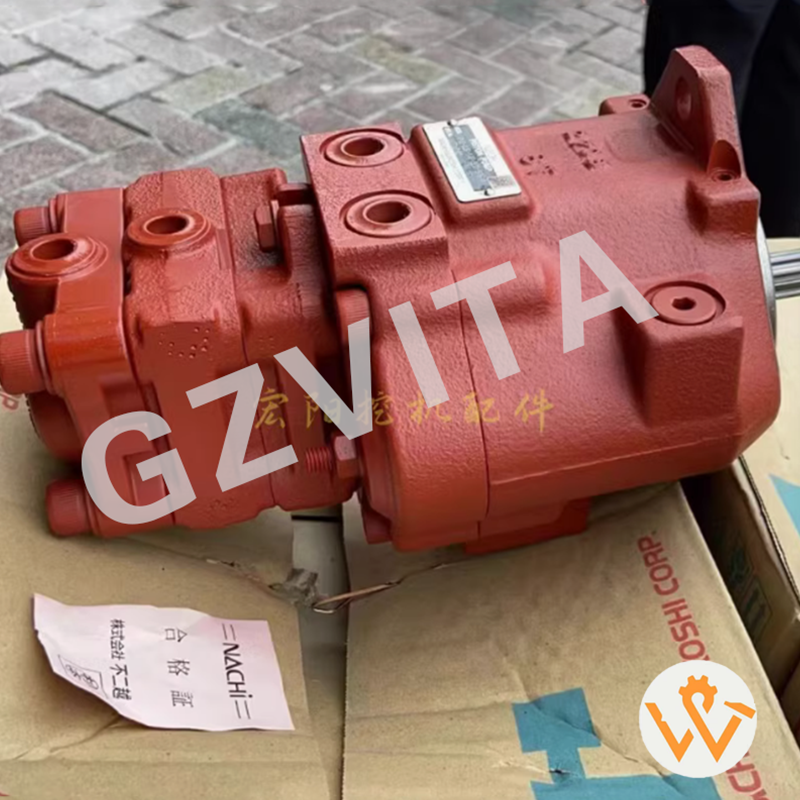
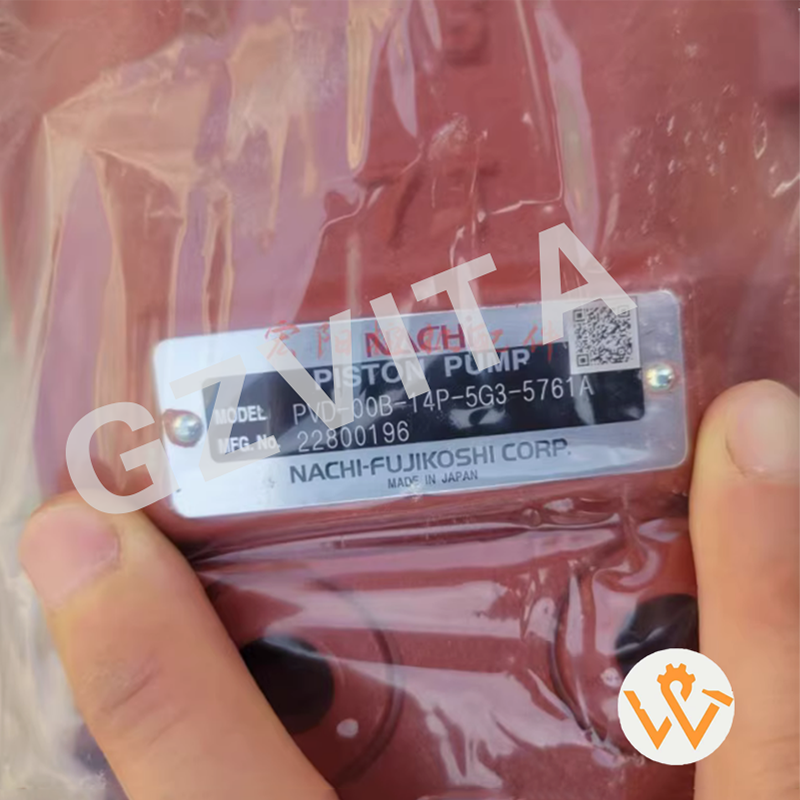
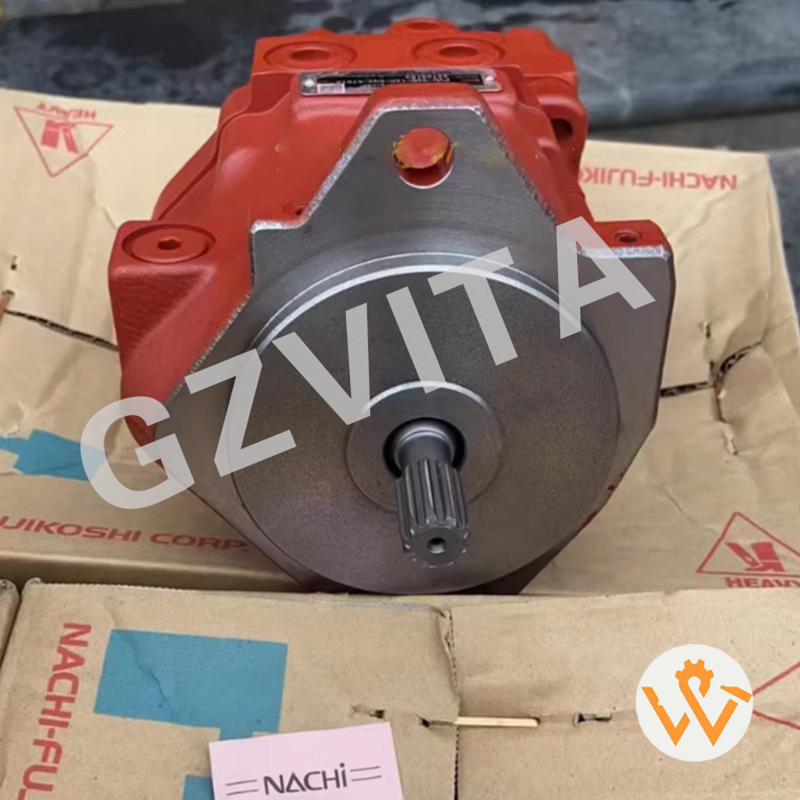
The primary function is to convert mechanical energy into hydraulic energy. It supplies pressurized fluid throughout the hydraulic system to power the movement of the excavator's components.
The hydraulic pump generates the pressure needed to operate essential components and attachments, including the boom, arm, bucket, and swing mechanisms.
When the operator uses the controls, the pump directs pressurized fluid to the corresponding actuator. This controlled flow of pressurized fluid ensures smooth and precise operation of the machine.
Understanding their operation helps you choose the correct pump type for your specific machinery and enhances your ability to perform routine maintenance and optimize machine performance.
Hydraulic pumps are vital in construction, manufacturing, and any other industry that depends on hydraulic systems to perform heavy-duty tasks and operate machinery.