An excavator ripper bucket is not simply a containment vessel; it is a complex force multiplier designed for severe-duty excavation. By merging the functionalities of a single-shank ripper and a rock bucket, these tools represent the pinnacle of geotechnical engineering. In projects featuring permafrost, sandstone, weatherized granite, or compact clays, standard excavation buckets fail due to energy dissipation across a broad surface area. A ripper bucket solves this by focusing the excavator's hydraulic breakdown force through staggered, stepped teeth.
Our engineering research indicates that a standard bucket distributes force along a wider cutting edge, which reduces penetration capability under hard rock parameters (exceeding 20 MPa compressive strength). Conversely, the structural geometry of a ripper bucket excavator attachment concentrates the crowd force of the bucket cylinder directly onto one or two teeth tips at a time. This creates localized tension cracks within rock structures, paving the way for the remaining bucket profile to break and scoop material with minimal mechanical strain on the excavator boom.
"By integrating wear-resistant structural steels like Hardox 450/500 and optimization of mechanical leverages, modern heavy-duty ripper buckets reduce overall cycle times by up to 35% compared to multi-step drill-and-blast methods in semi-hard geologies."
Across the globe, the transition towards cost-efficient, non-blasting excavation is accelerating. Environmental regulations and close-proximity urban worksites prevent traditional blasting mechanisms. This shift has placed the ripper bucket at the forefront of major infrastructure projects in North America, Northern Europe, the Middle East, and Australia. Heavy civil engineering departments are continuously searching for attachments that can survive abrasive soils while providing continuous uptime.
The industrial requirements differ slightly depending on geography, but the bottom-line metrics remain identical: durability and structural integrity. A break in a bucket shank or tooth doesn't just mean a replacement part costs money; it halts the entire quarry or foundation excavation cycle. Consequently, procurement divisions in multinational engineering firms are prioritizing suppliers that can demonstrate extensive metallurgical vetting, certified welding standards, and reliable supply lines for wear parts like adapters and shanks.
China has long been established as the epicentre of heavy construction machinery supply chains. The convergence of domestic raw material steel production, localized specialized clusters, and advanced robotic welding technology allows Chinese factories to deliver high-performance excavator attachments at competitive price points. Guangzhou Vita Construction Machinery Co., Ltd. stands as a premier example of this manufacturing capability, combining direct factory control with international trading standards.
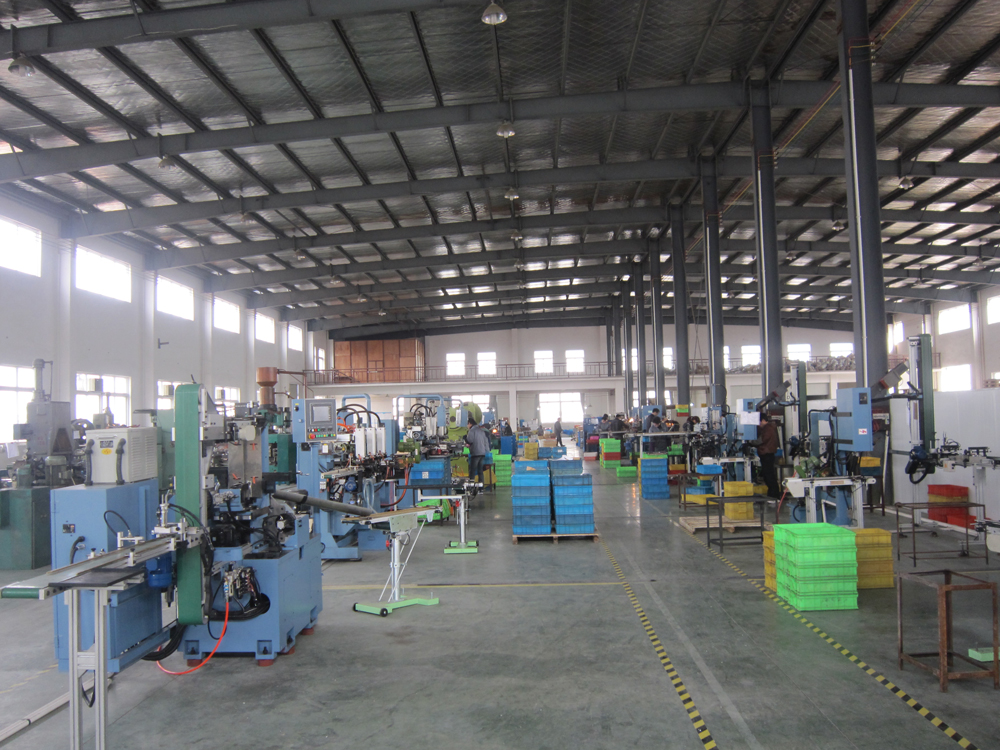
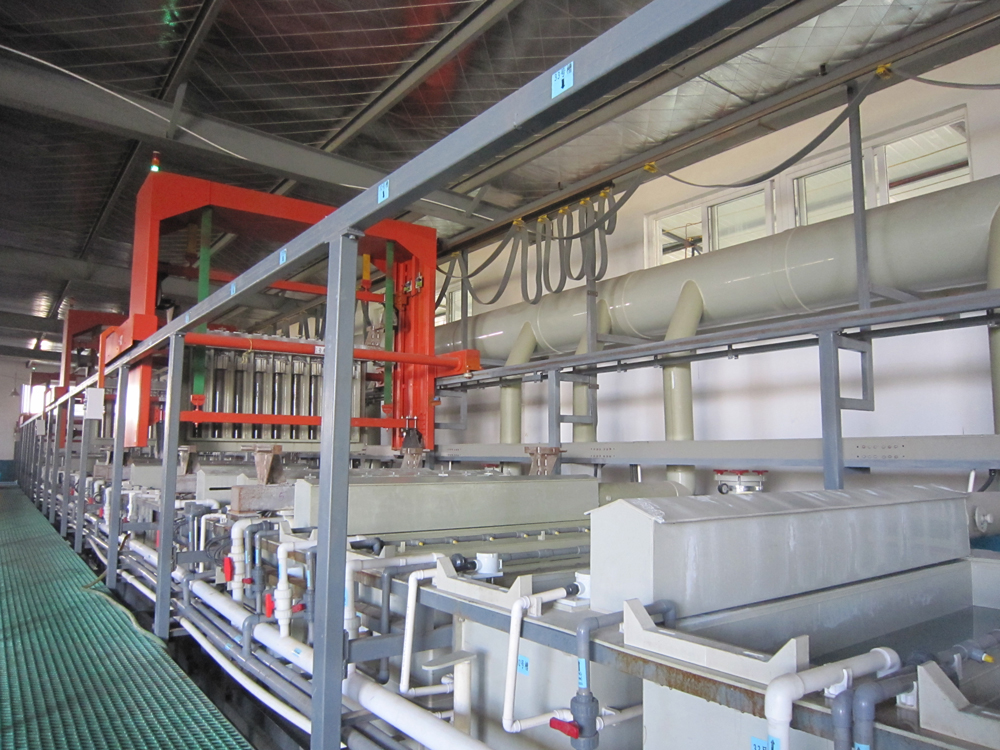
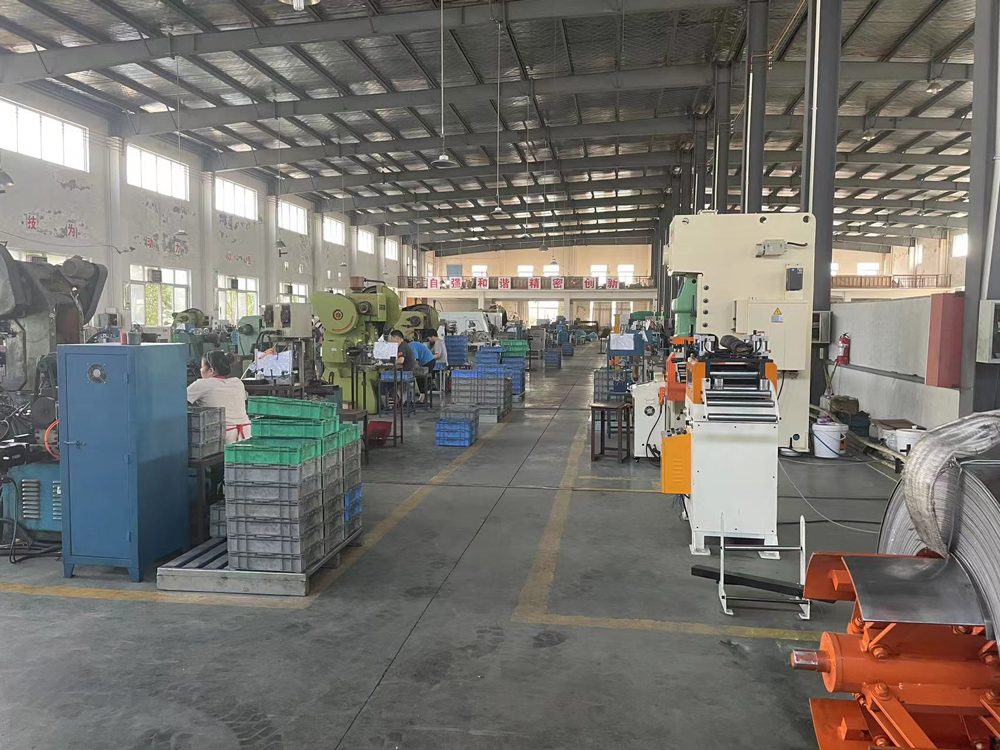
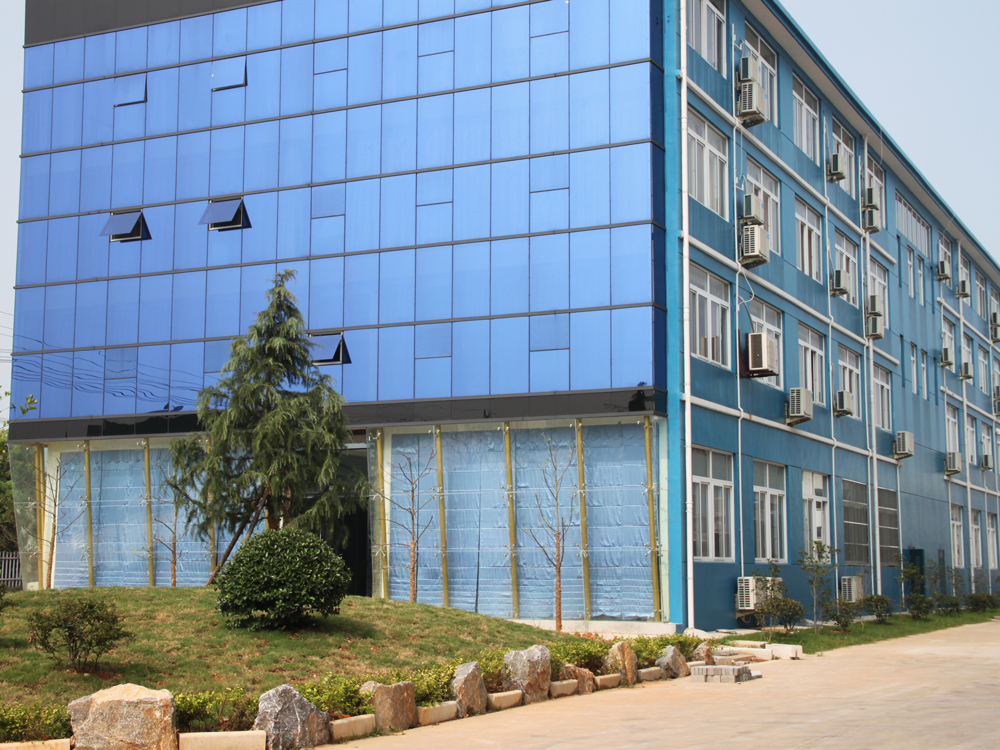
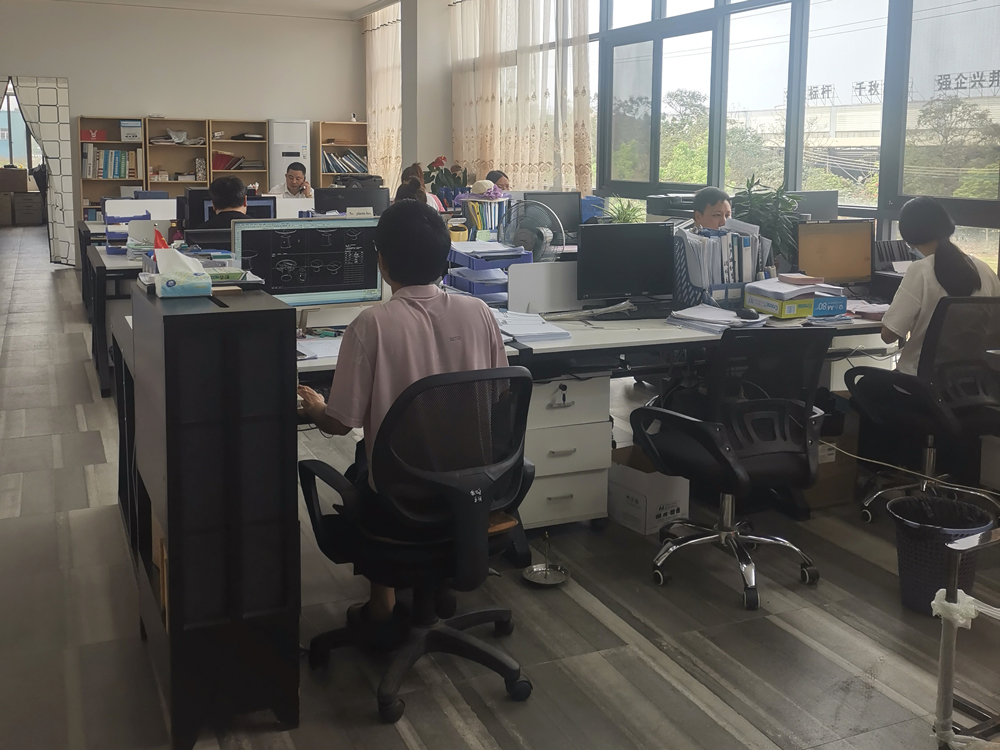
Our production facility in Xiangyang City, Hubei Province, spans over 18,000 square meters of state-of-the-art workshop layout. Housing advanced machinery (such as large-scale CNC gantry cutting systems, precise heavy-duty plate benders, and automated multi-pass welding stations), we maintain absolute quality oversight. Our workforce includes 278 well-trained, skilled technicians overseen by a dedicated team of 8 experienced structural and hydraulic engineers.
We source heavy-gauge structural alloys alongside abrasion-resistant plate (comparable to Hardox 500) for high-wear areas like cutting edges, side cutters, and heel shrouds, ensuring long structural life under high stress.
Welding design is crucial for heavy attachments. Our factory deploys pre-heating and precise temperature-controlled gas metal arc welding (GMAW) to prevent internal micro-cracking and high-stress fractures in critical areas.
Every ripper bucket we build is engineered with a progressive tooth arc. This geometry maximizes force transmission from the bucket cylinder, enhancing penetrative efficiency in solid stone layers.
Ripper buckets are highly versatile attachments. Below, we examine the typical geo-technical environments where our products excel, helping field operators optimize productivity and reduce machine fatigue.
In frozen soils, standard buckets fail to break the surface tension, sliding off like blunt instruments. Our staggered ripper bucket designs break through ice-entrained soil easily, ensuring winter excavation operations continue seamlessly.
In highly regulated metropolitan zones, noise and vibration ordinances prohibit hydraulic hammer impactors. Ripper buckets allow excavators to quietly rip and scoop layered rock, staying compliant with city noise limits.
Where sedimentary structures feature distinct bedding planes, the teeth of our ripper bucket wedge into the natural seams. This splits the layers easily, bypassing the need for primary mechanical breakers.
Procuring heavy-duty attachments for fleet operations requires balancing initial capital cost with long-term wear performance. To ensure compatibility and long-term durability, fleet managers should evaluate the following key parameters before finalizing order specifications:
The machinery attachment sector is undergoing a transformation driven by material science and telemetry. We highlight three crucial trends shaping the next decade of earthmoving and quarrying technology:
Research is shifting toward nano-structured structural steels that combine extreme hardness with high impact toughness, reducing weight without sacrificing strength.
Advanced fluid dynamic simulations are used to reshape the entry profile of rock buckets, lowering drag forces during cutting and reducing machine fuel usage by 5-8%.
Integrating passive sensors into structural adapters notifies maintenance hubs when tooth wear reaches critical thresholds, preventing costly damage to base structural parts.
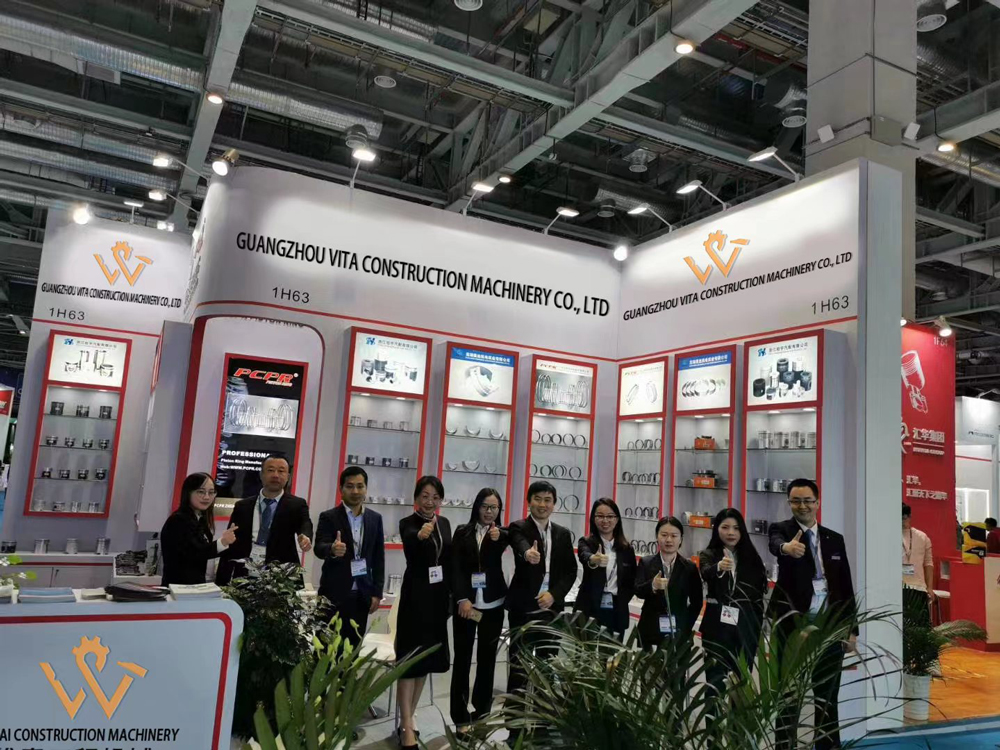
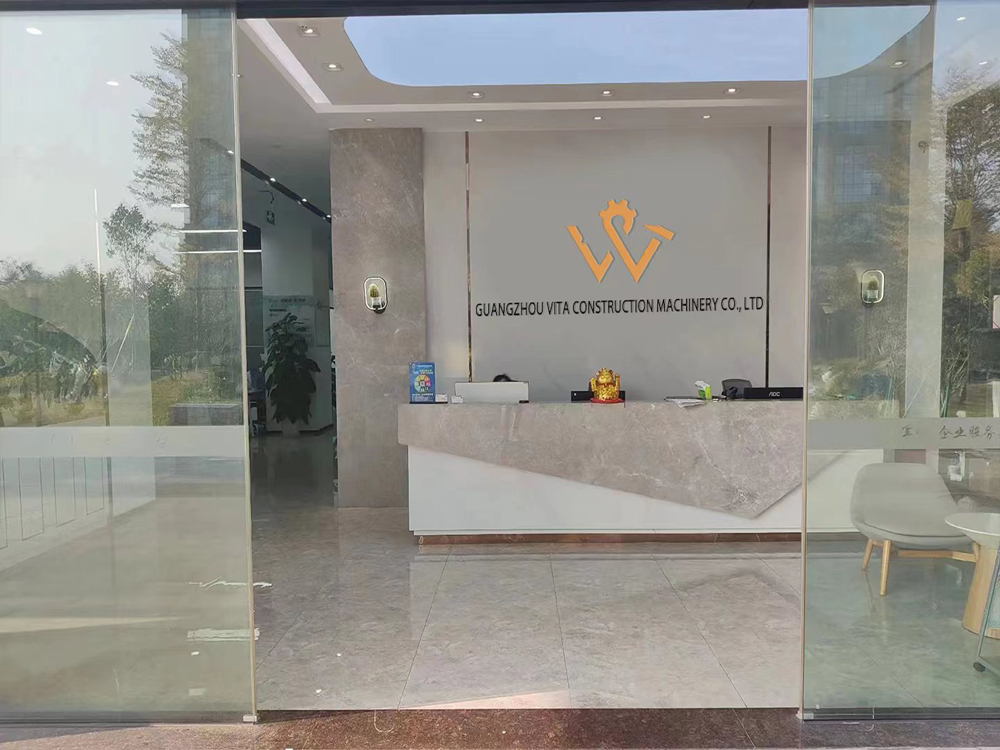
At Guangzhou Vita Construction Machinery Co., Ltd., we understand that heavy machinery parts require precision and absolute reliability. Our comprehensive production and services portfolio is designed to maximize equipment uptime worldwide.
In construction, equipment reliability directly impacts project profitability. We prioritize quality-certified materials and strict manufacturing steps to ensure all parts perform reliably under heavy loads.
Beyond supplying component assemblies, our team helps troubleshoot hydraulic flow issues, engine timing, and attachment compatibility to keep your equipment running smoothly.
Our dedicated service team can travel to international job sites to help with engine diagnostics, heavy structural refits, and complex hydraulic calibrations.
An inside look at our 18,000 square meter fabrication facility in Xiangyang, Hubei Province. We utilize automated production machines and rigorous quality control at every stage.


 Vita Construction