 Vita Construction
1 / 4
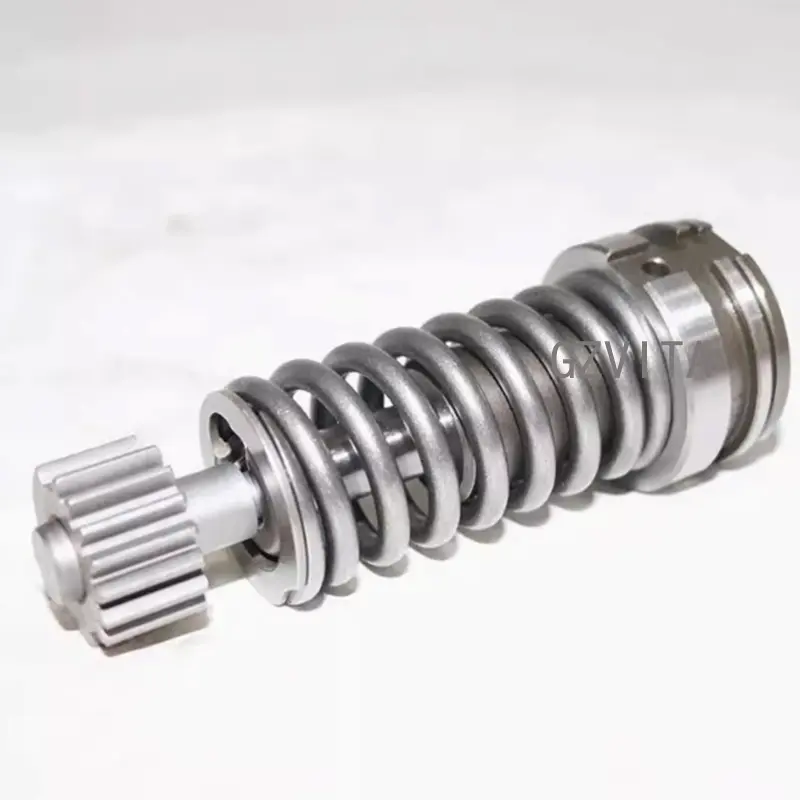
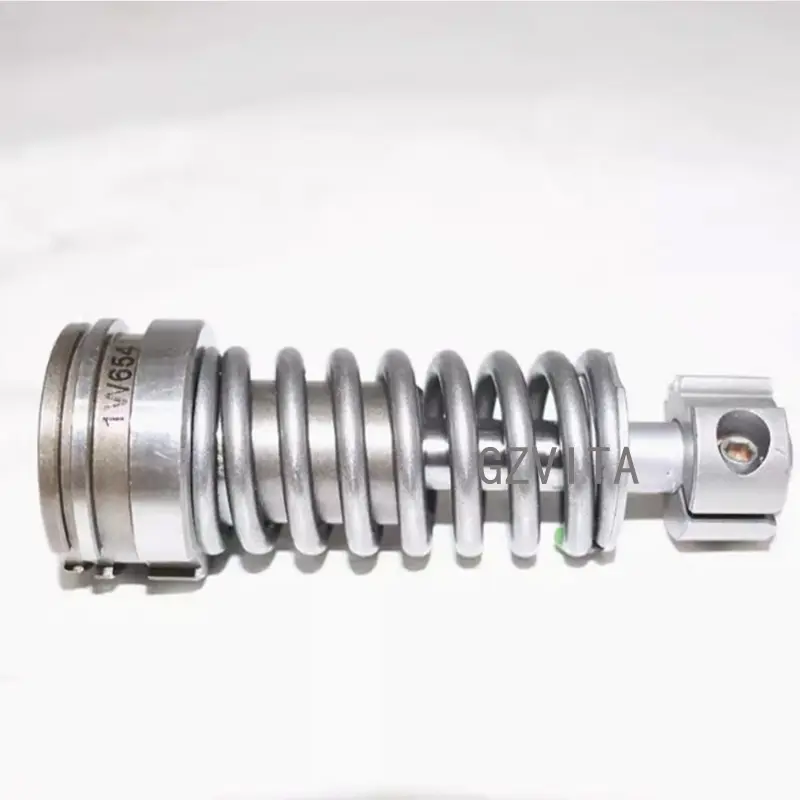
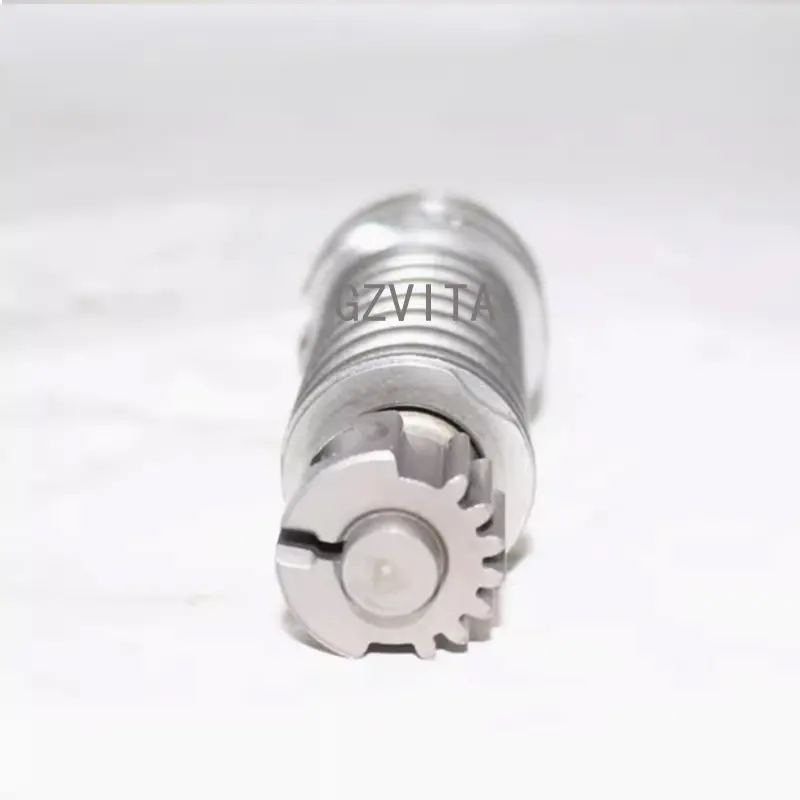
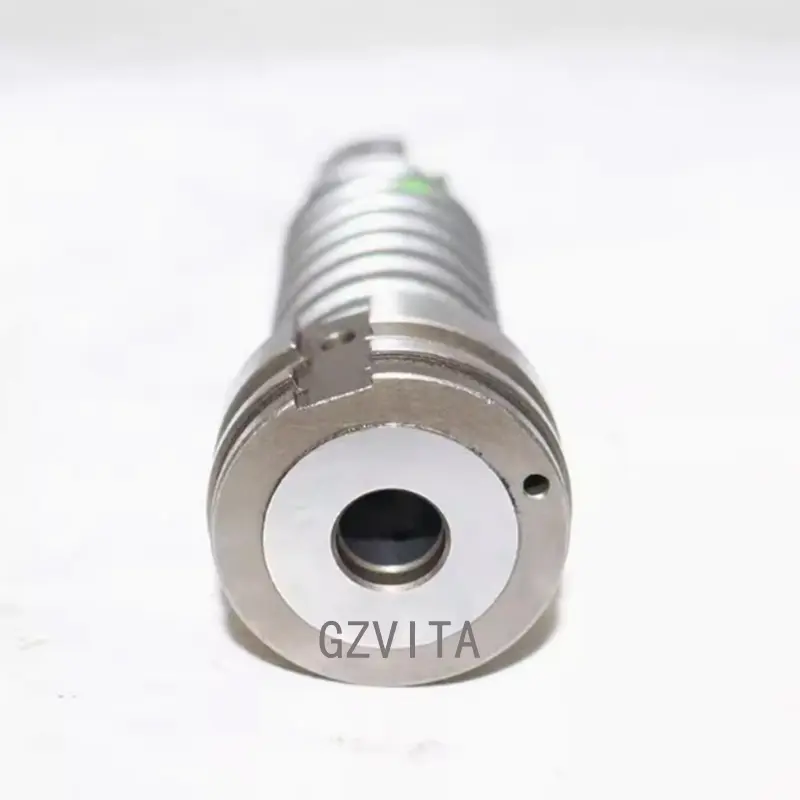
The plunger barrel is designed to house the plunger, which moves up and down within it. As the plunger moves, it creates a change in volume that draws fuel into the barrel during the intake stroke and then forces it out under high pressure during the injection stroke.
The plunger's movement is synchronized with the engine's timing, ensuring that fuel is injected into the combustion chamber at the right moment. This is crucial for optimal engine performance and efficiency.
The high pressure generated by the plunger barrel helps atomize the fuel, allowing for better mixing with air in the combustion chamber, which leads to more efficient combustion.
Plunger barrels are typically made from high-strength materials that can withstand the high pressures and wear associated with fuel injection. Common materials include hardened steel or other alloys.
The plunger and barrel must be manufactured to very tight tolerances to ensure proper sealing and efficient operation. Any wear or damage can lead to fuel leakage, reduced efficiency, and increased emissions.
Over time, the plunger and barrel can wear out due to friction and the harsh conditions of fuel injection. Regular maintenance and timely replacement are essential to ensure the longevity of the fuel injection system.
Dirt and debris in the fuel can cause damage to the plunger barrel, leading to poor performance and potential engine damage.
The plunger barrel houses the plunger and assists in creating a volume change to draw in fuel and pump it out under high pressure to ensure precise delivery and timing.
They must fit with extremely tight tolerances to prevent fuel leakage, maintain system pressure, and avoid reduced engine efficiency and high emissions.
Plunger barrels are manufactured from high-strength materials, such as hardened steel or specialty alloys, to withstand intense fuel injection pressure and friction.
Inline pumps align multiple plungers and barrels in a row, with each serving one cylinder. Rotary pumps utilize a single rotating drive mechanism, creating a more compact design.
Dirt, debris, and abrasive particles in the fuel can cause scratching, wear, and severe damage to the tightly sealed surfaces of the plunger and barrel, leading to engine performance issues.
By generating high pressure, it forces the fuel through nozzles, breaking it into a fine mist. This promotes superior mixing with air and more complete, efficient combustion.