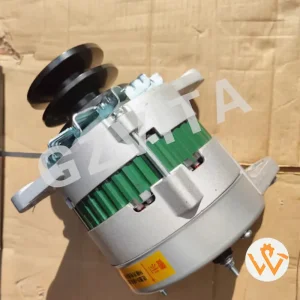
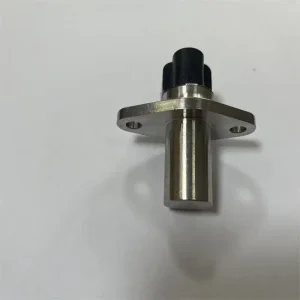
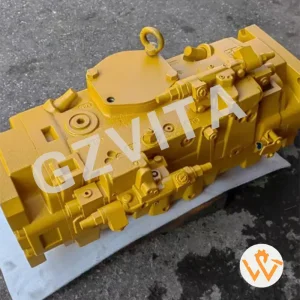
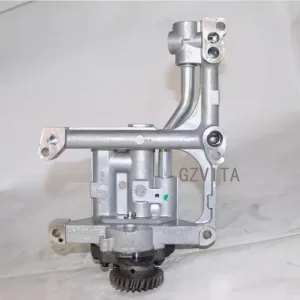
Direct from Factory: Advanced Power Transmission and Hydraulic Assemblies for High-Stress Machinery
Understanding Tribological Optimization, Global Regulations, and Structural Demands in Heavy Equipment Engines
In the global internal combustion engine sector, the STD (Standard Size) main bearing acts as the central mechanical interface supporting the crankshaft under severe reciprocating loads. Operating in the hydrodynamic lubrication regime, the main bearing shell prevents direct metal-to-metal contact between the journal and housing, ensuring minimal frictional loss. Modern off-highway machinery and heavy transport engines demand components that withstand peak cylinder pressures exceeding 200 bar, making the metallurgical structural integrity of the STD main bearing a critical driver of powertrain longevity.
As international emissions standards tighten (such as EU Stage V and US EPA Tier 4 Final), engine designers are scaling down displacement while boosting turbocharger boost pressures and direct fuel injection parameters. This structural evolution subjects the crankshaft journal bearings to thinner lubricant films and higher thermal stresses. Today’s industrial landscape demands main bearings with enhanced fatigue resistance, high embeddability to trap abrasive particles, and adequate conformability to adapt to micro-misalignments of the engine block.
Maintaining a stable minimum oil film thickness (MOFT) under fluctuating cyclic loads is crucial. Premium STD bearings are optimized to prevent boundary contact during transient loading states, protecting crankshaft journals from scoring.
Using sintered copper-lead matrices or state-of-the-art aluminum-tin alloys ensures high fatigue limits. These multi-layer structures absorb local stresses and dissipate thermal spikes effectively.
Global regulations drive the shift toward environmentally safe tribological solutions. Leading manufacturers use advanced aluminum-tin-silicon matrices that eliminate lead while offering equal or superior load capacities.
An Engineering Perspective on Bimetal vs. Trimetal Bearings, Crush Height, and Clearance Controls
Standard size (STD) main bearings are classified into two major structural types: Bimetal and Trimetal. The selection depends on the engine's mechanical application, operating speed, and cylinder load characteristics:
For high-performance STD main bearings, manufacturing tolerances are kept within micrometers (µm). A key factor is crush height—the small extra height designed above a perfect half-circle. When the bearing caps are torqued, this crush creates radial pressure, ensuring tight contact with the housing to prevent spun bearings and optimize heat transfer.
Additionally, eccentricity is built into the shell profile. The wall thickness decreases slightly from the crown toward the parting lines. This design accommodates structural deflection of the housing under peak cylinder pressures and helps form the oil wedge necessary for hydrodynamic lubrication.
A comparison of critical performance factors in premium diesel engine applications:
Note: Sputtering (PVD deposition) yields the highest load limits, while conventional electroplating provides excellent conformability for normal wear cycles.
Combining Advanced Metallurgical Manufacturing with Professional Global Distribution
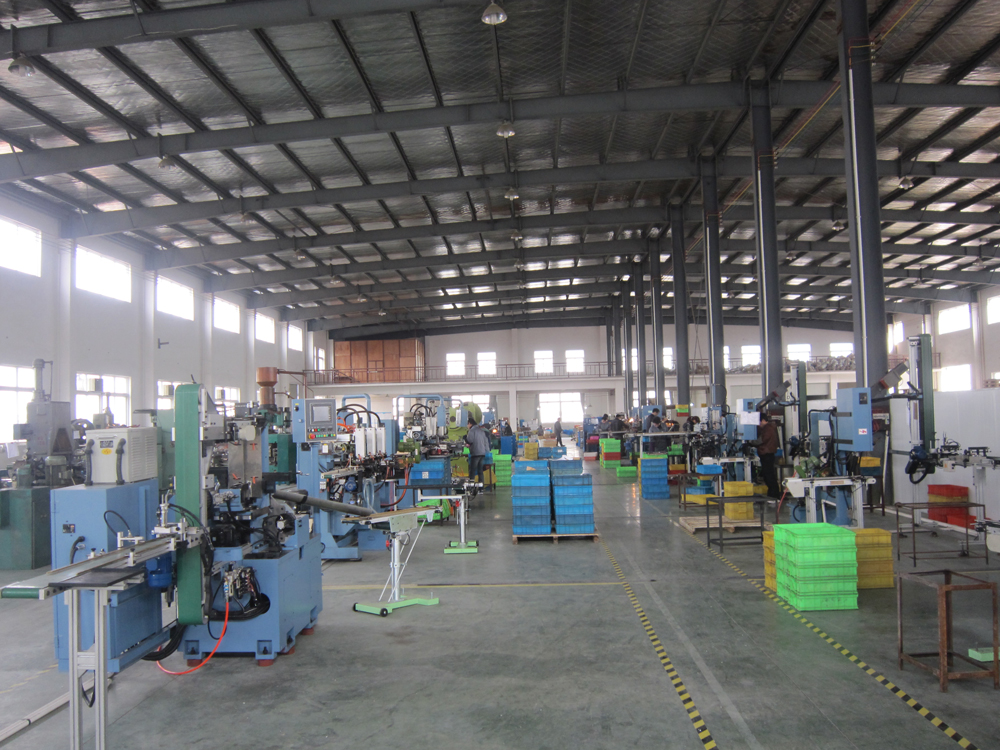
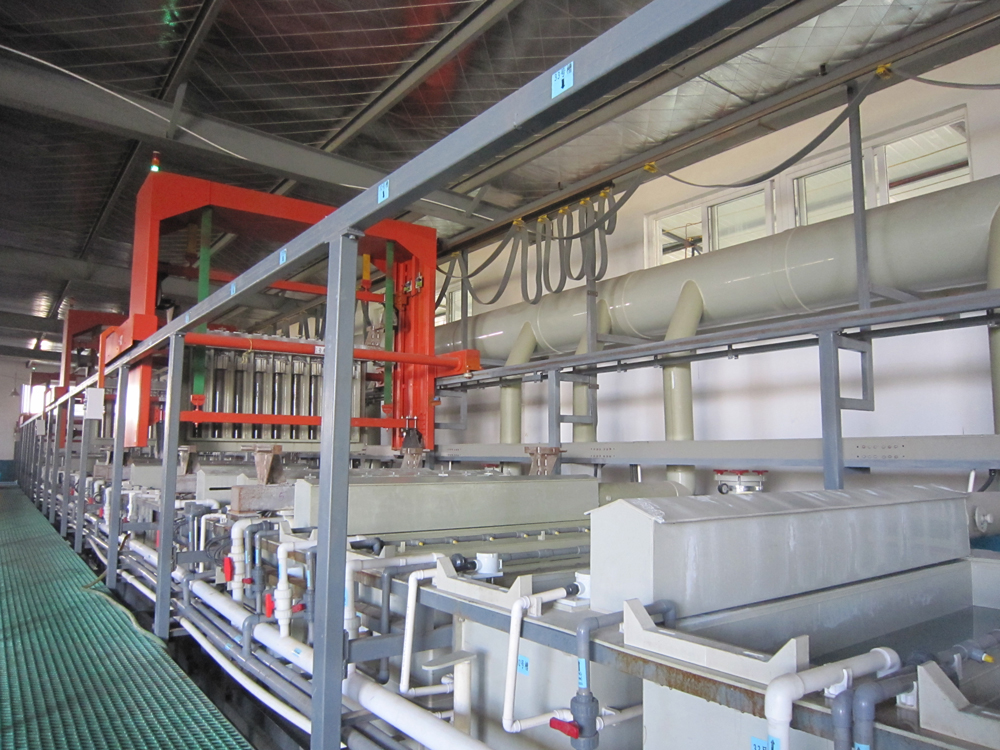
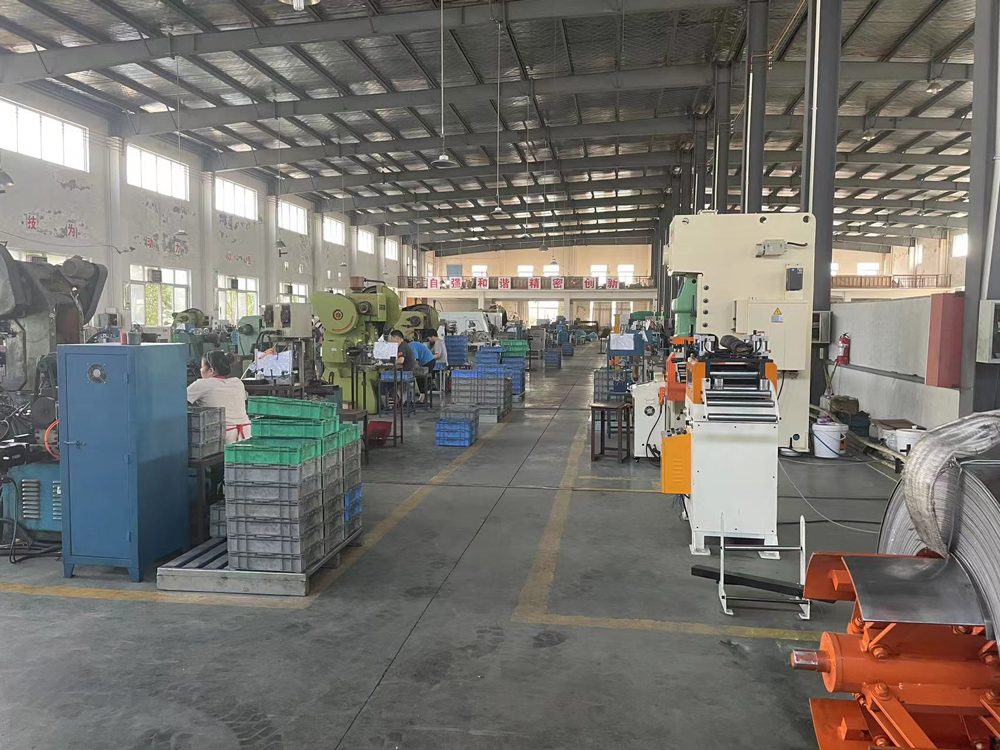
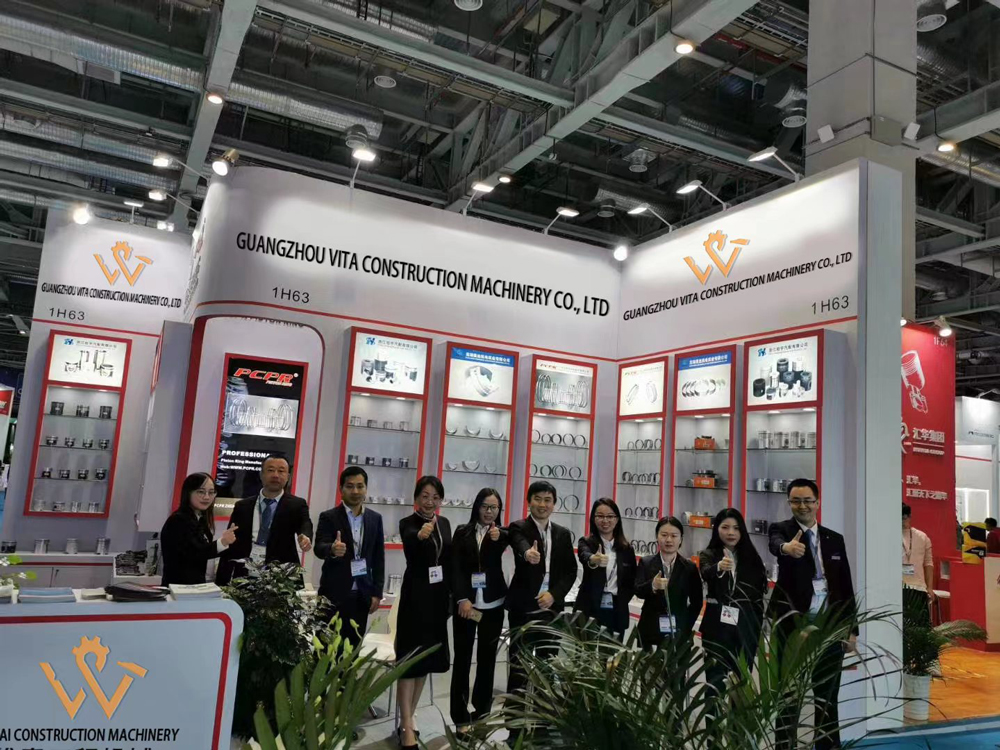
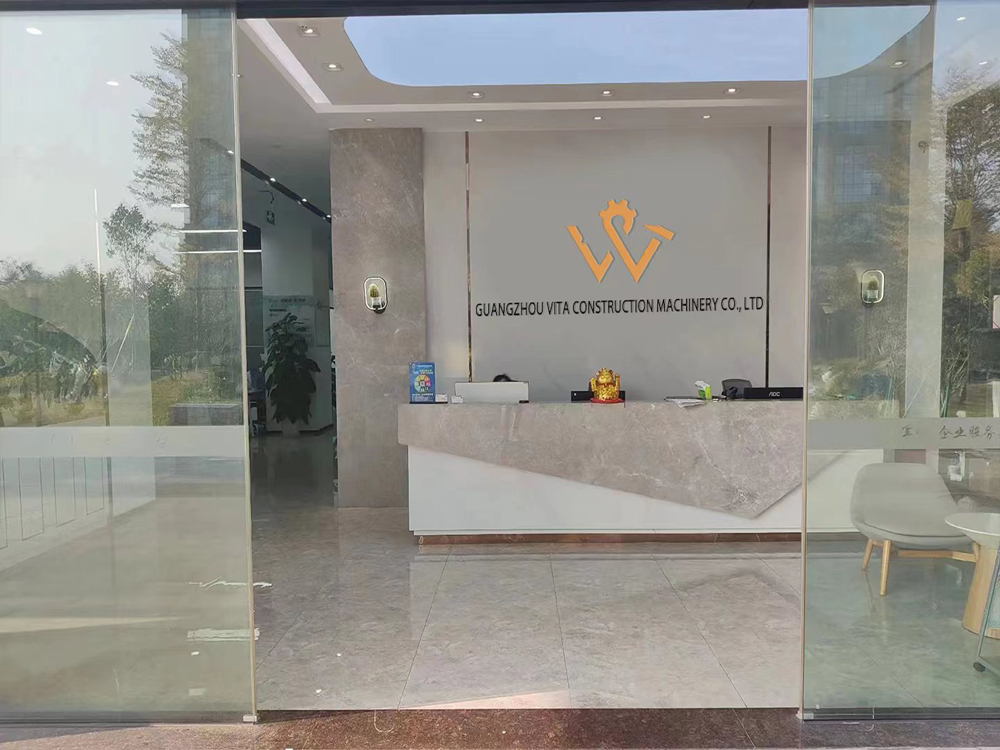
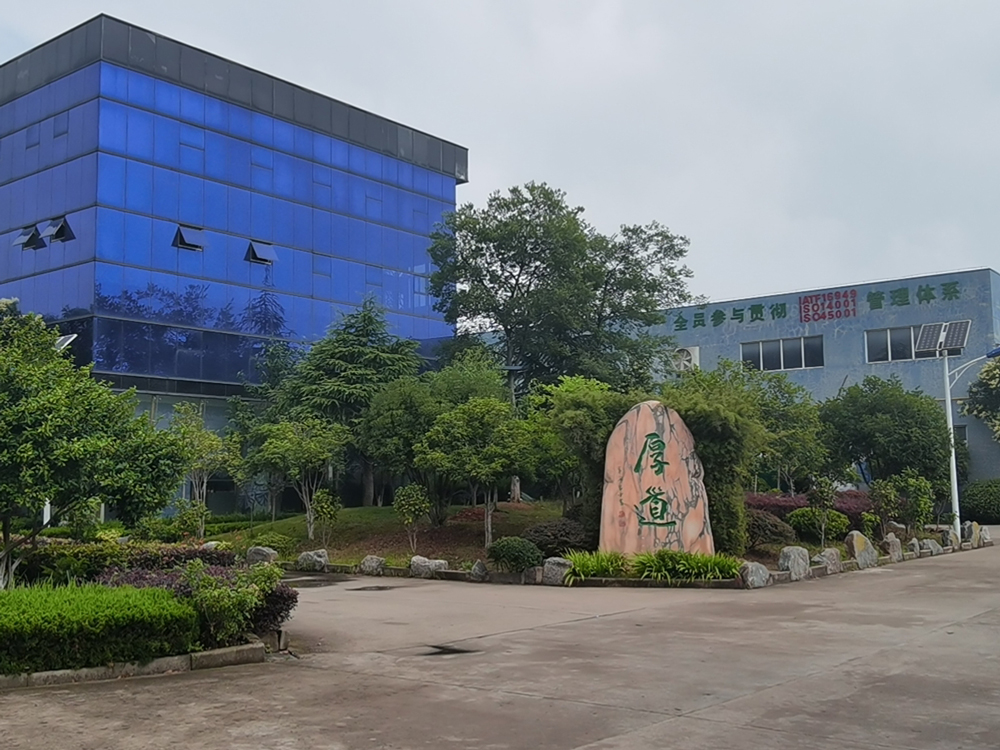
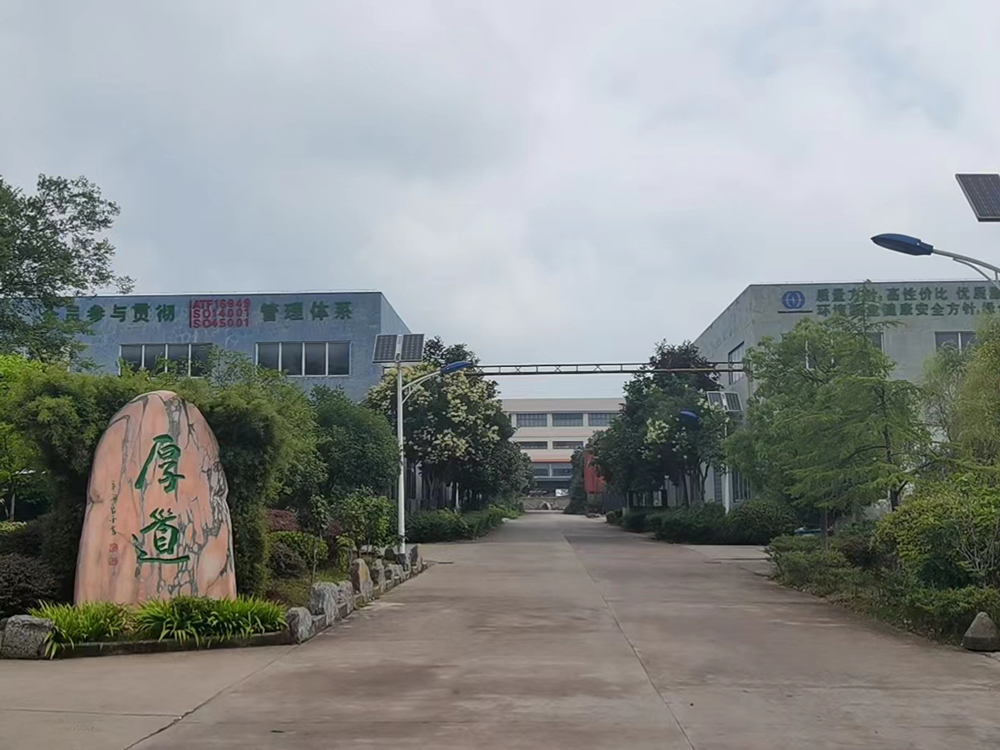
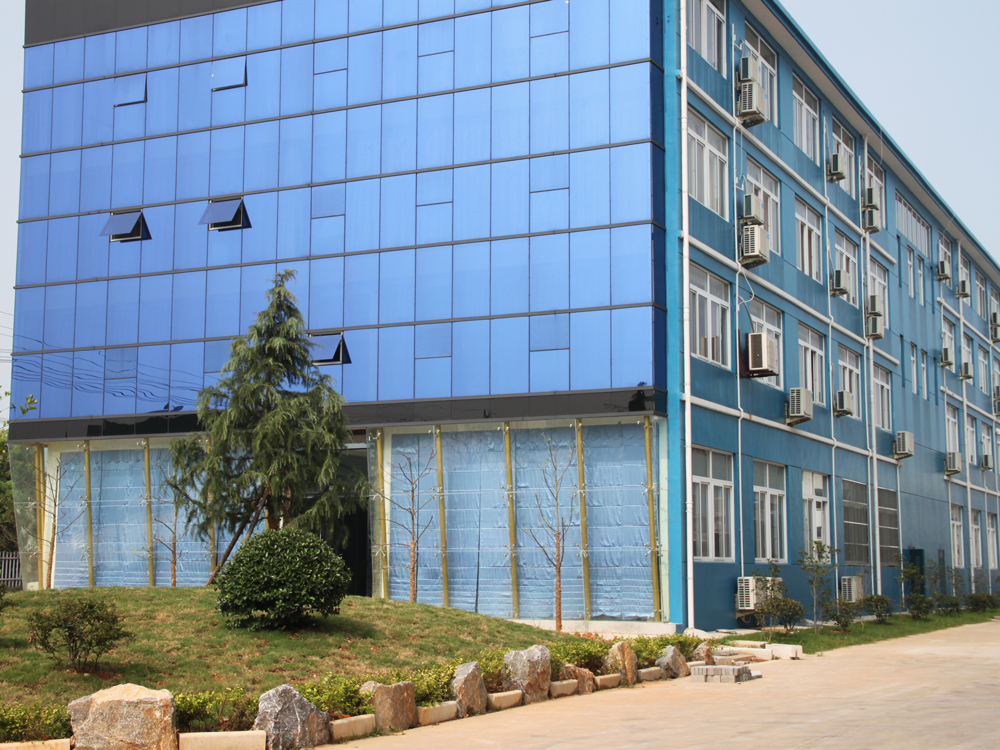
Guangzhou Vita Construction Machinery Co., Ltd. is a leading integrated manufacturing and foreign trade company specializing in high-performance heavy-duty engine and hydraulic components. Our production facility is located in Xiangyang City, Hubei Province, featuring an 18,000 square meter modern workshop. Equipped with advanced automated alloy sintering lines, high-precision CNC machining centers, and ultrasonic bonding inspection equipment, our factory supports efficient production cycles. With over 278 skilled workers and 8 experienced mechanical design engineers, we ensure precise quality control, prompt shipping, and reliable service for global projects.
We specialize in the manufacturing, development, and distribution of a wide range of construction machinery components. Our main products include complete engine assemblies, hydraulic main pumps, final drives, diesel generator sets, high-precision engine bearing series (including standard size STD main bearings and con-rod bearings), forged crankshafts, induction-hardened engine valves, gear pumps, cylinders, and undercarriage components. These high-precision replacement parts are compatible with leading global brands such as Komatsu, Volvo, Sumitomo, Caterpillar, Kubota, Hitachi, John Deere, Kobelco, Hyundai, Kato, Sany, XCMG, and Sunward.
Delivering Quality Assurance, Technical Expertise, and Reliable Engine Rebuild Solutions Worldwide
In the demanding field of heavy construction, machinery reliability is essential to project success. We use premium raw materials and implement strict quality checks at every production stage to ensure our parts maintain optimal engine performance under high stress.
Beyond supplying engine components, we offer complete technical support. Our engine development team is equipped to help clients troubleshoot challenges related to assembly tolerances, lubrication dynamics, and complex installation procedures.
We maintain an active maintenance and field service team. When needed, we can dispatch technical specialists internationally to assist clients with engine commissioning, structural diagnostics, and onsite component replacements.
The Evolution of High-Load Powertrain Components Toward Zero Emissions and Smart Condition Monitoring
With global transport and construction industries transitioning toward green energy and carbon neutrality, engine bearing technology is adapting to meet new operating conditions. The rise of alternative fuels—such as hydrogen combustion, ammonia blends, and green methanol—creates unique challenges for the crankshaft bearing layout, including fuel dilution of oil, higher combustion pressures, and potential hydrogen embrittlement. Guangzhou Vita's engineering team is actively researching advanced material coatings to address these challenges.
Traditional babbitt or lead-based electroplated overlays are being replaced by physical vapor deposition (PVD) sputtered coatings. Sputtered bearings feature a highly dense metal layer, providing exceptional wear resistance. Additionally, polymer overlays containing solid lubricants like molybdenum disulfide (MoS2) and PTFE are applied to the bearing face. These coatings help protect components during cold starts and low-lubrication events common in hybrid engines.
The future of predictive maintenance lies in real-time engine data. Next-generation smart bearings incorporate thin-film thermal and pressure sensors directly into the non-loaded area of the shell. These sensors send warning signals before contact or oil starvation occurs, preventing catastrophic engine failures and reducing downtime for large mining fleets.
Expert Answers on Selection, Maintenance, and Geometric Specs of STD Engine Main Bearings
Premium OEM Replacements & Electronic Controls for Heavy Duty Equipment
 Vita Construction