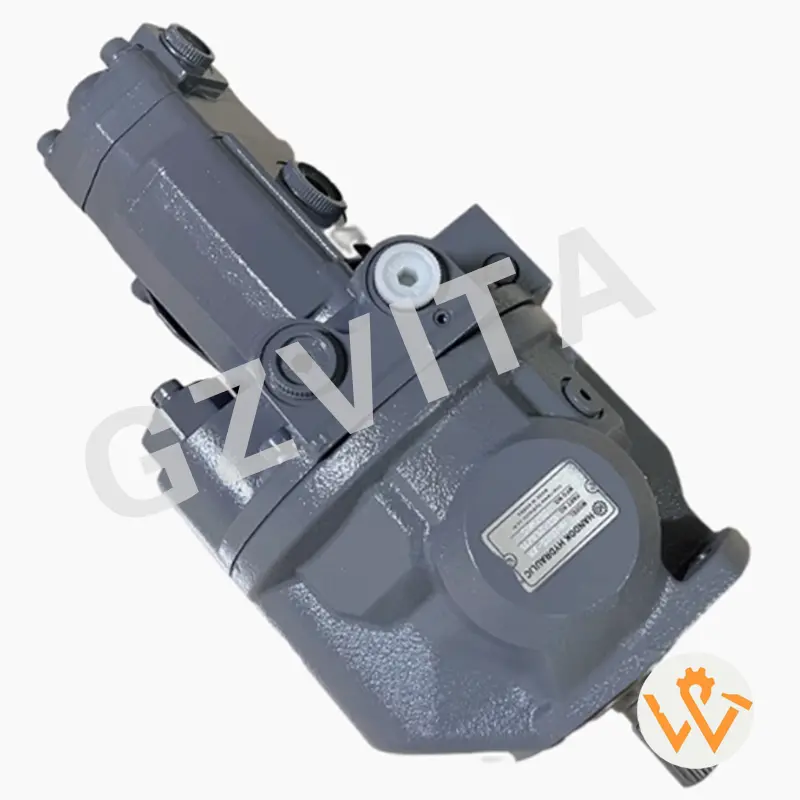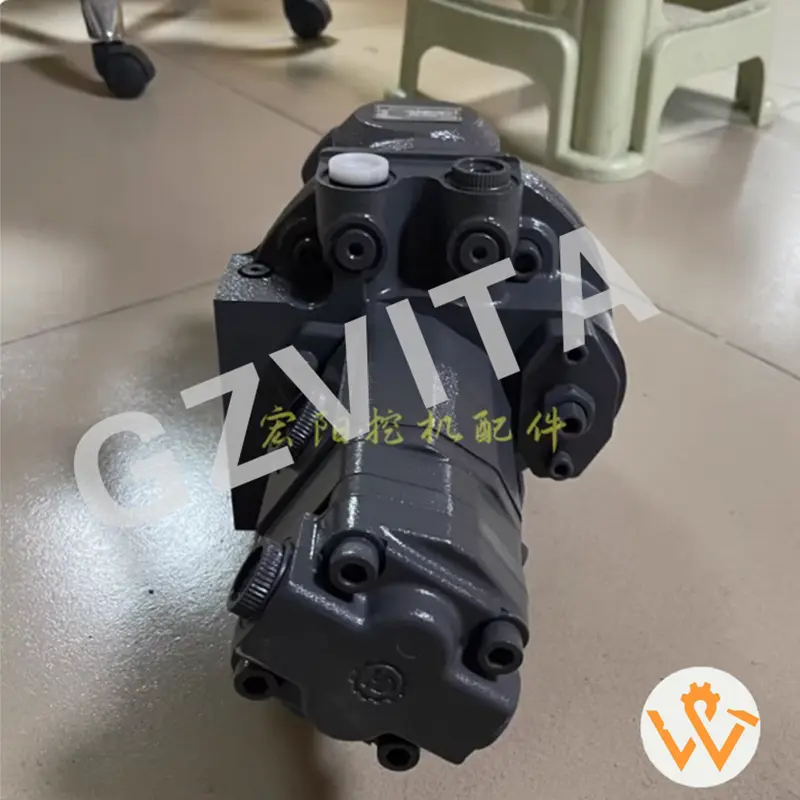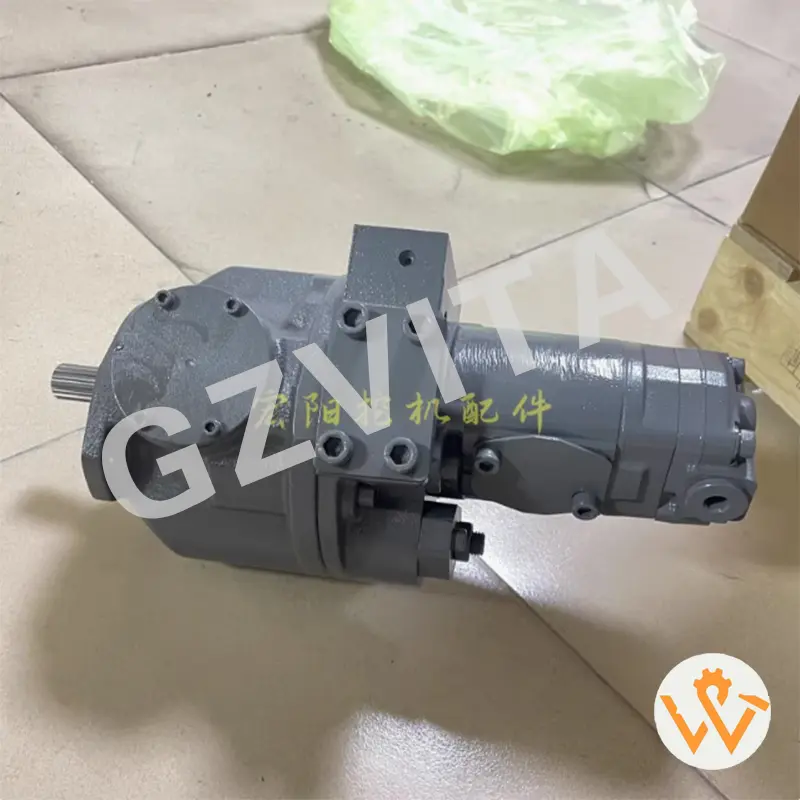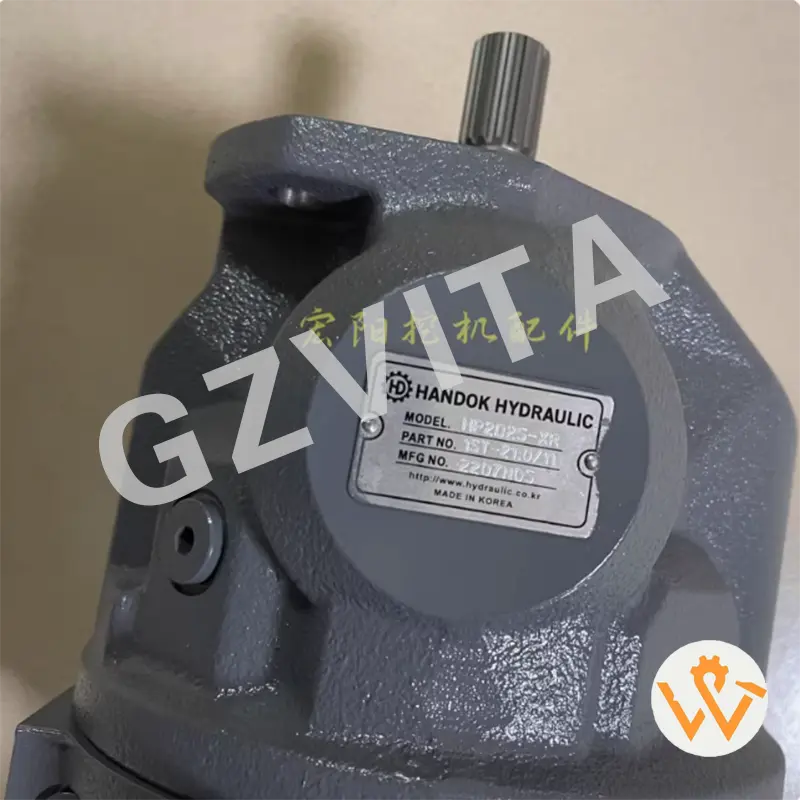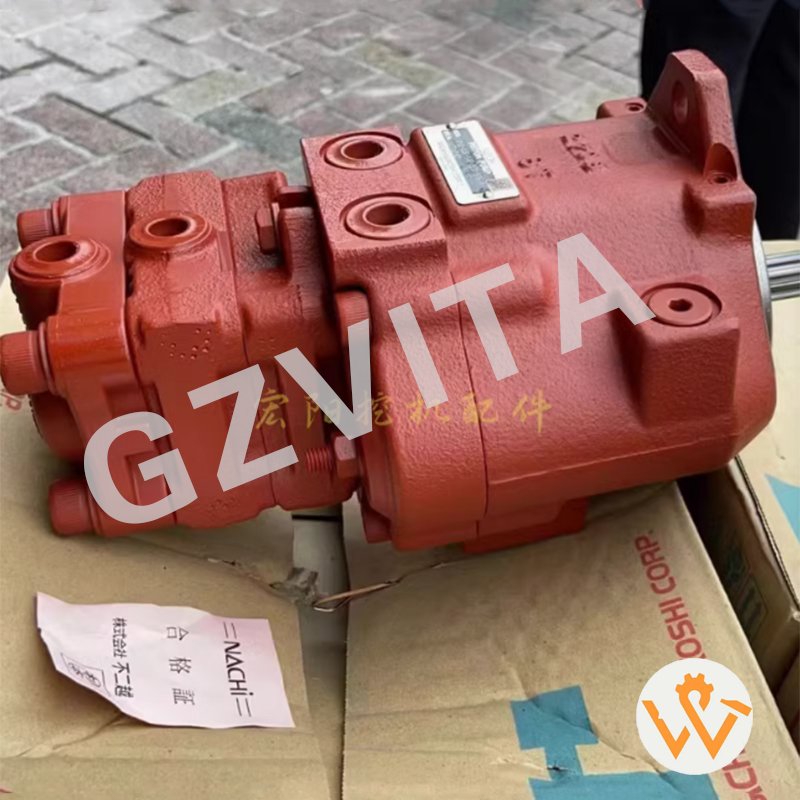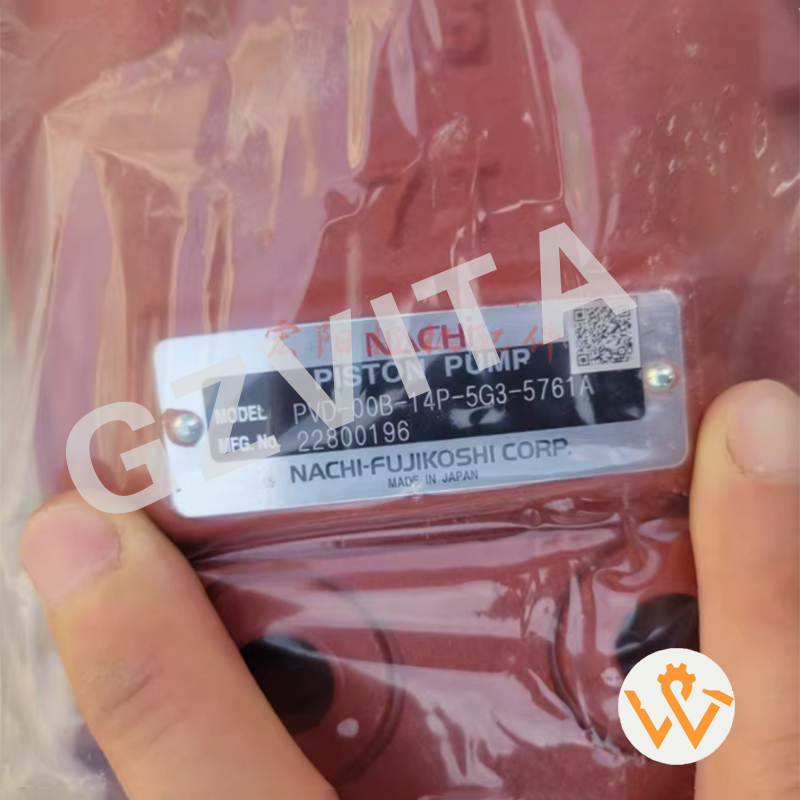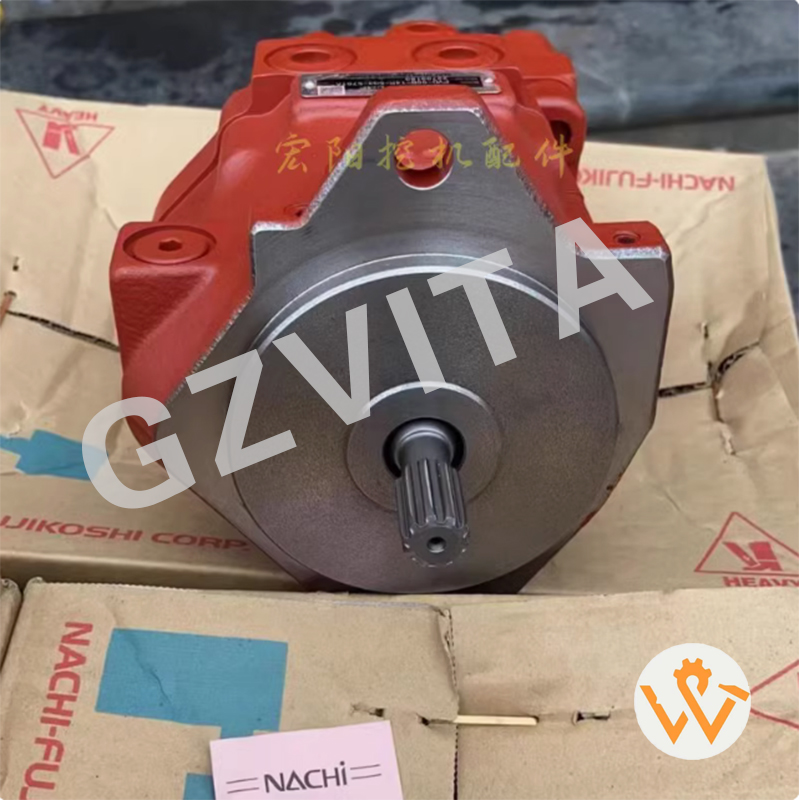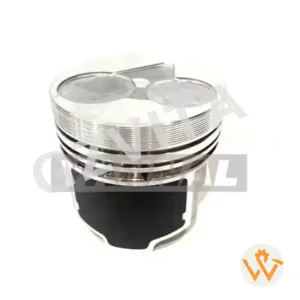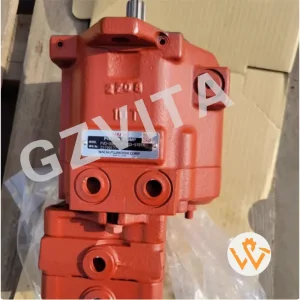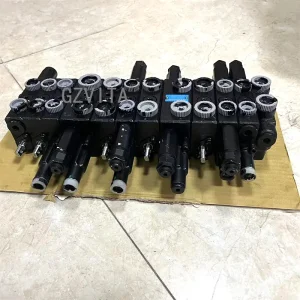
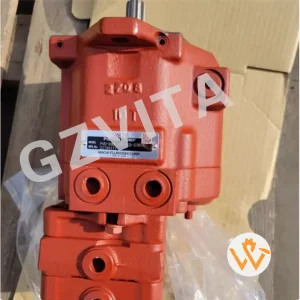
High-Quality Original Excavator Parts ZAX60 ZAX65 Main Pump AP2D25 Hydraulic Main Pump Hydraulic Pump for Hitachi No reviews yet Manufacturers, Factory

Daily visual inspection – Check for external leaks, cracks, or damage.

Monitor hydraulic oil level – Ensure it is within the recommended range before operation.

Check oil temperature – Avoid operation beyond the specified temperature limit.

Listen for abnormal noises – Unusual sounds may indicate cavitation or internal wear.

Inspect pump mounting bolts – Ensure they are tight and secure.

Verify drive coupling condition – Look for wear, cracks, or misalignment.

Check suction lines and filters – Prevent restrictions or air ingress.

Monitor system pressure – Use gauges to detect abnormal fluctuations.

Inspect case drain line – Ensure it is unobstructed and not leaking excessively.

Maintain oil cleanliness – Change filters regularly and use clean oil.

Avoid dry running – Always prime the pump before starting.

Warm up the system – Operate at low pressure and flow in cold conditions.

Prevent contamination – Keep the reservoir and fill area clean.

Check for overheating – Monitor pump housing temperature during operation.

Avoid prolonged operation at maximum pressure – Reduce stress on the pump.

Inspect hoses and fittings – Look for wear, leaks, or loose connections.

Verify proper belt tension – For belt-driven pumps, ensure correct tension.

Monitor oil condition – Look for discoloration, foam, or contamination.

Check for air in the system – Bleed air if foaming or erratic operation occurs.

Ensure adequate ventilation – Prevent heat buildup around the pump.

Follow manufacturer’s operating limits – Adhere to pressure and flow specifications.

Use recommended hydraulic oil – Follow viscosity and grade requirements.

Avoid sudden pressure spikes – Operate controls smoothly to prevent shocks.

Inspect electrical connections – For electric-driven pumps, ensure secure wiring.

Record operating hours – Schedule maintenance based on service intervals.

Check alignment – Ensure the pump is properly aligned with the drive source.

Monitor pump vibration – Excessive vibration may indicate imbalance or wear.

Test relief valve function – Verify proper pressure relief during operation.

Keep maintenance records – Document inspections, repairs, and part replacements.

Train operators – Ensure they understand proper pump operation and early warning signs of failure.

Product Description

Notice for Installing the Main Pump on an Excavator

Installing the main hydraulic pump on an excavator is a critical task that requires careful attention to detail to ensure proper operation and longevity of the hydraulic system. Below is a comprehensive notice outlining the key steps and considerations for installing the main pump.

Safety Precautions

Personal Protective Equipment (PPE) Always wear appropriate safety gear, including gloves, goggles, and a hard hat.
Disconnect Power Before starting the installation, ensure that the excavator is turned off, the battery is disconnected, and the hydraulic system is depressurized to prevent accidental operation.

Tools and Materials Needed

⚙️ New main hydraulic pump ⚙️ Gaskets or O-rings ⚙️ Hydraulic fluid ⚙️ Wrenches and sockets ⚙️ Torque wrench ⚙️ Screwdrivers ⚙️ Clean rags ⚙️ Inspection mirror (optional) ⚙️ Safety gear

Preparation

Read the Manual Review the excavator's service manual for specific instructions related to the main pump installation, including torque specifications and any special procedures.
Gather Tools and Parts Ensure you have all necessary tools and replacement parts ready before starting the installation.

Remove the Old Pump (if applicable)

Drain Hydraulic Fluid If necessary, drain the hydraulic fluid from the system to prevent spills during the removal process.
Disconnect Hoses and Lines Carefully disconnect hydraulic hoses and lines from the old pump. Use appropriate tools to avoid damaging fittings.
Remove Mounting Bolts Use a wrench to remove the mounting bolts securing the old pump to the engine or hydraulic system. Carefully lift the old pump out of its mounting position.

Inspect the Installation Area

Clean the Mounting Surface Thoroughly clean the mounting surface where the new pump will be installed. Remove any old gasket material or debris to ensure a proper seal.
Check for Damage Inspect the surrounding components for any signs of wear or damage that may need to be addressed before installing the new pump.

Install the New Pump

Position the New Pump Carefully position the new main hydraulic pump in place, aligning it with the mounting holes.
Install Gaskets or O-rings If applicable, install new gaskets or O-rings to ensure a proper seal between the pump and the mounting surface.
Secure the Pump Insert and hand-tighten the mounting bolts. Use a torque wrench to tighten the bolts to the manufacturer's specified torque settings, ensuring even pressure across the pump.

Reconnect Hydraulic Hoses and Lines

Attach Hoses Reconnect the hydraulic hoses and lines to the new pump, ensuring that they are properly secured and free of leaks.
Check for Proper Routing Ensure that hoses are routed correctly to avoid kinks or damage during operation.

Fill Hydraulic Fluid

Refill the System If hydraulic fluid was drained, refill the hydraulic system with the appropriate type and amount of hydraulic fluid as specified in the service manual.
Check for Leaks Before starting the excavator, inspect all connections for leaks.

Product Display

Frequently Asked Questions (FAQ)

❓ What safety steps are critical before starting the installation?

You must wear full Personal Protective Equipment (PPE) including gloves, goggles, and a hard hat. Crucially, turn off the excavator, disconnect the battery, and completely depressurize the hydraulic system to avoid accidental operation or fluid spray.

❓ How do I know the correct torque settings for the mounting bolts?

You must refer to your excavator's specific service manual. The manual contains precise manufacturer specifications and torque settings required to ensure even pressure and secure attachment of the pump.

❓ Do I need to replace O-rings and gaskets every time?

Yes, it is highly recommended to install new gaskets or O-rings when installing a new pump. Reusing old ones can lead to insufficient sealing and premature hydraulic fluid leaks.

❓ Why is cleaning the mounting surface so important?

Any debris, old gasket residue, or dirt on the mounting surface can prevent a proper flush fit. This can cause alignment issues or compromise the new seal, causing leaks under high hydraulic pressures.

❓ What should I do after connecting all the hoses and before turning the machine on?

Double-check that all hoses are routed properly without any kinks or stress points. Refill the hydraulic system with the correct type of fluid as specified in your manual, and check all connections thoroughly for leaks before starting the excavator.
Related Products