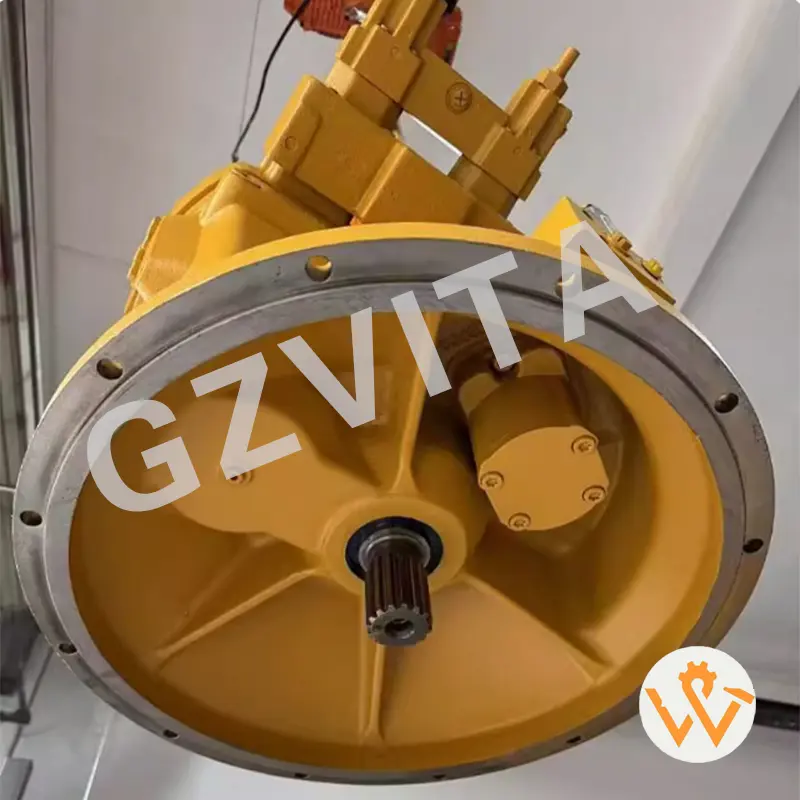
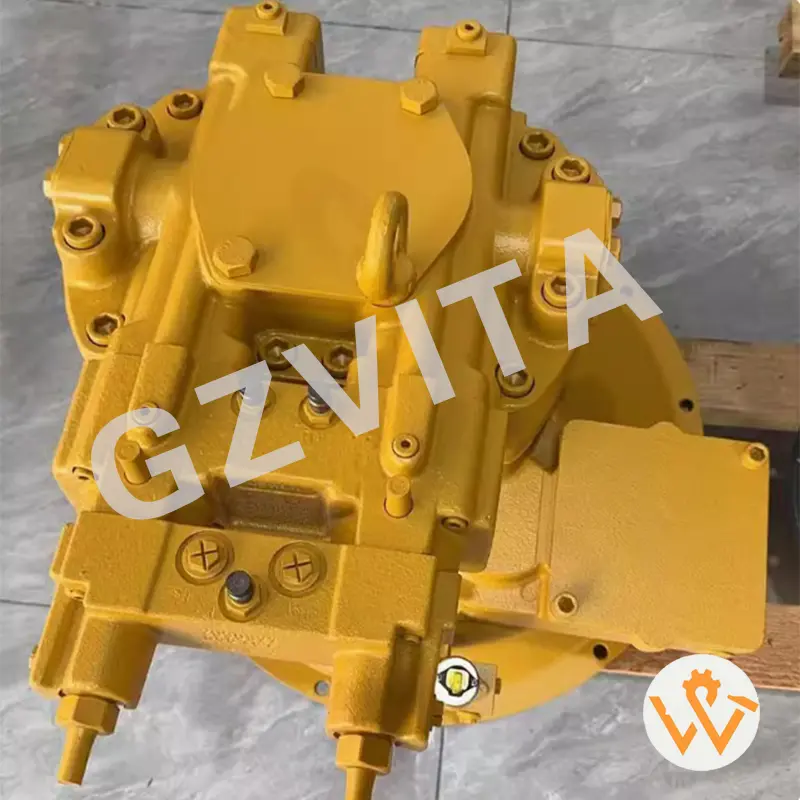
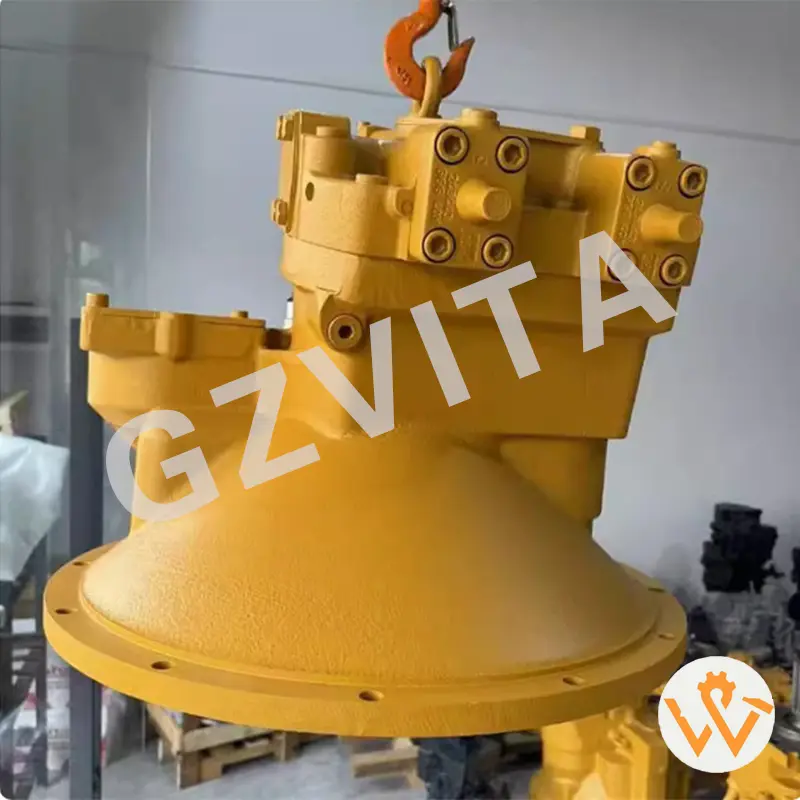
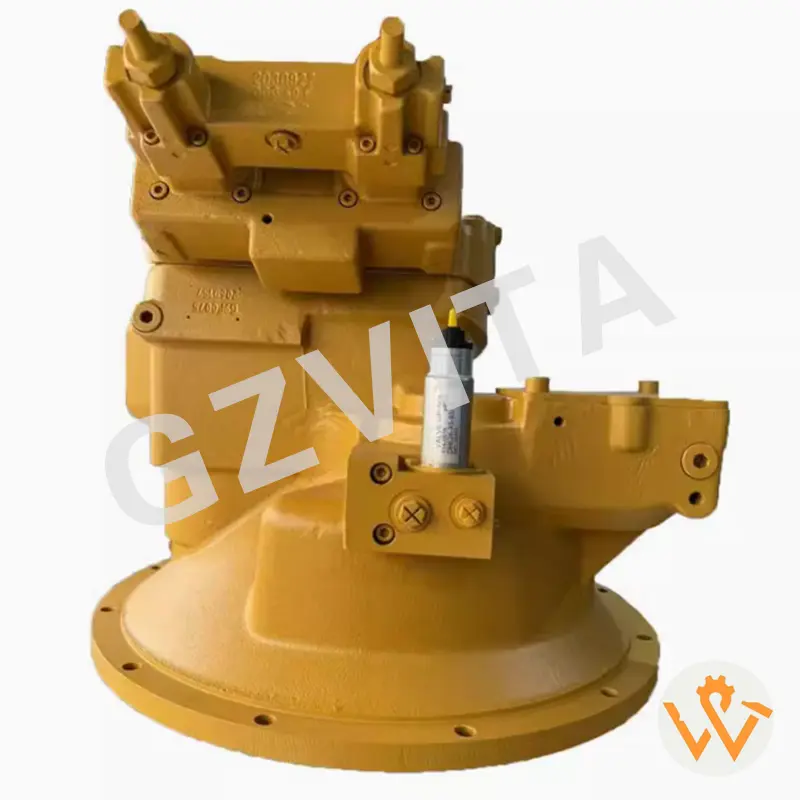
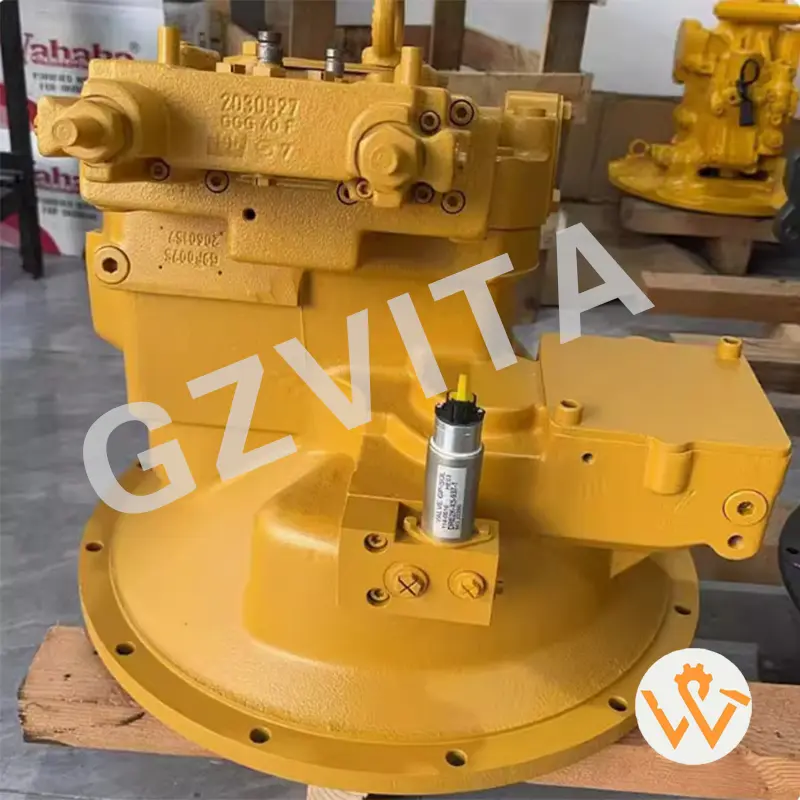
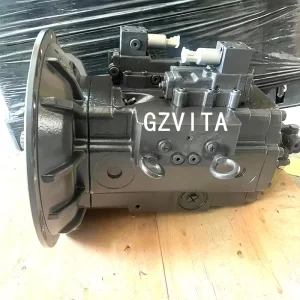
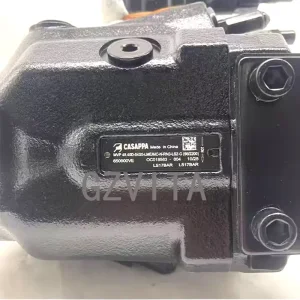
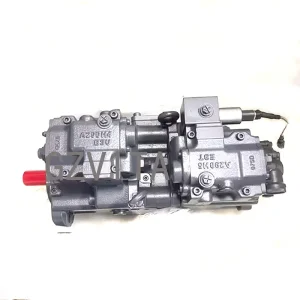
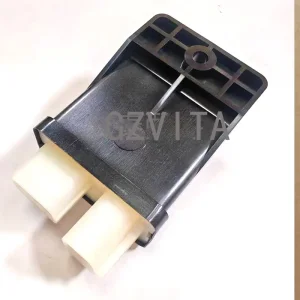
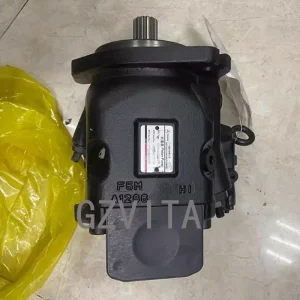
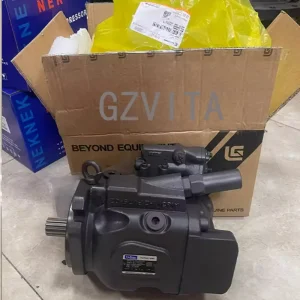
Wholesale Brand New 330C 330CL Excavator Main Pump 311-9541 3119541 Hydraulic Pump for Caterpillar E345C Manufacturers, Company

Daily visual inspection for external leaks,  , or damage on the pump housing and lines.

Check hydraulic oil level in the tank before starting the engine each shift.

Monitor hydraulic oil temperature gauge; avoid prolonged operation above normal range.

Listen for abnormal pump noises like cavitation (whining) or knocking during operation.

Inspect pump drive coupling for wear, cracks, and proper alignment.

Ensure pump mounting bolts are tight and secure to prevent vibration damage.

Verify all hydraulic hose connections at the pump are leak-free and not rubbing.

Check the pump's case drain line for unrestricted flow and no excessive leakage.

Maintain correct oil cleanliness by monitoring filter indicators and changing filters as required.

Use only recommended hydraulic oil with the proper viscosity grade for the ambient temperature.

Avoid running the pump dry – always ensure the system is primed with oil.

Allow a brief warm-up period at low idle in cold weather before applying full load.

Do not operate with a clogged or restricted inlet (suction) line or filter.

Monitor system pressure gauges for sudden drops or erratic readings.

Check for excessive heat on the pump housing by touch (caution: may be hot).

Keep the pump and surrounding area clean from dirt, mud, and debris buildup.

Follow the recommended oil change intervals strictly to maintain oil properties.

Bleed air from the hydraulic system after any service that may have introduced air.

Operate within the pump's specified pressure and flow ratings; avoid constant operation at relief pressure.

Avoid sudden and extreme changes in pump load or direction where possible.

Inspect the pump servo control linkage (if equipped) for smooth, free movement.

Ensure the hydraulic tank breather is clean and unclogged.

Record pump operation hours for accurate preventive maintenance scheduling.

Shut down immediately and investigate if a sudden loss of power or unusual vibration occurs.

Use a laser thermometer periodically to spot-check pump housing temperature.

Verify proper function of the main system relief valve as part of periodic checks.

Protect the pump from direct water jets during cleaning.

Follow the correct start-up and shutdown procedures as per the operator's manual.

Train operators to recognize early signs of potential pump problems.

Consult the official Caterpillar 330C service manual for all specific procedures, specifications, and safety warnings.

Product Description

The Importance of Hydraulic Pump Repair Kits

Hydraulic pump repair kits are essential for maintaining the efficiency and longevity of hydraulic systems. Here are several reasons highlighting their importance:

Cost-Effectiveness
Repairing a hydraulic pump using a repair kit is often significantly cheaper than replacing the entire pump. This can lead to substantial savings for businesses, especially those that rely heavily on hydraulic machinery.
Minimizing Downtime
Hydraulic systems are critical in many industrial applications. Having a repair kit on hand allows for quick repairs, minimizing downtime and keeping operations running smoothly.
Improved Performance
Over time, wear and tear can lead to decreased performance of hydraulic pumps. Repair kits typically include all necessary components to restore the pump to its optimal functioning state, ensuring efficient operation.
Preventive Maintenance
Regularly using repair kits as part of a preventive maintenance program can help identify and address issues before they lead to more significant problems, extending the life of the hydraulic system.
Comprehensive Solutions
Repair kits often come with all the necessary components, such as seals, O-rings, gaskets, and bearings, ensuring that all potential failure points are addressed during the repair process.
Enhanced Safety
A malfunctioning hydraulic pump can pose safety risks, including leaks and pressure failures. Repair kits help ensure that pumps are functioning correctly, reducing the risk of accidents in the workplace.
Environmental Considerations
Repairing rather than replacing hydraulic pumps can reduce waste and the environmental impact associated with manufacturing new components. This aligns with sustainability goals for many organizations.

Technical Support and Guidance

Many manufacturers provide detailed instructions and support for using repair kits, making it easier for technicians to perform repairs correctly and efficiently.

Customization

Some repair kits can be tailored to specific pump models or applications, ensuring that the right components are available for unique hydraulic systems.

Availability of Parts

Having a repair kit readily available means that parts can be replaced quickly without the need to wait for new components to be ordered, which can be crucial in urgent situations.

In summary: hydraulic pump repair kits play a vital role in maintaining hydraulic systems, offering cost savings, improved performance, and enhanced safety while supporting preventive maintenance efforts.

Frequently Asked Questions (FAQ)

Q1: Why is using a hydraulic pump repair kit more cost-effective?
Using a repair kit allows you to replace only the worn-out parts (such as seals, bearings, and gaskets) rather than purchasing an entirely new pump. This significantly reduces equipment maintenance expenses.
Q2: What is typically included in a standard hydraulic pump repair kit?
Most standard kits contain critical sealing and wear components, including O-rings, gaskets, oil seals, shaft seals, and bearings necessary to restore pump pressure and efficiency.
Q3: How do hydraulic repair kits improve system safety?
By replacing damaged components, repair kits prevent high-pressure fluid leaks and sudden pump failures, lowering the risk of hazardous fluid spraying and potential workplace accidents.
Q4: Are hydraulic pump repair kits model-specific?
Yes, most repair kits are tailored to specific pump makes, models, or configurations. It is crucial to verify your pump model details before ordering to ensure full compatibility.
Q5: How does preventive maintenance with repair kits reduce downtime?
Keeping kits on hand allows technicians to replace components during scheduled maintenance windows, stopping small wear issues from turning into major catastrophic failures that halt production.

Related Products