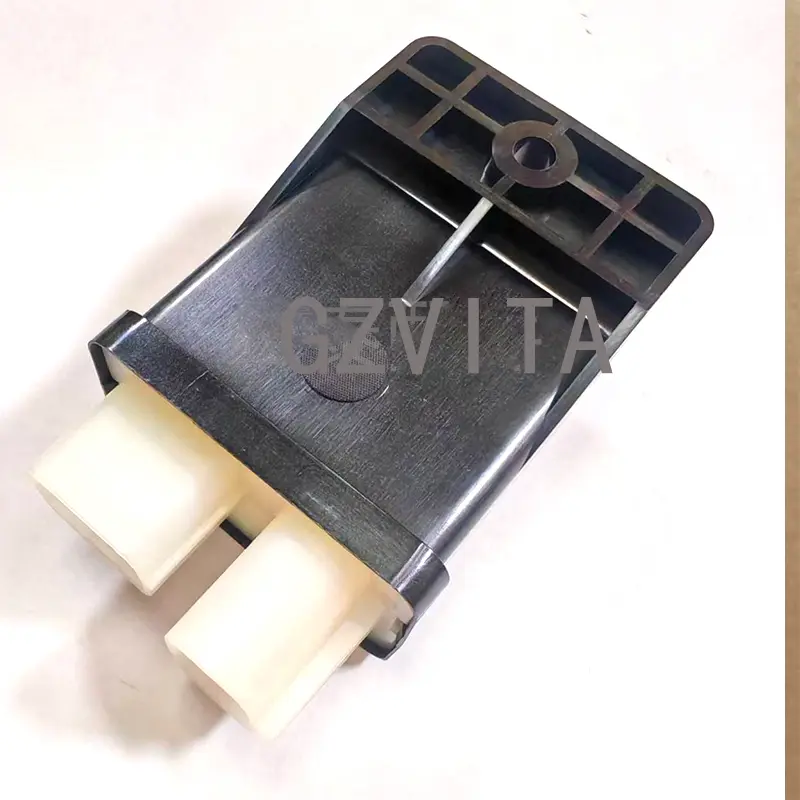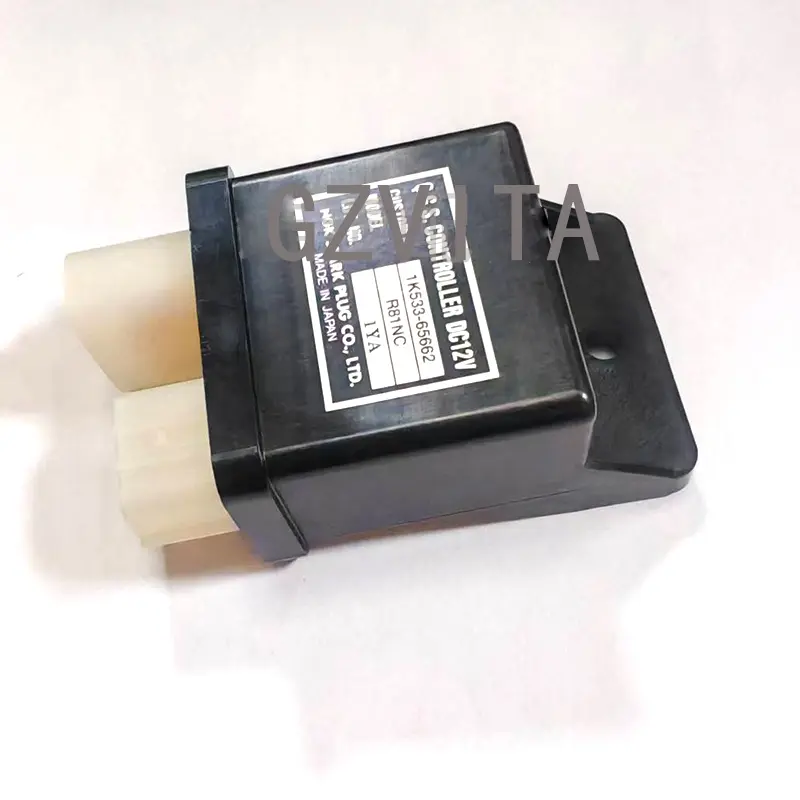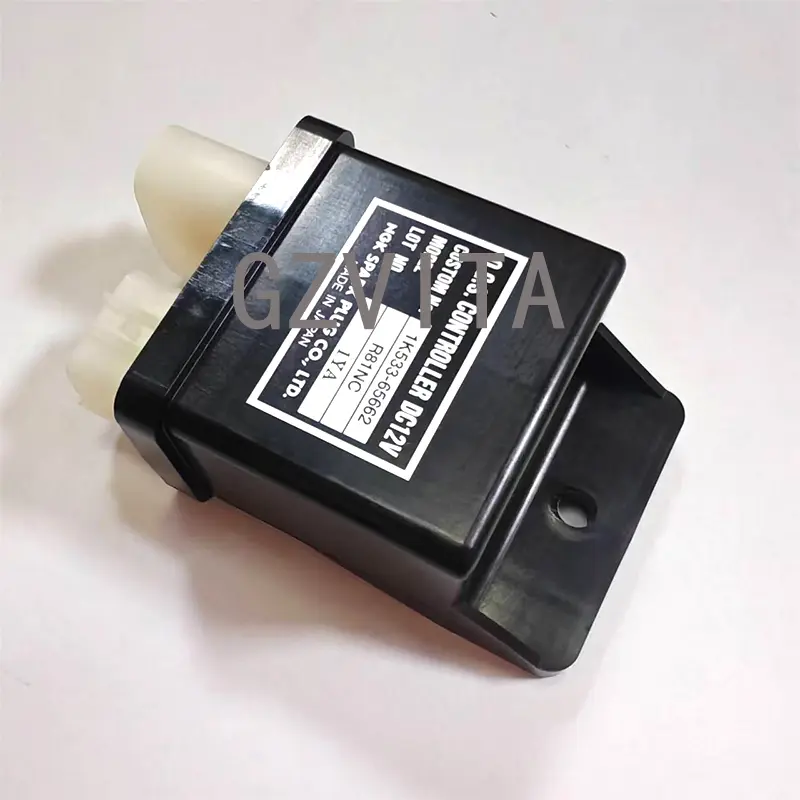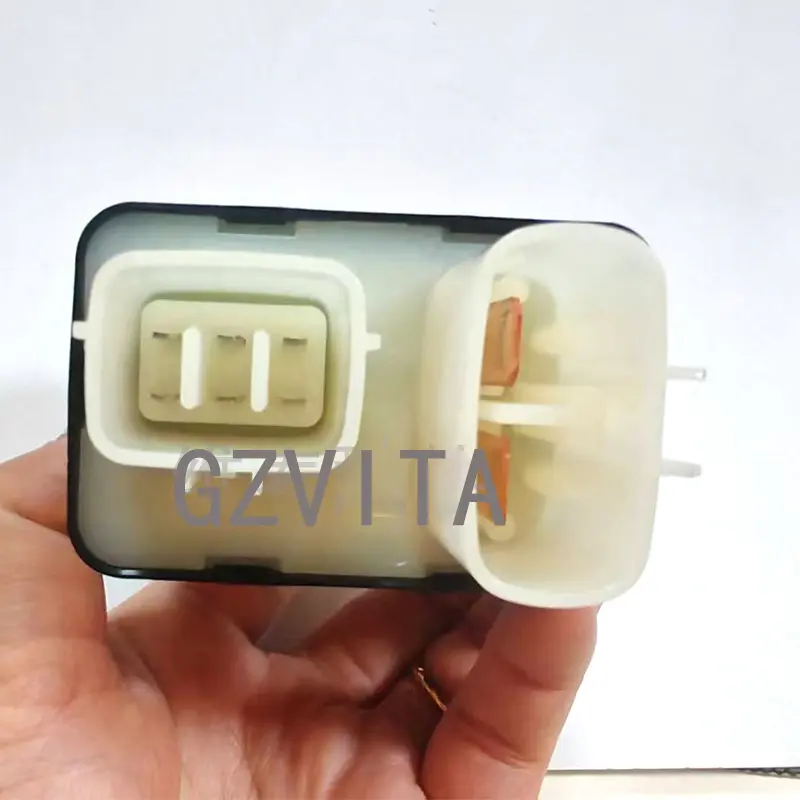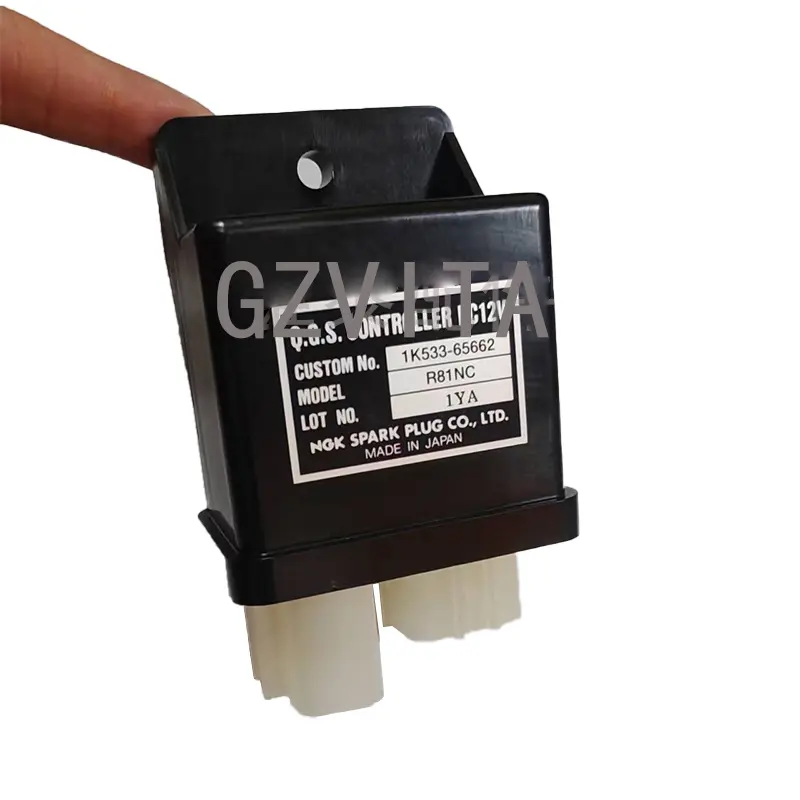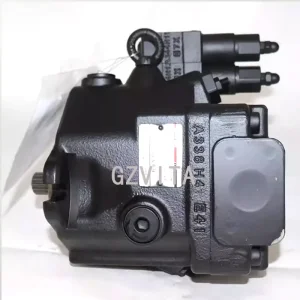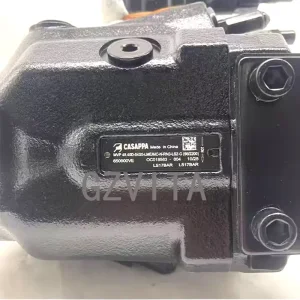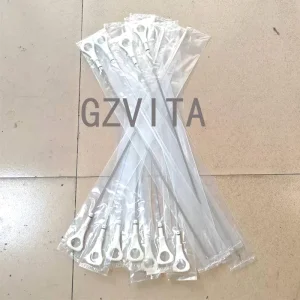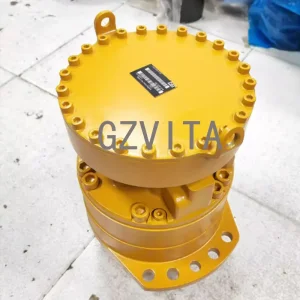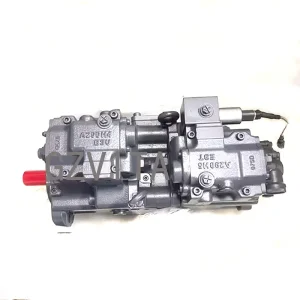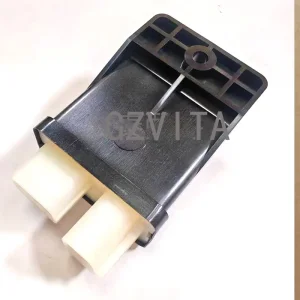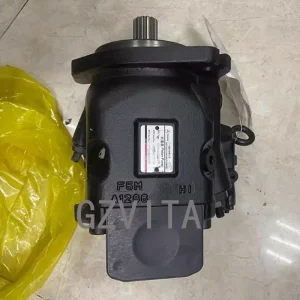
Wholesale V2607 Relay 1K533-65662 1K53365662 for Kubota New Replacement Parts

Electrical remote switch – Acts as a remotely controlled switch for high-current circuits.

Low-current control of high-current loads – Allows a small switch/ECU signal to control heavy electrical devices.

Circuit protection – Protects sensitive control switches from high-amperage damage.

Load isolation – Separates control circuits from power circuits.

Signal amplification – Electromechanically amplifies a small input signal to handle large output power.

Power distribution hub – Centralizes switching for multiple high-power accessories.

Starter motor engagement – Controls the high-current circuit to the starter solenoid (main relay).

Fuel shutoff solenoid operation – Powers the solenoid to open/close the fuel supply.

Glow plug activation – Manages high current to glow plugs for cold starts.

Engine cooling fan control – Switches power to the electric cooling fan motor.

Fuel pump operation – Powers the electric lift pump (if equipped).

AC compressor clutch engagement – Controls power to the air conditioning clutch.

Heater fan/blower control – Switches power to the cabin heater fan.

Engine ECU main power supply – Provides switched battery power to the Engine Control Unit.

Sensor power supply – May provide stable power to critical sensors.

Pre-heater grid control – For engines with intake air heaters.

Warning light and alarm activation – Powers visual/audible alerts.

Instrument cluster power – Supplies power to gauges and displays.

Normally open (NO) contact – Contacts close to complete the circuit when energized.

Normally closed (NC) contact – Contacts open to break the circuit when energized.

Single-pole, single-throw (SPST) – A simple on/off switch configuration.

Single-pole, double-throw (SPDT) – Switches between two output circuits.

Electromagnetic coil activation – An energized coil creates a magnetic field to pull contacts.

Latching relay function – Some remain in position after a pulse signal.

Time-delay function – Certain relays have built-in timers (e.g., for glow plugs).

Continuous duty vs. intermittent duty – Rated for constant or short-term operation.

Overload protection – Prevents wiring and switches from overheating.

Short circuit protection – Often used in conjunction with fuses.

Voltage spike suppression – May contain diodes to protect control circuits.

Electrical noise reduction – Isolates noise from high-current devices.

Safety interlock implementation – Ensures sequences (e.g., start only in neutral).

Fail-safe operation – Defaults to a safe state (e.g., fuel shutoff) if power is lost.

Preventing starter motor damage – Ensures starter disengages after engine starts.

Thermal protection – Some have internal breakers to prevent overheating.

ECU command execution – The ECU triggers relays to activate actuators.

Ignition switch signal interpretation – Converts key position into power distribution.

Safety switch integration – Interrupts relay coil based on seat, PTO, or brake switches.

Timer module integration – Works with timer modules for glow plug or start sequences.

Diagnostic trigger – A faulty relay can help isolate electrical faults.

Power sequencing – Ensures systems energize in correct order (e.g., ECU before sensors).

Load shedding function – May cut non-essential loads during cranking.

Voltage stabilization – Provides a stable power source for sensitive electronics.

Product Description

Hydraulic pump repair kits are essential for maintaining the efficiency and longevity of hydraulic systems. Here are several reasons highlighting their importance:

Cost-Effectiveness

Repairing a hydraulic pump using a repair kit is often significantly cheaper than replacing the entire pump. This can lead to substantial savings for businesses, especially those that rely heavily on hydraulic machinery.

Minimizing Downtime

Hydraulic systems are critical in many industrial applications. Having a repair kit on hand allows for quick repairs, minimizing downtime and keeping operations running smoothly.

Improved Performance

Over time, wear and tear can lead to decreased performance of hydraulic pumps. Repair kits typically include all necessary components to restore the pump to its optimal functioning state, ensuring efficient operation.

Preventive Maintenance

Regularly using repair kits as part of a preventive maintenance program can help identify and address issues before they lead to more significant problems, extending the life of the hydraulic system.

Comprehensive Solutions

Repair kits often come with all the necessary components, such as seals, O-rings, gaskets, and bearings, ensuring that all potential failure points are addressed during the repair process.

Enhanced Safety

A malfunctioning hydraulic pump can pose safety risks, including leaks and pressure failures. Repair kits help ensure that pumps are functioning correctly, reducing the risk of accidents in the workplace.

Environmental Considerations

Repairing rather than replacing hydraulic pumps can reduce waste and the environmental impact associated with manufacturing new components. This aligns with sustainability goals for many organizations.

Technical Support and Guidance

Many manufacturers provide detailed instructions and support for using repair kits, making it easier for technicians to perform repairs correctly and efficiently.

Customization

Some repair kits can be tailored to specific pump models or applications, ensuring that the right components are available for unique hydraulic systems.

Availability of Parts

Having a repair kit readily available means that parts can be replaced quickly without the need to wait for new components to be ordered, which can be crucial in urgent situations.

In Summary

Hydraulic pump repair kits play a vital role in maintaining hydraulic systems, offering cost savings, improved performance, and enhanced safety while supporting preventive maintenance efforts.

Frequently Asked Questions

Why should I use a hydraulic pump repair kit instead of replacing the pump?

Using a repair kit is highly cost-effective compared to buying a brand-new pump. It allows you to replace only the worn-out components like seals, bearings, and gaskets, saving significant expenses while restoring the pump's performance.

How do repair kits help minimize operational downtime?

Having a repair kit readily on hand means your technicians can perform quick, immediate repairs on-site rather than waiting days or weeks for new pump components to be ordered and shipped.

What components are typically included in these repair kits?

Hydraulic pump repair kits are comprehensive solutions that generally include all critical wear-and-tear parts such as O-rings, seals, gaskets, and bearings to address potential failure points effectively.

Can using repair kits improve workplace safety?

Yes. Malfunctioning hydraulic pumps can lead to high-pressure fluid leaks and sudden pressure failures, which pose severe workplace safety risks. Regularly maintaining pumps with quality repair kits ensures correct operation and reduces accident risks.

Are hydraulic pump repair kits customizable?

Yes, many repair kits can be customized and tailored to match specific pump models or unique application requirements, ensuring you have the exact fit for your hydraulic system.
Related Products