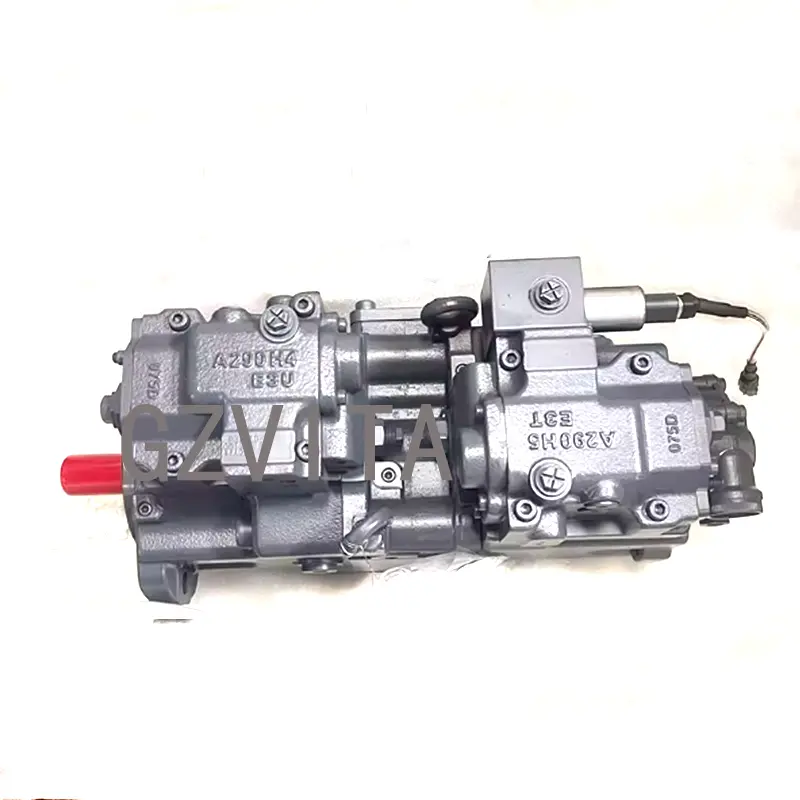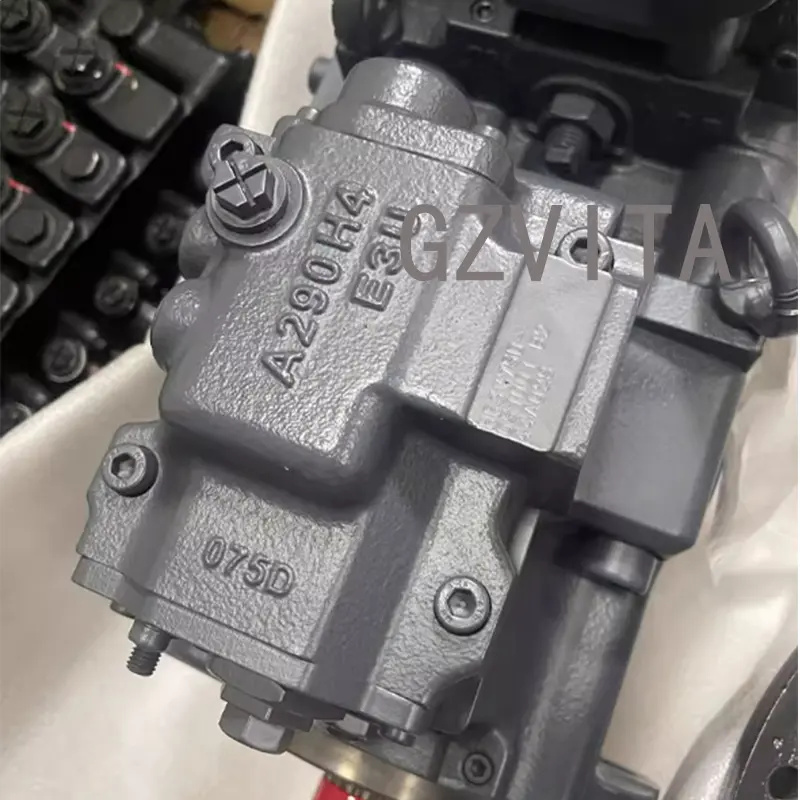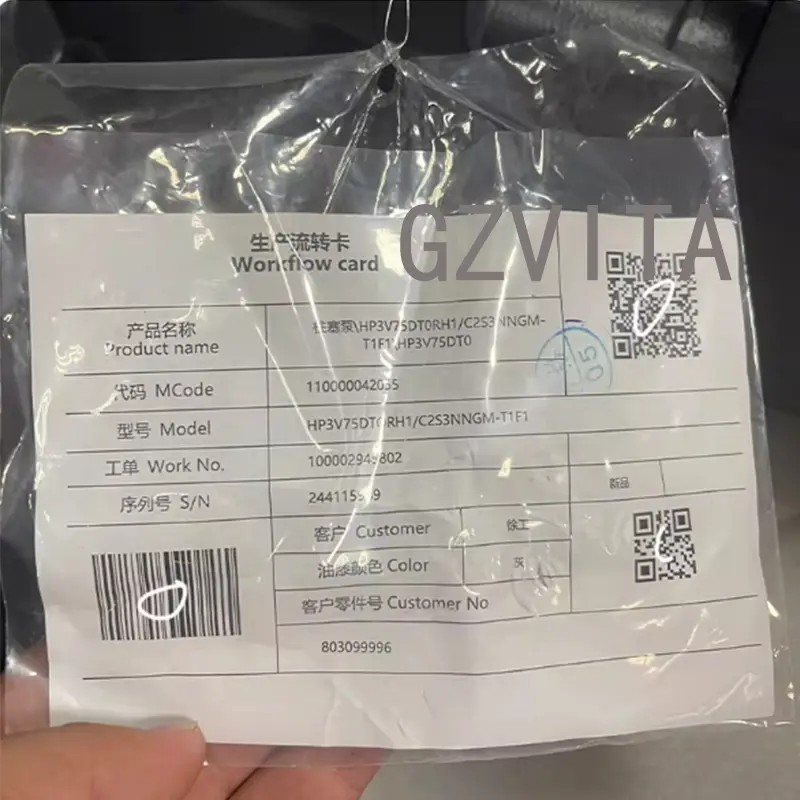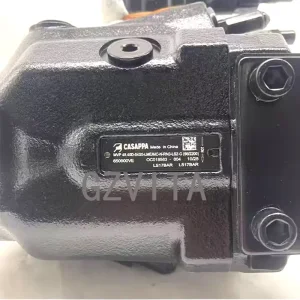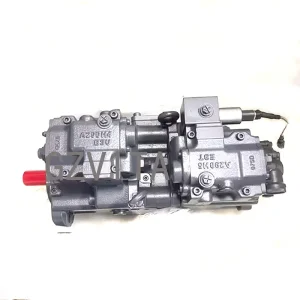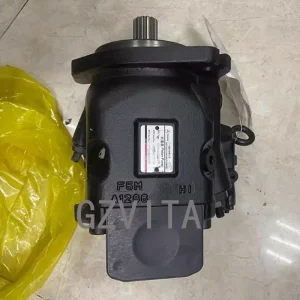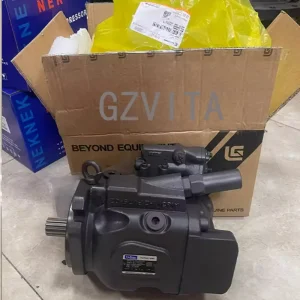
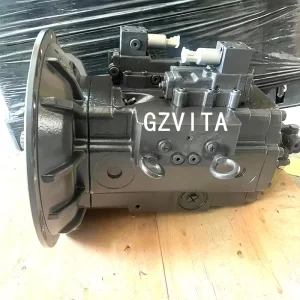
Wholesale Excavator Parts: Hengli HP3V75D Main Pump Plunger Pump Assembly for XCMG 135D, 150D, 155DK Hydraulic System Supplier, Products

Constant Flow/Pressure Regulation​ – Maintains steady output despite load changes.

Pressure Compensation Mechanism​ – Adjusts pump displacement based on system pressure.

Load-Sensing Control​ – Detects load demand to modulate flow and pressure.

Variable Displacement Design​ – Changes piston/swashplate angle to alter output.

Feedback Loop System​ – Uses pressure signals to continuously adjust pump delivery.

Swashplate Angle Control​ – Tilts the swashplate to vary piston stroke length.

Hydraulic Servo Control​ – Employs hydraulic pressure to position the swashplate.

Pressure Cut-off Function​ – Limits maximum pressure by reducing displacement.

Flow Control Valve Integration​ – Works with valves to stabilize flow rate.

Constant Power Regulation​ – Adjusts output to stay within a set power curve.

Pressure Feedback Line​ – Senses load pressure to guide pump adjustment.

Stable Torque Output​ – Maintains consistent hydraulic power to the system.

Reduced Energy Consumption​ – Delivers only needed flow/pressure, minimizing waste.

Automatic Destroking​ – At peak pressure, reduces displacement to near zero.

Compensator Spring Adjustment​ – Sets the desired pressure or flow level.

Spool Valve Operation​ – Shifts to direct control oil to the servo piston.

Servo Piston Movement​ – Acts on the swashplate to change displacement.

Closed-Loop Control​ – Continuously compares actual output with target setpoint.

Pressure Limiter Role​ – Prevents system overpressure by overriding other controls.

Flow Demand Matching​ – Supplies precise flow required by actuators.

Minimizes Heat Generation​ – Avoids excess fluid bypass, reducing thermal load.

Improves System Efficiency​ – Optimizes output to match real-time demands.

Mechanical-Hydraulic Feedback​ – Uses mechanical linkage for simple, reliable control.

Electro-Proportional Control (advanced)​ – Uses solenoid valves for precise electronic adjustment.

Maintains Actuator Speed​ – Keeps actuator speed constant under varying loads.

Prevents Motor Overload​ – Protects the drive motor by limiting hydraulic power.

Integrated Control Package​ – Combines compensation, pressure relief, and control in one unit.

Adaptive Output Characteristic​ – Automatically shifts between constant flow and constant pressure modes.

System Stability Enhancement​ – Reduces pressure spikes and fluctuations.

Core of Energy-Saving Hydraulics​ – Fundamental component for efficient modern hydraulic systems.

Product Description

The Importance of Hydraulic Pump Repair Kits

Hydraulic pump repair kits are essential for maintaining the efficiency and longevity of hydraulic systems. Here are several reasons highlighting their importance:
Cost-Effectiveness

Repairing a hydraulic pump using a repair kit is often significantly cheaper than replacing the entire pump. This can lead to substantial savings for businesses, especially those that rely heavily on hydraulic machinery.

Minimizing Downtime

Hydraulic systems are critical in many industrial applications. Having a repair kit on hand allows for quick repairs, minimizing downtime and keeping operations running smoothly.

Improved Performance

Over time, wear and tear can lead to decreased performance of hydraulic pumps. Repair kits typically include all necessary components to restore the pump to its optimal functioning state, ensuring efficient operation.

Preventive Maintenance

Regularly using repair kits as part of a preventive maintenance program can help identify and address issues before they lead to more significant problems, extending the life of the hydraulic system.

Comprehensive Solutions

Repair kits often come with all the necessary components, such as seals, O-rings, gaskets, and bearings, ensuring that all potential failure points are addressed during the repair process.

Enhanced Safety

A malfunctioning hydraulic pump can pose safety risks, including leaks and pressure failures. Repair kits help ensure that pumps are functioning correctly, reducing the risk of accidents in the workplace.

Environmental Considerations

Repairing rather than replacing hydraulic pumps can reduce waste and the environmental impact associated with manufacturing new components. This aligns with sustainability goals for many organizations.

Technical Support and Guidance

Many manufacturers provide detailed instructions and support for using repair kits, making it easier for technicians to perform repairs correctly and efficiently.

Customization

Some repair kits can be tailored to specific pump models or applications, ensuring that the right components are available for unique hydraulic systems.

Availability of Parts

Having a repair kit readily available means that parts can be replaced quickly without the need to wait for new components to be ordered, which can be crucial in urgent situations.

In Summary

Hydraulic pump repair kits play a vital role in maintaining hydraulic systems, offering cost savings, improved performance, and enhanced safety while supporting preventive maintenance efforts.
Frequently Asked Questions

Why should I use a repair kit instead of replacing the entire hydraulic pump?
Using a repair kit is highly cost-effective, allowing you to restore your pump to optimal working condition at a fraction of the cost of purchasing a completely new pump.
What components are typically included in a hydraulic pump repair kit?
Standard repair kits contain critical components such as seals, O-rings, gaskets, and bearings, ensuring that all major potential wear and failure points are addressed.
Can using repair kits help reduce equipment downtime?
Yes. Keeping repair kits on-site allows technicians to perform quick repairs immediately, minimizing operational disruptions and preventing prolonged system downtime.
Are hydraulic pump repair kits customizable?
Yes, many repair kits can be customized or tailored to fit specific hydraulic pump models or unique application requirements.
How do repair kits contribute to environmental sustainability?
By repairing instead of discarding and replacing entire pump assemblies, organizations reduce industrial waste and lower the carbon footprint associated with manufacturing new machinery parts.
Do repair kits require specialized skills to install?
While basic technical knowledge is needed, many manufacturers provide comprehensive instructions and support, making the repair process straightforward for maintenance technicians.

Related Products