 Vita Construction
1 / 3
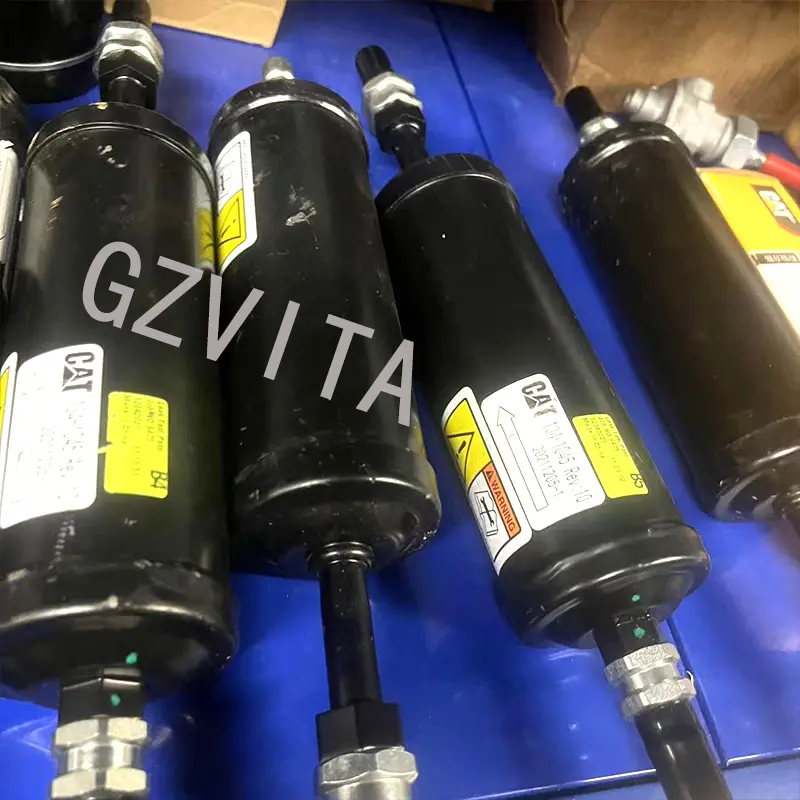
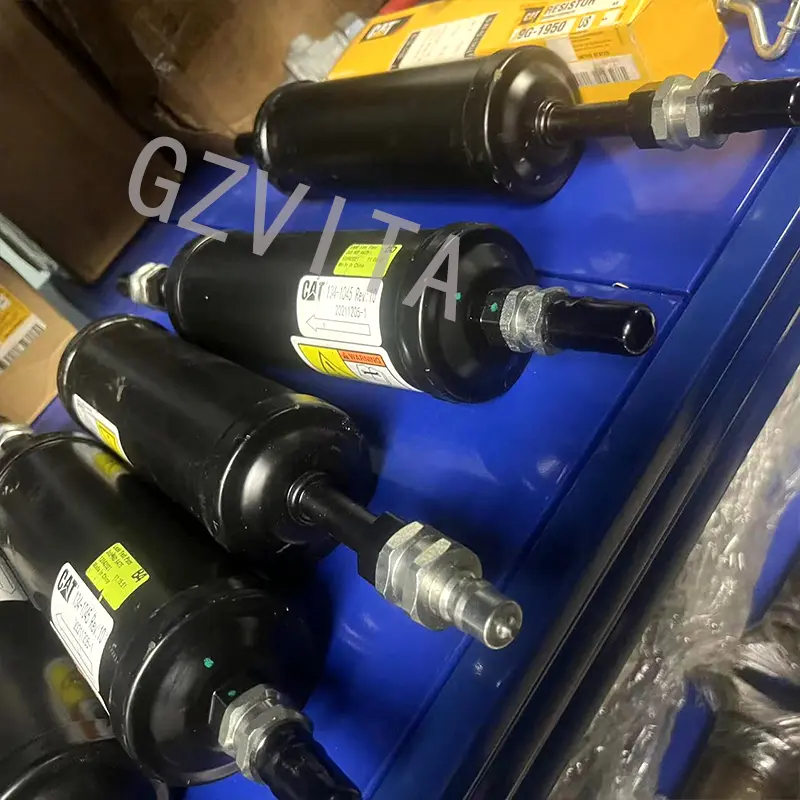
In the demanding environment of mining operations, equipment reliability and performance are paramount. One critical component that contributes to the efficiency and longevity of mining excavators is the dryer system. The dryer is designed to manage moisture levels in various hydraulic and lubrication systems, ensuring optimal operation under challenging conditions.
The dryer system in mining excavators is primarily used to remove moisture from hydraulic fluids and lubricants. Excess moisture can lead to a range of issues, including reduced lubrication effectiveness, increased wear on components, and potential hydraulic system failures. By maintaining the proper moisture levels, the dryer helps ensure that the excavator operates smoothly and efficiently.
The primary function of the dryer is to extract moisture from hydraulic fluids and lubricants. This is crucial in preventing water contamination, which can compromise the performance of hydraulic systems and lead to premature wear of components.
By keeping hydraulic fluids free from moisture, the dryer ensures that lubrication remains effective. This is vital for reducing friction and wear in moving parts, thereby extending the lifespan of the excavator.
Moisture can lead to corrosion and rust in hydraulic systems and components. The dryer helps protect these systems by preventing water accumulation, thereby reducing the risk of damage and costly repairs.
By maintaining optimal moisture levels, the dryer contributes to the overall efficiency of the excavator. This can lead to improved performance, reduced fuel consumption, and lower operational costs.
Many modern dryers are equipped with sensors and monitoring systems that provide real-time data on moisture levels. This integration allows operators to monitor the condition of hydraulic fluids and take proactive measures to maintain system integrity.
Regular maintenance of the dryer system is essential to ensure its proper functioning and longevity. Key maintenance practices include:
Regularly check the dryer for signs of wear, leaks, or blockages. Early detection of issues can prevent more significant problems and ensure reliable operation.
Many dryer systems include filters that need to be replaced periodically. Keeping filters clean and functional is crucial for maintaining moisture removal efficiency.
Regularly test hydraulic fluids and lubricants for moisture content. This helps ensure that the dryer is effectively performing its function and that the fluids remain within acceptable parameters.
A dryer system manages moisture levels in hydraulic and lubrication systems, preventing issues like reduced lubrication effectiveness, wear, and potential component failures under demanding mining conditions.
Excess moisture can compromise lubrication, increase wear on parts, cause corrosion and rust, and ultimately lead to expensive hydraulic system failures and repairs.
It extracts moisture from fluids to prevent water contamination, reduces component friction and wear, and prevents rust accumulation in hydraulic paths.
Many modern dryers feature sensors providing real-time data on moisture levels, enabling operators to check oil condition proactively and act before issues develop.
Essential practices include routine inspections for wear, leaks, and blockages, periodic filter replacements, and regular testing of hydraulic fluid moisture levels.