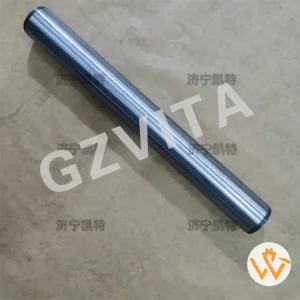
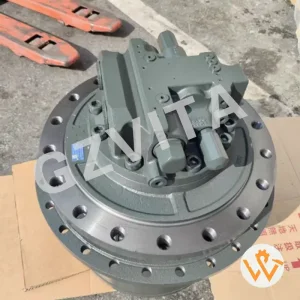
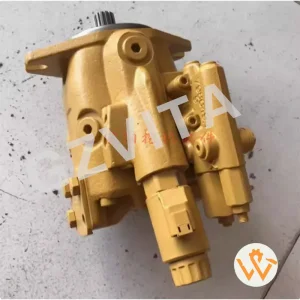
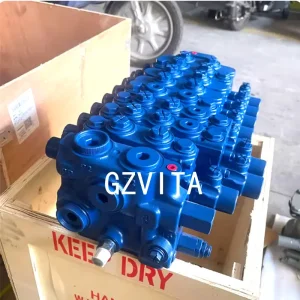
Explore our high-performance replacement parts engineered for global mining, infrastructure development, and industrial excavation systems.
How modern metallurgy and fluid design are changing structural efficiency requirements for global construction equipment.
The global excavator attachments market is experiencing a profound shift away from low-cost, general-purpose components toward application-specific, high-durability solutions. As infrastructure projects demand faster cycle times and operational costs scale upward, the performance of the excavator bucket has become a key lever for productivity. Modern earthmoving attachments are no longer simple welded steel boxes; they are highly engineered hydraulic interfaces.
Key industry trends focus heavily on structural weight reduction without sacrificing yield strength. Using advanced high-strength steels, such as Hardox® wear plate and Q355B low-alloy carbon structural steel, manufacturers can design lighter buckets that possess greater volumetric capacity. This optimization improves fuel efficiency by reducing dead weight and minimizing wear on critical machine elements like traveling motors and swing drives.
Furthermore, the deployment of intelligent digging systems has forced changes in bucket geometry. To optimize the penetration angle and reduce resistance during digging, designers utilize finite element analysis (FEA) to calculate stress patterns. This ensures that weld joints are positioned outside high-stress concentration zones. Consequently, today's procurement directors prioritize suppliers who demonstrate rigorous weld-testing and structural integrity evaluations over vendors offering simple off-the-shelf products.
As smart mining initiatives expand globally, buckets are increasingly matched with telemetry and wear sensor packages. Real-time wear-layer tracking allows predictive maintenance schedules, preventing catastrophic failures at isolated worksites. As a result, the "Titan" class of buckets represents a new paradigm: maximizing payload efficiency while extending the lifecycle of the parent excavator's hydraulic controls and undercarriage components.
Addressing Total Cost of Ownership (TCO) and cross-border supply chain challenges in heavy machinery manufacturing.
Procurement teams must ensure attachments perfectly match operational parameters. A deviation in pin diameter or bracket geometry on a PC400-7 final drive hookup can result in excessive lateral play, accelerating wear on boom cylinder pins.
Low initial purchase price often leads to early fatigue cracks, costly weld repairs, and field downtime. Factoring in repair costs, structural life expectancy, and wear plate consumption reveals that quality-assured components yield superior ROI.
Geopolitical shifts and shipping delays demand partners with integrated manufacturing and direct access to major logistics hubs. A diversified supplier that produces both buckets and key hydraulic/undercarriage assemblies mitigates risk.
Leveraging robotic precision, intelligent design, and Hubei's raw metal resources to guarantee high-performance manufacturing.
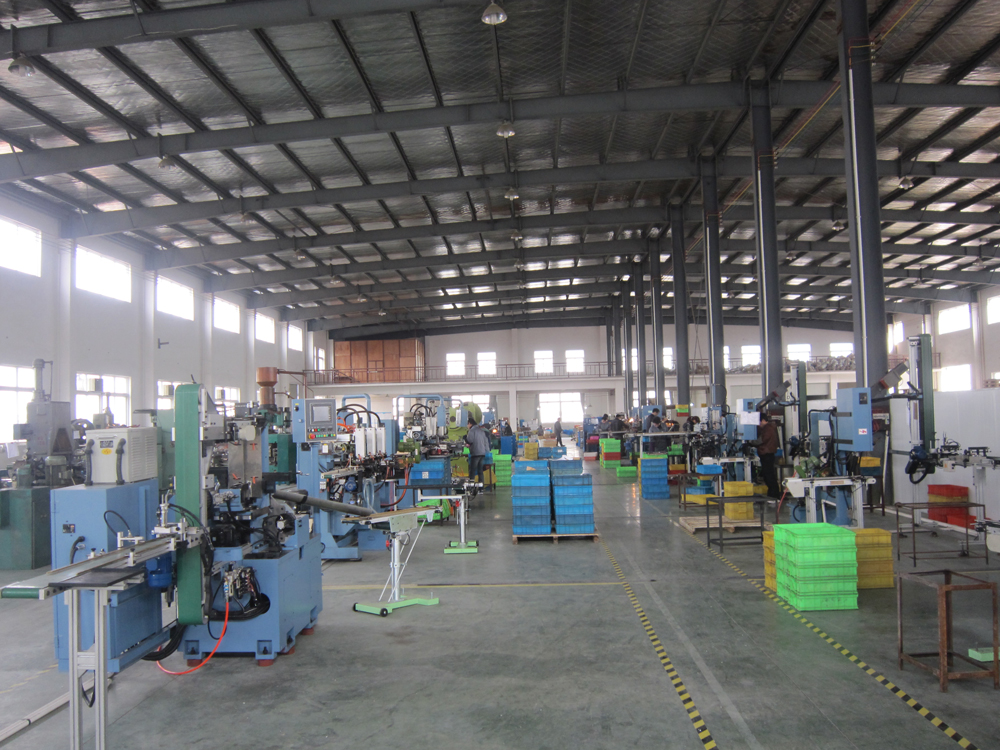
China’s heavy machinery manufacturing has transitioned from labor-intensive assembly to digital, automated manufacturing. The integration of Industry 4.0 paradigms allows us to achieve exceptional precision. In our Xiangyang facility, production relies on computer-controlled systems and automated processes. CNC plasma cutters translate digital designs directly into steel plates, eliminating variations that can compromise a bucket's fitment.
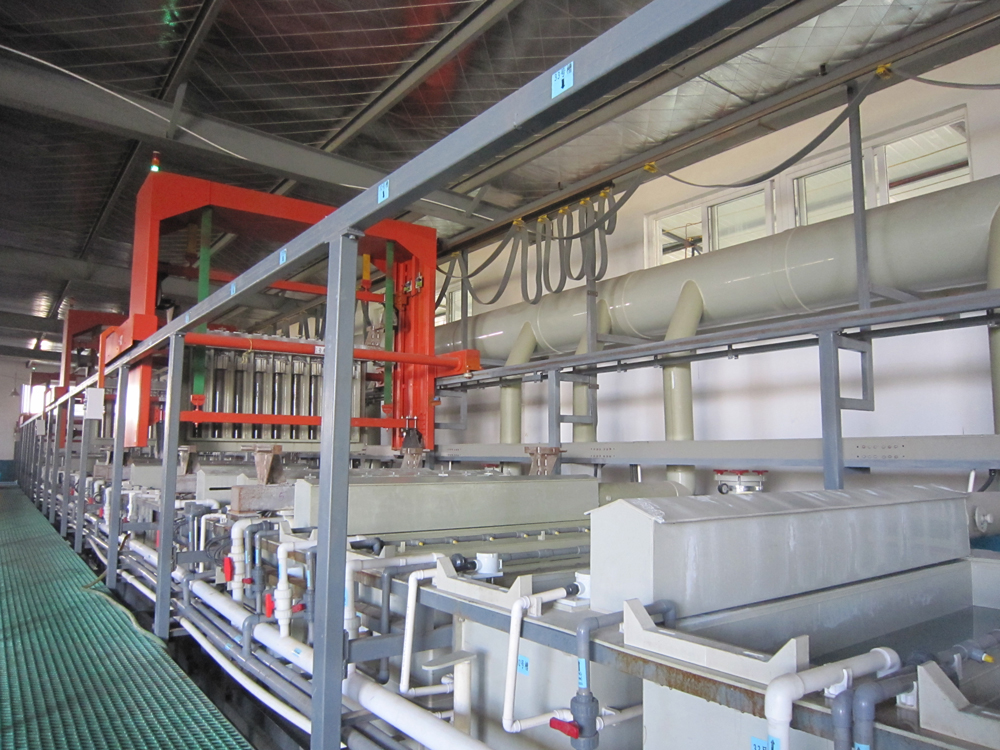
Welding quality determines the lifespan of any high-capacity excavator attachment. Our manufacturing center uses automated robotic arc welding lines. These systems maintain precise temperature controls to prevent the formation of brittle zones near the weld seam. This digital approach ensures optimal penetration and weld-bead uniformity, allowing the buckets to withstand extreme stresses under hard digging conditions.
By utilizing a highly localized raw material and component ecosystem, we minimize vulnerabilities to international shipping volatility. The metallurgical clusters in Central China provide our facility with direct, low-cost access to high-grade alloy steels. Because our manufacturing process is fully integrated with Hubei's steel networks, we can absorb international supply shocks while maintaining competitive pricing structures.
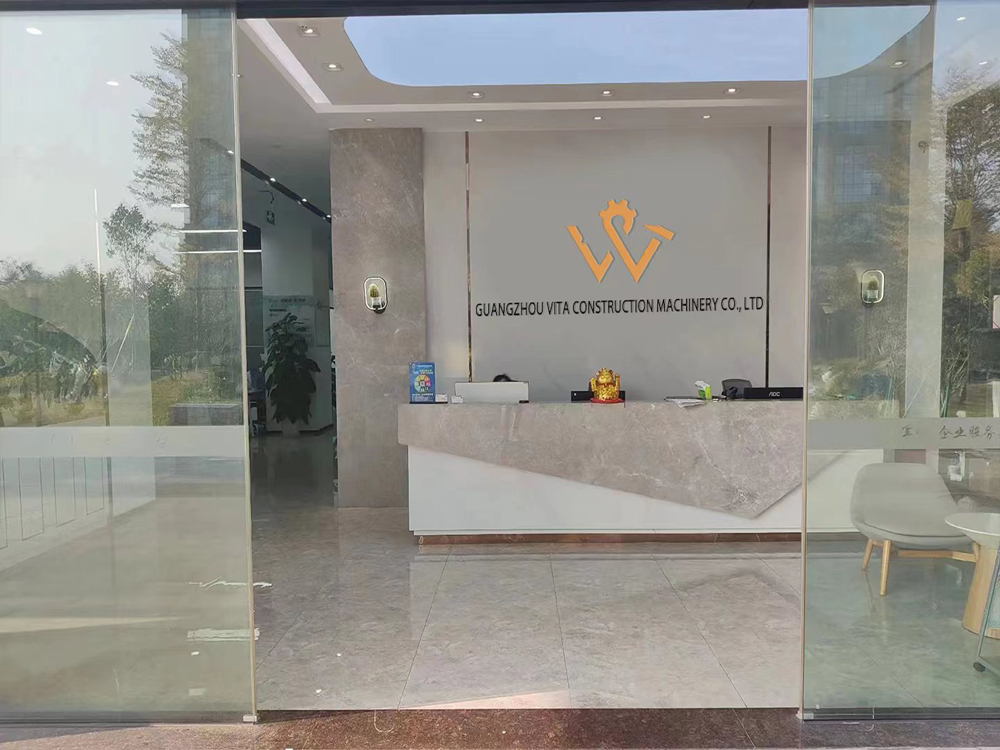
This operational resilience translates directly to delivery speed. Working with our primary logistical office in Guangzhou, we coordinate custom configurations, import clearance, and maritime shipping under a single workflow. Our streamlined supply chain ensures that custom-spec buckets are fabricated, quality-inspected, and dispatched to global ports within reliable timelines.
Analyzing custom excavator configurations across challenging physical environments and remote worksites.
In high-impact rock quarries, standard carbon buckets can wear out quickly. Our heavy-duty rock buckets feature reinforced side cutters and heel shrouds. This configuration matches the hydraulic power of large machines like the Komatsu PC400-7, providing deep penetration in hard-packed strata.
Wet, abrasive sands degrade steel through friction and corrosion. Our custom maritime buckets feature dedicated drainage systems and anti-corrosive treatments. These modifications reduce resistance when operating under water and prevent waterlogged payloads.
Urban utility construction demands clean trenches and precise contours. Our ditching and grading buckets feature wide profiles and sharp cutting edges. This design improves material retention and produces flat trench bottoms, reducing clean-up work.
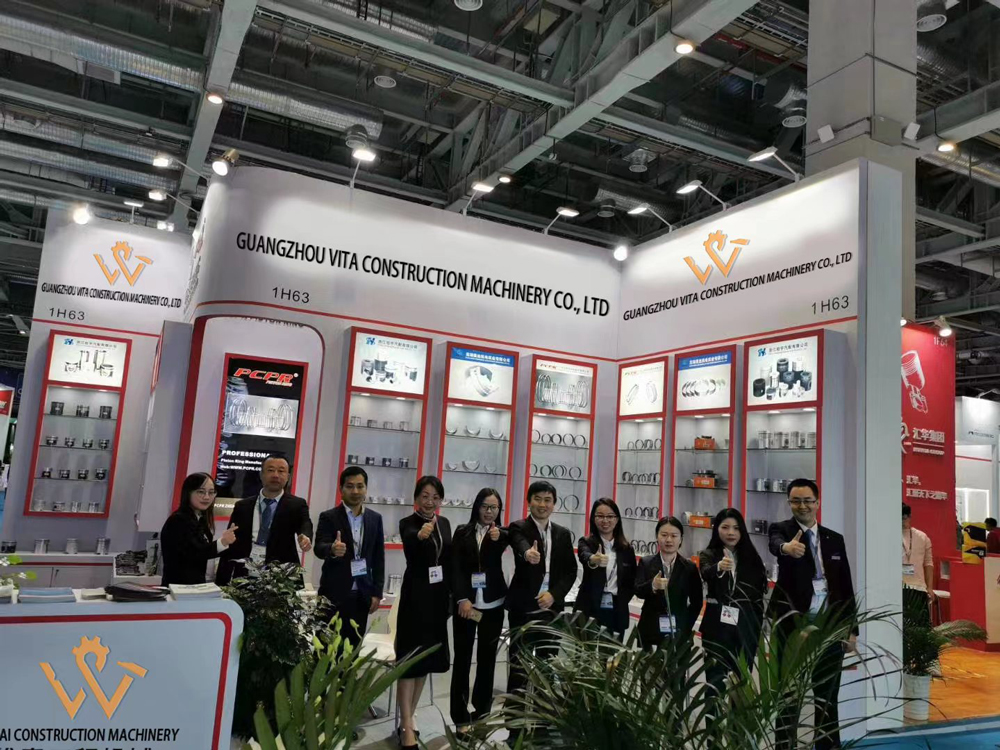
Guangzhou Vita Construction Machinery Co., Ltd. — Your Integrated Partner for Industrial Machinery Components.
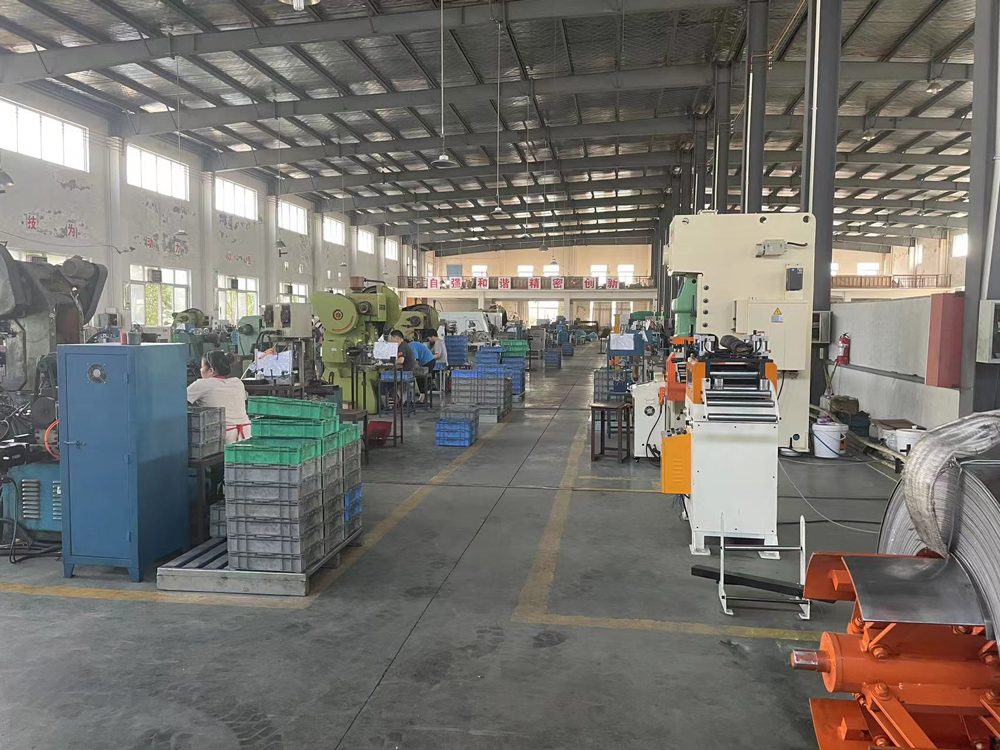
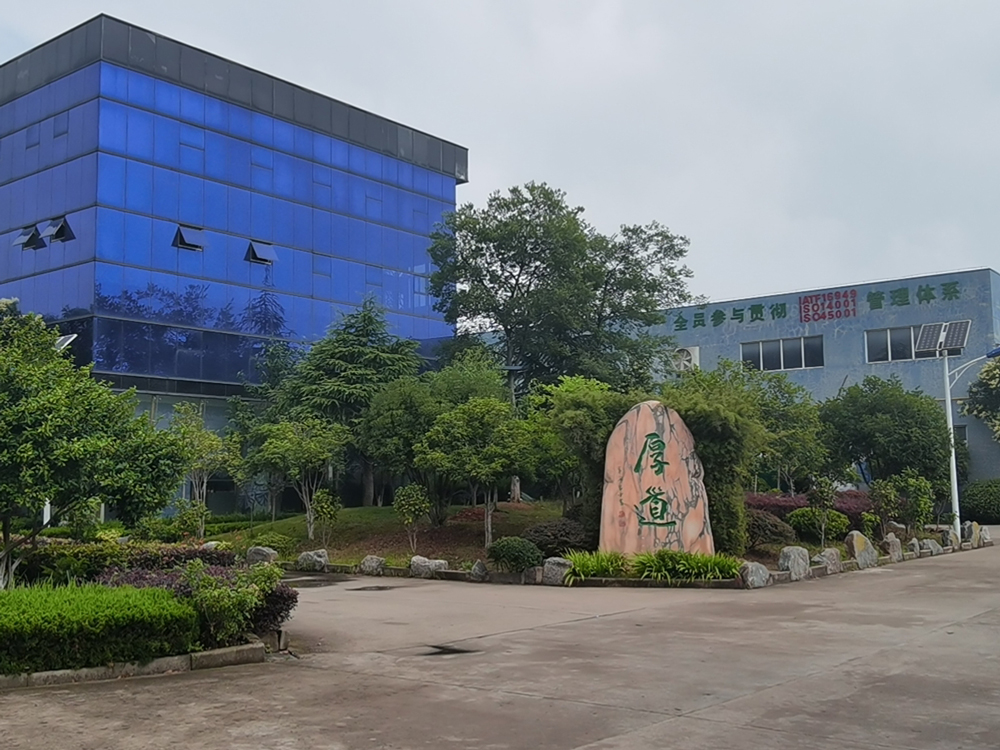
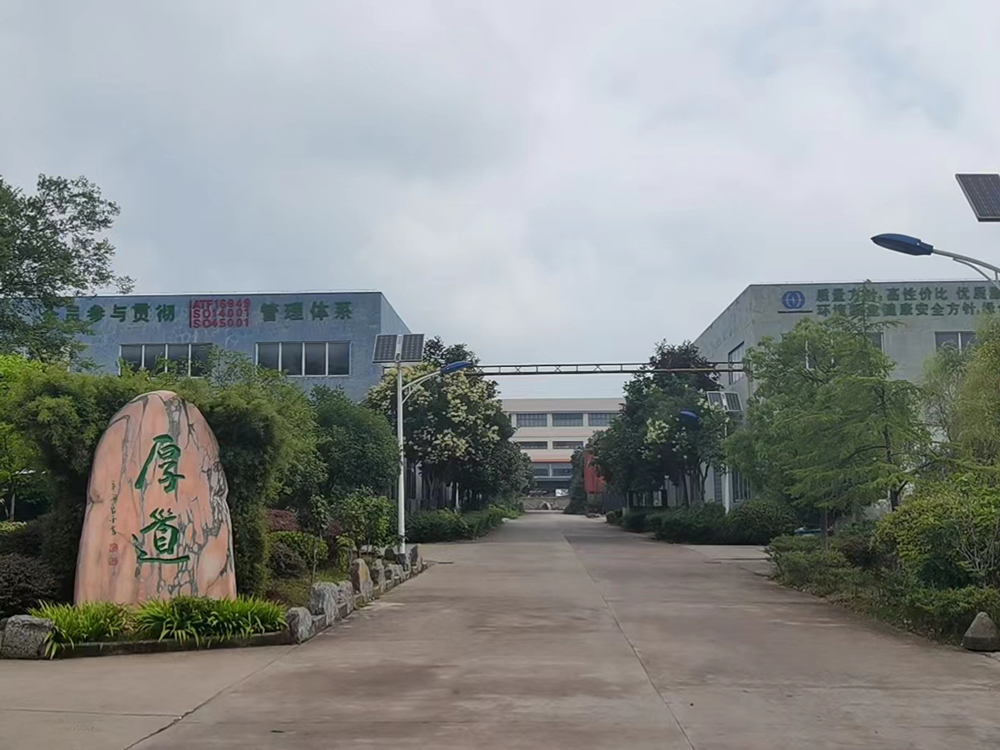
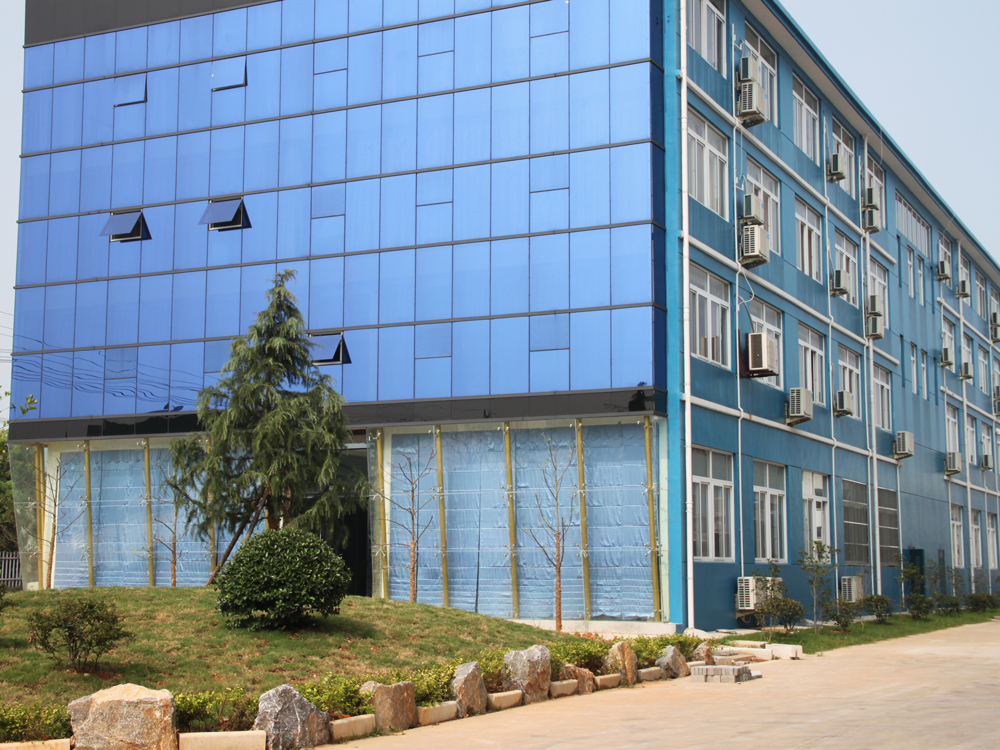
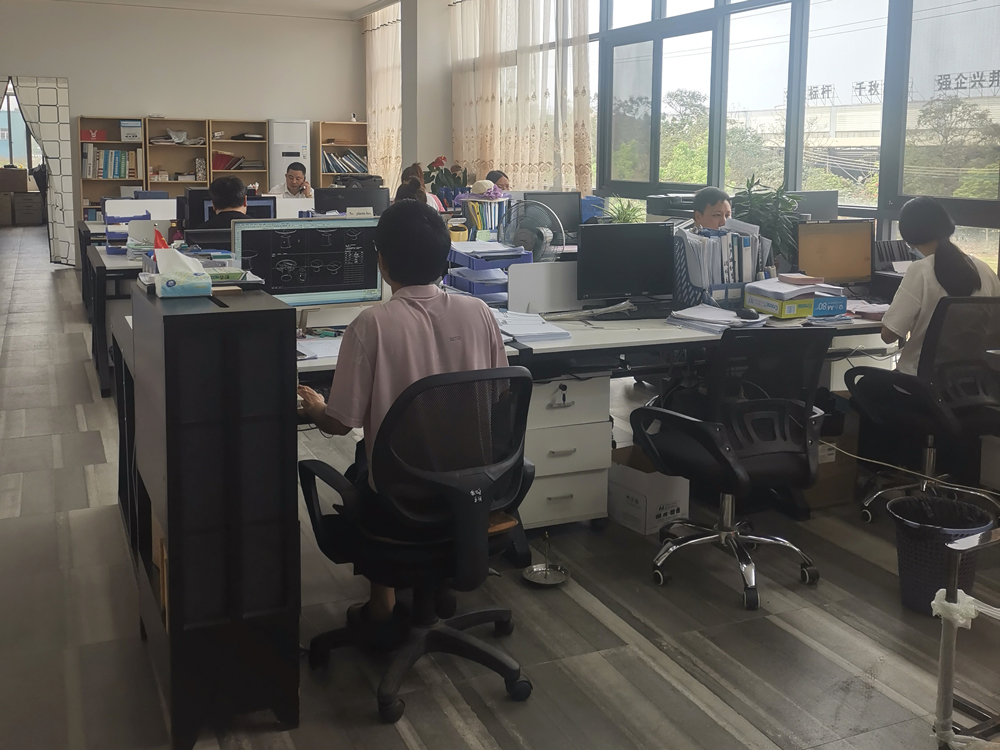
Guangzhou Vita Construction Machinery Co., Ltd. is one of the largest companies combining factory manufacturing with international trade. Our primary factory is located in Xiangyang City, Hubei Province, where our 18,000 square meter workshop houses advanced production machinery. Over 278 skilled workers and 8 experienced design engineers work to maintain stable quality and reliable delivery cycles.
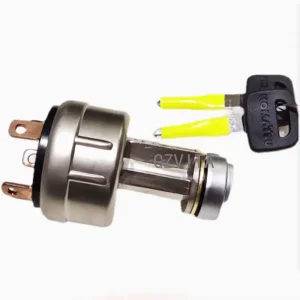
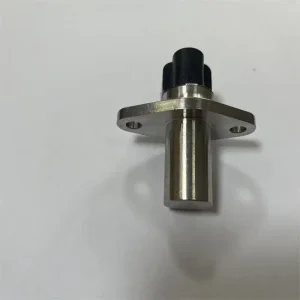
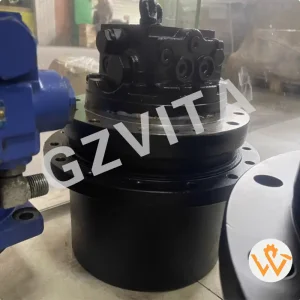
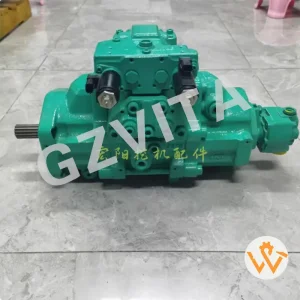
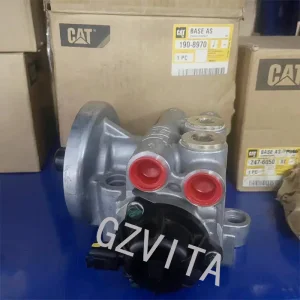
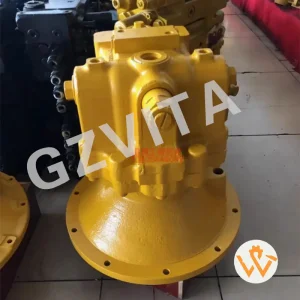
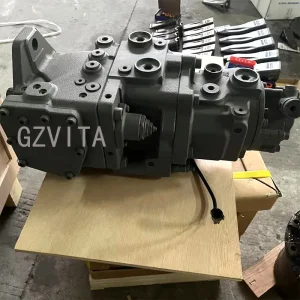
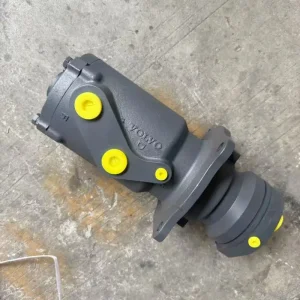
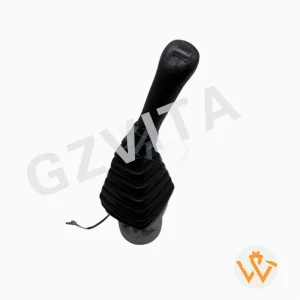
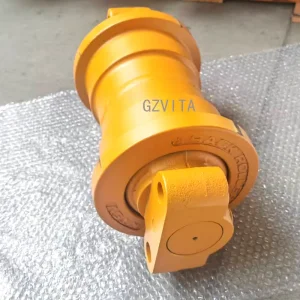
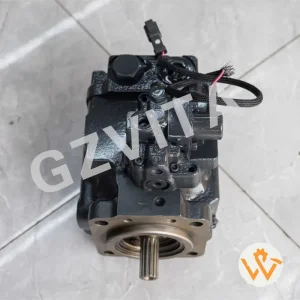
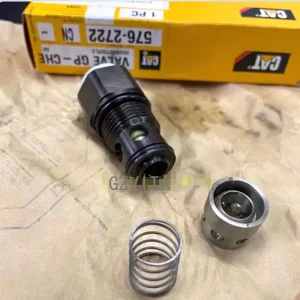
We specialize in designing, manufacturing, and distributing a comprehensive range of construction machinery parts. Our product line includes engine assemblies, hydraulic main pumps, final drives, diesel generators, engine bearing shells, crankshafts, engine valves, gear pumps, cylinder heads, filters, heavy-duty excavator buckets, and undercarriage components. These parts serve as reliable replacements for equipment from major brands, including Komatsu, Volvo, Sumitomo, Caterpillar, Kubota, Hitachi, John Deere, Kobelco, Hyundai, Kato, Sany, XCMG, and Sunward.
In construction, machinery reliability determines project profitability. We understand that high-quality components are necessary for steady performance. Our goal is to provide reliable machinery parts to keep your equipment running smoothly.
To support our products, we have established an engine maintenance and research group. In addition to delivering assemblies, we help customers troubleshoot technical issues during product installation and commissioning.
We maintain an in-house team of maintenance technicians. When required, our field service staff can travel internationally to assist clients with complex engine repairs, hydraulic adjustments, and structural retrofits.
Providing technical guidance and material specifications to assist procurement managers and fleet operators.
Keep your fleet running with our replacement undercarriage parts, hydraulic valves, and final drives.
 Vita Construction