 Vita Construction
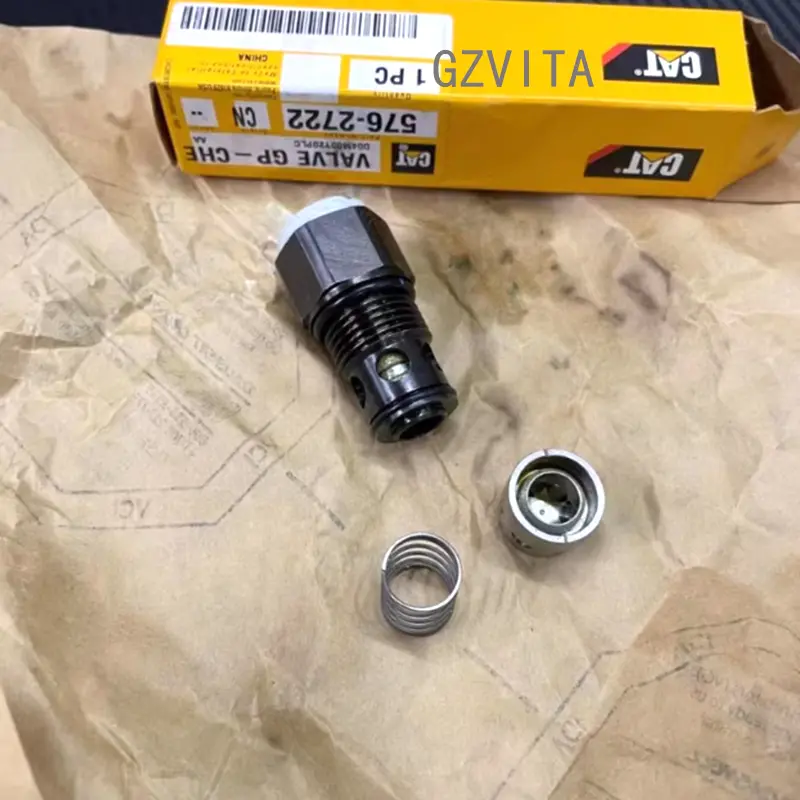
1 / 3
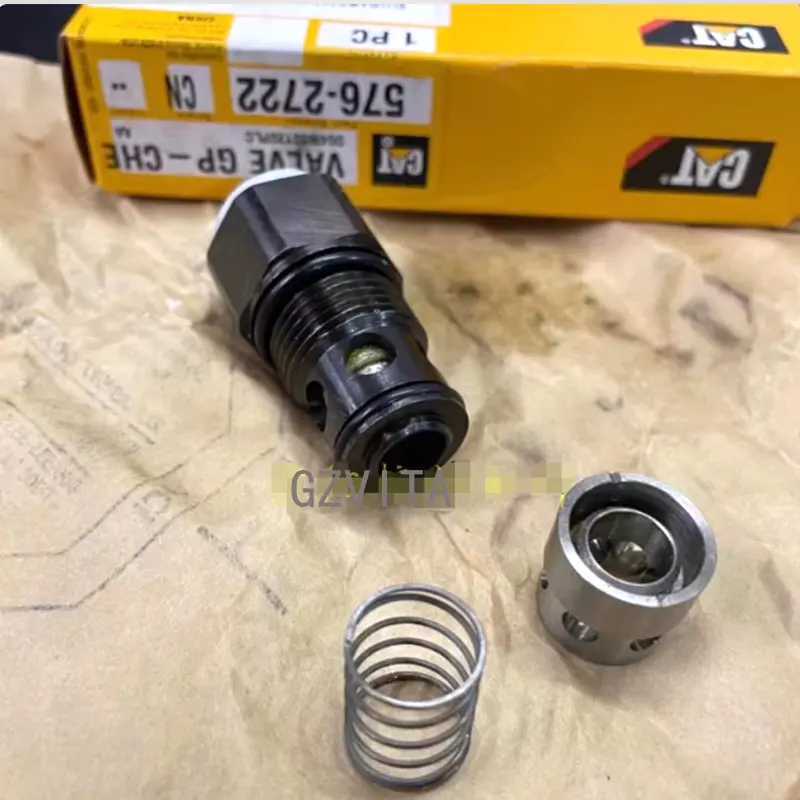
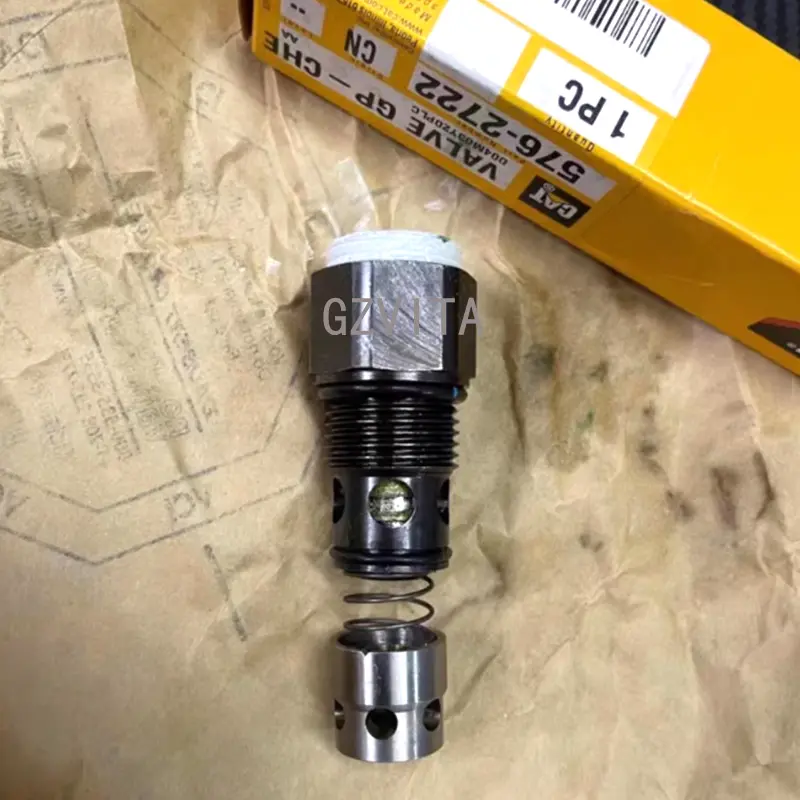
A hydraulic control check valve is an essential component in the hydraulic system of CAT mini excavators. It plays a critical role in ensuring the efficient and safe operation of the machine's hydraulic functions. Here's an overview of its purpose, functionality, and importance:
The primary function of a hydraulic control check valve is to allow fluid to flow in one direction while preventing backflow. This is crucial in hydraulic systems where maintaining pressure and controlling the direction of fluid flow is necessary for the proper operation of hydraulic components, such as cylinders and motors.
The check valve opens to allow hydraulic fluid to flow through when the pressure on the inlet side exceeds the pressure on the outlet side. When the pressure drops or attempts to flow in the reverse direction, the valve closes, preventing backflow.
By preventing backflow, the check valve helps maintain pressure in the hydraulic system, ensuring that hydraulic actuators (like boom and arm cylinders) operate effectively and respond promptly to operator commands.
They help control the movement of the boom and arm, allowing for precise operation during digging, lifting, and other tasks.
Check valves are also used in systems that control hydraulic attachments, such as buckets, hammers, or grapples, ensuring that the hydraulic flow is directed appropriately.
Its primary role is to control fluid flow direction by allowing oil to flow in one direction and preventing backflow. This ensures consistent system pressure and precise operation of the excavator's components.
The check valve maintains hydraulic pressure in the cylinders. By preventing fluid from backflowing, it keeps the boom and arm steady and responsive to the operator's commands during heavy lifting or digging tasks.
It prevents sudden drops in system pressure and blocks backflow, which helps avert potential hydraulic system failures that could cause unexpected component movement, load dropping, or severe equipment damage.
Yes. Because check valves regulate pressure to auxiliary hydraulic circuits, a failing valve can cause issues with attachments like buckets, hammers, or grapples, resulting in weak performance or complete operational failure.
Key indicators of wear or failure include visible oil leaks, difficulty opening or closing properly, sluggish hydraulic response, and an inability of the system to maintain consistent operating pressure.