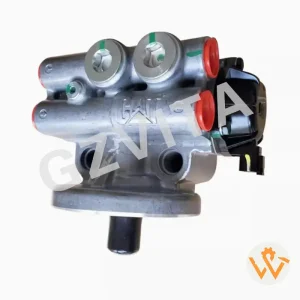
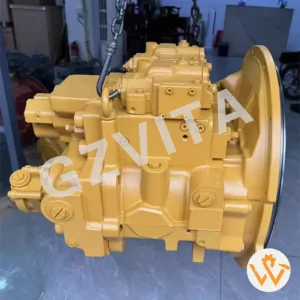
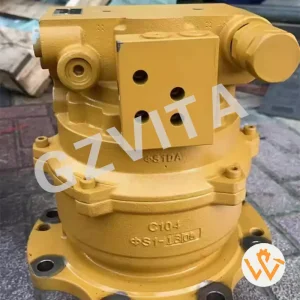
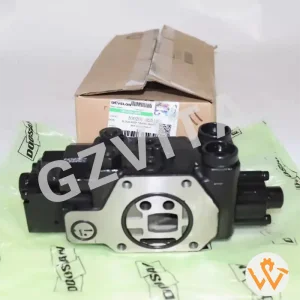
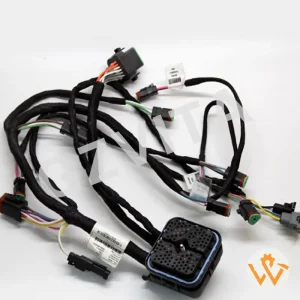
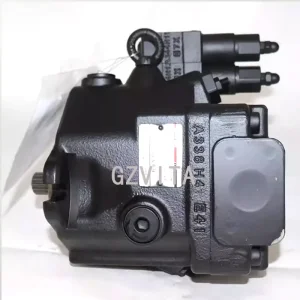
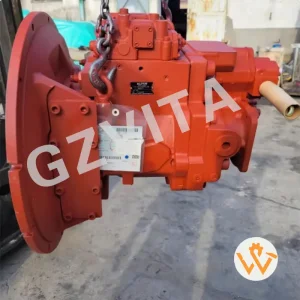
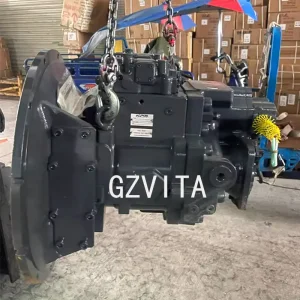
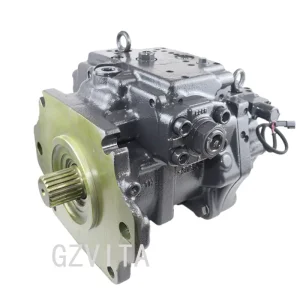
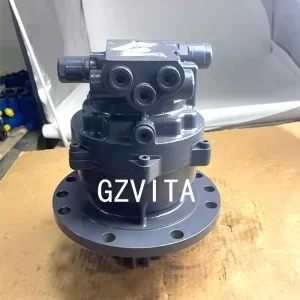
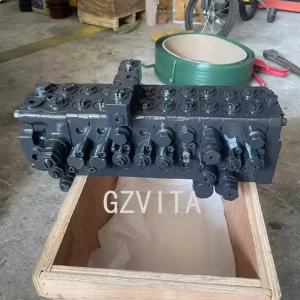
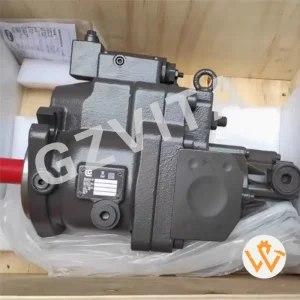
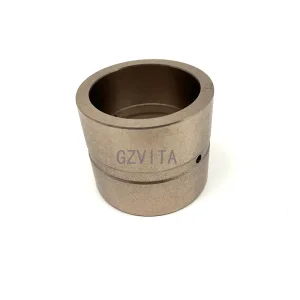
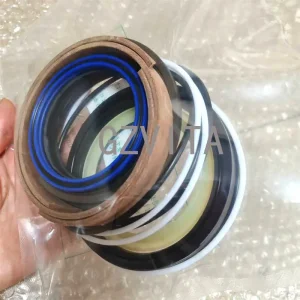
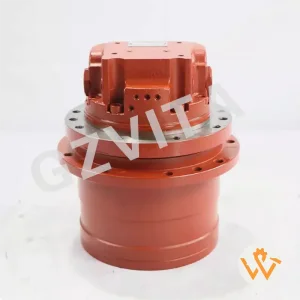
Explore our specialized heavy-duty machinery parts and fluid handling assemblies precision-manufactured for extreme operating pressures.
Analyzing market trends, thermodynamics of modern V8 conversion cooling, and material science developments.
The General Motors Gen III/IV LS small-block engine family—headlined by the iconic aluminum-block LS1—has established itself as the global gold standard for performance engine swaps. Valued for its compact pushrod packaging, favorable power-to-weight ratio, and massive aftermarket ecosystem, the LS platform is routinely transplanted into everything from classic muscle cars and drift chassis to marine watercraft and heavy-duty industrial vehicles. However, retrofitting an LS engine into a foreign engine bay introduces complex cooling geometries, specifically regarding the water pump inlet and outlet configurations.
From an industrial manufacturing perspective, the global market for LS1 swap radiator hoses has shifted from improvised, spliced EPDM hoses to high-performance, multi-ply silicone engineering assemblies. Standard LS water pumps utilize a 1.25-inch upper outlet and a 1.5-inch lower inlet, which typically run counter to the layout of original radiators designed for other engine configurations (e.g., Ford, Nissan, Mazda, or classic GM setups). This structural discrepancy has driven massive demand among distributors, performance shops, and fleet converters for specialized, pre-molded radiator hose solutions that maintain high-volume coolant flow under extreme operating temperatures.
Information Gain Insight: The primary failure point in LS engine conversions is thermal management. Standard aftermarket EPDM hoses lack the dynamic flexibility and continuous heat resistance required to withstand the tight bends around alternator brackets, steering shafts, and frame rails, resulting in premature cracking and system pressure drops.
When engineering high-volume wholesale LS1 swap radiator hoses, choosing the correct material configuration is critical to reliability. The table below outlines the industrial comparison between multi-ply silicone (VMQ) and standard Ethylene Propylene Diene Monomer (EPDM) rubber:
| Performance Metric | Multi-Ply VMQ Silicone | Standard EPDM Rubber | Industrial Application Impact |
|---|---|---|---|
| Working Temp Range | -50°C to +250°C (-58°F to 482°F) | -40°C to +125°C (-40°F to 257°F) | Silicone prevents dry-rot and hardening under elevated under-hood temperatures. |
| Burst Pressure Rating | Up to 15 Bar (220+ PSI) depending on ply count | Approx. 5-7 Bar (70-100 PSI) | Higher pressure limits prevent hose expansion and catastrophic failure at high RPMs. |
| Reinforcement Layers | 3-Ply or 4-Ply Polyester/Aramid Mesh | Single-ply polyester knit | Multi-ply structures maintain internal geometry and prevent vacuum collapse. |
| Chemical Resistance | Excellent to coolants, ozone, and UV. Moderate to oil mist. | Good to coolants. Poor to oils/hydrocarbons. | Silicone holds up significantly longer in environments exposed to heat cycling and atmospheric ozone. |
One of the most complex elements of an LS1 swap cooling loop is the integration of the factory LS cylinder head steam vent (crossover) line. Unlike traditional engines, the LS platform is prone to air-pocket formation within the upper cylinder head coolant jackets. These air pockets lead to localized hot spots, cylinder head warping, and head gasket failure. Industrial LS1 swap radiator hoses must incorporate technical design provisions to accommodate this system.
Providing value-driven manufacturing capabilities that empower global distributors and performance fleets.
We leverage 3D engine bay scanning and CAD layouts to design precise clearance angles for popular swap chassis, including Fox Body Mustangs, Nissan S-Chassis, Mazda Miatas, and GM G-Bodies.
Our Hubei manufacturing facility performs real-time temperature stress testing, ozone aging tests, and hydrostatic burst pressure validation on every production run to ensure absolute dependability.
Supporting high-volume buyers, custom performance brands, and private label distributors with custom branding, direct-to-warehouse shipping, and competitive OEM/ODM terms.
Square Meters Factory Space
Skilled Technicians & Operators
Dedicated Fluid Dynamics Engineers
Hydrostatic Tested Integrity
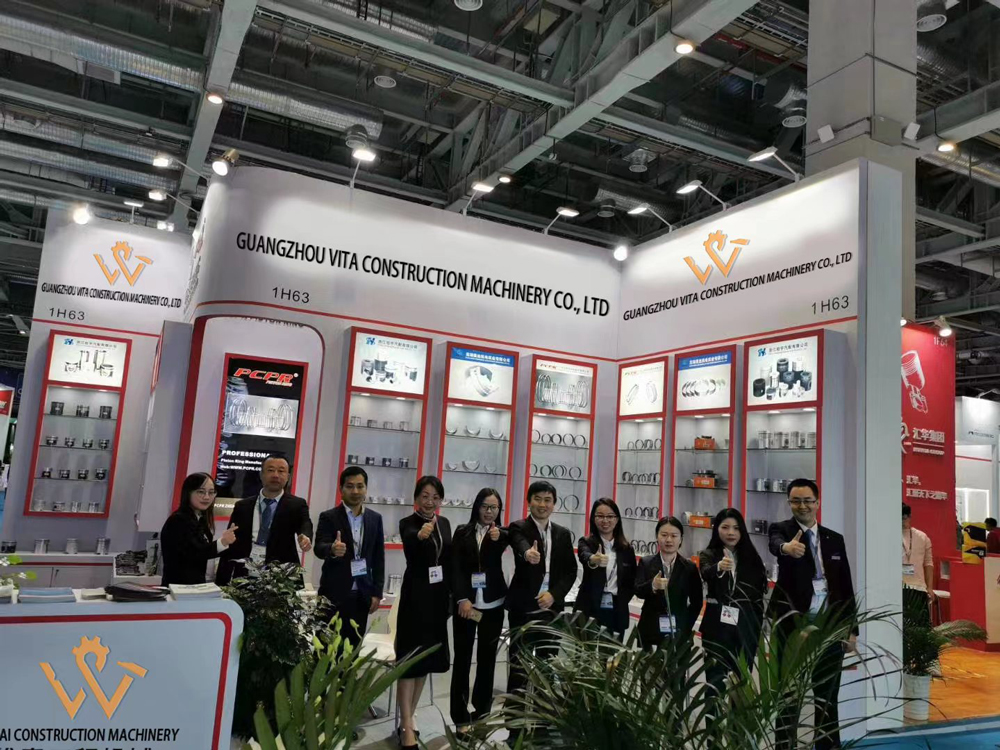
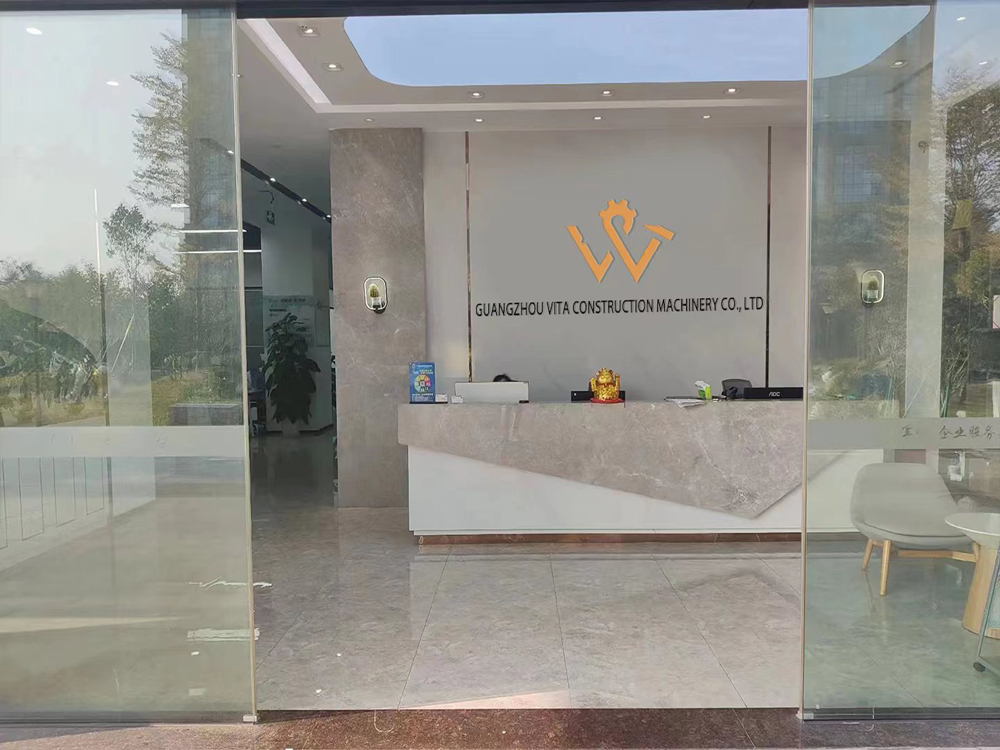
Guangzhou Vita Construction Machinery Co., Ltd. — Combining heavy-duty expertise with precision thermal manufacturing.
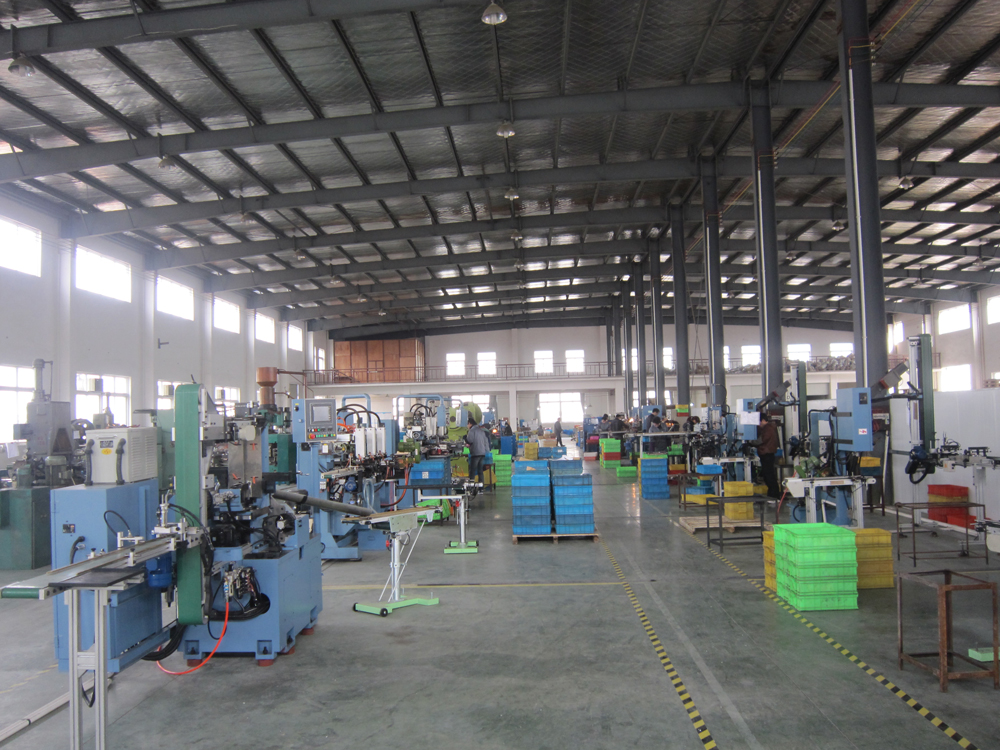
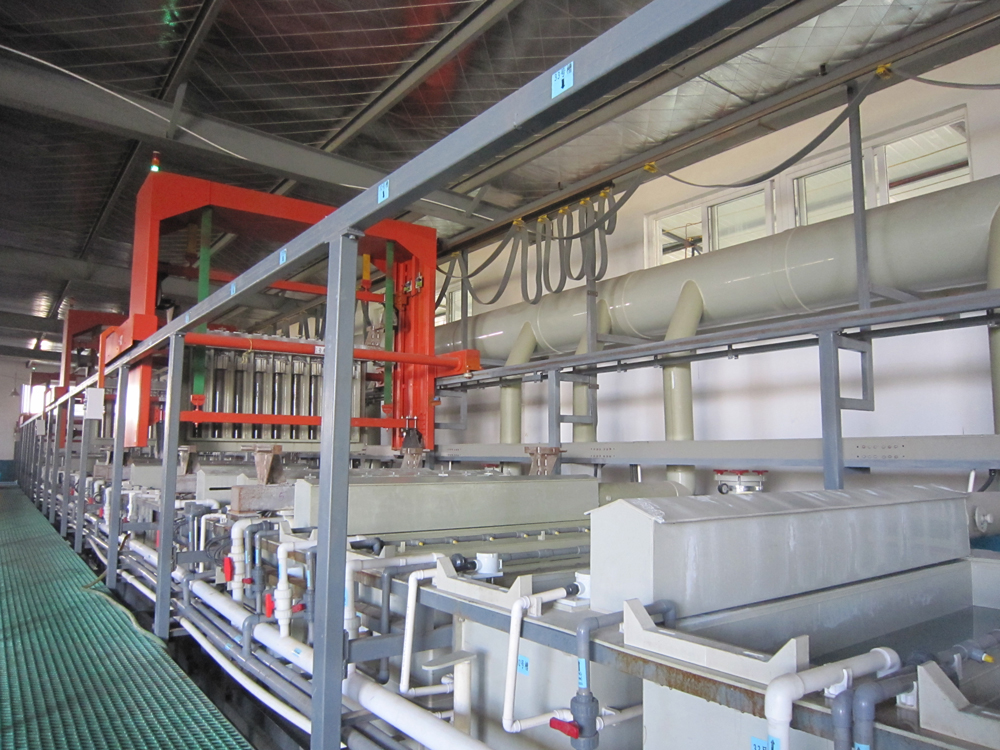
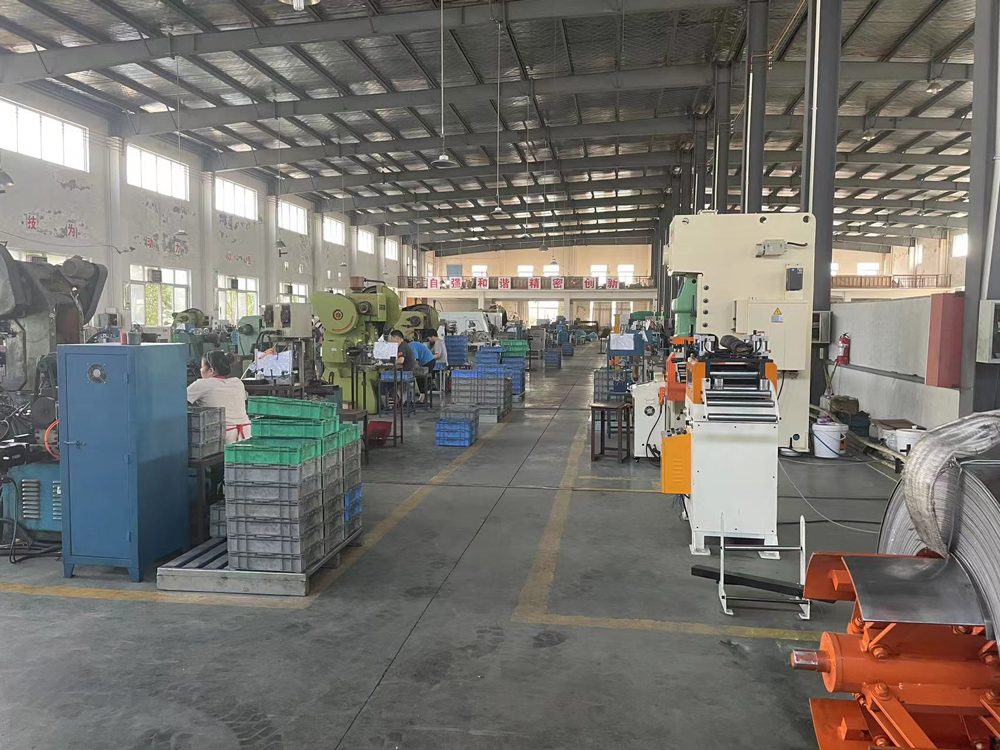
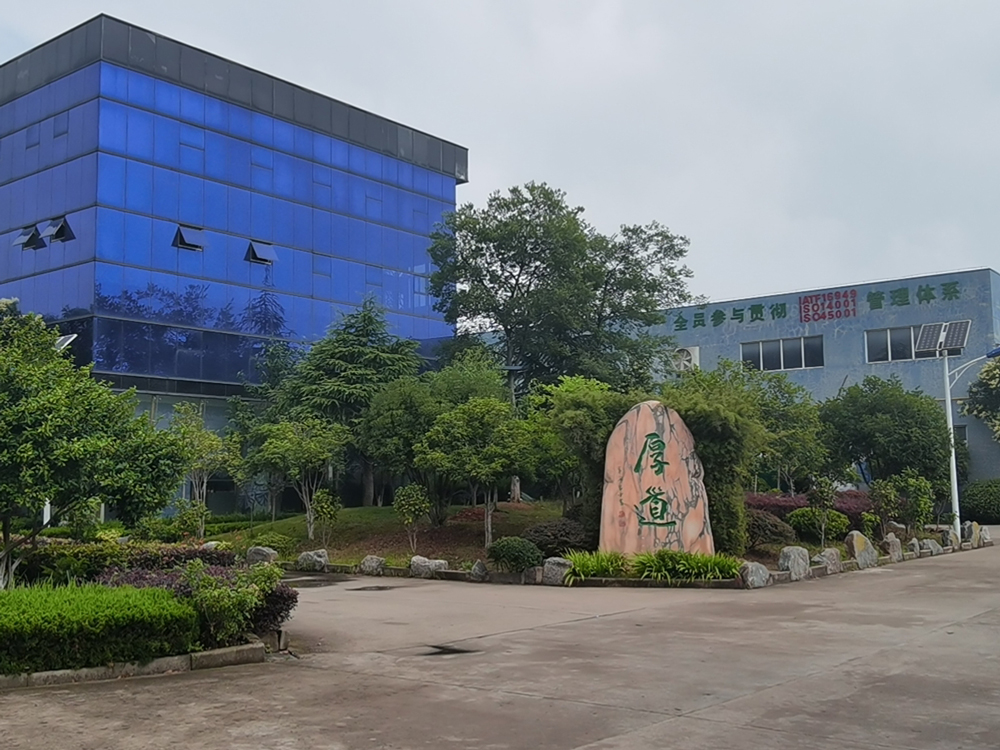
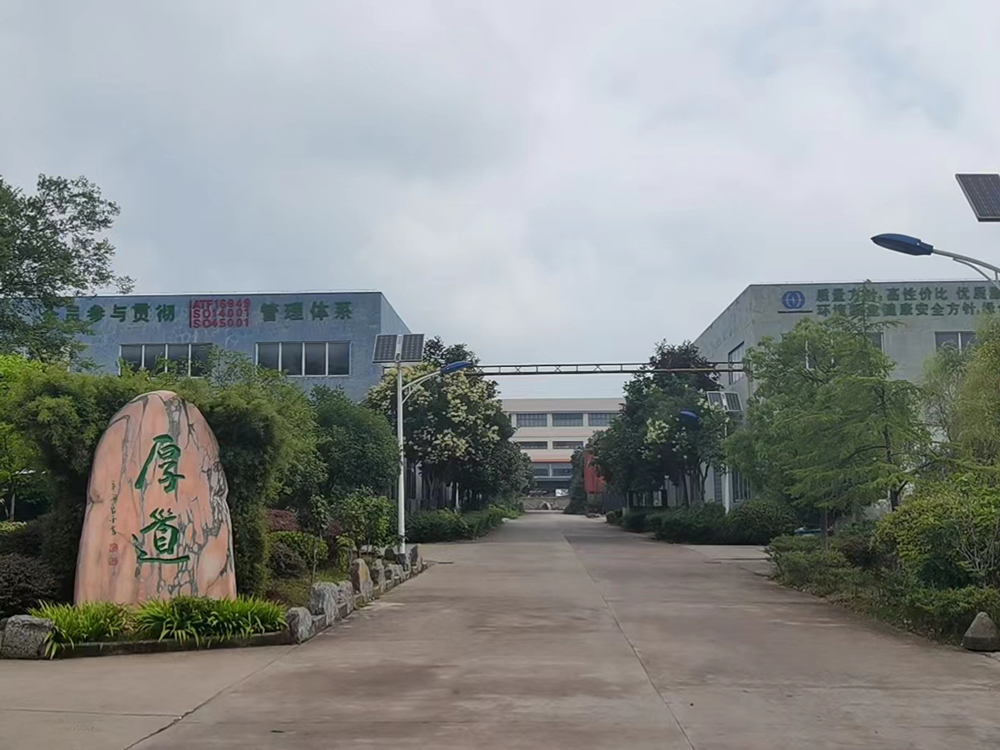
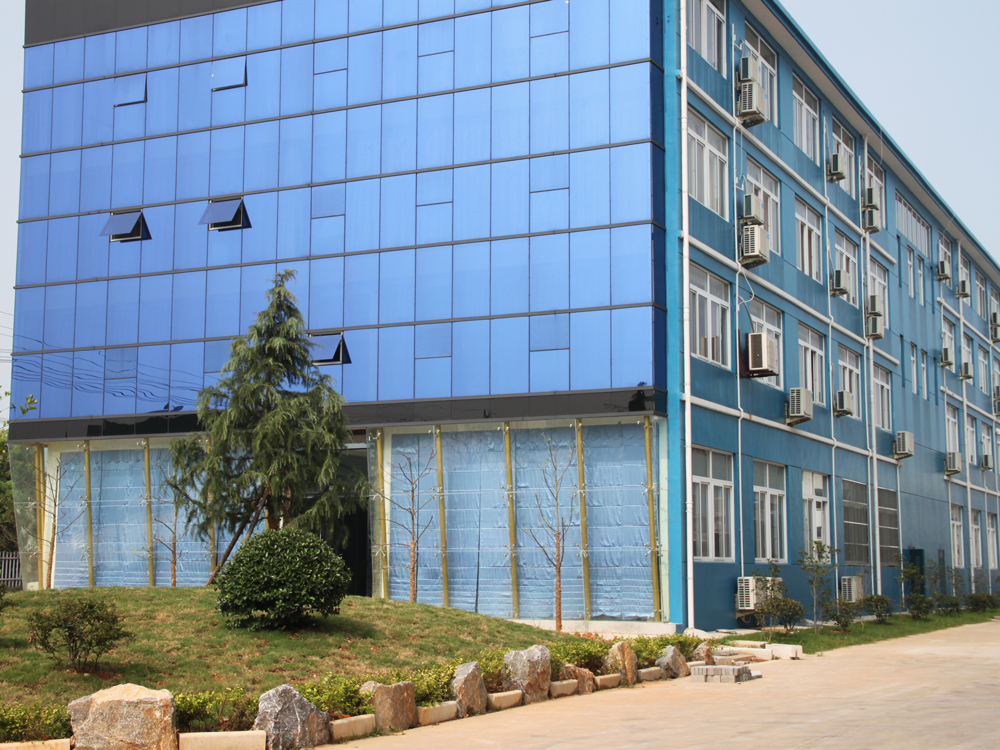
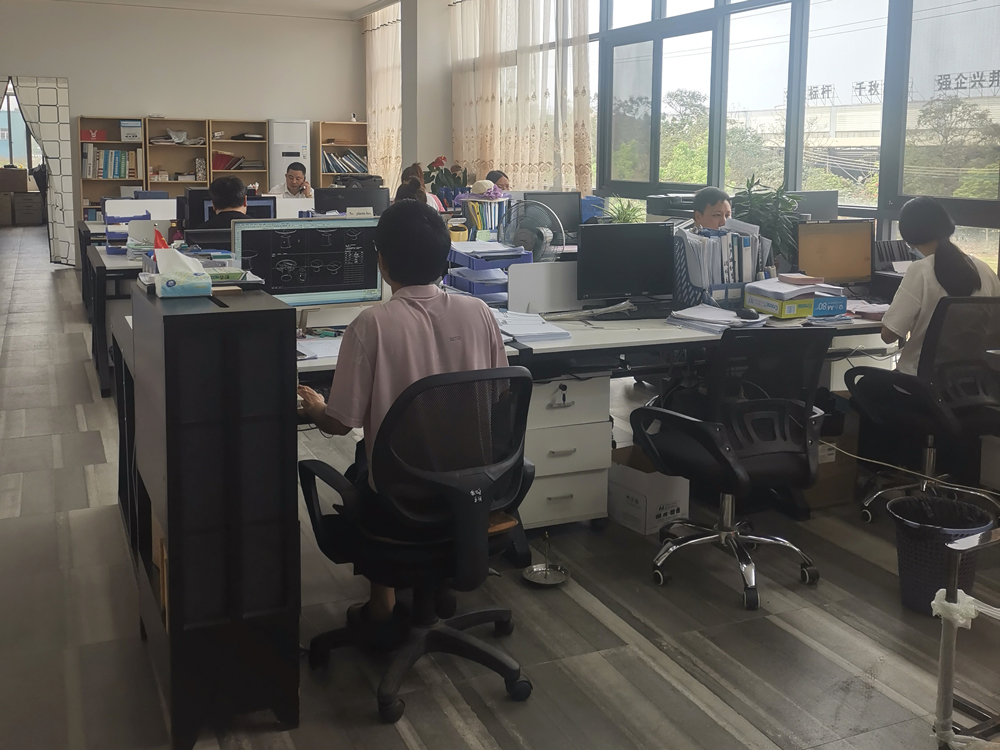
Guangzhou Vita Construction Machinery Co., Ltd. is one of the largest companies that combines advanced manufacturing, dynamic design, and global trade. Our main factory is located in Xiangyang City, Hubei Province, housing more than 18,000 square meters of high-tech workshops. Outfitted with several advanced rubber vulcanization machines, automated extrusion lines, and mechanical tooling, our facility employs over 278 well-trained, skilled workers and about 8 highly experienced engineers. Together, they ensure that every product we manufacture achieves zero-defect quality standards, coupled with fast, accurate delivery schedules.
While our engineering background is deeply rooted in heavy-duty machinery parts—such as engine assemblies, hydraulic systems, final drives, and motor assemblies—our technical expertise in materials science has allowed us to excel in manufacturing performance silicone and EPDM coolant hoses. We specialize in producing, developing, and selling a comprehensive catalog of high-durability replacement parts used by world-renowned brands, including Komatsu, Volvo, Sumitomo, Caterpillar, Kubota, Hitachi, John Deere, Kobelco, Hyundai, Kato, Sany, XCMG, and SUNWARD.
Addressing essential queries regarding LS1 swap radiator hose installation, sizing, and material specifications.
Factory LS1 water pumps utilize a 1.25-inch (31.75 mm) upper outlet port and a 1.5-inch (38.1 mm) lower inlet port. When completing an engine swap, custom radiator hoses are usually required to scale and shape these paths to match the target radiator configurations.
Because the cylinder head water jackets sit higher than the radiator core in many custom swap applications, air bubbles migrate to the top of the engine block. The steam vent line allows these hot gases to bleed out. Connecting this steam line to a dedicated port on the upper radiator hose ensures constant liquid coolant circulation, preventing localized overheating.
Multi-ply silicone (VMQ) hoses are reinforced with three or four layers of high-tensile polyester mesh, providing superior tensile strength, greater heat capability (up to 250°C), and resistance to wall fatigue or vacuum collapse. EPDM, while functional, degrades faster when exposed to excessive under-hood temperatures and high pressures typical of racing or heavy-duty use.
Yes. Through our custom CAD prototyping and Hubei vulcanization tooling capabilities, we support volume OEM/ODM orders. We can manufacture radiator hoses matching specific geometries for popular swap frames (e.g., GM S10 trucks, E36/E46 BMWs, and Ford Mustangs).
Heavy machinery hydraulic control valves, gearboxes, and piston pumps designed for continuous commercial service.
 Vita Construction