Premium OEM assemblies, cooling modules, and high-tolerance mechanical linkages engineered to outperform global standards.
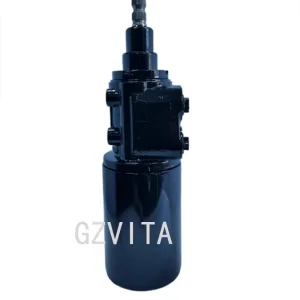
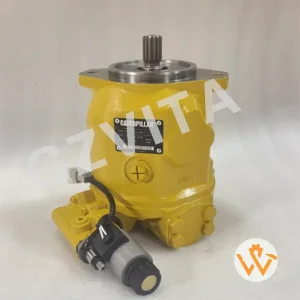
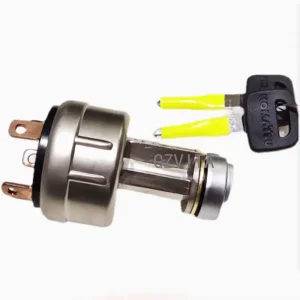
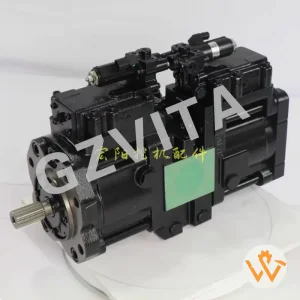
In high-performance automotive platforms and demanding construction equipment, precision fluid feedback loop mechanics represent the difference between operation optimization and total mechanical failure. A critical component in these architectures is the Oil Pressure Sensor 5.3, a designation primarily referencing high-reliability transducers tuned for 5.3-bar threshold limits or integrated into commercial-grade 5.3L engine platforms (such as heavy-duty light trucks, gensets, and transport conversions).
Understanding the exact electromechanical pathways, calibration curves, and micro-electromechanical systems (MEMS) specifications of these sensors is paramount for modern procurement teams. Unlike standard off-the-shelf automotive pressure switches, commercial-grade 5.3 oil pressure sensors must operate within severe environmental parameters, dealing with temperature ranges from -40°C to +150°C and vibrational accelerations up to 20G. Choosing the right wholesale supplier ensures your fleet or aftermarket assembly maintains OEM compliance and escapes the operational downtime caused by false error codes, signal drift, and sensor housing ruptures.
The applications for the Oil Pressure Sensor 5.3 range far beyond standard highway passenger vehicles. Because of its specific resistance curves and robust casing, it is utilized across diverse demanding localized environments:
Most commercial sensors function using piezoresistive silicon sensing elements. As oil pressure acts against a steel diaphragm, a wheatstone bridge converts mechanical stress to a linear voltage output (typically 0.5V to 4.5V). Sensors matching the 5.3 scale are calibrated to resist pressure transients of up to 15 bar without zero-point drift, ensuring continuous accuracy under cold-start high-viscosity conditions.
The global fluid sensing market is shifting from legacy analog resistance-based sensors to intelligent bus-integrated modules. The next generation of oil pressure sensors incorporates localized processing chips capable of transmitting diagnostic data directly over CAN-bus systems (SAE J1939 protocols for construction equipment). This evolution permits real-time oil quality estimation alongside pressure readings, predicting viscosity deterioration by mapping temperature-pressure profiles across hours of operation.
Additionally, material science developments are replacing standard brass fittings with high-nickel alloy housings. These materials prevent chemical degradation caused by highly acidic soot deposits in modern diesel engines using exhaust gas recirculation (EGR) systems. Our R&D team continuously tracks these developments, adjusting our production molds and ceramic sensor substrates to offer drop-in smart-sensor upgrades for global machinery applications.
Standard Specifications for heavy industrial applications.
An industry-leading enterprise merging precision manufacturing with global distribution systems to supply top-tier mechanical components.
Guangzhou Vita Construction Machinery Co., Ltd. stands as a preeminent force combining state-of-the-art domestic manufacturing facilities with active international trade partnerships. Our specialized production base is strategically located in Xiangyang City, Hubei Province, featuring an expansive 18,000 square meter modern workshop. Operated by over 278 highly trained technical technicians and guided by 8 veteran chief design engineers, we ensure unmatched quality controls, swift lead times, and optimal accuracy across large wholesale orders.
In the high-intensity theater of heavy construction and logistics, the failure of a minor components can halt entire projects. We enforce micro-tolerance testing and premium material sourcing, aiming to supply flawless parts that keep critical operations moving without unscheduled interruptions.
In addition to providing bulk engine assemblies and electronic components, our division specializes in technical systems integration. We assist engineers in resolving pressure drops, oil starvation patterns, and sensor-to-ECU calibration issues encountered during fleet maintenance.
Our commitment extends beyond factory shipments. We maintain a dedicated team of field service engineers available for international dispatch. This team helps industrial distributors and large fleet operators install assemblies, analyze system errors, and maintain continuous uptime.
Take a closer look at our advanced manufacturing lines in Xiangyang, Hubei.
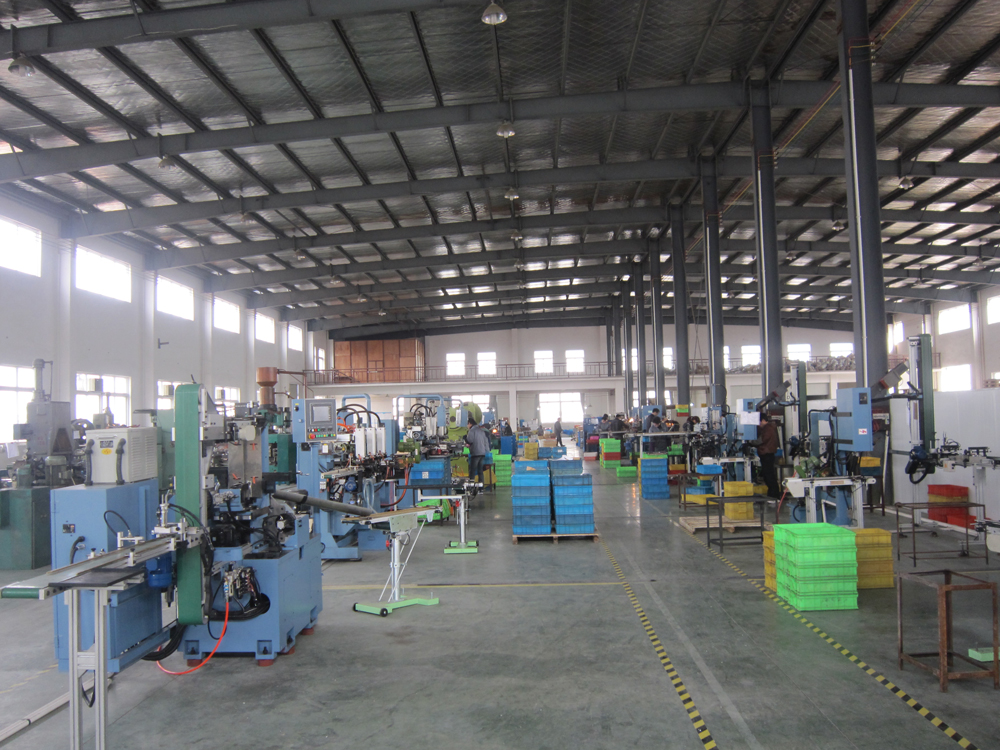
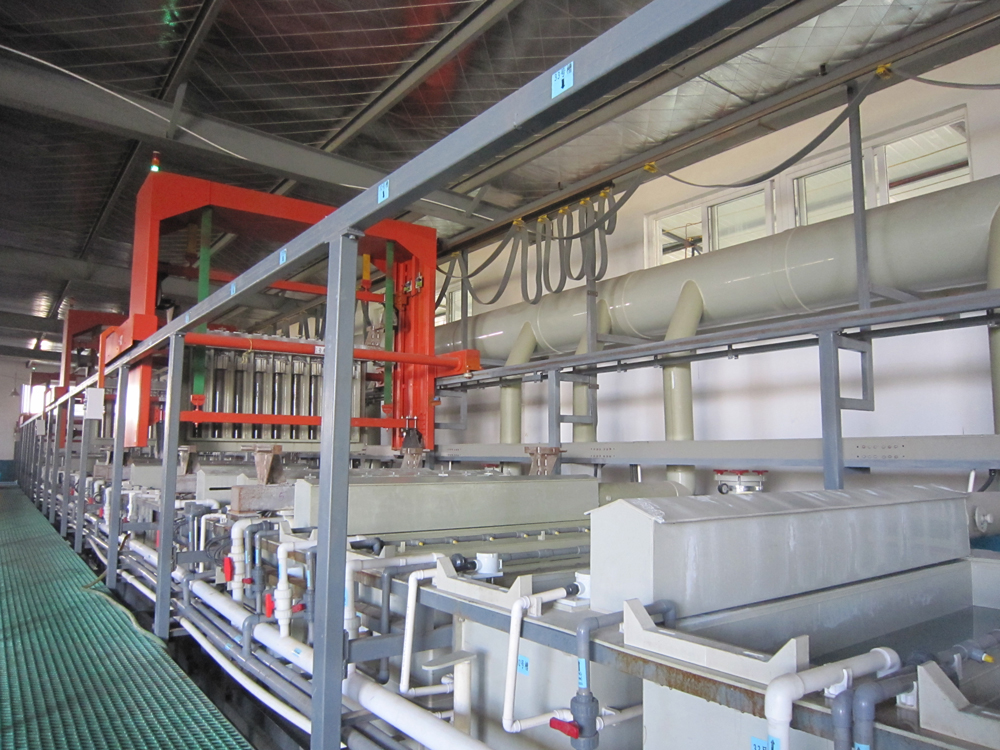
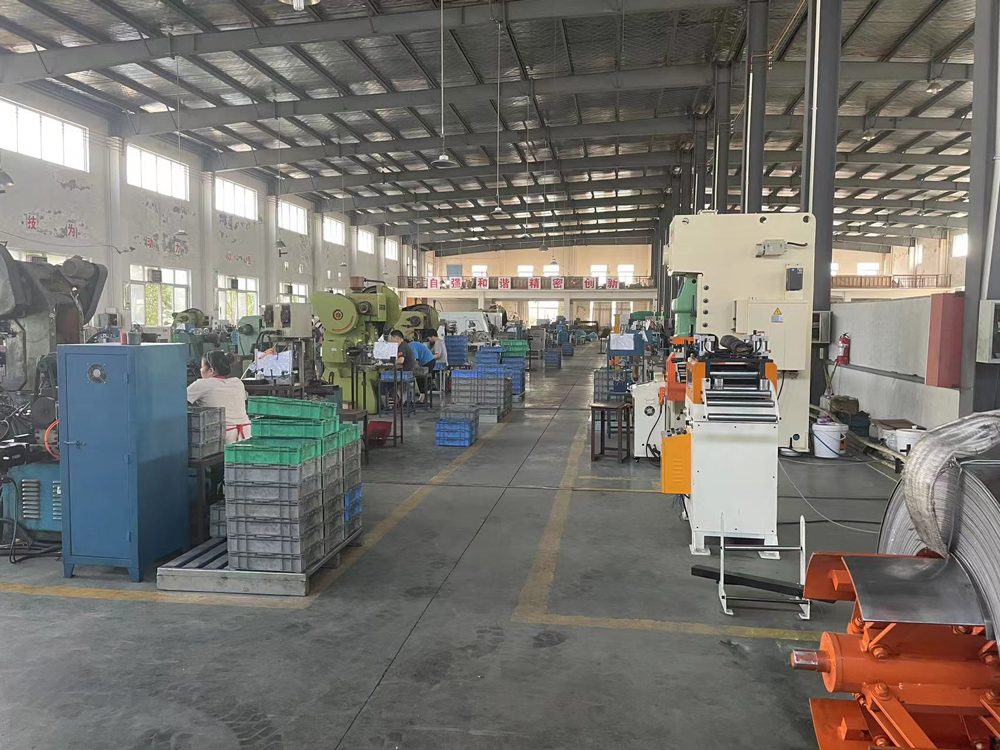
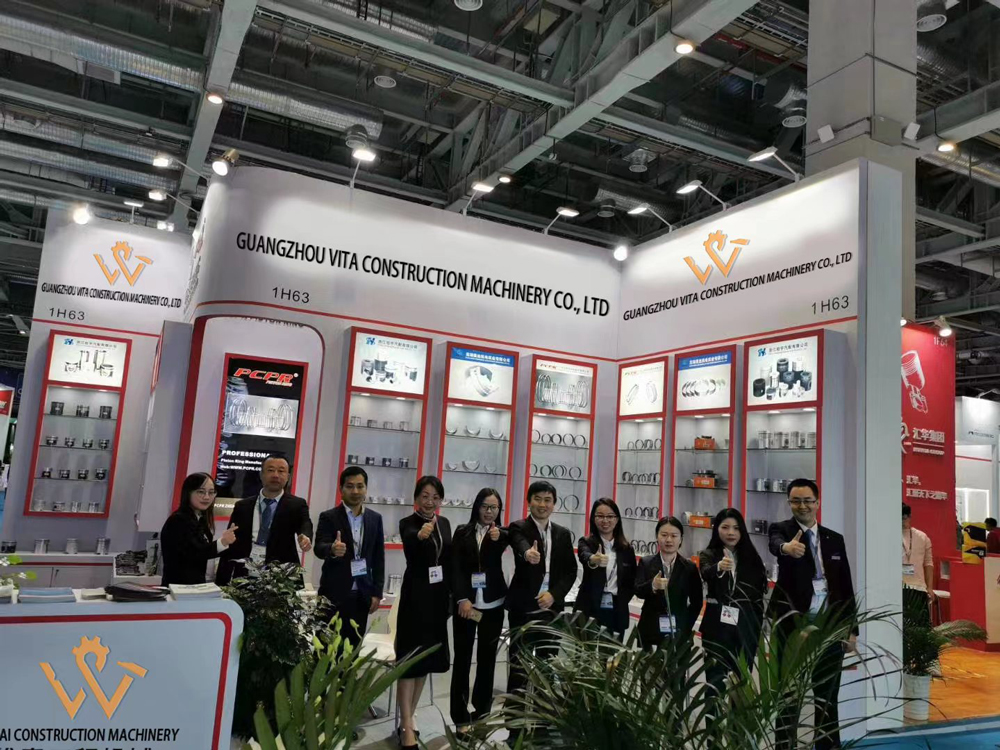
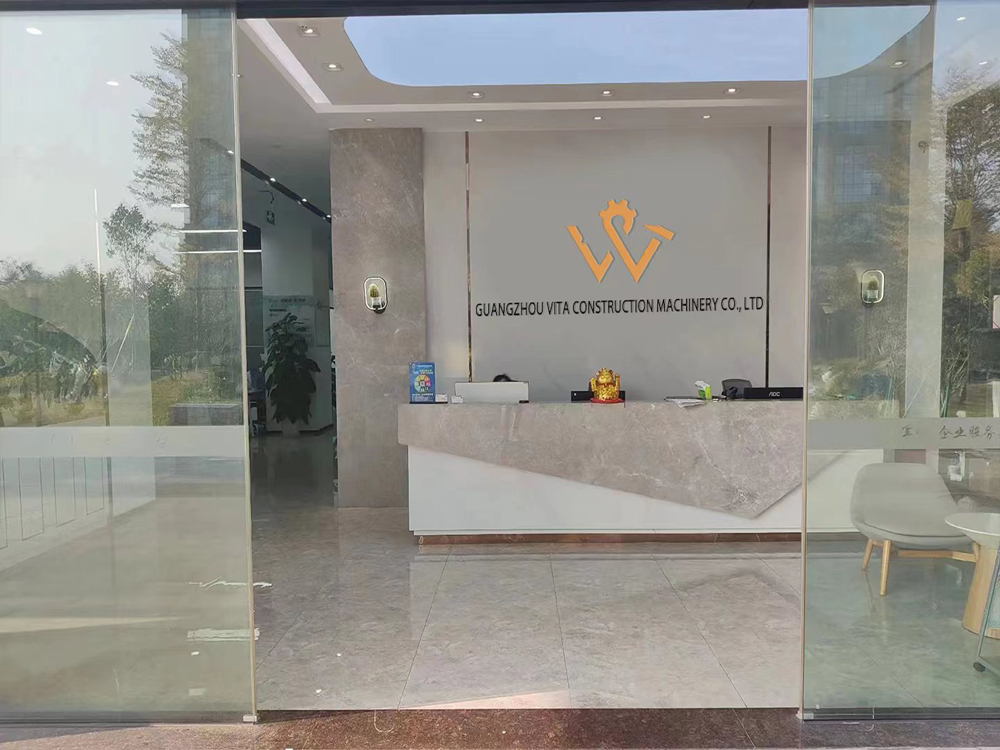
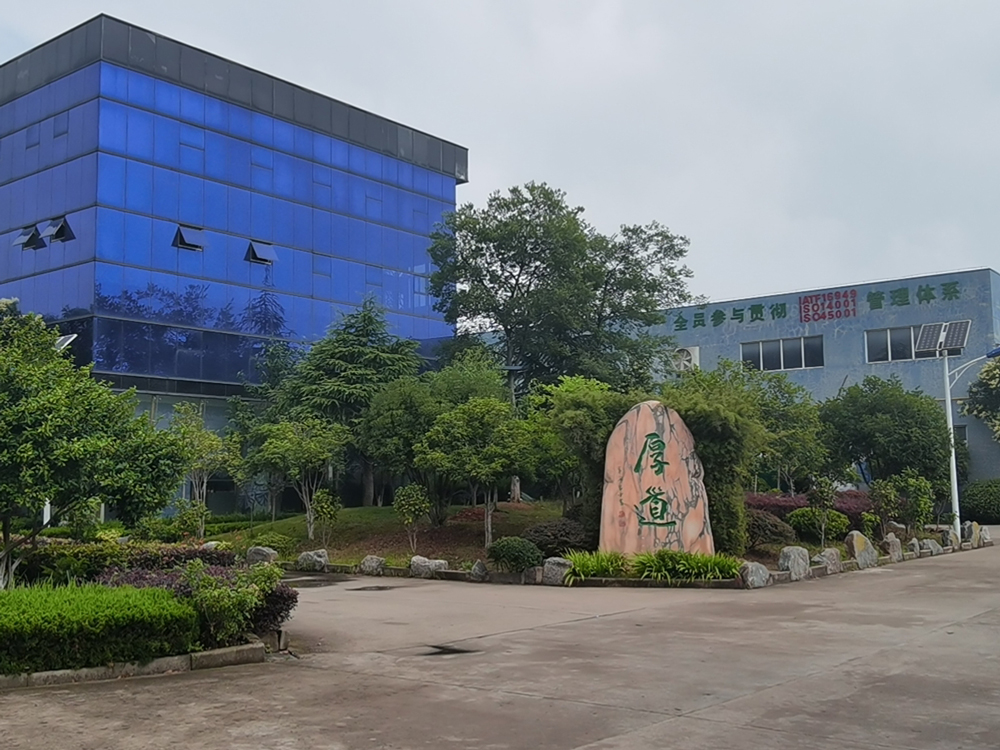
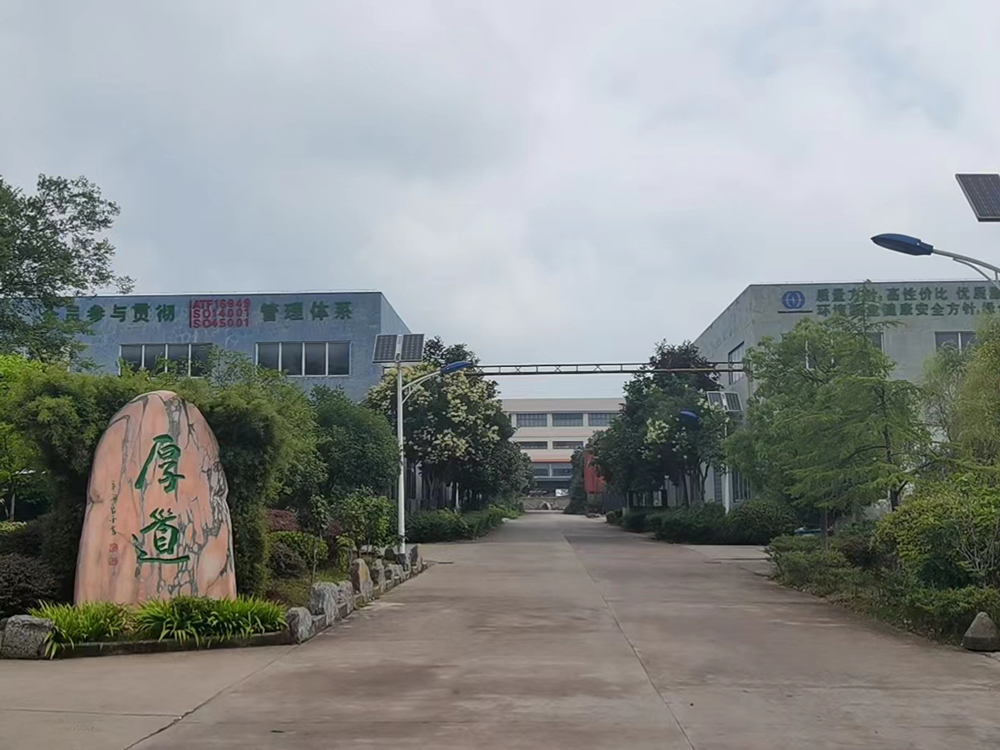
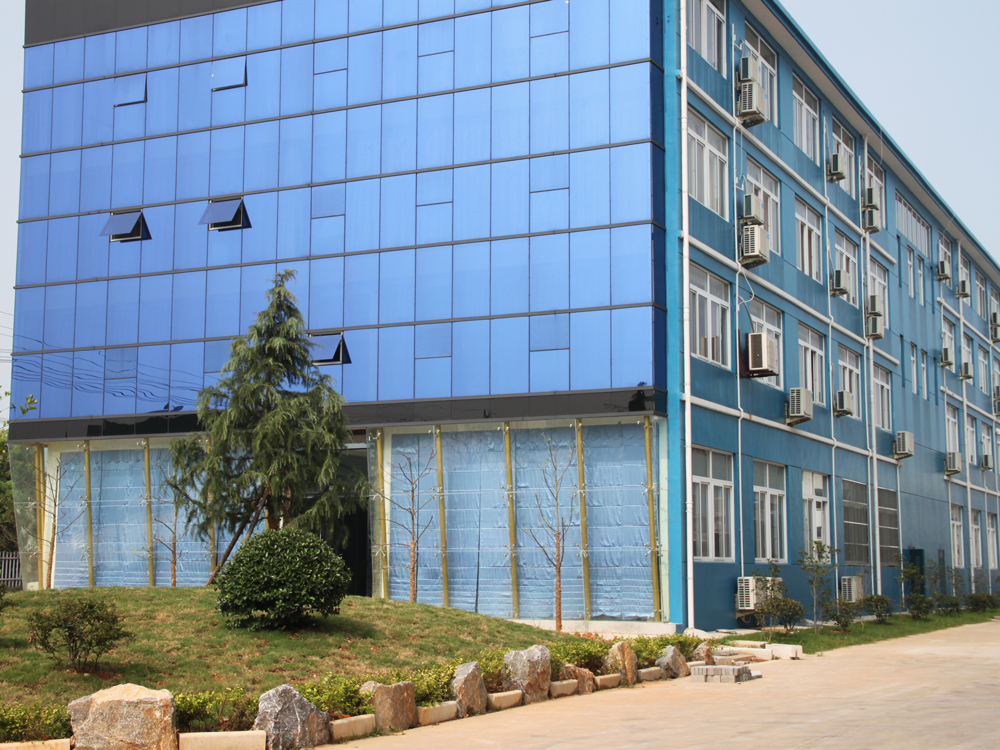
Total manufacturing footprint under ISO-9001 quality controls.
Skilled Technicians
Senior R&D Engineers
Sqm Production Hub
Countries Exported
In today's volatile macroeconomic environment, supply chain stability is critical for industrial OEM planning. Utilizing Guangzhou Vita's localized factories in Hubei Province provides immediate strategic advantages. The Central China region benefits from integrated raw materials clusters, providing premium copper, silicon wafer components, and high-tensile steel at lower transport costs. Our automated and semi-automated production lines allow us to maintain lower overhead expenses, passing the savings on to wholesale buyers through competitive pricing structures.
Furthermore, Guangzhou Vita maintains long-term contracts with regional raw material smelters and chip manufacturers. This buffers our facilities from global chip shortages and metal price fluctuations, guaranteeing consistent delivery times. Whether ordering customized batches or bulk generic runs, our facility manages scalable scheduling, avoiding the typical bottlenecks associated with reliance on single-component suppliers.
Securing global certifications is the foundation of our partnership pipeline. Each oil pressure sensor, starter motor, and steering valve assembly leaving our facility adheres to the strict criteria of ISO 9001:2015 and TS 16949 automotive safety frameworks. For European and American markets, our engineering team manages electromagnetic compatibility (EMC) certification profiles, certifying that high-frequency electronic components do not interfere with machine telematics or onboard computerized networks.
To support overseas partners, we offer comprehensive warranty packages and localized integration support. We supply step-by-step schematics and technical instruction guides with every order. If a fleet diagnostic anomaly occurs, our digital response desk connects your technicians with our 8 Hubei-based design engineers, delivering swift diagnostic resolutions within 24 hours.
Get answers to critical technical questions regarding compatibility, calibration, bulk logistics, and custom sensor design.
Comprehensive excavator engine parts, replacement modules, and electrical switches ensuring maximum equipment lifespan.
 Vita Construction