 Vita Construction
1 / 2
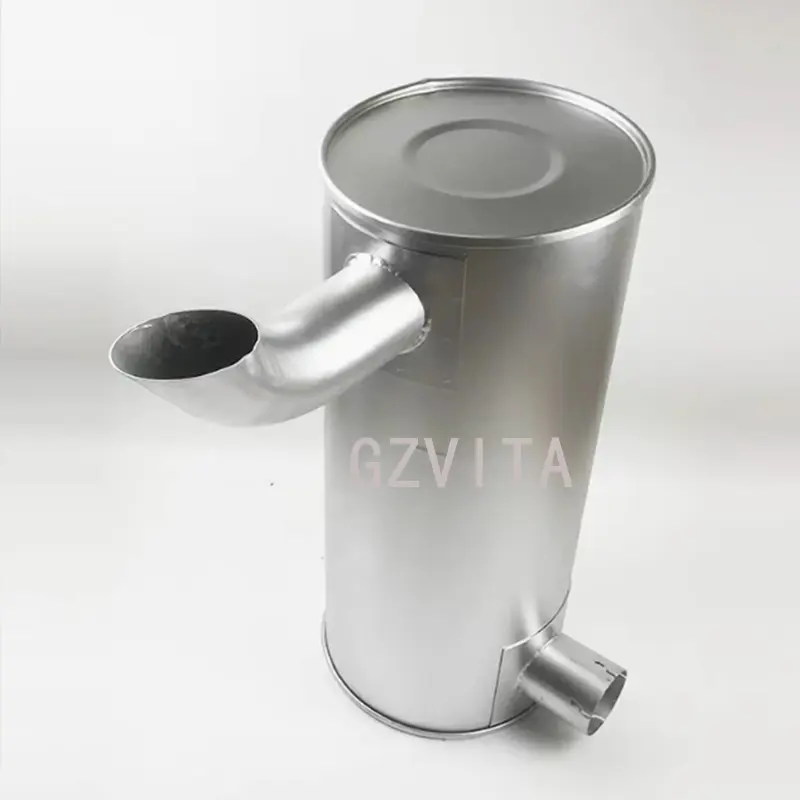
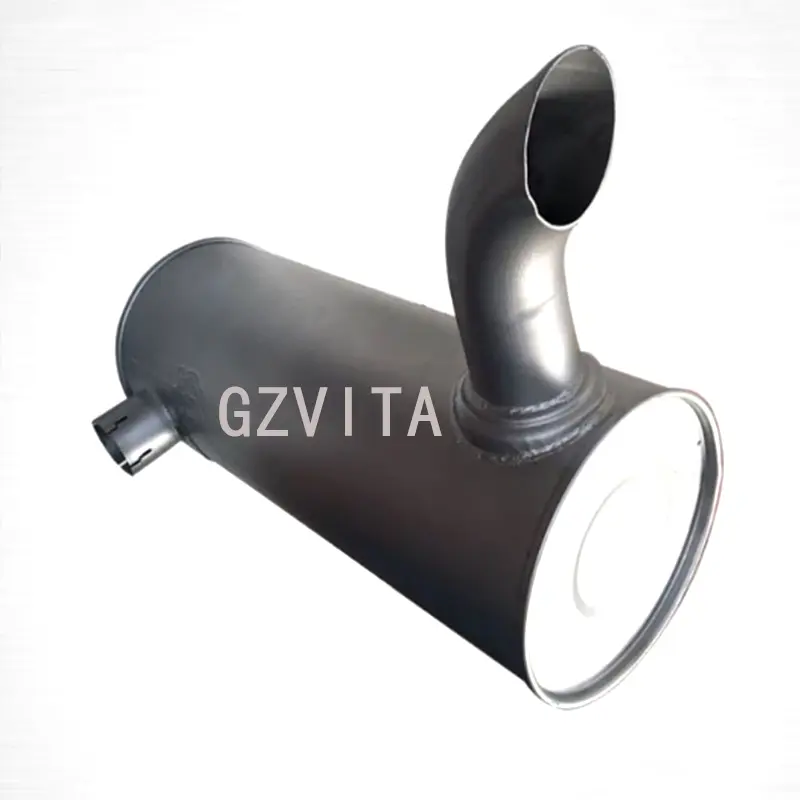
The muffler on an excavator plays a crucial role in the overall performance and operation of the machine. Here are some key points highlighting the importance of the muffler:
The primary function of the muffler is to reduce the noise produced by the engine's exhaust gases. Excavators are often used in urban or residential areas where noise regulations may be in place, making a functioning muffler essential for compliance and minimizing disturbance.
A properly functioning muffler helps maintain optimal exhaust flow, which is critical for engine performance. It allows the engine to expel exhaust gases efficiently, contributing to better fuel efficiency and power output.
Mufflers are part of the exhaust system that helps control emissions. They work in conjunction with other components, such as catalytic converters, to reduce harmful pollutants released into the atmosphere, helping to meet environmental regulations.
The muffler helps to dampen vibrations produced by the engine. This can lead to a smoother operation of the excavator, reducing wear and tear on other components and enhancing operator comfort.
A well-functioning muffler protects the exhaust system from damage caused by excessive heat and pressure. It helps to manage the exhaust flow, preventing back pressure that can lead to engine strain and potential failure.
By reducing noise, controlling emissions, and managing exhaust flow, the muffler contributes to the overall longevity of the engine and exhaust system components. This can lead to lower maintenance costs and extended service life for the excavator.
Many regions have strict regulations regarding noise and emissions from heavy machinery. A properly functioning muffler ensures that the excavator complies with these regulations, avoiding potential fines and legal issues.
In summary, the muffler is a vital component of an excavator's exhaust system, contributing to noise reduction, engine performance, emissions control, and overall machine longevity. Regular maintenance and timely replacement of the muffler are essential to ensure the excavator operates efficiently and complies with environmental standards.
A muffler is critical because it reduces engine exhaust noise, helps maintain optimal exhaust flow for engine performance, dampens vibrations, and controls harmful emissions to ensure environmental compliance.
Yes. A damaged or clogged muffler can disrupt the back pressure of the exhaust system, forcing the engine to work harder, which ultimately decreases fuel efficiency and lowers power output.
It manages exhaust flow and prevents excessive back pressure and heat build-up. This protection reduces wear and tear on engine valves and exhaust system components, extending the machinery's overall service life.
A failing muffler can lead to increased noise pollution and higher emissions of harmful pollutants, which can violate regional environmental regulations and result in legal penalties.
By significantly dampening engine vibrations and minimizing exhaust noise, the muffler creates a much smoother and quieter working environment for the excavator operator.
It should be checked regularly during routine maintenance schedules. Look for signs of physical damage, heavy rust, exhaust leaks, or sudden increases in engine noise to determine if a replacement is necessary.