 Vita Construction
1 / 4
Detecting the starting motor on a road roller involves a few steps, as it requires both visual inspection and possibly some electrical testing.
Here's a general guide on how to do this:
Ensure the road roller is turned off and parked on a flat surface.
Engage the parking brake and wear appropriate personal protective equipment (PPE).
Consult the Manual: Refer to the operator's manual for the specific model of the road roller. It will provide diagrams and information on the location of the starting motor.
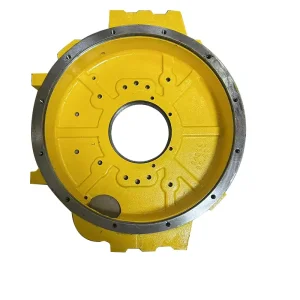
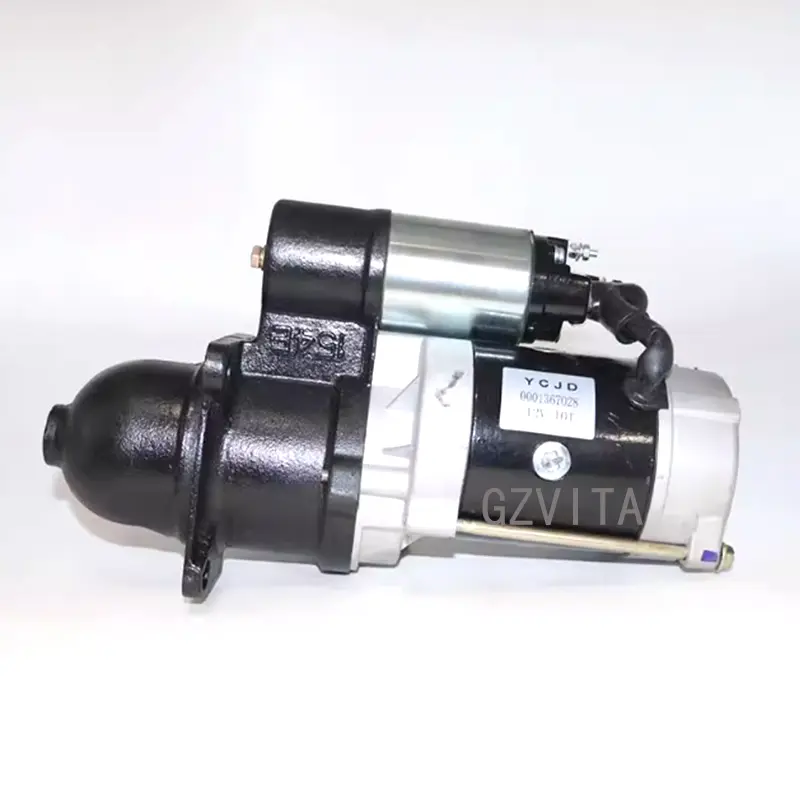
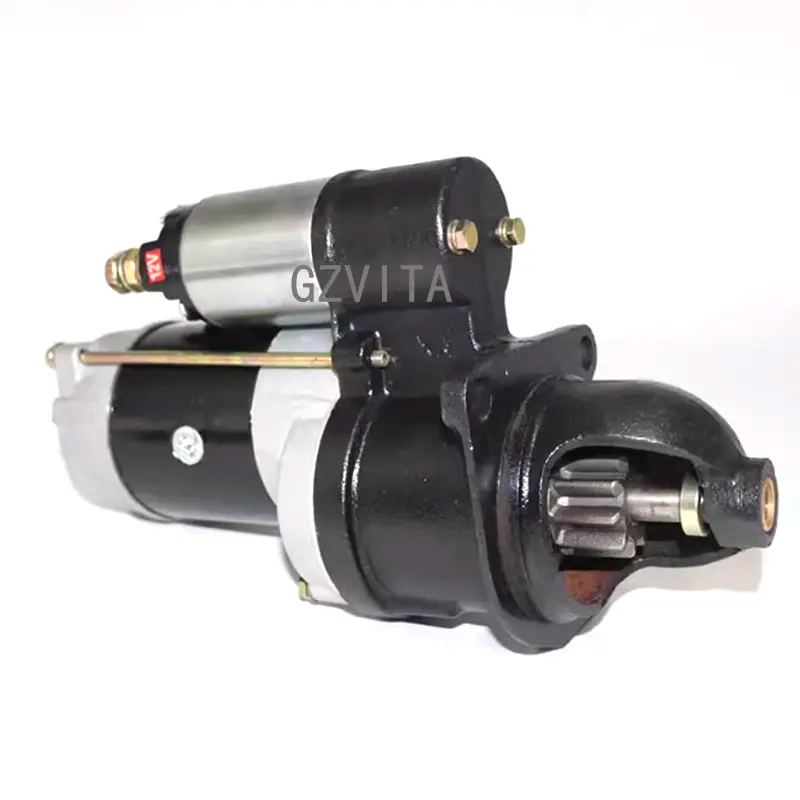
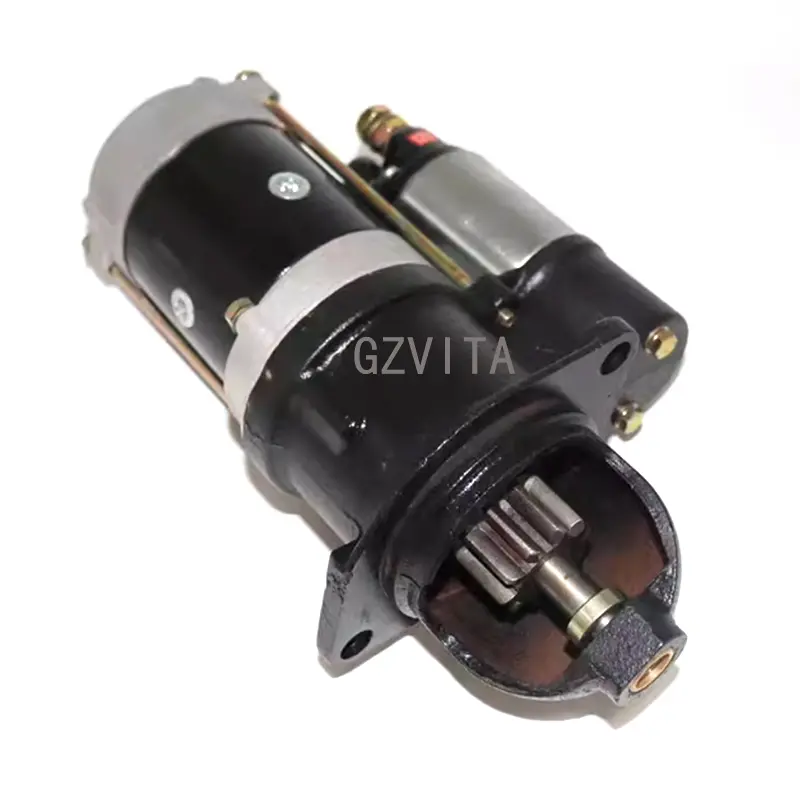
Visual Inspection: Typically, the starting motor (or starter motor) is mounted on the engine. Look for a cylindrical component connected to the engine, usually near the flywheel.
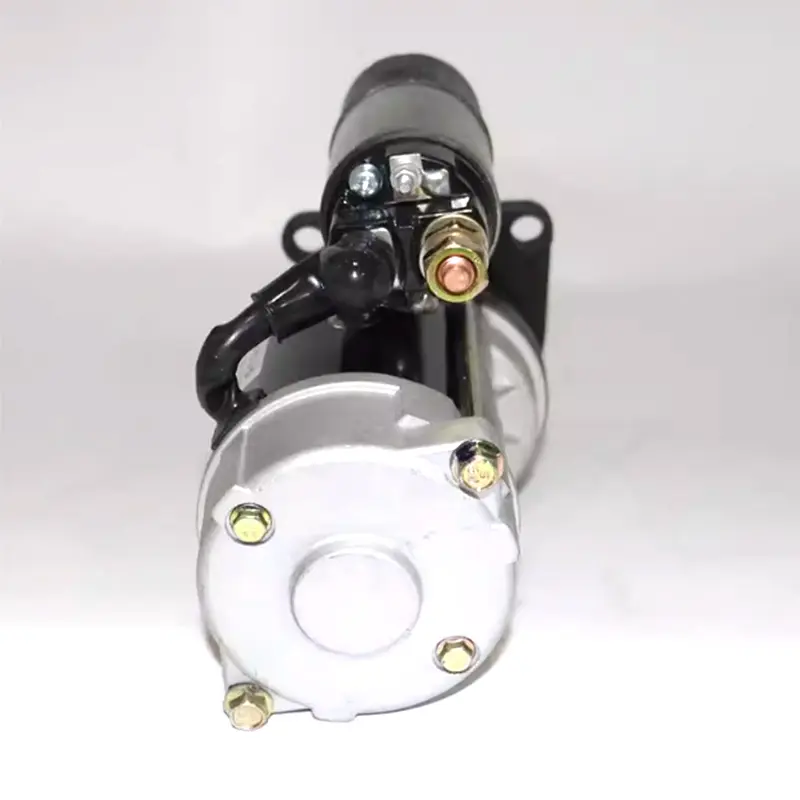
Wiring: Follow the wires from the battery to the starter motor. The starter motor will have a positive terminal connected to the battery and a smaller wire for the ignition switch.
Solenoid: The starter motor may have a solenoid mounted on it or nearby, which engages the motor when the ignition is turned on.
Check Battery Voltage: Use a multimeter to check the battery voltage. A fully charged battery should read around 12.6 volts.
Inspect Connections: Ensure all connections to the starter motor are secure and free of corrosion.
Test the Starter Motor: You can perform a bench test by removing the starter motor and connecting it directly to a power source (battery) to see if it spins.
Alternatively, you can use a remote starter switch to bypass the ignition switch and test the starter motor while it is still installed.
When attempting to start the road roller, listen for any clicking sounds. A single click may indicate a faulty starter motor or solenoid, while rapid clicking may suggest a weak battery.
If the road roller is equipped with an electronic control system, use a diagnostic tool to check for any fault codes related to the starting system.
If you are unable to diagnose the issue or if the starter motor needs replacement, it may be best to consult a qualified mechanic or technician.
The starting motor is typically mounted directly on the engine, near the flywheel, which allows its gear to engage the engine's drive system when starting.
A single click usually points to a faulty starter motor or a stuck solenoid. In contrast, rapid clicking sounds generally indicate a weak battery that lacks the voltage needed to crank the engine.
A fully charged and healthy road roller battery should show a reading of approximately 12.6 volts when tested with a standard multimeter.
You can perform a bench test. This requires removing the starter motor entirely from the engine and connecting it directly to a 12V battery to observe if the motor spins and the gear projects properly.
Yes, for safety, always make sure the engine is shut down, the parking brake is engaged, and it is recommended to disconnect the battery terminals to prevent accidental electrical shorts or sparks.