 Vita Construction
1 / 3
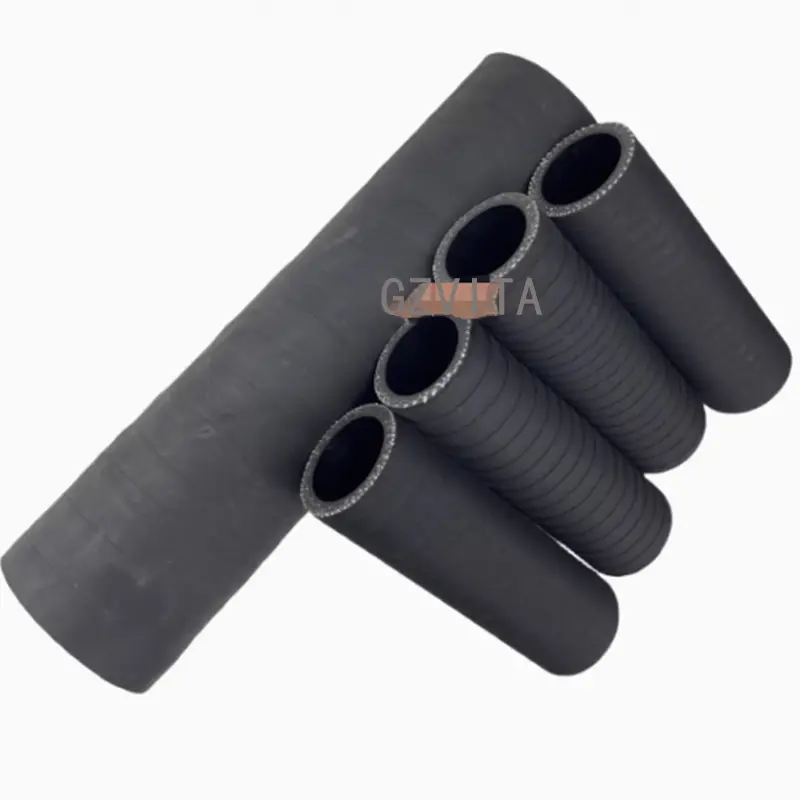
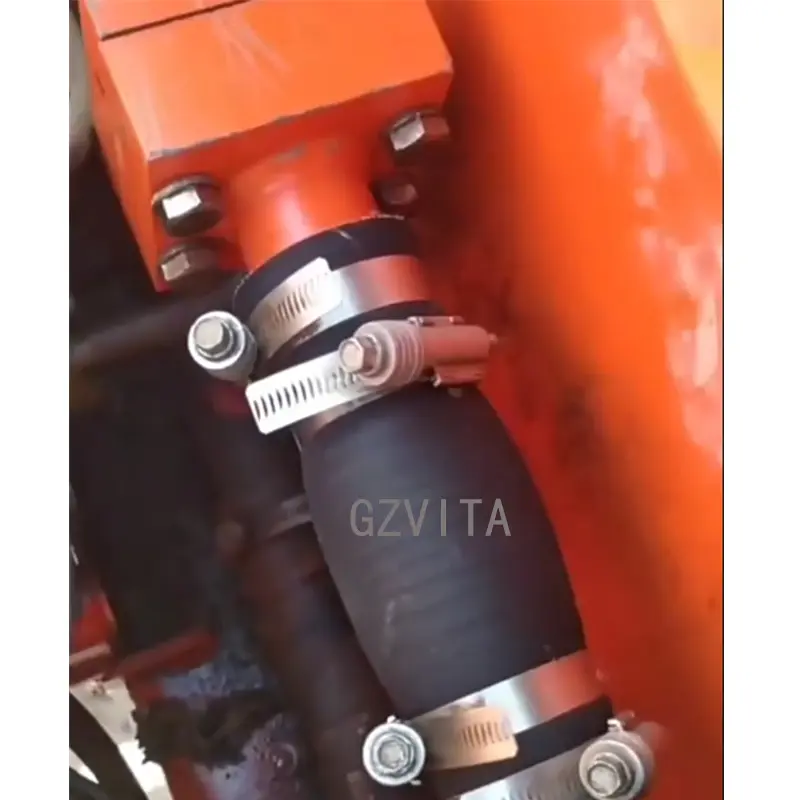
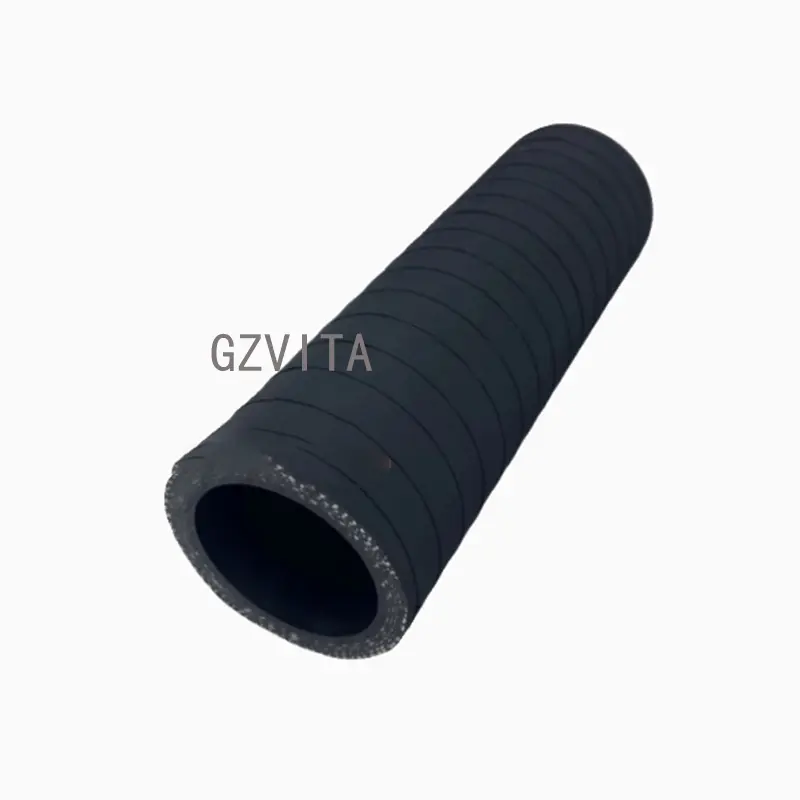
Rubber hoses play a crucial role in the cooling system of an excavator, particularly in relation to the radiator.
These hoses are responsible for transporting coolant between the engine and the radiator, ensuring that the engine operates within the optimal temperature range.
Here are several key points regarding the effect of a rubber hose on the radiator of an excavator:
Efficient Heat Transfer: The rubber hose facilitates the flow of coolant to and from the radiator. Proper coolant flow is essential for effective heat transfer, allowing the radiator to dissipate heat generated by the engine.
Temperature Control: By maintaining a consistent flow of coolant, the rubber hose helps regulate the engine temperature, preventing overheating and ensuring optimal performance.
Pressure Resistance: Rubber hoses are designed to withstand the pressure generated within the cooling system. A well-functioning hose maintains the necessary pressure for efficient coolant circulation, which is vital for the radiator's performance.
Preventing Collapse: If a rubber hose is of poor quality or damaged, it may collapse under pressure, restricting coolant flow and leading to overheating or radiator failure.
Material Quality: High-quality rubber hoses are resistant to heat, abrasion, and chemical exposure, which is essential in the harsh operating environment of an excavator. Durable hoses contribute to the longevity of the cooling system and the radiator.
Regular Maintenance: Regular inspection and replacement of rubber hoses are crucial. Worn or cracked hoses can lead to leaks, reducing coolant levels and compromising the radiator's ability to cool the engine effectively.
Sealing Capability: Rubber hoses are designed to create a tight seal at connection points, preventing coolant leaks. Leaks can lead to a drop in coolant levels, resulting in overheating and potential engine damage.
Impact on Radiator Performance: If a rubber hose develops a leak, it can significantly affect the radiator's performance, leading to insufficient cooling and increased risk of engine failure.
Flexibility: Rubber hoses are flexible and can absorb vibrations from the engine and surrounding components. This flexibility helps maintain the integrity of the connections and reduces the risk of damage to the radiator and other cooling system components.
Noise Reduction: The rubber material can also help dampen noise generated by the engine, contributing to a quieter operation.
The primary function of the rubber hose is to transport coolant between the engine and the radiator, which helps regulate engine temperature and prevent overheating.
A damaged hose can leak coolant, leading to low fluid levels and insufficient cooling. Under pressure, a weak hose may also collapse, blocking coolant flow and resulting in engine overheating or radiator failure.
Excavators generate significant vibrations during operation. Flexible rubber hoses absorb these vibrations, protecting the connections and preventing damage to the rigid radiator and other cooling system components.
Hose collapse is usually caused by material degradation, poor quality, or a failure in the cooling system pressure regulation. This limits the flow of coolant and can cause immediate overheating.
Regular inspections should be conducted during routine maintenance checks. Look for cracks, hardening, leaks, or swelling, and replace any worn hoses immediately to avoid costly engine damage.