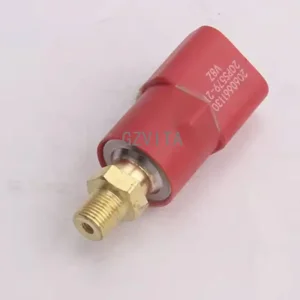
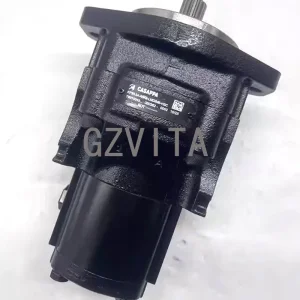
High-performance diesel engine oil pumps and hydraulic rotary units built for Tokyo municipal logistics and extreme load demands.
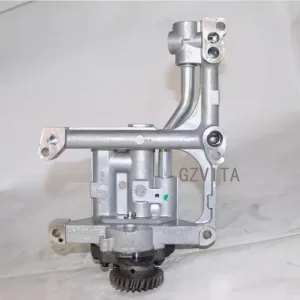
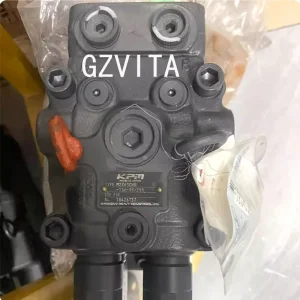
Tokyo is not only the economic heart of Japan but also the hub for complex logistics networks, subway line extensions, port expansions, and intensive land reclamation projects. These demanding industrial systems depend heavily on continuous power. Stationary backup systems, marine auxiliary setups, and hydraulic heavy machinery often rely on diesel systems built by Perkins Engines and compatible Caterpillar architectures.
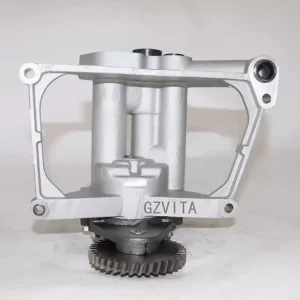
Due to strict environmental policies, such as the Tokyo Metropolitan Environmental Security Ordinance, diesel engines operated within the city must maintain exceptional operational efficiency and low emissions. This compliance creates a high demand for premium engine replacement components. Standard items like engine oil pumps (e.g., the Perkins Oil Pump T419939) and dynamic hydraulic parts need to meet precise tolerances to prevent performance drops or increased tailpipe emissions.
"Ensuring optimal hydrodynamic lubrication inside the C4.4, C6.6, and C7.1 engine blocks is critical to maintaining low particulate emissions and complying with Tokyo’s low emission zones."
By delivering high-precision replacement assemblies, global manufacturers enable local logistics companies, marine fleets operating in Tokyo Bay, and urban excavating companies to maintain high uptime. This support helps operators avoid expensive unexpected maintenance issues and bypass penalties associated with emission compliance failures.
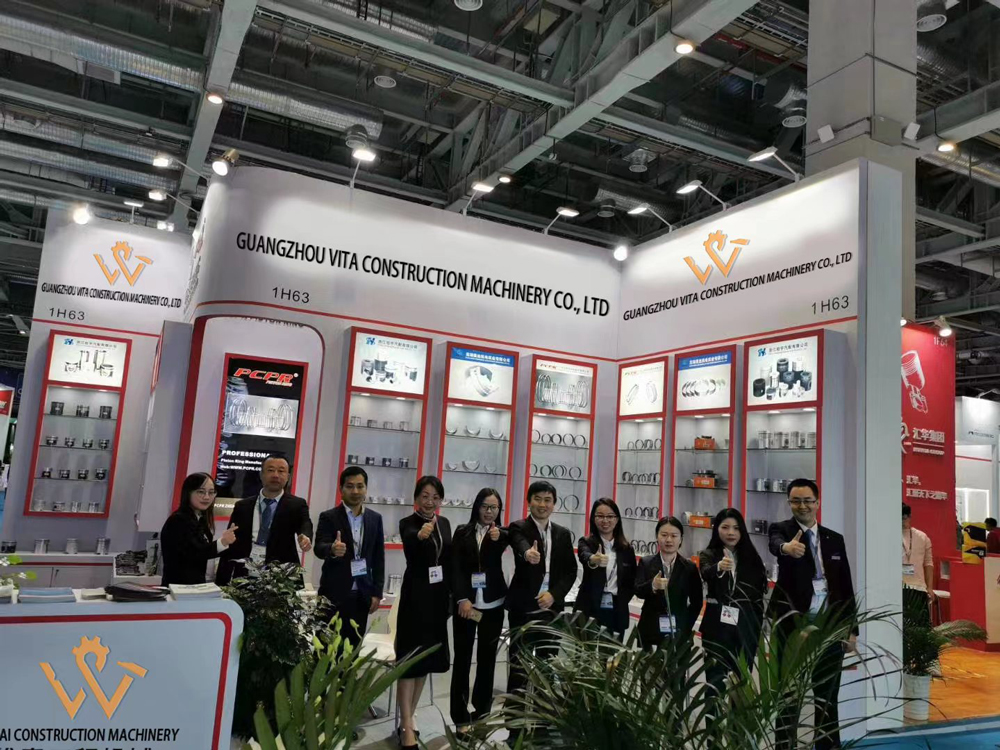
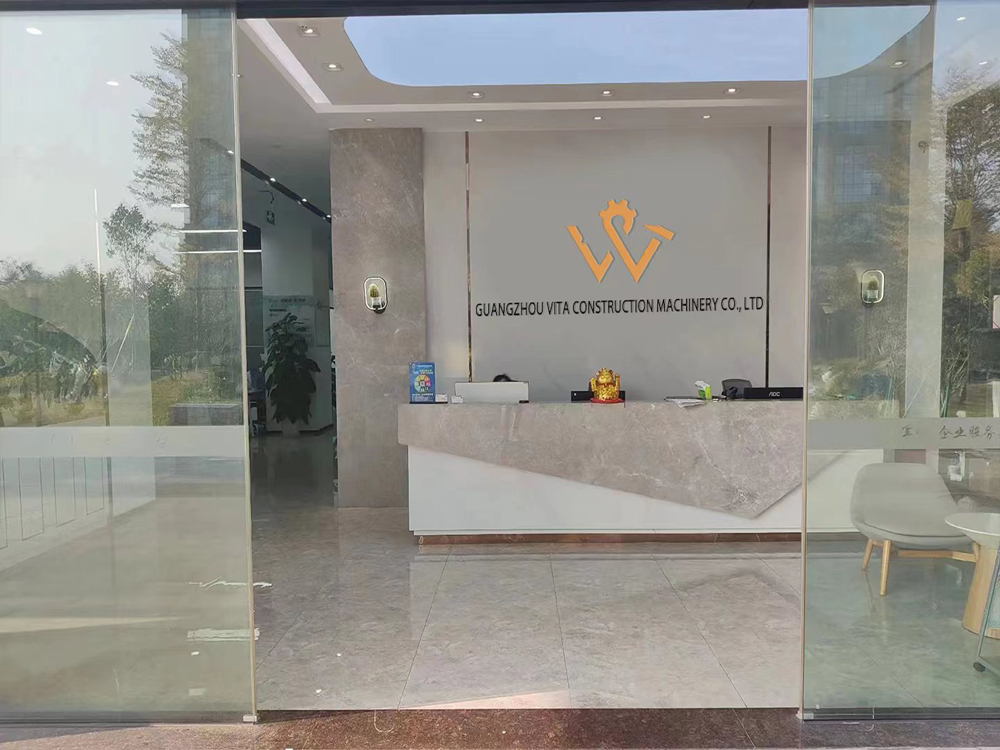
Guangzhou Vita Construction Machinery Co., Ltd. combines advanced manufacturing facilities with international trade expertise to supply premium engine and hydraulic parts.
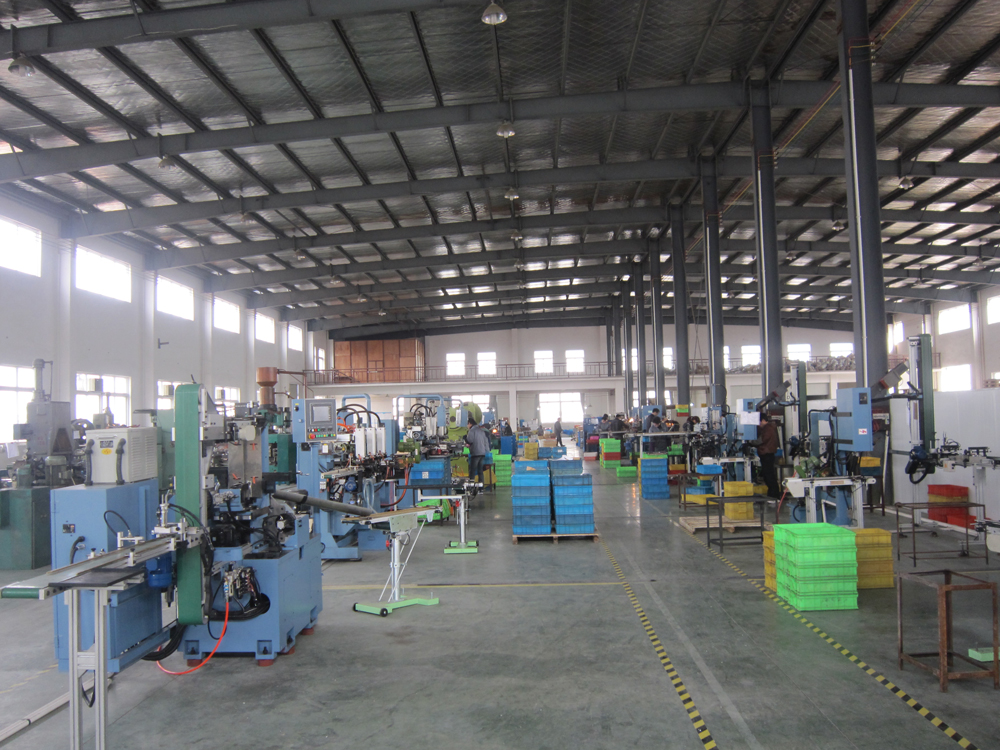
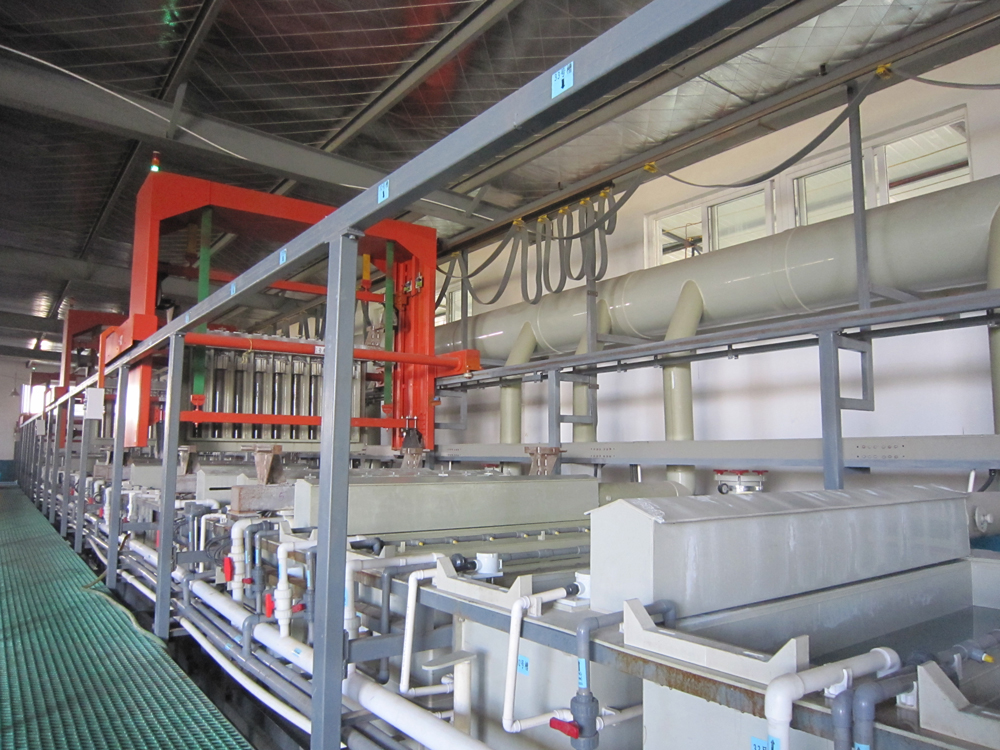
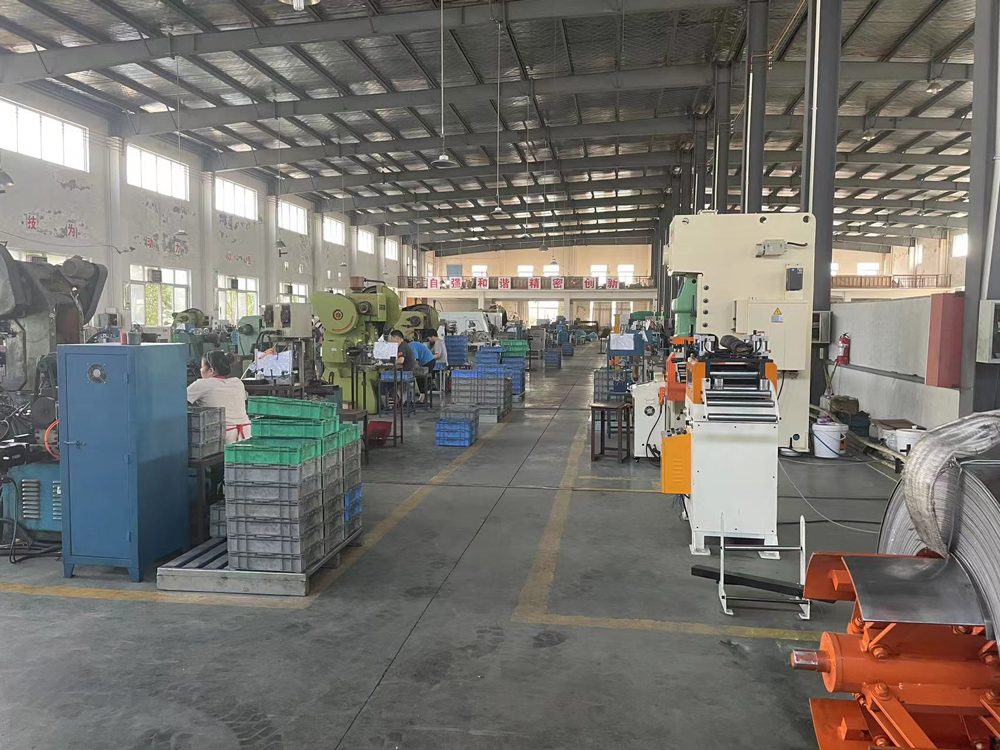
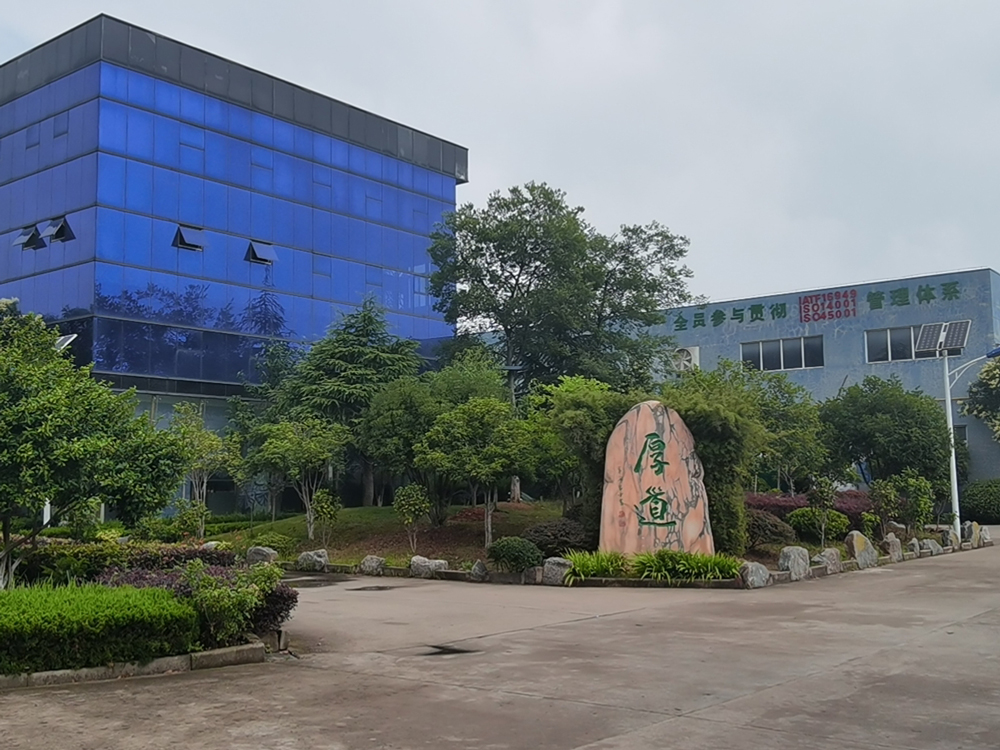
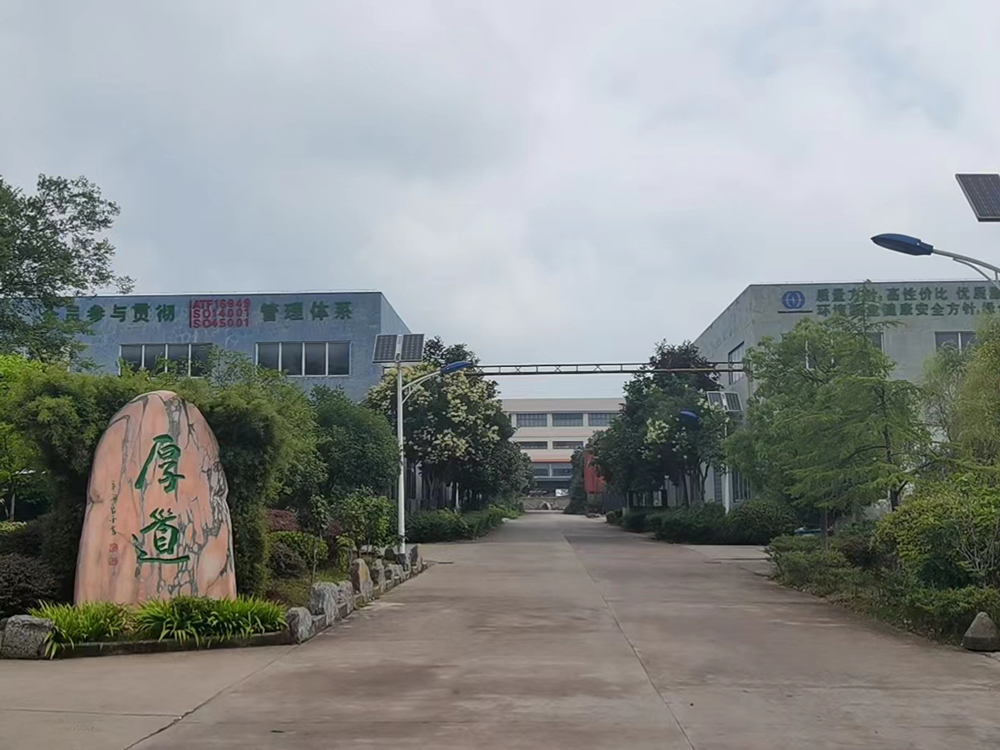
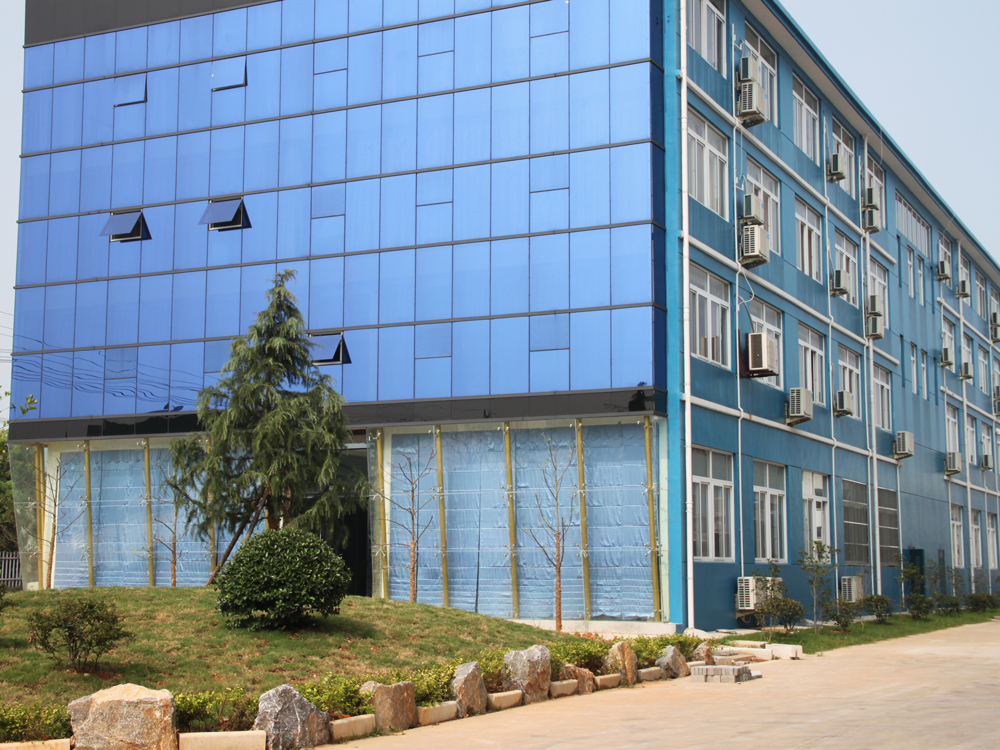
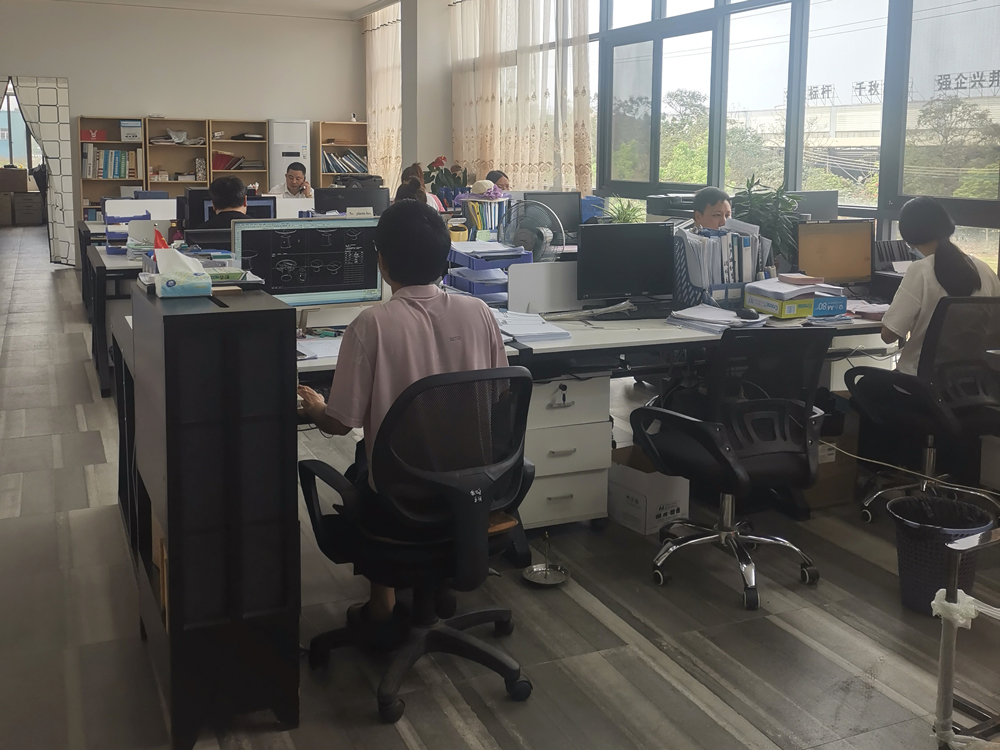
Our production base in Xiangyang City, Hubei Province, spans over 18,000 square meters of workshop area. Equipped with advanced CNC machining centers and high-precision testing machinery, our team of 278 skilled workers and 8 experienced mechanical engineers ensures that every component meets strict dimensional and structural standards.
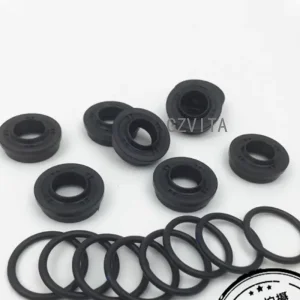
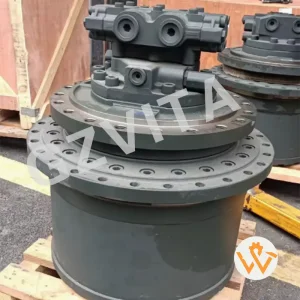
We specialize in manufacturing and supplying a comprehensive range of construction machinery parts. This includes diesel engine assemblies, hydraulic piston pumps, traveling final drives, generator units, connecting rod bearings, main bearings, and gear pumps. Our products are engineered as direct replacements for brands like Komatsu, Volvo, Sumitomo, Caterpillar, Kubota, Hitachi, John Deere, Kobelco, Hyundai, Kato, Sany, XCMG, and SUNWARD.
We conduct structural analysis and load testing to ensure components function reliably under high stress and varying thermal conditions, minimizing premature wear.
Our technical service department assists clients with system integrations, troubleshooting hydraulic circuits, and resolving engine assembly calibration challenges.
We support operators globally by deploying technicians for on-site diagnostic inspections, system installations, and rebuild projects when complex challenges arise.
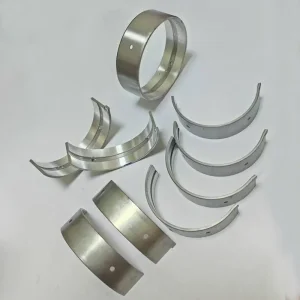
Modern high-output diesel systems rely on consistent hydrodynamic lubrication. High-speed turbocharged platforms like the Perkins C4.4, C6.6, and C7.1 generate substantial loads on the connecting rod bearings and main bearings. To prevent metal-to-metal contact during peak load events, the clearance between the bearing shell and the crankshaft must be kept within precise tolerances, often measured in micrometers.
Using alloy compositions containing copper, lead, and tin, or advanced aluminum-silicon configurations, helps optimize bearing fatigue resistance. The oil pump plays a critical role in this system by maintaining the required volumetric flow rate and pressure across a wide temperature range, ensuring the oil film remains stable even under extreme conditions.
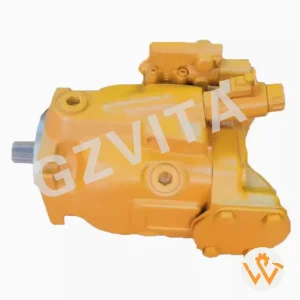
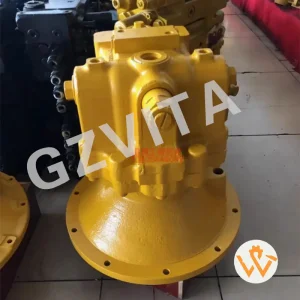
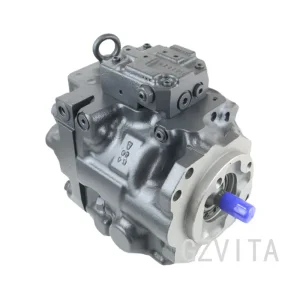
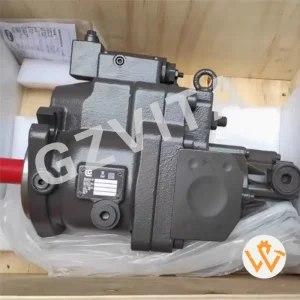
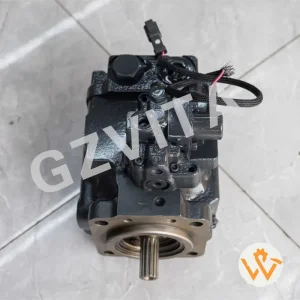
High-pressure hydraulic piston pumps, such as the Kawasaki K3V80 or Caterpillar 487-6223, run at pressures exceeding 320 bar. In these high-pressure environments, cavitation can quickly degrade valve plates and piston cylinders, leading to system failure.
To reduce wear, modern hydraulic components are designed with optimized inlet geometry and utilize specialized surface treatments, like physical vapor deposition (PVD). These design features help prevent micro-implosions near the port openings, allowing components to run more quietly and maintain volumetric efficiency over a longer service life.
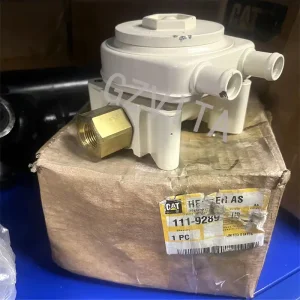
Because construction companies often manage mixed fleets containing machinery from Caterpillar, Komatsu, Volvo, and Sany, parts compatibility is key. For example, many Caterpillar and Perkins engines share common block designs, meaning high-quality oil pumps, oil coolers, and solenoid valves can be used interchangeably across different machine models.
This component interchangeability helps equipment managers simplify their parts inventory, reduce overhead costs, and secure reliable alternative sourcing options during supply chain disruptions.
Engineered parts designed for high-stress applications in grading, excavation, and structural operations.
Engines operated in dense urban areas like Tokyo must meet strict local emission standards. The introduction of Tier 4 Final and EU Stage V regulations has required manufacturers to refine the combustion and aftertreatment systems on engines like the Perkins C4.4 and C7.1.
Exhaust Gas Recirculation (EGR) & Selective Catalytic Reduction (SCR): These systems work together to reduce nitrous oxide (NOx) emissions, but they also expose engine components to higher operational temperatures and soot levels.
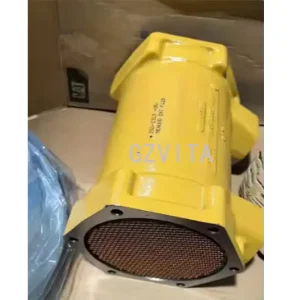
Increased Lubricant Stress: Higher soot levels and increased heat put extra stress on the engine oil. High-performance oil coolers and oil pumps with tight tolerances are essential to maintain oil viscosity and keep the engine properly lubricated.
System Diagnostics: Reliable pressure switches and sensors are needed to monitor engine conditions in real-time, helping to prevent damage before it occurs.
For fleet managers, using components that match OEM specifications is key to maintaining emission compliance. Our replacement parts are designed to handle the thermal and mechanical stresses of modern emission-compliant engines, helping operators keep their machinery running reliably within city limits.
Technical answers regarding Perkins engine components, hydraulic systems, and compatibility specifications.
Common signs of a failing oil pump include a drop in oil pressure on your instrument panel, higher engine operating temperatures, and increased mechanical noise from the valvetrain. If you notice these symptoms, it is important to inspect the pump immediately to prevent damage to the crankshaft and bearings.
Yes, many Perkins and Caterpillar engines share identical blocks and internal designs, particularly within the mid-range engine families. For instance, parts for the Perkins C4.4 are often compatible with the Caterpillar C4.4 engine series. Always verify the specific OEM part numbers before purchasing to ensure a proper fit.
Tokyo enforces strict limits on particulate matter and NOx emissions for construction equipment. To stay compliant, engines must run efficiently without burning oil. High-precision oil pumps and effective thermal management systems, like oil coolers, are essential for maintaining proper combustion chamber performance and low tailpipe emissions.
Cavitation occurs when air bubbles form and collapse in hydraulic fluid due to rapid pressure changes. This is often caused by restricted intake lines, dirty suction filters, or aerated hydraulic oil. Over time, cavitation can erode the metal surfaces of the pump's pistons and valve plates, reducing hydraulic pressure and performance.
Our factory in Hubei Province follows a multi-step quality control process. Every production run undergoes hardness testing, dimensional inspections using high-precision gauges, and dynamic load testing. This ensures that all components, from engine bearings to hydraulic pumps, match original equipment specifications and perform reliably.
A comprehensive selection of engine bearings, steering pumps, final drives, and hydraulic control valves.
 Vita Construction