 Vita Construction
1 / 3
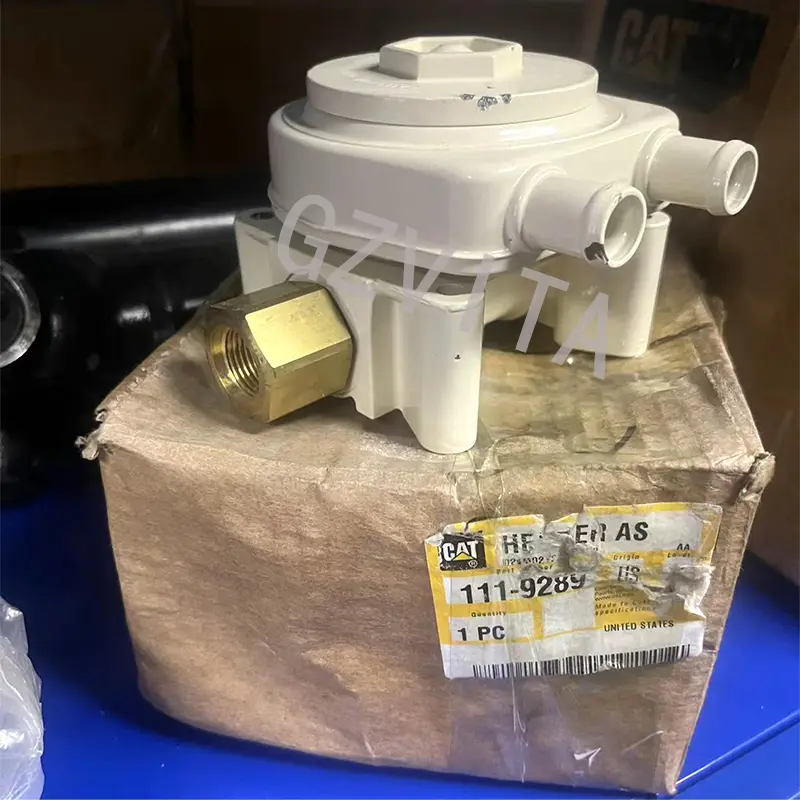
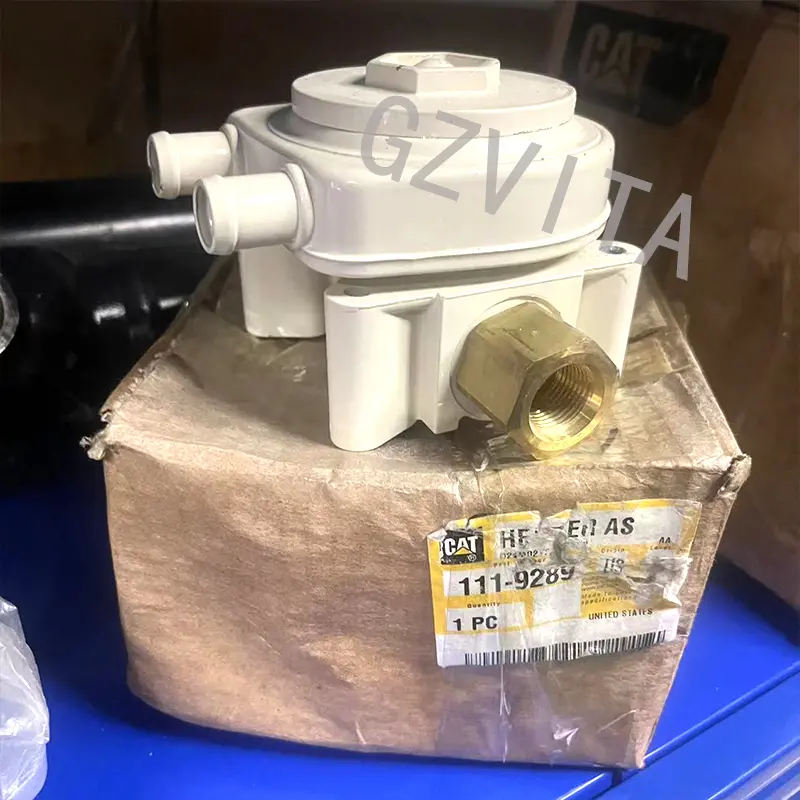
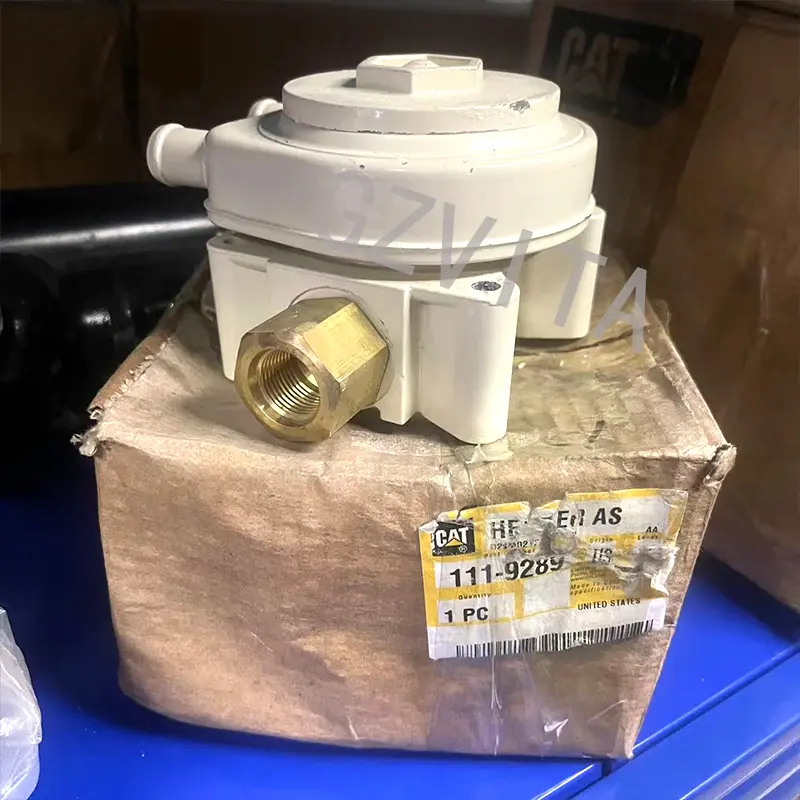
Caterpillar machinery is renowned for its durability and performance in various industrial applications, including construction, mining, and agriculture. To ensure optimal operation, especially in extreme weather conditions, the use of coolant and fuel heaters is essential. These heaters play a critical role in maintaining the efficiency and reliability of Caterpillar engines, enhancing performance, and extending the lifespan of the machinery.
Coolant heaters are designed to warm the engine coolant before starting the engine. This pre-heating process offers several benefits:
Cold temperatures can make it difficult for engines to start. By pre-heating the coolant, the engine can start more easily, reducing wear and tear on engine components.
A warmed engine burns fuel more efficiently, leading to lower emissions. This is particularly important in regions with strict environmental regulations.
When the engine operates at optimal temperatures, it runs more efficiently, which can lead to improved fuel economy.
Cold starts can cause increased wear on engine parts. By using a coolant heater, the risk of damage from thermal shock is minimized.
Fuel heaters are crucial for maintaining the proper viscosity of fuel, especially in colder climates. They serve several key functions:
In low temperatures, diesel fuel can gel, leading to clogs in the fuel system. Fuel heaters keep the fuel at an appropriate temperature, ensuring smooth flow and preventing gelling.
Warmer fuel atomizes better, leading to more efficient combustion. This can enhance engine performance and reduce emissions.
By preventing fuel-related issues, fuel heaters contribute to the overall reliability of the machinery, reducing downtime and maintenance costs.
Coolant heaters warm up the engine block before starting, which thins the engine oil, facilitates easier ignition, minimizes starter motor wear, and prevents potential thermal shock damage to internal engine parts.
In extremely cold temperatures, the paraffin wax naturally present in diesel fuel begins to crystallize and gel. This thick, cloudy fuel can easily clog fuel filters and lines. Fuel heaters keep the fuel at a safe temperature to ensure a consistent, fluid flow.
When a diesel engine starts cold, it burns fuel inefficiently, producing high levels of harmful emissions. Pre-heating the coolant and fuel ensures optimal combustion right from the start, significantly reducing smoke and emissions output.
Yes. Warmer fuel atomizes better in the combustion chamber, allowing for complete fuel burn. Additionally, reaching optimal operating temperature quicker avoids excessive fuel consumption during the warm-up cycle.
Generally, no. Modern heavy-duty heaters are designed for industrial applications and require minimal maintenance. Routine inspections alongside regular engine servicing are usually sufficient to ensure long-term reliability.