 Vita Construction
1 / 4
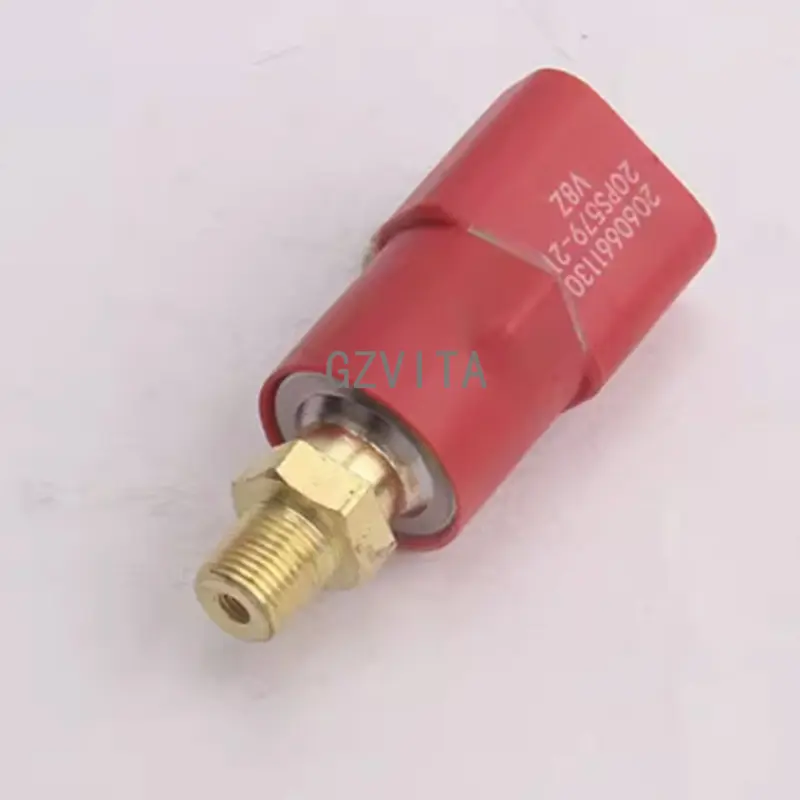
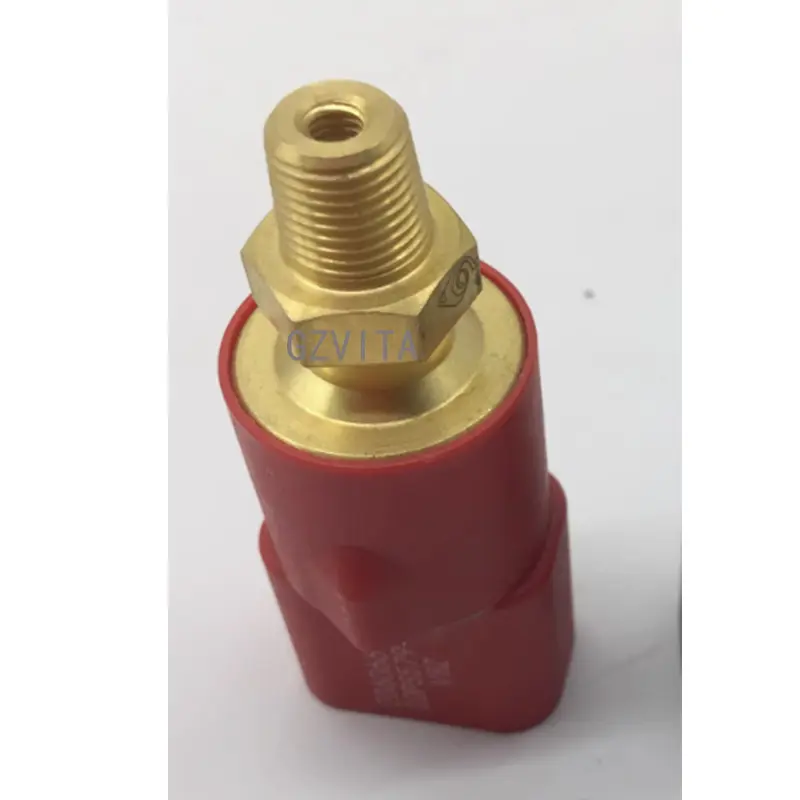
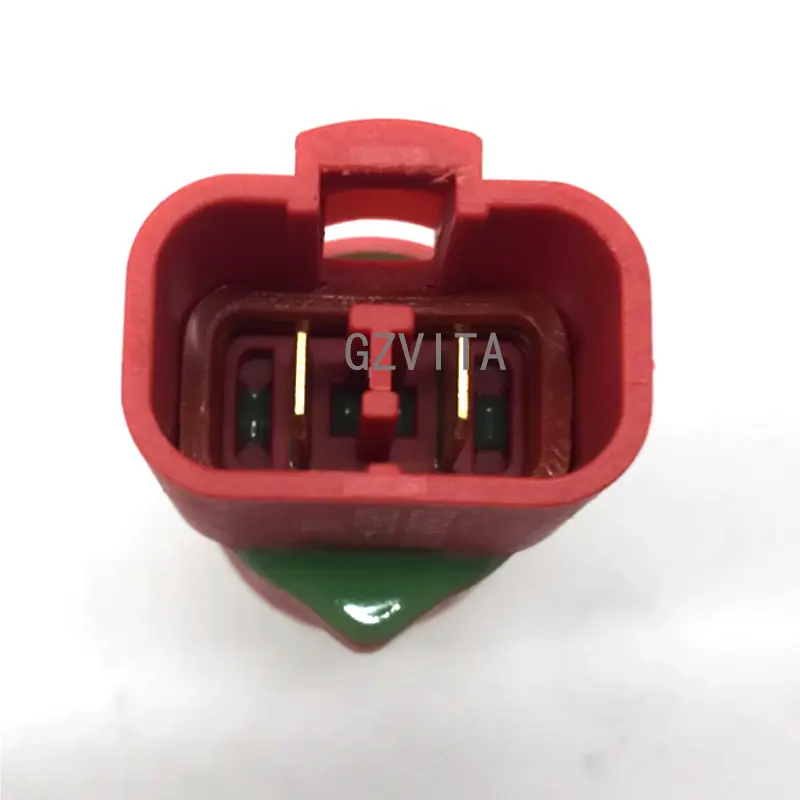
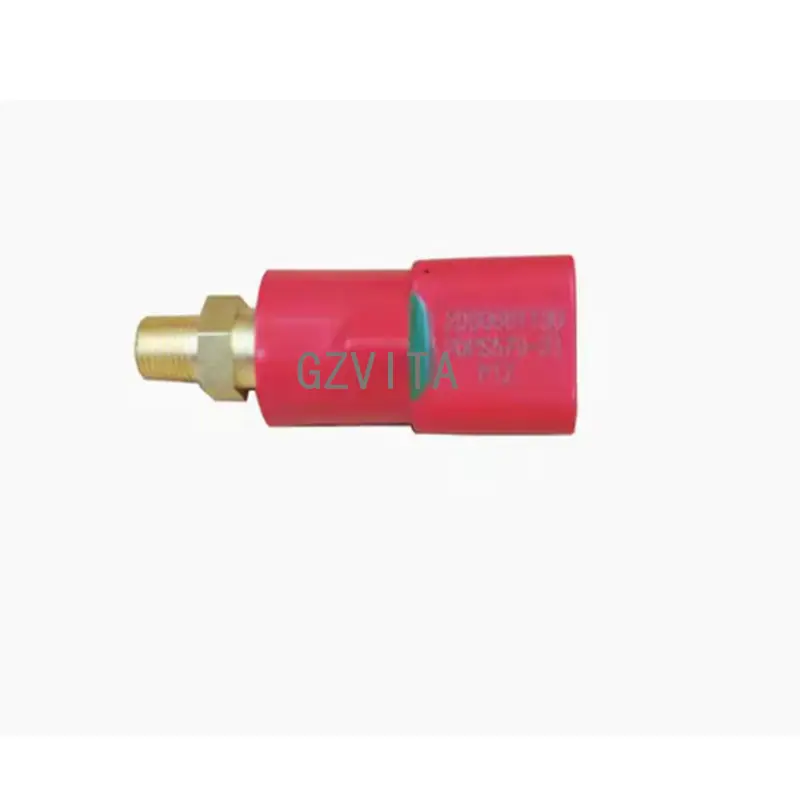
The pressure sensor and pressure switch block are critical components in various systems, including those used in construction machinery, automotive applications, and industrial equipment. Understanding the interaction between these two components is essential for ensuring optimal performance and safety. Here's an overview of how the pressure sensor affects the pressure switch block:
A pressure sensor measures the pressure of a fluid (liquid or gas) within a system and converts this measurement into an electrical signal. This signal can be used for monitoring, control, and data logging.
A pressure switch block is designed to open or close an electrical circuit based on the pressure level detected. It typically has a setpoint at which it activates or deactivates, providing a control mechanism for various applications.
The pressure sensor provides real-time data on the system's pressure. Accurate readings are crucial for the pressure switch block to function correctly. If the sensor is faulty or miscalibrated, it can lead to incorrect pressure readings, causing the switch to activate or deactivate at inappropriate times.
The speed at which the pressure sensor can detect changes in pressure affects the responsiveness of the pressure switch block. A fast-responding sensor allows for quicker adjustments in the system, enhancing safety and efficiency.
Some advanced pressure sensors allow for programmable setpoints. This feature can enable the pressure switch block to be adjusted dynamically based on operational conditions, improving system performance and adaptability.
The pressure sensor may include signal conditioning features that filter noise and enhance the quality of the signal sent to the pressure switch block. A clean and stable signal ensures reliable operation of the switch.
In modern systems, pressure sensors are often integrated with control systems (like PLCs or SCADA). This integration allows for more sophisticated control strategies, where the pressure switch block can be part of a larger automated system that responds to various inputs, including pressure readings.
If the pressure sensor fails, it can lead to incorrect pressure readings, causing the pressure switch block to operate erratically. This can result in system failures, safety hazards, or inefficient operation.
Over time, pressure sensors may experience calibration drift, leading to inaccurate readings. Regular maintenance and recalibration are essential to ensure the reliability of both the sensor and the switch block.
External factors such as temperature, humidity, and vibration can affect the performance of both the pressure sensor and the pressure switch block. Proper installation and protective measures can mitigate these effects.
A pressure sensor measures fluid pressure and translates it into a continuous electrical signal for tracking and control. In contrast, a pressure switch block acts as an on/off trigger that opens or closes a circuit when the pressure reaches a specific setpoint.
If the pressure sensor malfunctions, it transmits incorrect data, causing the pressure switch block to activate or deactivate at incorrect times. This erratic operation can lead to reduced system efficiency, component wear, or total system shutdown.
Response time dictates how fast the sensor captures fluctuations in pressure. A faster response ensures the pressure switch block triggers instantaneously, protecting downstream machinery from pressure spikes and ensuring safe operations.
Calibration drift is the gradual loss of accuracy in a pressure sensor over time due to wear, temperature changes, or mechanical stress. It is mitigated by conducting regular maintenance inspections and routine recalibrations.
Yes, severe environmental elements like extreme temperatures, high humidity, and persistent vibration can degrade both components. Utilizing protective enclosures and proper installation techniques helps prevent performance loss.
Connecting pressure sensors to control systems like PLCs allows operators to program dynamic setpoints. The pressure switch block can then respond intelligently to complex system scenarios and multi-input variables, rather than relying on a static limit.