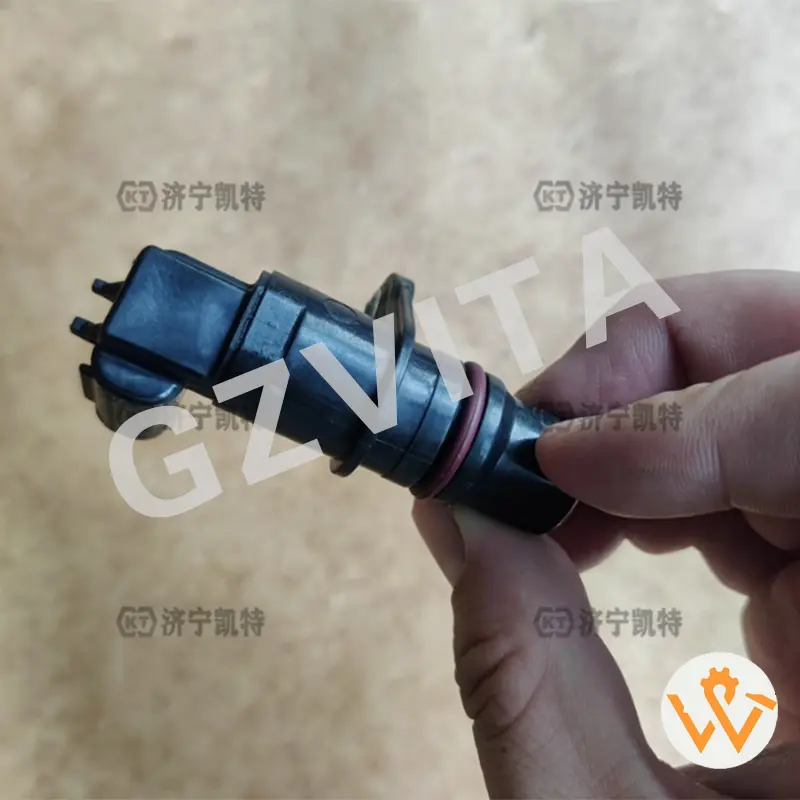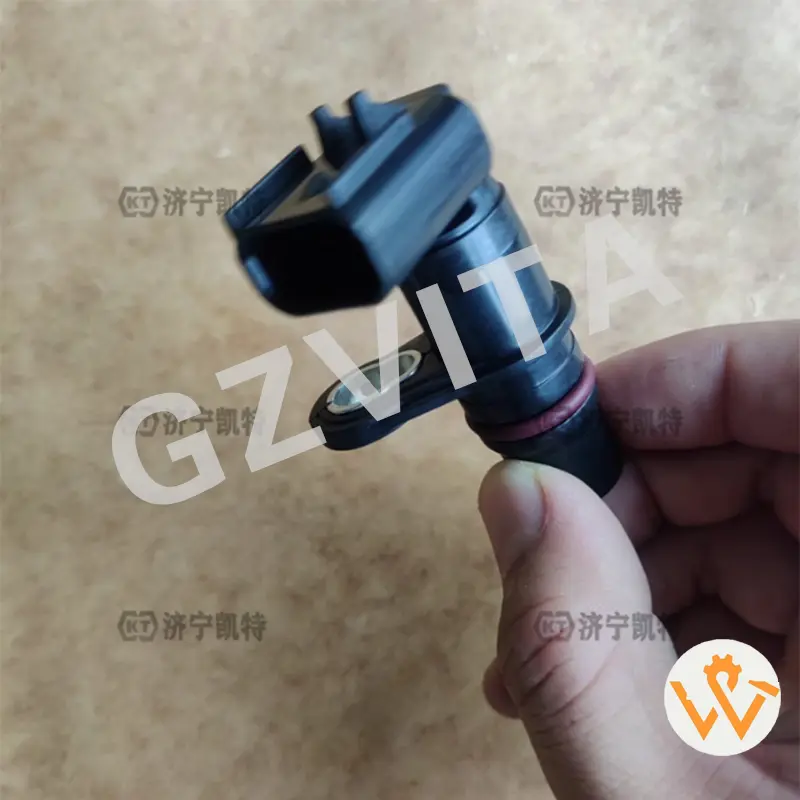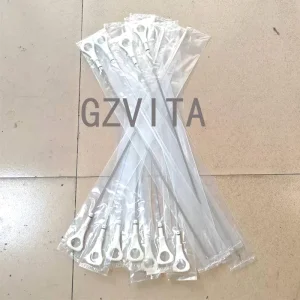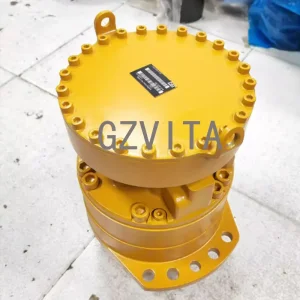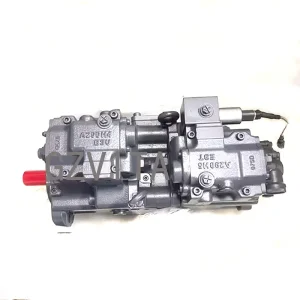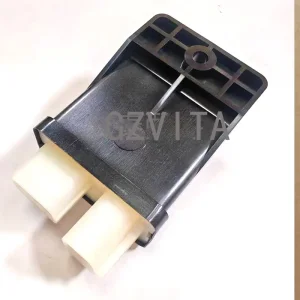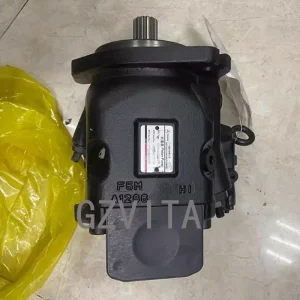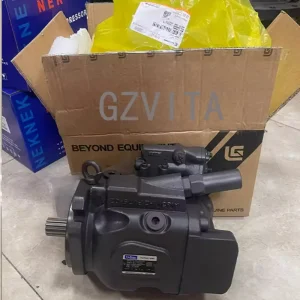
High-Quality 6271-81-9200 6271-81-9201 6271-81-9202 POSITION Sensor for PC200-8 PC220-8 PC300-8 PC350-8 Factories, Company

Crankshaft synchronization – Provides camshaft position data to synchronize with crankshaft position.

Cylinder identification – Identifies the specific cylinder (e.g., #1 cylinder) for sequential fuel injection timing.

Injection timing reference – Determines the exact start of injection for each cylinder.

Variable valve timing input (if equipped) – Provides real-time camshaft position data for VVT system control.

Engine phase detection – Detects the current phase of the four-stroke cycle (intake, compression, power, exhaust).

Sequential fuel injection enablement – Allows the ECU to fire injectors in the correct engine firing order.

Glow plug control timing – Helps determine which cylinder's glow plug to activate during cold starts.

Cylinder deactivation reference (if applicable) – Provides position data for systems that deactivate cylinders.

Misfire detection – Helps the ECU identify which specific cylinder is misfiring by comparing cam and crank signals.

Combustion monitoring reference – Aids in analyzing combustion quality per cylinder.

Start-stop system coordination – Ensures the engine restarts in the correct position for smooth, quick starting.

Cam/crank correlation monitoring – Verifies the mechanical timing relationship between the camshaft and crankshaft.

Timing error detection – Detects jumps or slips in the timing belt/chain by identifying signal misalignment.

Fuel pump control reference (for some systems) – Times the operation of the high-pressure fuel pump.

EGR valve timing control – Can assist in precise exhaust gas recirculation valve operation timing.

Boost pressure control reference – May influence turbocharger wastegate or VGT control based on engine cycle phase.

Idle speed control refinement – Provides finer cylinder-specific data for stable idle control.

Diagnostic trouble code (DTC) trigger – A faulty signal will generate specific DTCs (e.g., P0340, P0341).

Emergency limp-home mode enablement – If the sensor fails, the ECU may use a calculated value to allow limited operation.

Signal generation – Typically generates a digital square wave or sinusoidal signal via a Hall effect or magnetic reluctance principle.

Target wheel detection – Reads a notched or toothed wheel on the camshaft (often with one special "sync" tooth).

Voltage signal output – Sends a varying voltage signal to the ECU corresponding to camshaft position.

Frequency generation – The signal frequency changes with engine RPM.

Duty cycle information (for some types) – May provide additional timing data through pulse width modulation.

ECU wake-up signal – In some systems, its signal helps wake the ECU when the starter is engaged.

Immobilizer system synchronization – May be part of the security system's synchronization between ECU and key.

After-treatment system timing – For precise diesel exhaust fluid (DEF) injection or DPF regeneration triggering.

Engine braking system control – Can coordinate exhaust brake or compression release brake operation.

Fan clutch control input – May influence cooling fan engagement logic based on engine load and cycle.

Air conditioning compressor engagement coordination – Prevents AC clutch engagement at inopportune engine moments.

Power take-off (PTO) speed control reference – Provides a stable timing reference for constant PTO speed.

Product Description

The importance of hydraulic pump repair kits

Hydraulic pump repair kits are essential for maintaining the efficiency and longevity of hydraulic systems. Here are several reasons highlighting their importance:

Cost-Effectiveness

Repairing a hydraulic pump using a repair kit is often significantly cheaper than replacing the entire pump. This can lead to substantial savings for businesses, especially those that rely heavily on hydraulic machinery.

Minimizing Downtime

Hydraulic systems are critical in many industrial applications. Having a repair kit on hand allows for quick repairs, minimizing downtime and keeping operations running smoothly.

Improved Performance

Over time, wear and tear can lead to decreased performance of hydraulic pumps. Repair kits typically include all necessary components to restore the pump to its optimal functioning state, ensuring efficient operation.

Preventive Maintenance

Regularly using repair kits as part of a preventive maintenance program can help identify and address issues before they lead to more significant problems, extending the life of the hydraulic system.

Comprehensive Solutions

Repair kits often come with all the necessary components, such as seals, O-rings, gaskets, and bearings, ensuring that all potential failure points are addressed during the repair process.

Enhanced Safety

A malfunctioning hydraulic pump can pose safety risks, including leaks and pressure failures. Repair kits help ensure that pumps are functioning correctly, reducing the risk of accidents in the workplace.

Environmental Considerations

Repairing rather than replacing hydraulic pumps can reduce waste and the environmental impact associated with manufacturing new components. This aligns with sustainability goals for many organizations.

Technical Support and Guidance:

Many manufacturers provide detailed instructions and support for using repair kits, making it easier for technicians to perform repairs correctly and efficiently.

Customization:

Some repair kits can be tailored to specific pump models or applications, ensuring that the right components are available for unique hydraulic systems.

Availability of Parts:

Having a repair kit readily available means that parts can be replaced quickly without the need to wait for new components to be ordered, which can be crucial in urgent situations.

In summary, hydraulic pump repair kits play a vital role in maintaining hydraulic systems, offering cost savings, improved performance, and enhanced safety while supporting preventive maintenance efforts.

Frequently Asked Questions

Q1: Why should I use a hydraulic pump repair kit instead of replacing the entire pump?

Using a repair kit is highly cost-effective and significantly cheaper than purchasing a new pump. It helps restore the pump's optimal performance and extends the lifespan of your hydraulic machinery without the high cost of replacement.

Q2: What components are typically included in a hydraulic pump repair kit?

These kits usually come with essential sealing and structural components, including O-rings, seals, gaskets, and bearings, ensuring that all major failure points are addressed during maintenance.

Q3: Can having a repair kit on hand minimize system downtime?

Yes. Having a repair kit readily available on-site allows technicians to perform quick, immediate repairs, reducing operational downtime and preventing costly project delays.

Q4: Are these repair kits customizable for specific pump models?

Yes, many repair kits can be tailored or customized to fit specific pump models and unique industrial applications, ensuring complete compatibility with your hydraulic system.

Q5: How do hydraulic repair kits contribute to workplace safety?

By ensuring that pumps are properly sealed and functioning at optimal pressure levels, repair kits help prevent hazardous fluid leaks and pressure failures, thereby reducing the risk of workplace accidents.

Q6: Is repairing a pump more environmentally friendly than replacing it?

Yes, repairing and extending the life of your existing hydraulic pumps reduces industrial waste and lowers the carbon footprint associated with manufacturing and transporting new machinery.
Related Products