 Vita Construction
1 / 4
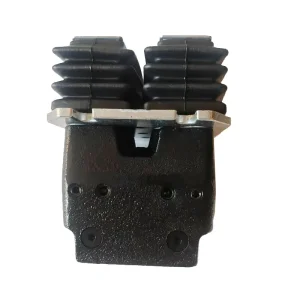
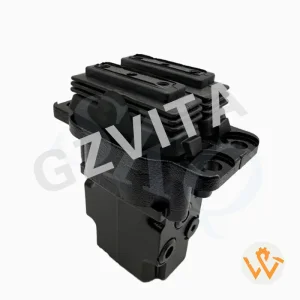
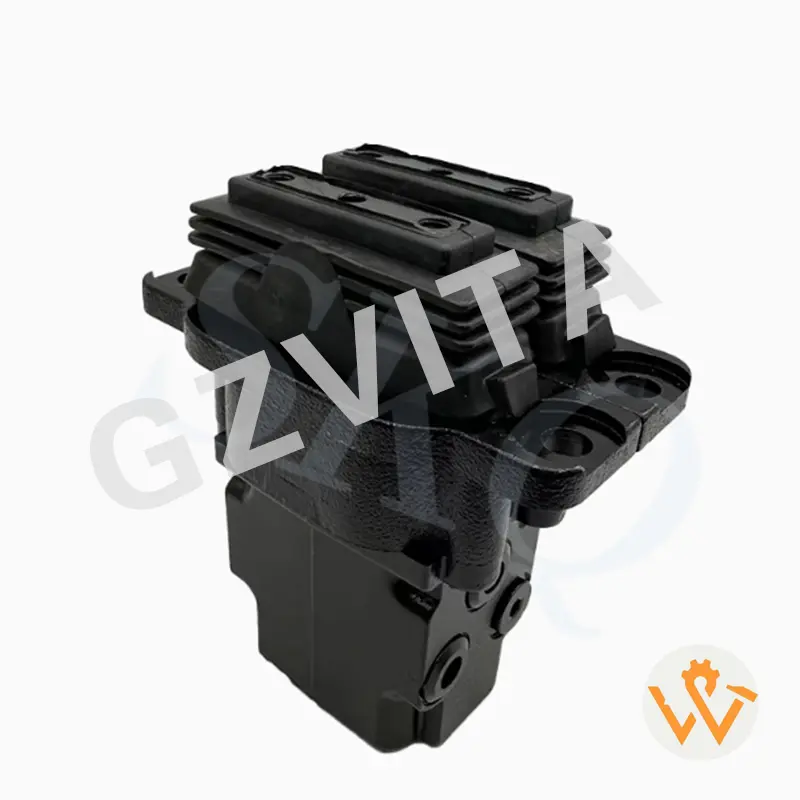
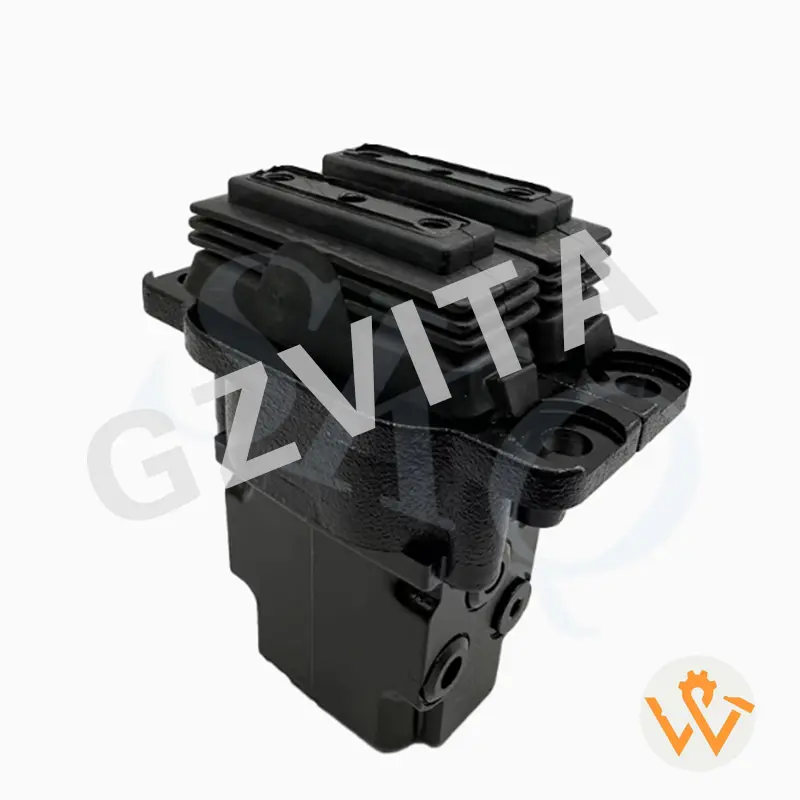
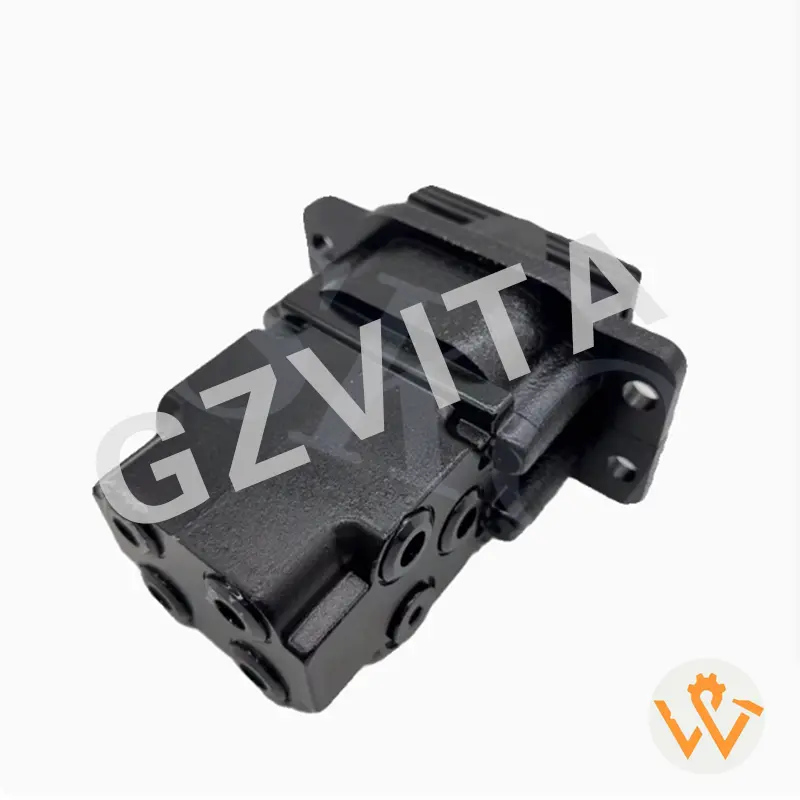
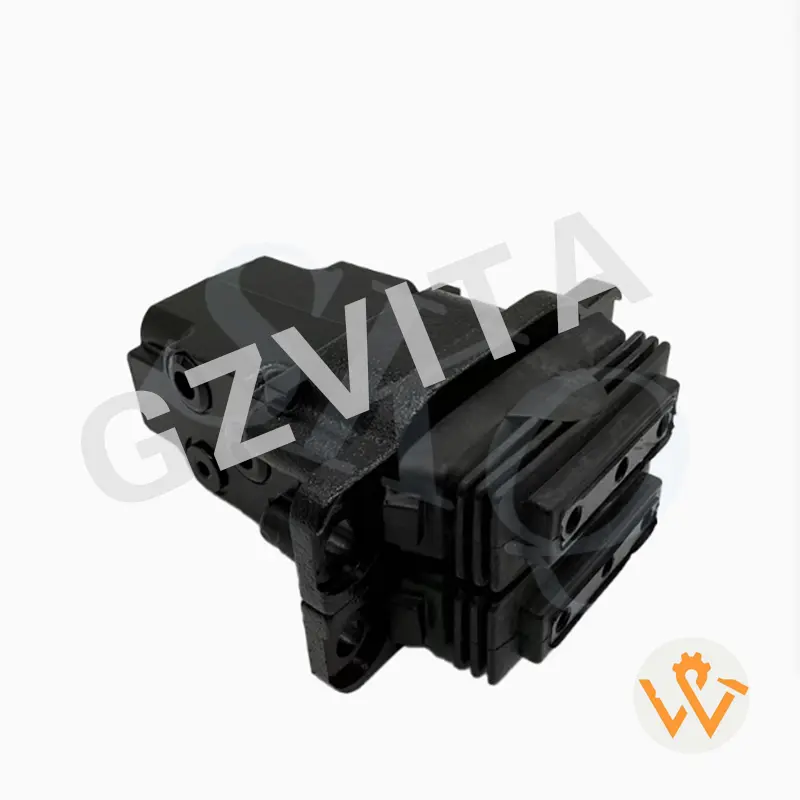
The foot pedal valve is an essential component in the hydraulic system of an excavator, allowing operators to control various functions of the machine with their feet. This control mechanism enhances operational efficiency and provides a more ergonomic way to manage the excavator’s movements.
Regulates the flow of hydraulic fluid to different parts of the excavator, such as the boom, arm, and bucket. Pressing the pedal controls movement speed and direction for precise operation.
Enables control of multiple functions simultaneously. Operators can raise the boom while tilting the bucket, significantly enhancing job-site productivity and machine efficiency.
Built-in safety features prevent accidental activation. This ensures operation remains safe and eliminates risk from unintended movement on the job site.
Foot pedal valves are designed to withstand the rigors of heavy machinery operation. They are typically made from high-strength materials that resist wear and tear, ensuring long-lasting performance. The design also focuses on providing a comfortable and responsive feel, allowing operators to make precise adjustments with minimal effort.
Regular maintenance of the foot pedal valve is crucial for ensuring its proper functioning. This includes checking for hydraulic leaks, ensuring that the pedal moves freely, and inspecting the connections to the hydraulic system. Neglecting maintenance can lead to reduced responsiveness and potential hydraulic failures, impacting the overall performance of the excavator.
In summary, the foot pedal valve is a vital component of an excavator’s hydraulic system, providing operators with the ability to control various functions efficiently and safely. Understanding its role and maintaining it properly is essential for maximizing the performance and reliability of the excavator. By ensuring that the foot pedal valve is in good working condition, operators can enhance their productivity and ensure safe operation on the job site.
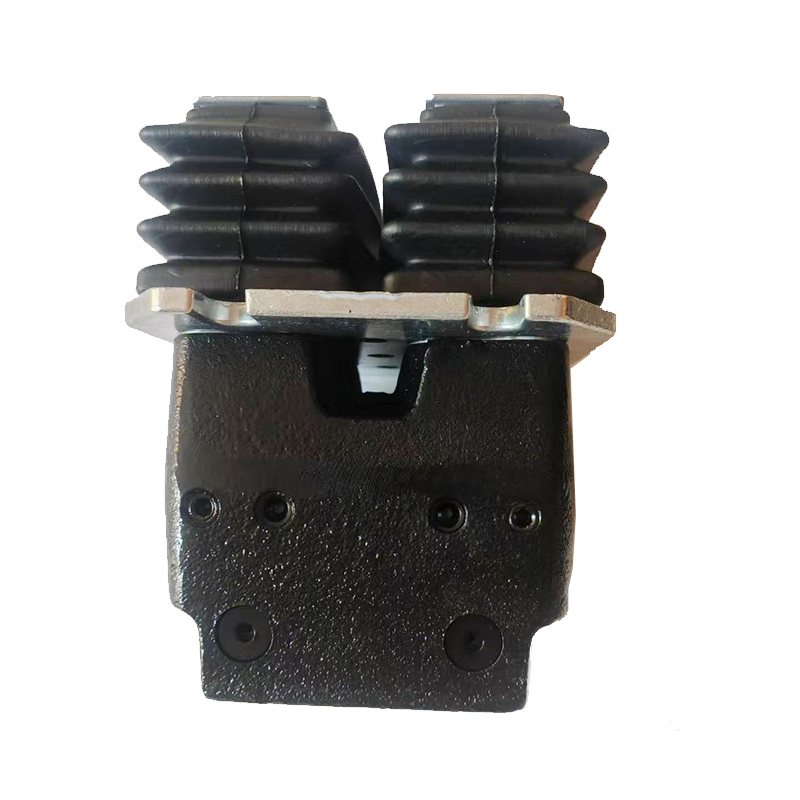
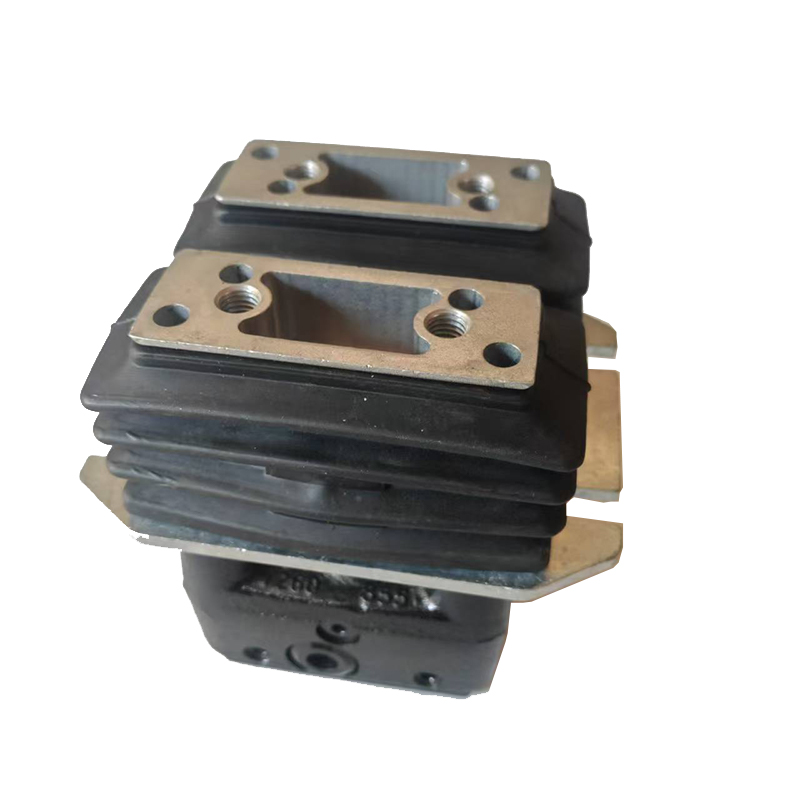
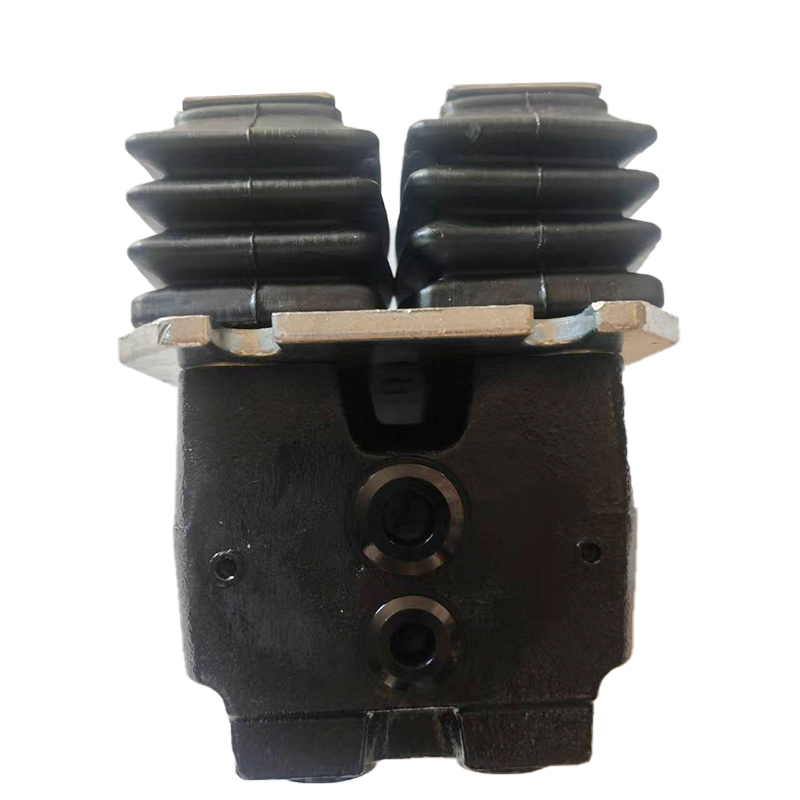
A1: The primary purpose of the foot pedal valve is to control the flow and direction of hydraulic fluid to various attachments and components like the boom, arm, and bucket, allowing for precise hands-free operation.
A2: By allowing operators to control key movements with their feet, they can perform multi-functional tasks simultaneously (such as raising the boom while tilting the bucket), which optimizes operation cycles and efficiency.
A3: Common indicators of failure include hydraulic fluid leaks around the pedal assembly, a stiff or sticky pedal movement, and delayed or unresponsive hydraulic actions when the pedal is pressed.
A4: Excavator foot pedal valves are manufactured using high-strength, wear-resistant metals and alloys designed to withstand high pressure, dust, vibrations, and continuous heavy-duty use in harsh construction environments.
A5: It is recommended to perform visual inspections daily for leaks and pedal resistance. Detailed inspections of internal connections and hydraulic pressures should be completed during regular scheduled machine maintenance.
A6: Yes, most modern excavator foot pedal valves are equipped with mechanical locks or guards to prevent accidental activation when the operator is entering or exiting the cab or during transit.