 Vita Construction
1 / 5
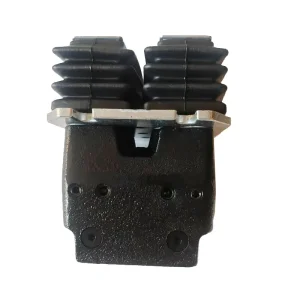
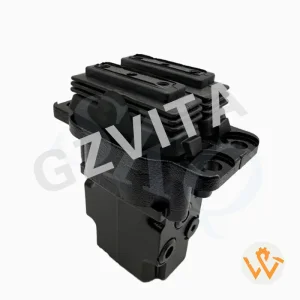
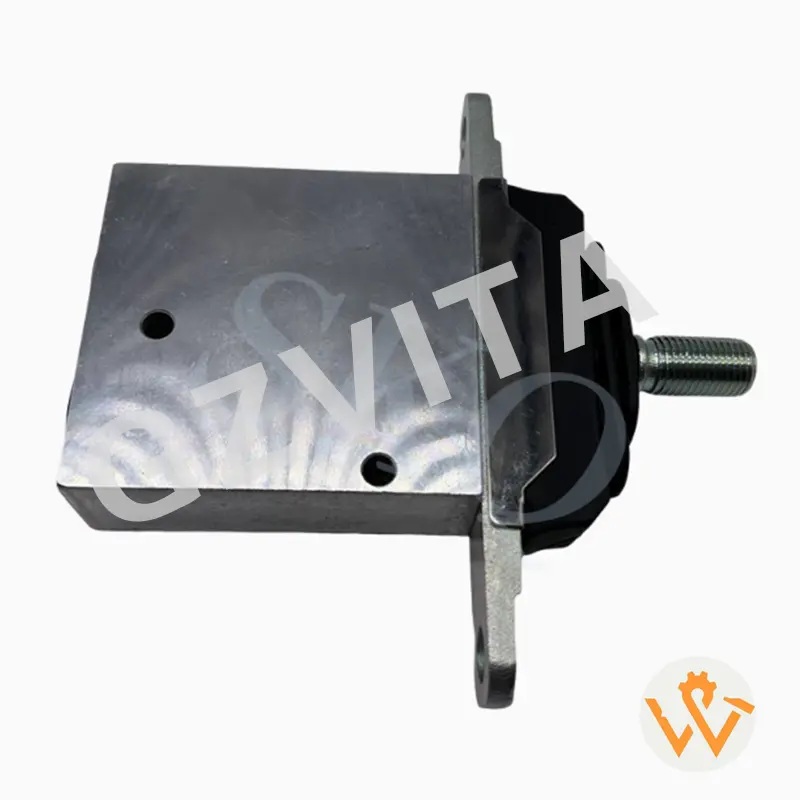
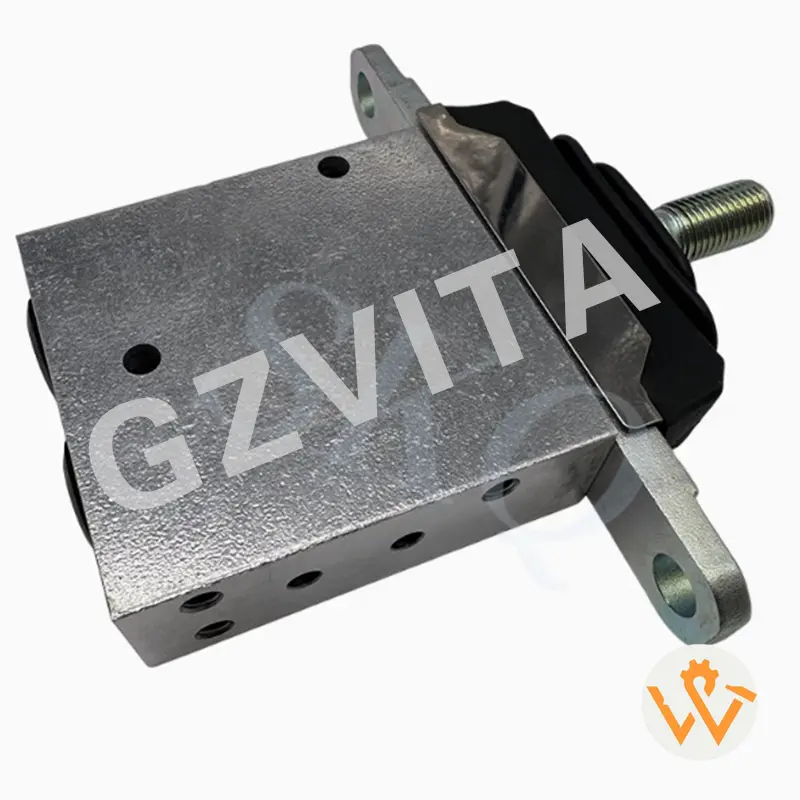
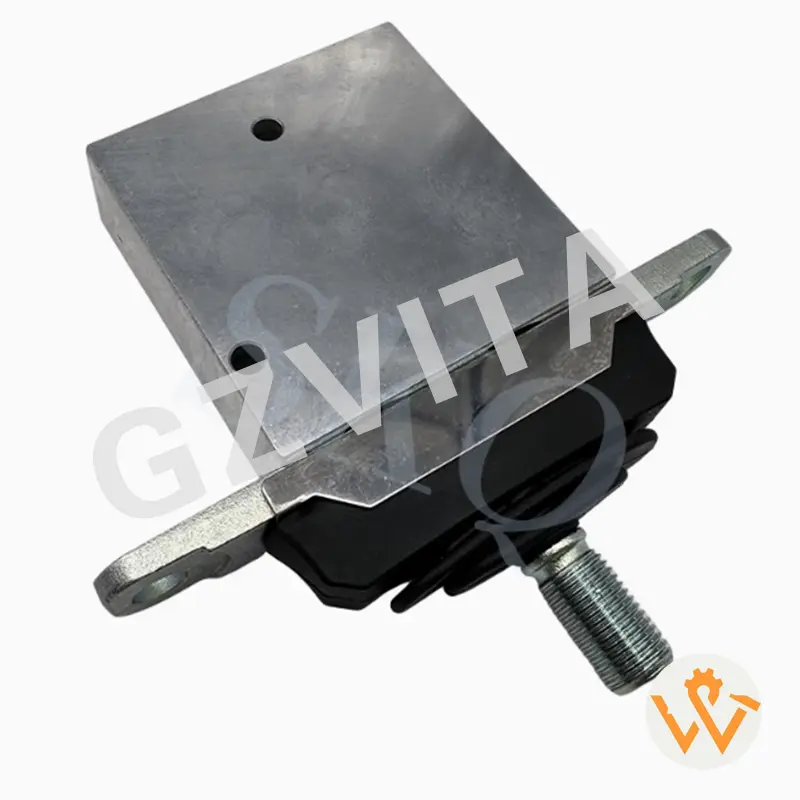
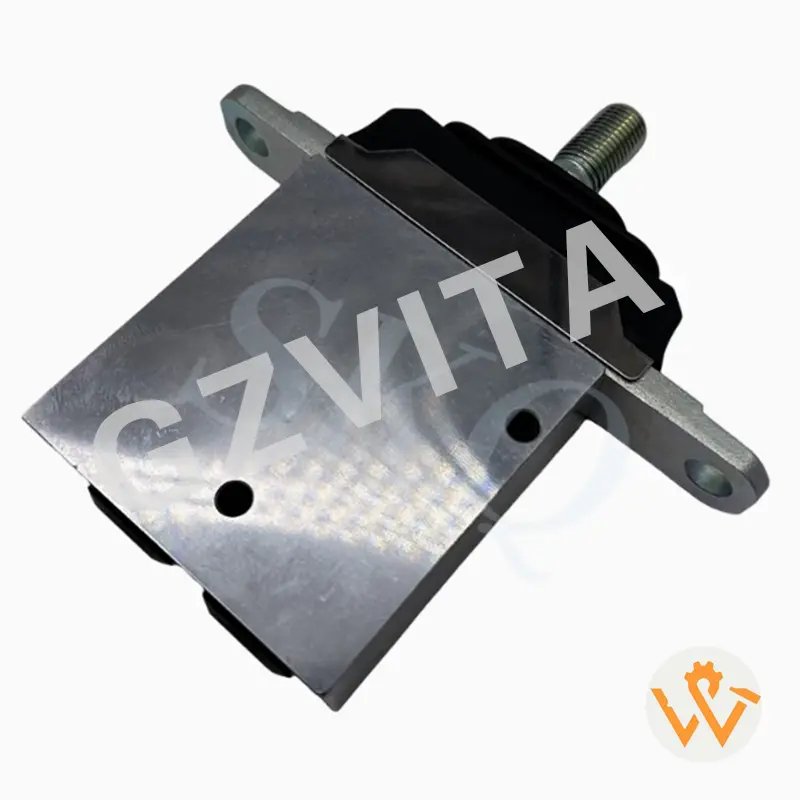
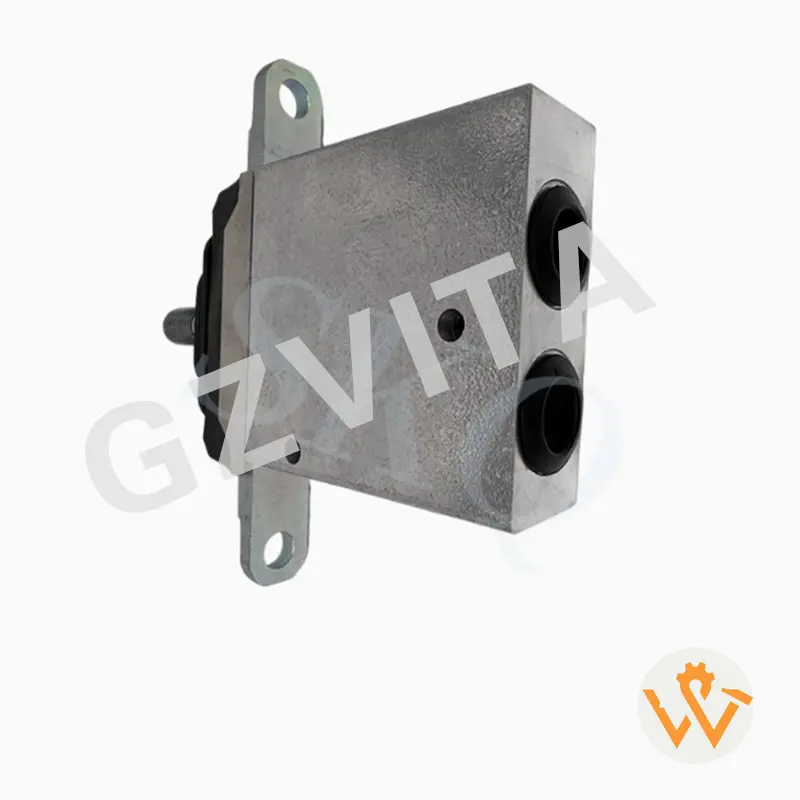
The foot pedal valve is an essential component in the hydraulic system of an excavator, allowing operators to control various functions of the machine with their feet. This control mechanism enhances operational efficiency and provides a more ergonomic way to manage the excavator's movements.
The primary function of the foot pedal valve is to regulate the flow of hydraulic fluid to different parts of the excavator, such as the boom, arm, and bucket. By pressing the foot pedal, the operator can control the speed and direction of hydraulic movements, allowing for precise operation.
Many excavators are equipped with foot pedal valves that can control multiple functions simultaneously. For example, an operator can use the foot pedal to raise the boom while simultaneously tilting the bucket, enhancing productivity and efficiency during operation.
Foot pedal valves often come with safety features that prevent accidental activation. This ensures that the excavator operates safely and reduces the risk of unintended movements, which can be hazardous on job sites.
Foot pedal valves are designed to withstand the rigors of heavy machinery operation. They are typically made from high-strength materials that resist wear and tear, ensuring long-lasting performance. The design also focuses on providing a comfortable and responsive feel, allowing operators to make precise adjustments with minimal effort.
Regular maintenance of the foot pedal valve is crucial for ensuring its proper functioning. This includes checking for hydraulic leaks, ensuring that the pedal moves freely, and inspecting the connections to the hydraulic system. Neglecting maintenance can lead to reduced responsiveness and potential hydraulic failures, impacting the overall performance of the excavator.
In summary, the foot pedal valve is a vital component of an excavator's hydraulic system, providing operators with the ability to control various functions efficiently and safely. Understanding its role and maintaining it properly is essential for maximizing the performance and reliability of the excavator. By ensuring that the foot pedal valve is in good working condition, operators can enhance their productivity and ensure safe operation on the job site.
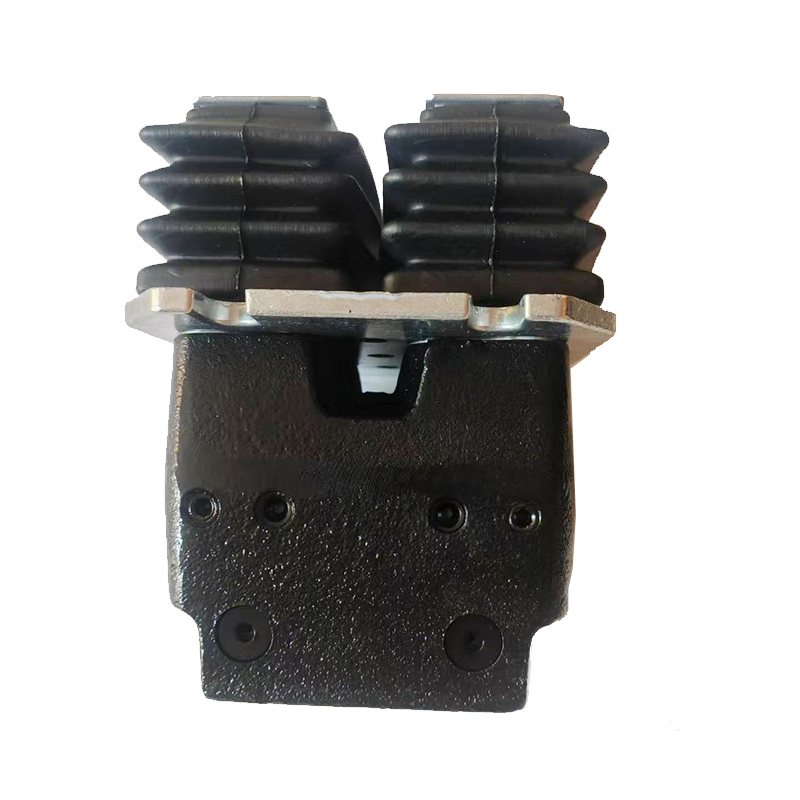
Pilot valve1
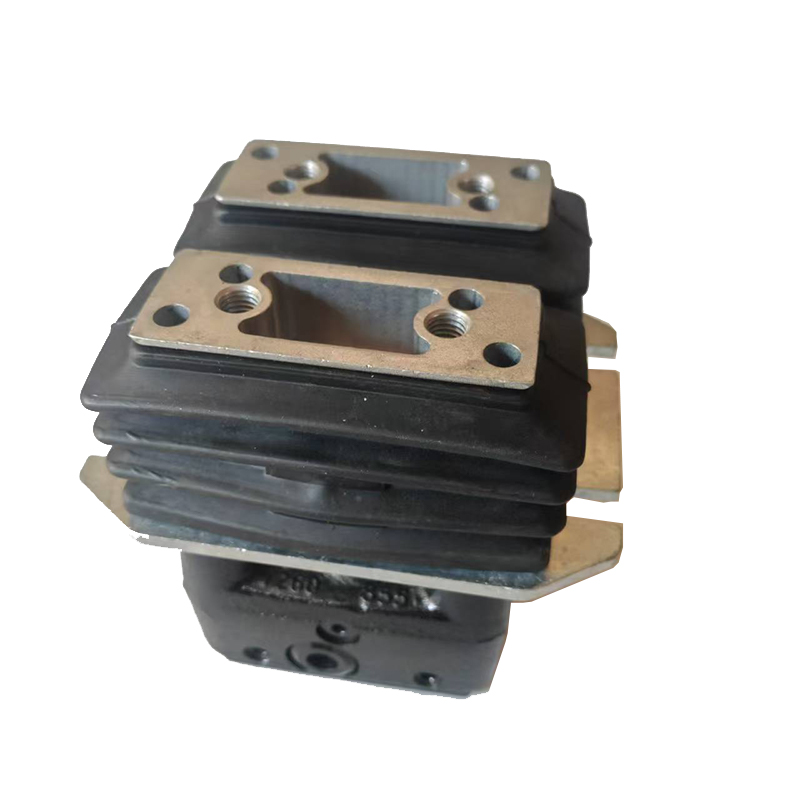
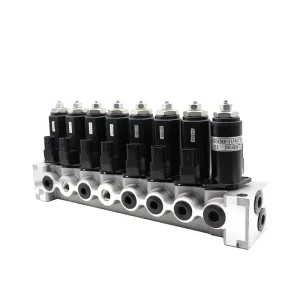
Pilot valve2
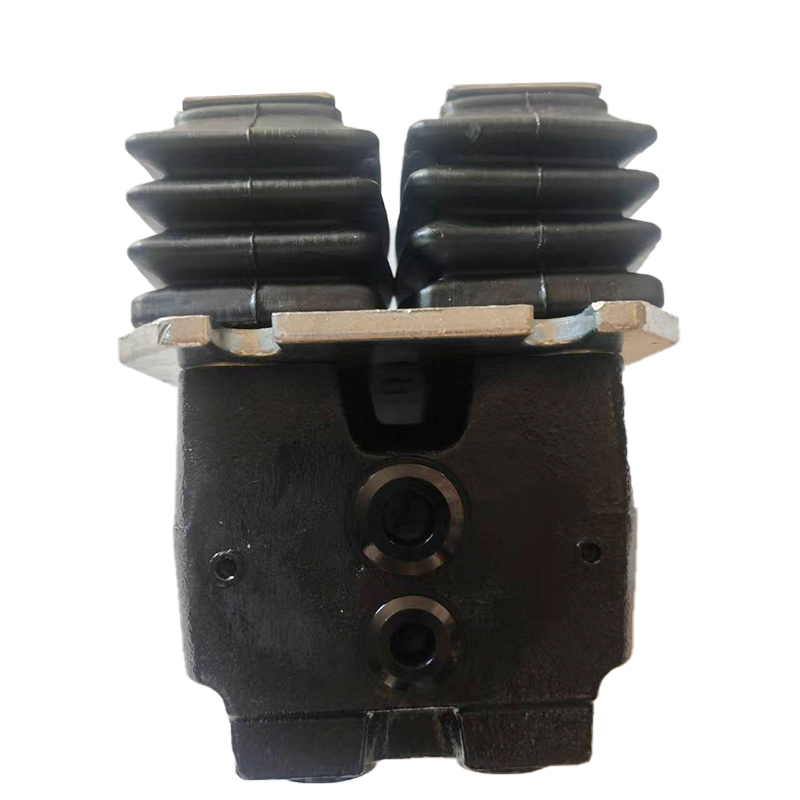
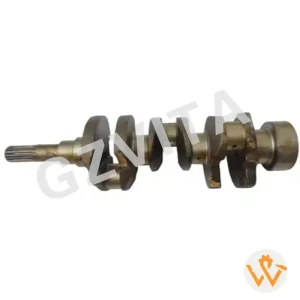
Pilot valve3
What is the primary function of an excavator foot pedal valve?
The primary function of the foot pedal valve is to control the flow and direction of hydraulic fluid to various parts of the excavator, such as the boom, arm, and bucket, enabling smooth foot-operated control.
Why does an excavator use foot pedals instead of hand joysticks for all controls?
Foot pedals allow operators to manage auxiliary movements or drive tracks while keeping their hands free to operate the primary controls via joysticks, which improves efficiency and control accuracy.
What are the common symptoms of a failing foot pedal valve?
Common signs include hydraulic fluid leaks around the pedal base, stiff or sticky pedal movement, slow responsiveness in the hydraulic functions, or failure of the pedal to return to the neutral position.
How often should the foot pedal valve be inspected?
It is recommended to inspect the pedal valves during routine maintenance schedules, which generally involves checking for leaks, dirt accumulation, and responsive operation every 250 to 500 operating hours.
Are excavator foot pedal valves universal across different brands?
No, foot pedal valves are often designed for specific excavator models and hydraulic specifications. It is important to match the valve configuration and mounting styles to your specific machine structure.