 Vita Construction
1 / 3
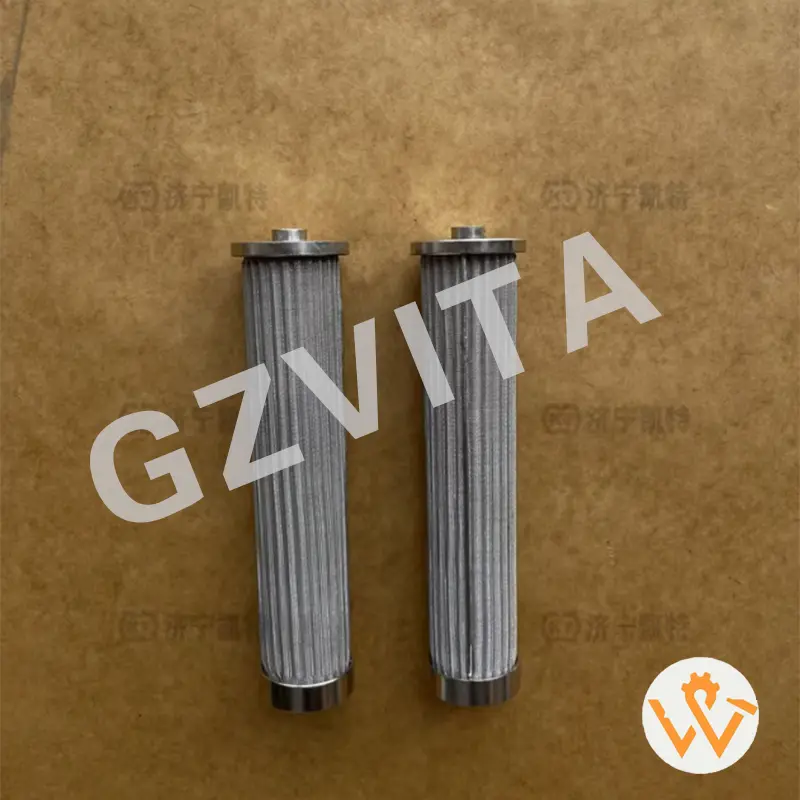
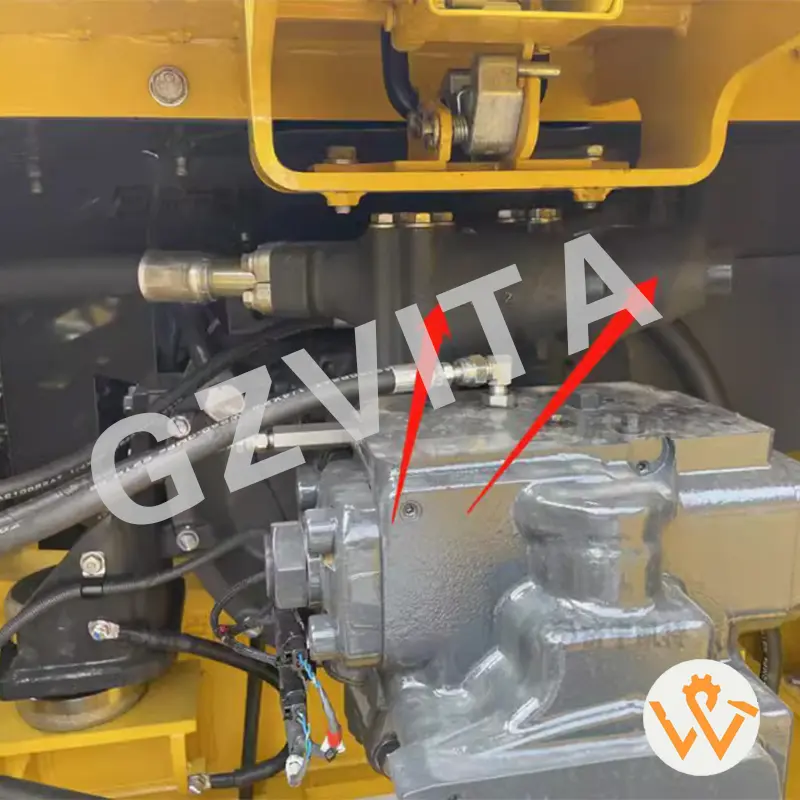
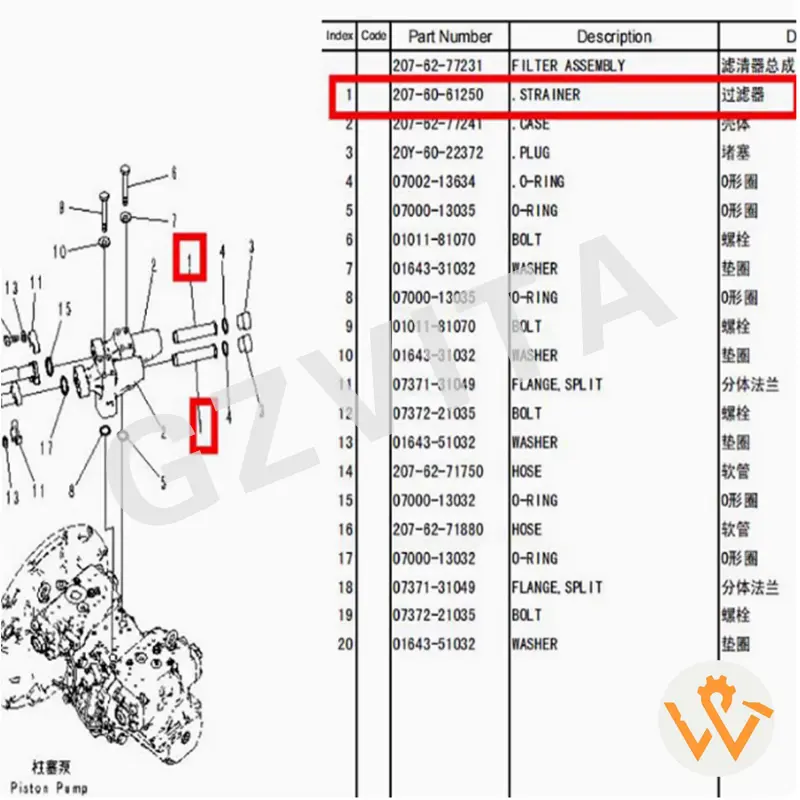
A strainer is an essential component in the hydraulic and cooling systems of Komatsu construction machinery. It serves to filter out contaminants and debris from fluids, ensuring that the machinery operates efficiently and reliably. Here's an overview of the Komatsu strainer, its functions, and its importance:
The primary function of the strainer is to filter out dirt, debris, and other contaminants from hydraulic fluid or coolant. This helps protect sensitive components such as pumps, valves, and actuators from damage.
By removing particles from the fluid, the strainer helps prevent clogging in the hydraulic lines and cooling systems. This ensures a consistent flow of fluid, which is crucial for optimal performance.
Keeping contaminants out of the hydraulic and cooling systems helps extend the life of various components, reducing maintenance costs and downtime.
A clean strainer contributes to the overall efficiency of the machinery. Contaminated fluid can lead to increased wear and tear, reduced performance, and higher fuel consumption.
Komatsu machinery may use different types of strainers, including:
These have a mesh basket that captures debris and can be easily cleaned or replaced.
Shaped like a "Y," these strainers are often used in pipelines and can be cleaned without removing them from the system.
Installed directly in the fluid line, these strainers filter fluid as it passes through.
Periodically inspect the strainer for signs of clogging or damage. This is typically done during routine maintenance checks.
Depending on the type of strainer, it may need to be cleaned or replaced regularly. Follow the manufacturer's recommendations for cleaning intervals.
If the strainer is damaged or excessively clogged, replace it. Regularly monitor the quality of the hydraulic fluid or coolant as contaminated fluids cause faster clogging.
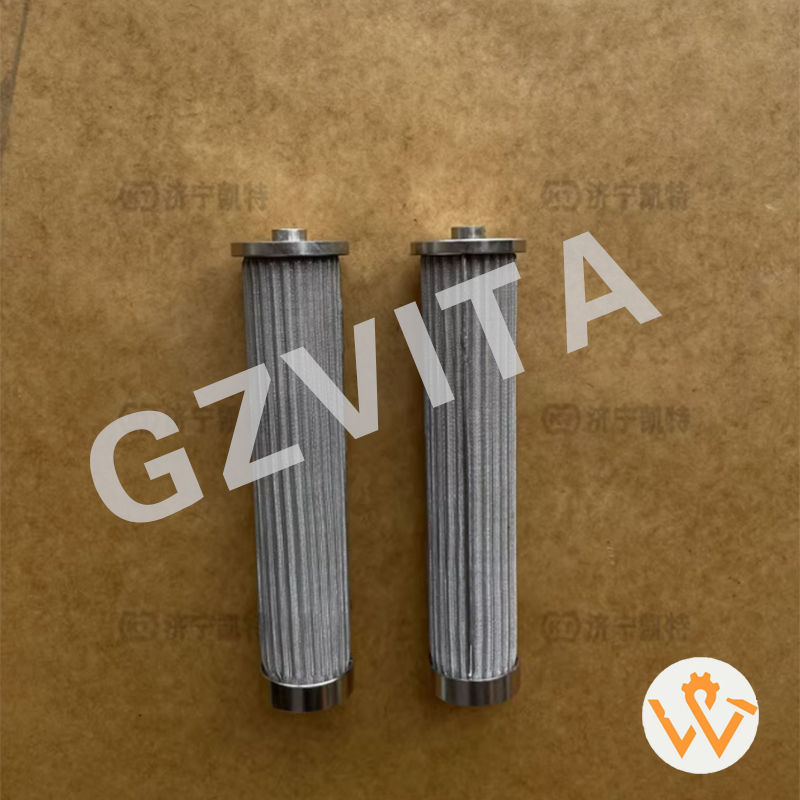
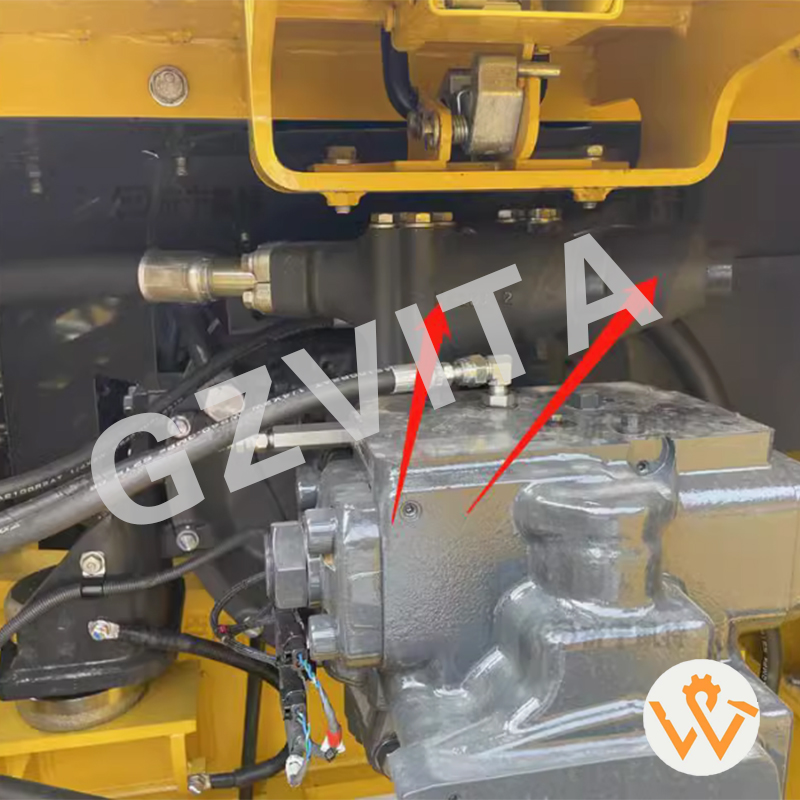
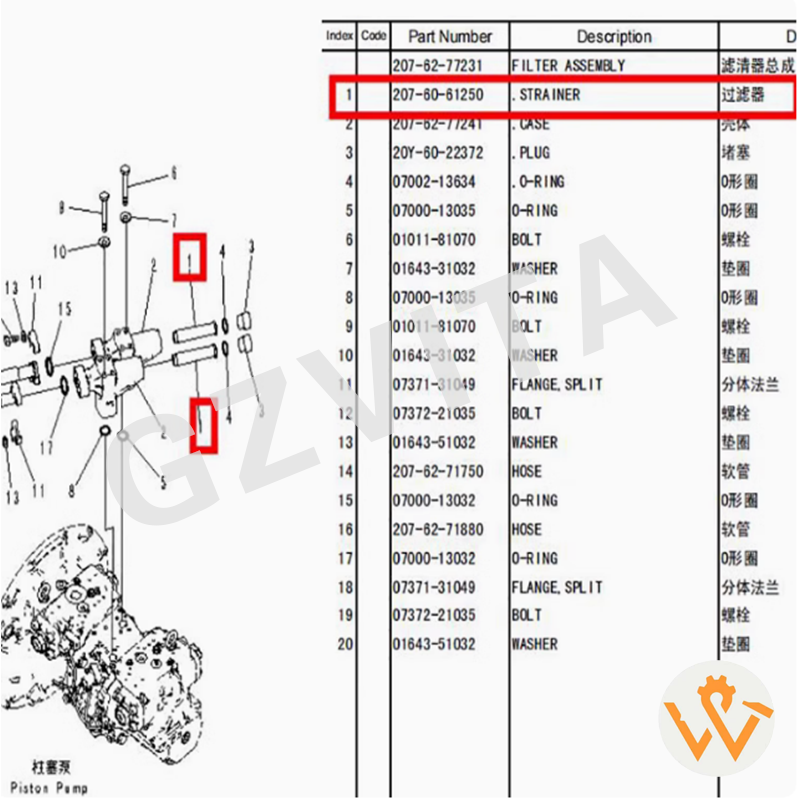
The primary function of the strainer is to filter out dirt, debris, and other contaminants from the hydraulic fluid or coolant, thereby protecting sensitive components like pumps, valves, and actuators from damage.
By removing particles and solid contaminants from the fluid, the strainer prevents build-up and clogging in the hydraulic lines and cooling systems, which ensures a consistent and optimal flow of fluid.
Komatsu machinery typically uses basket strainers (which have an easily cleanable mesh basket), Y-strainers (shaped like a "Y" for pipelines), and inline strainers (installed directly in the fluid line).
Monitoring the quality of the hydraulic fluid or coolant is essential because contaminated fluids can lead to faster clogging of the strainer, indicating that the system itself may require deeper maintenance.
If a damaged or excessively clogged strainer is not replaced, contaminants can pass into the system or restrict flow. This leads to increased component wear, reduced machine performance, higher fuel consumption, and potentially costly downtime.