 Vita Construction


1 / 3
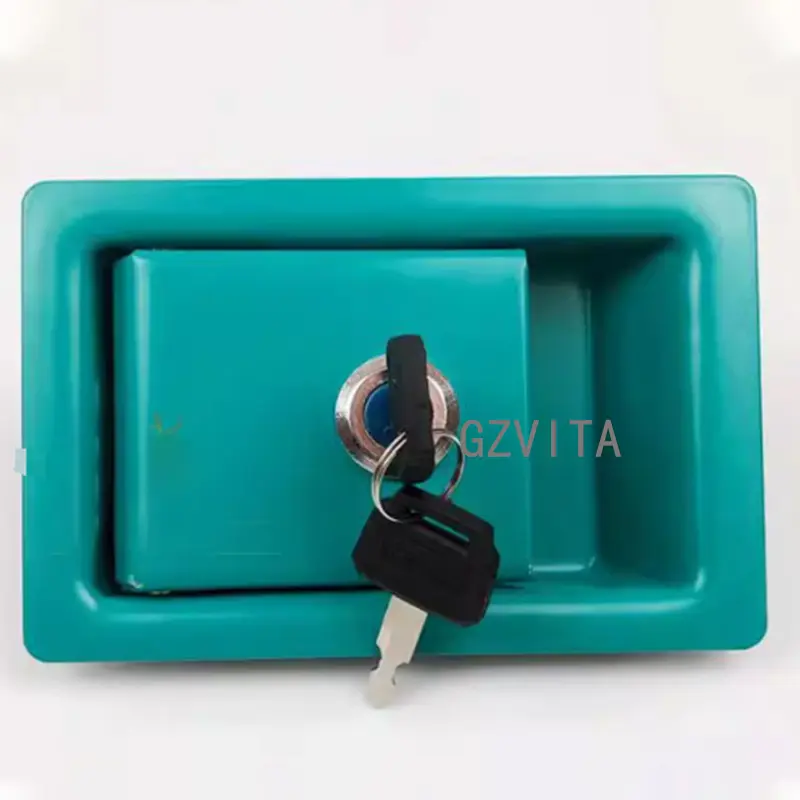
The side door lock of an excavator is a crucial safety and security feature designed to protect the operator and the machinery. It ensures that the operator can safely enter and exit the cab while also preventing unauthorized access to the equipment.
The primary function of the side door lock is to ensure the safety of the operator. It prevents the door from accidentally opening while the excavator is in operation, reducing the risk of accidents and injuries.
The side door lock also serves to secure the cab, protecting the equipment from theft and vandalism when it is not in use. A robust locking mechanism deters unauthorized access.
The side door lock typically consists of a locking mechanism, a latch, and a handle. The design may vary depending on the excavator model, but it is generally engineered for durability and ease of use.
Convenience Feature: Many modern excavators feature a centralized locking system that allows the operator to lock or unlock all doors from a single control point, enhancing convenience.
Proper installation of the side door lock is essential for its functionality. It should be aligned correctly with the door and the frame to ensure a secure fit. Always refer to the manufacturer's guidelines for installation procedures.
Regular maintenance is important to ensure the lock operates smoothly. This includes lubricating the locking mechanism, checking for wear and tear, and ensuring that the latch engages properly. Any signs of damage or malfunction should be addressed immediately to maintain safety.
Over time, the side door lock may experience wear, leading to difficulty in locking or unlocking the door. This can be caused by dirt accumulation, rust, or mechanical failure.
Proactive Care: If the lock becomes jammed or does not engage properly, it may require adjustment or replacement. Regular inspections can help identify potential issues before they become significant problems.
It serves two critical functions: operator safety by preventing the door from opening accidentally during operation, and equipment security by preventing unauthorized access, theft, or vandalism when the excavator is unattended.
Typically, the assembly consists of a locking mechanism, a latch, and a handle, all engineered together to ensure durability and ease of operation.
It is a modern design feature in many excavators that allows the operator to lock or unlock all cab doors simultaneously from a single control point.
Routine maintenance involves regularly lubricating the locking mechanism, checking for physical wear and tear, and ensuring that the latch engages properly with the frame.
Jams and difficulty in operation are usually caused by dirt accumulation, rust from exposure to weather, or mechanical failure of internal components over time.
If the lock is jammed, misaligned, or does not engage, it should be adjusted or replaced immediately. Continuing to operate with a broken lock poses a safety hazard.