 Vita Construction
1 / 2
Always consult the specific wiring diagram for the excavator model you are working on. This will provide you with the correct pinouts, color codes, and connection points.
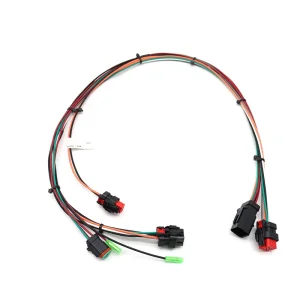
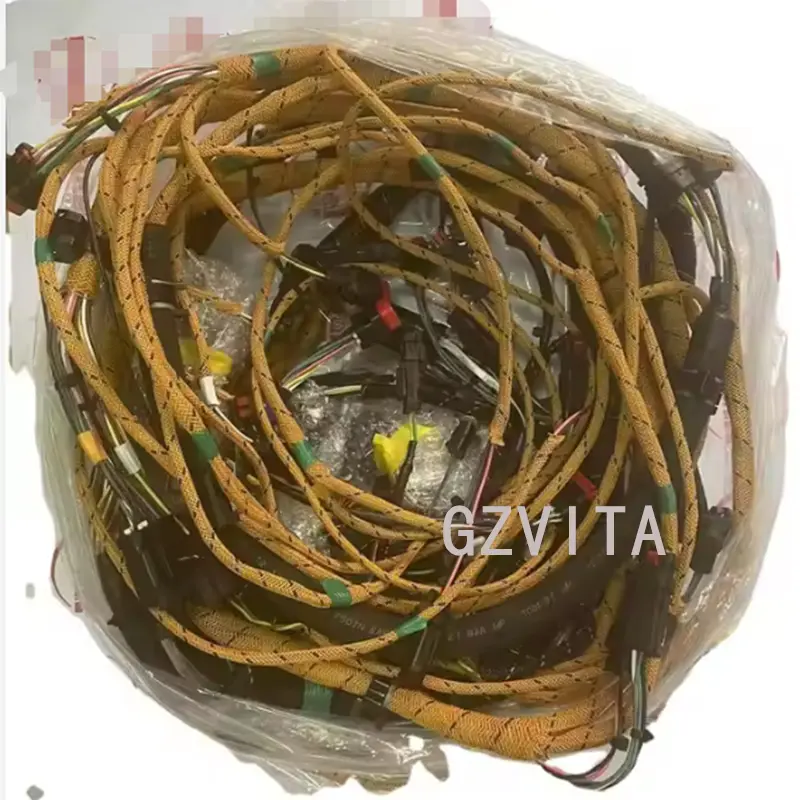
Lay out the wiring harness in a way that allows you to easily access all connectors. Ensure that it is free from tangles and knots.
Inspect the wiring harness for any signs of wear, fraying, or damage. Replace any damaged sections before proceeding with the installation.
Ensure that all connectors are clean and free from corrosion. Use electrical contact cleaner if necessary to remove dirt and oxidation.
Connect the wiring harness in the order specified in the service manual. This may include connecting power, ground, and signal wires in a specific sequence.
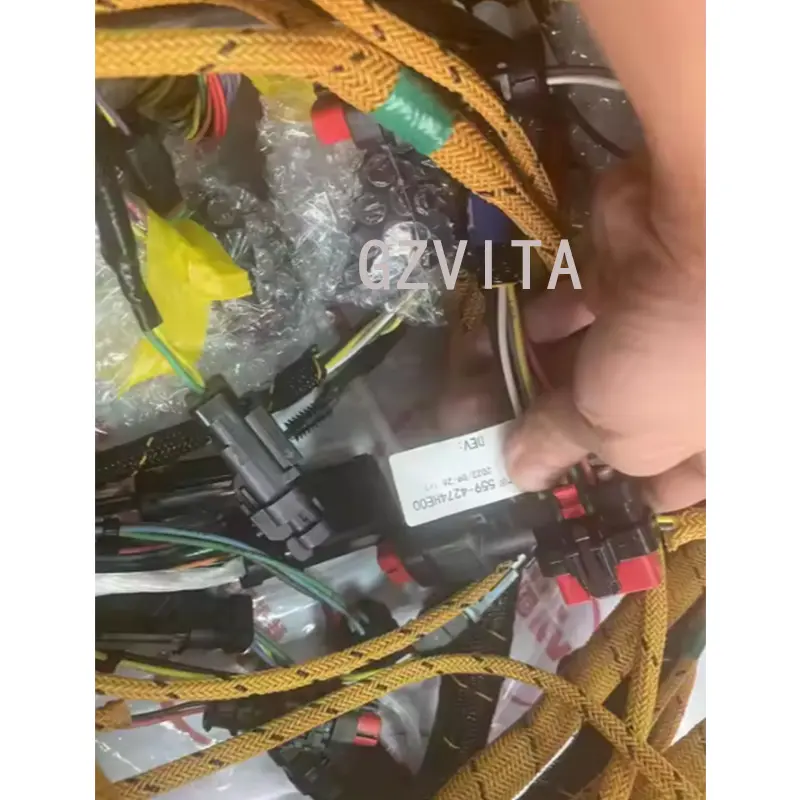
Make sure that all connectors are fully seated and locked in place. Listen for a click sound to confirm that they are properly connected.
Utilize appropriate tools for crimping and connecting wires if you need to make any custom connections. Ensure that you use connectors that are compatible with the existing harness.
When routing the wiring harness, ensure that it is not pinched or trapped between other components. Use cable ties or clips to secure it in place and prevent movement.
Ensure that all ground connections are secure and free from rust or corrosion. A poor ground can lead to electrical issues.
After connecting the wiring harness, perform a thorough test of the electrical system. Check for proper operation of lights, controls, and other electrical components.
Keep a record of any modifications or custom connections made during the process. This can be helpful for future troubleshooting.
Always follow safety protocols when working with electrical systems. Disconnect the battery before making any connections to prevent short circuits or electrical shocks.
The wiring diagram provides model-specific pinouts, wire color codes, and correct connection points. Referencing it ensures accuracy and prevents wiring errors that could damage the electrical system.
You should lay out the harness to remove any tangles, inspect the wires for fraying or damage, and clean all connectors with electrical contact cleaner to clear away rust and oxidation.
Ground connections must be secure and free from corrosion. Poor or rusty ground connections are a common cause of electrical issues, signal instability, or complete system failures.
During routing, make sure the harness is not trapped between moving or structural components. Use cable ties, clips, or clamps to firmly secure the harness in place and prevent excessive movement.
Always disconnect the excavator's battery before starting any electrical work. This completely shuts down the power flow and prevents accidental short circuits or electrical shocks.