Direct OEM-quality aftermarket replacements engineered for performance, durability, and compatibility.
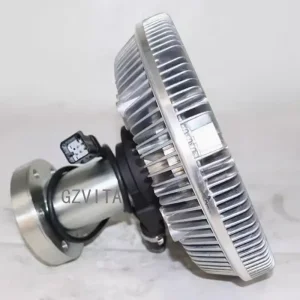

An in-depth analysis of metallurgical advancements, Chinese foundry capacity, and global procurement paradigms for heavy-duty ICE machinery.
The engine block, or cylinder block, stands as the central pillar of structural integrity in any internal combustion engine (ICE). In modern industrial and automotive application sectors, the cylinder block is subjected to intense cyclic mechanical stresses, explosive thermal expansions, and continuous vibrational fatigue. As the automotive and heavy-duty machinery landscapes evolve towards higher power densities and reduced carbon footprints, the manufacturing processes and metallurgical specifications of these large castings have undergone a major paradigm shift.
Traditionally, gray cast iron (GCI) has served as the dominant alloy for engine blocks owing to its exceptional damping capacity, low manufacturing cost, and superior wear resistance. However, the emergence of Compacted Graphite Iron (CGI) and advanced lightweight Aluminum Alloys has redefined global design standards. Especially in heavy-duty machinery segments (excavators, dump trucks, and wheel loaders), engines must deliver high torque profiles under continuous load cycles, making material fatigue resistance the single most critical engineering requirement. Global procurement models now emphasize dimensional accuracy, minimized micro-porosity, and uniform heat dissipation patterns to prevent localized thermal warping.
Information Gain: Research indicates that shifting from traditional Class 35 Gray Iron to Compacted Graphite Iron (CGI) yields a 75% increase in tensile strength and a 45% increase in elastic modulus, which allows engineers to decrease block wall thickness and optimize weight without compromising structural integrity.
China has solidified its position as the premier global foundry and machining hub for custom engine blocks, offering an unmatched combination of raw material availability, advanced casting technologies, and localized engineering clusters. The integration of high-precision vertical molding lines, automated sand-core preparation machinery, and state-of-the-art multi-axis CNC machining centers allows Chinese manufacturers to execute complex custom runs with minimal tool wear and exceptional structural repeatability.
A key factor behind China’s manufacturing efficiency is the proximity of specialized casting operations to advanced machining hubs. The Xiangyang foundry cluster in Hubei Province exemplifies this operational synergy. By locating facilities in areas rich in engineering talent and casting supplies, factories can compress manufacturing cycles, maintain tight tolerance margins, and control production costs. Furthermore, the integration of real-time coordinate measuring machines (CMM) and industrial computed tomography (CT) scanning at critical production stages ensures that components meet OEM specifications for internal defects and structural deviations before shipping.
Cylinder blocks must operate reliably in diverse climates and working conditions. The mechanical stress placed on a Komatsu PC450-8 engine block working at high altitudes in Tibet is fundamentally different from a Caterpillar 336D block operating in the hot, humid environments of Southeast Asian coastal reclamation sites.
In high-altitude operations, the decreased atmospheric density reduces cooling efficiency, causing engine components to run hotter. This requires block materials with excellent thermal conductivity and low thermal expansion coefficients to prevent head gasket failures and cylinder bore distortion. Conversely, in sub-zero mining environments, such as those found in Northern Canada or Siberia, the materials must resist low-temperature embrittlement. Through customized metallurgy, including the addition of nickel and molybdenum alloying agents, we improve the fracture toughness of our castings to prevent cracks caused by thermal shock during cold starts.
The commercial engine sector is prioritizing weight reduction to comply with international emissions standards. For automotive manufacturers, this means transition from heavy cast iron to aluminum-silicon alloys (such as AlSi9Cu3). While aluminum significantly reduces the overall weight of the engine block, it lacks the wear resistance required for cylinder bores. This has driven the widespread adoption of thermal spraying technologies, such as Plasma Transferred Wire Arc (PTWA) coatings, which apply a thin layer of low-carbon steel to the aluminum bores. This process eliminates the need for heavy cast iron liners, resulting in a lighter block with excellent thermal transfer properties and minimal bore wear.
Additionally, the rise of hybrid powertrains has introduced new structural challenges. Frequent start-stop cycles prevent engines from reaching optimal operating temperatures, which can lead to increased fuel dilution in the engine oil. To mitigate this issue, custom engine blocks are now engineered with optimized water jacket configurations that allow for rapid thermal warm-up, reducing friction and extending the operating life of piston rings and cylinder walls.
Combining Advanced Production Technology with Decades of Field Maintenance Expertise
In the fast-paced world of construction, the reliability and efficiency of your machinery can make or break a project. We understand that high-quality parts are essential for optimal performance. So we aim to provide top-notch construction machinery parts to keep customers' machinery running smoothly.
To improve our service, we set up an engine maintenance development division. In addition to providing customers with engine assemblies, we can also help customers solve various technical problems encountered in the operation and assembly of engines.
We have our own professional maintenance team and can be invited by customers to arrange for maintenance technicians to go abroad to help customers repair and commission complex engine systems directly on-site.
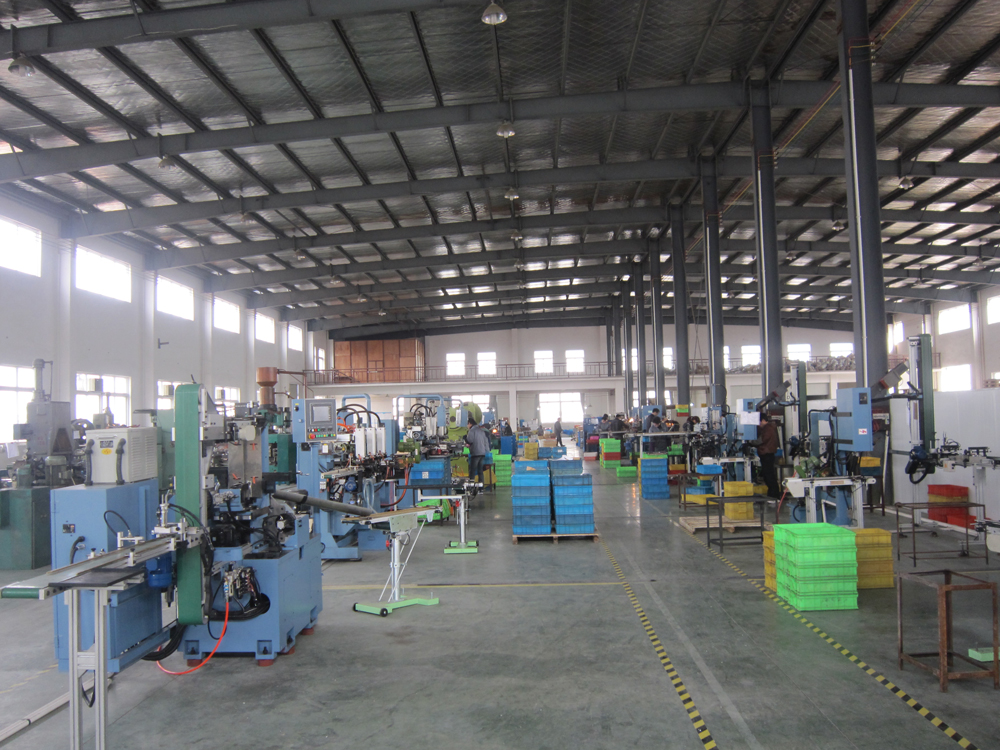
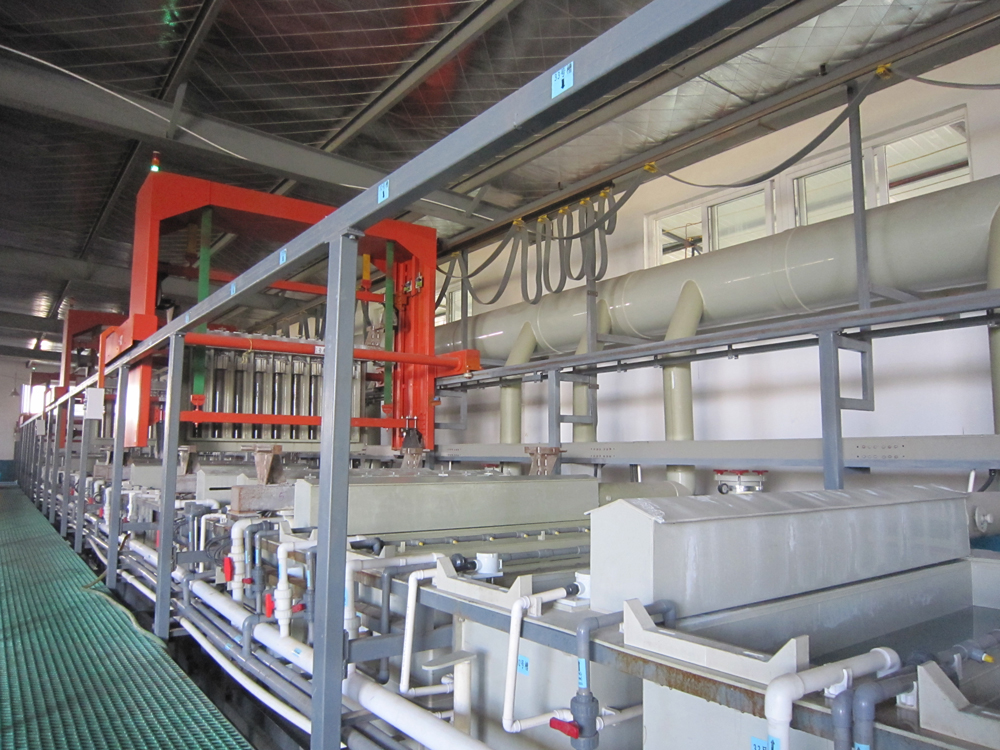
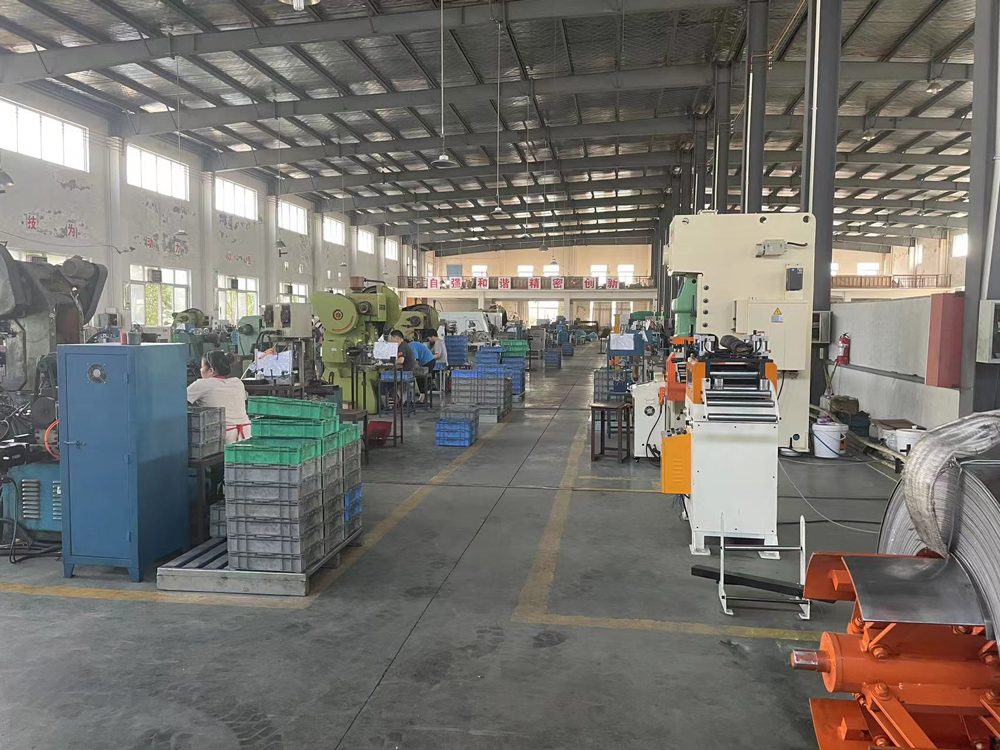
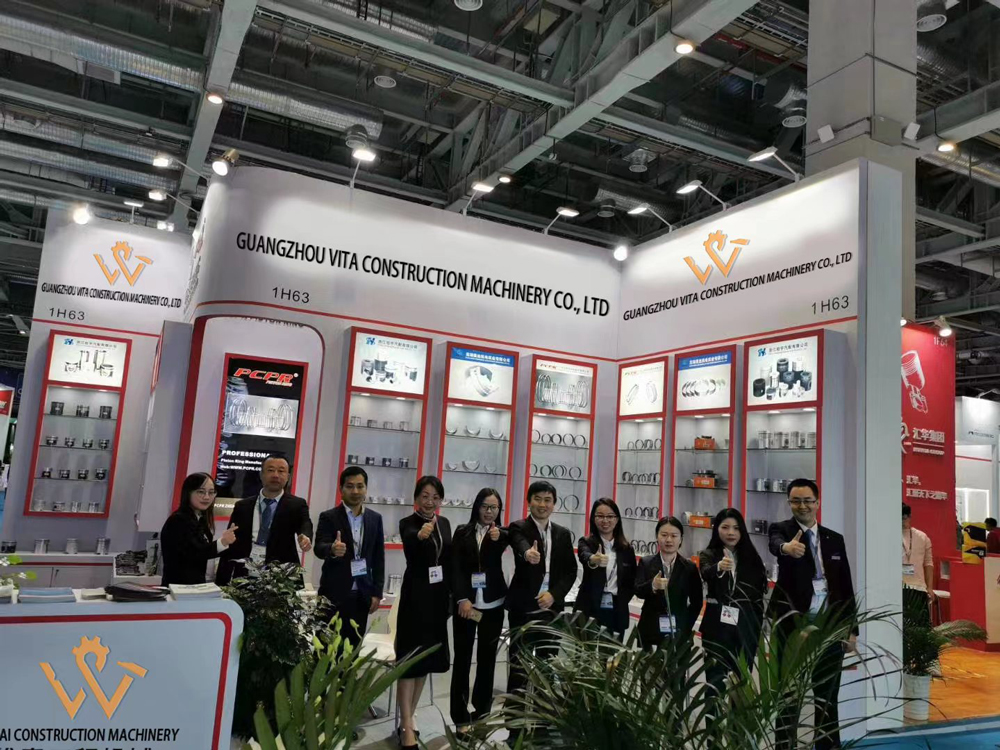
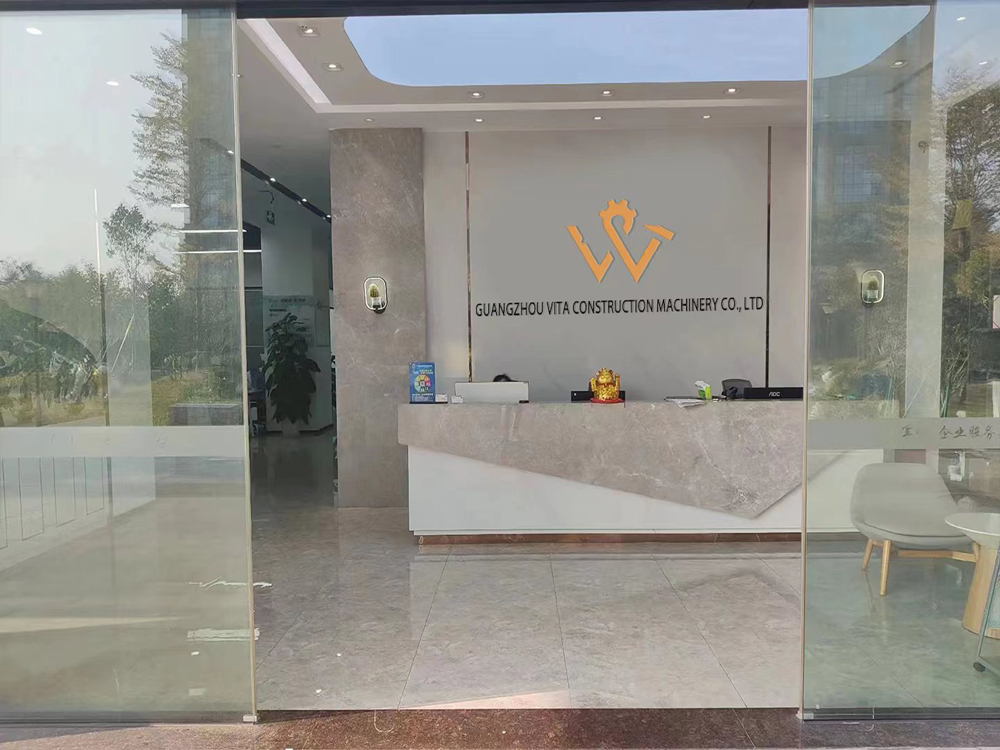
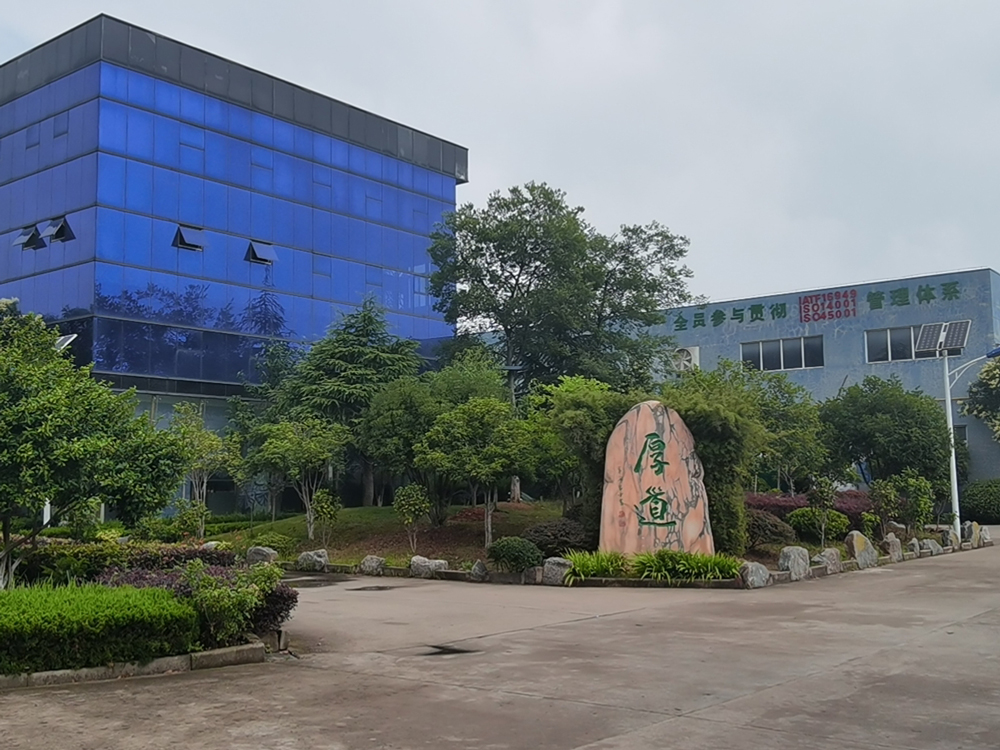
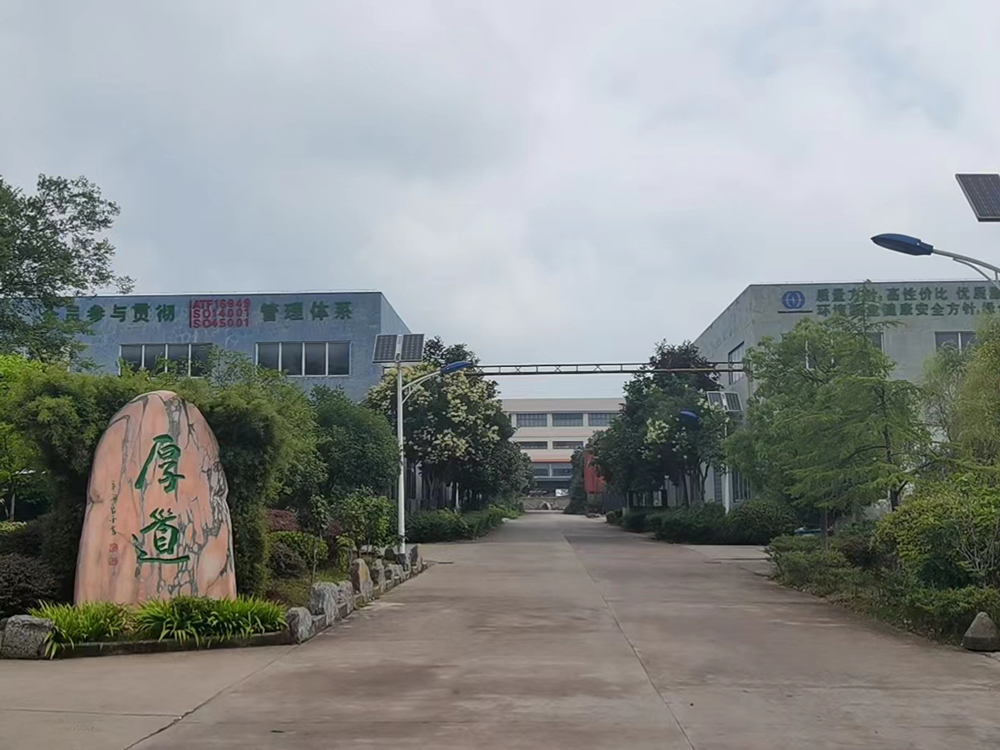
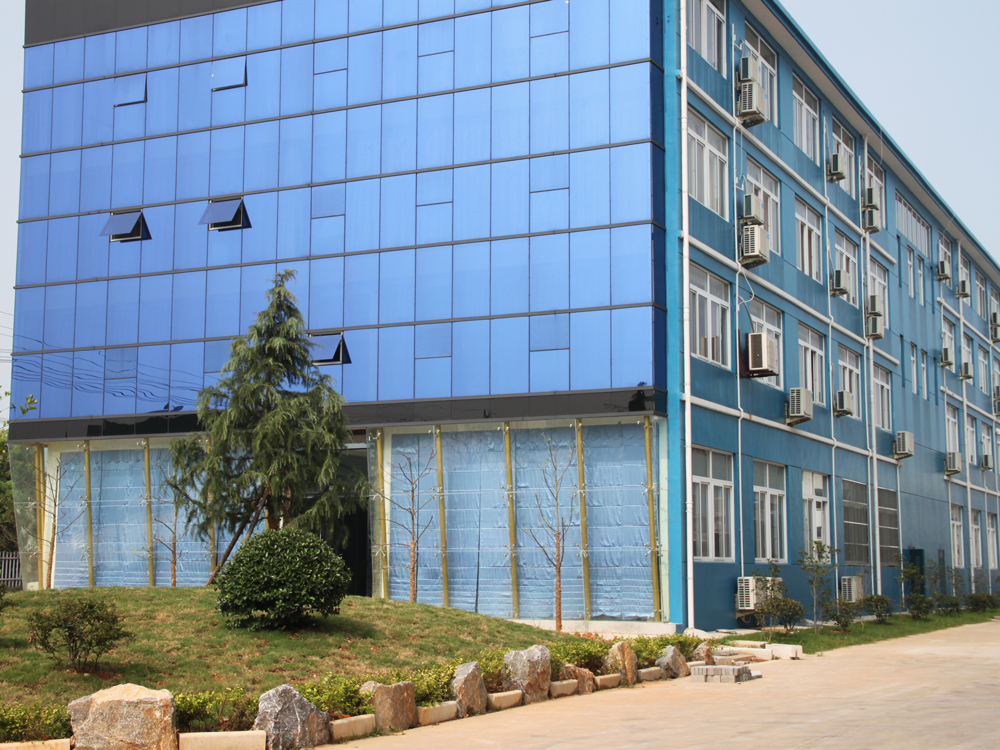
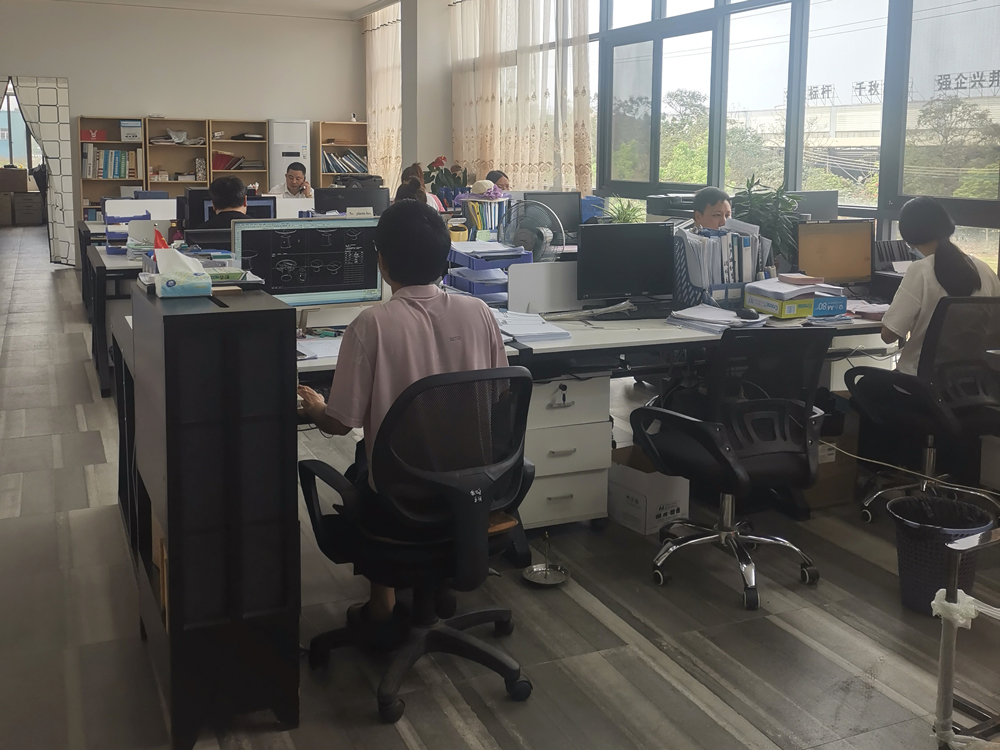
Take an inside look at our 18,000 square meter workshop in Hubei Province, where precision and quality control are paramount.
Get professional answers to complex engineering, sourcing, and maintenance queries related to heavy-duty and automotive engine blocks.
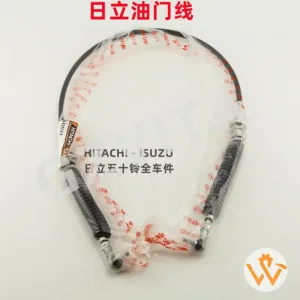
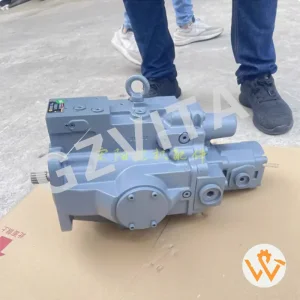
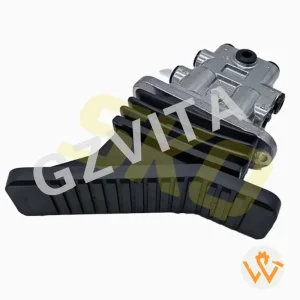
Explore our wider range of high-performance components, including throttle cables, piston pumps, and turbochargers.
 Vita Construction