 Vita Construction
1 / 5
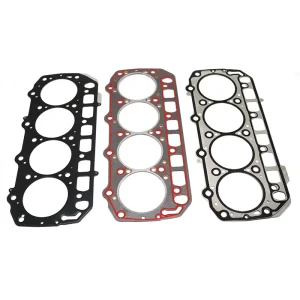
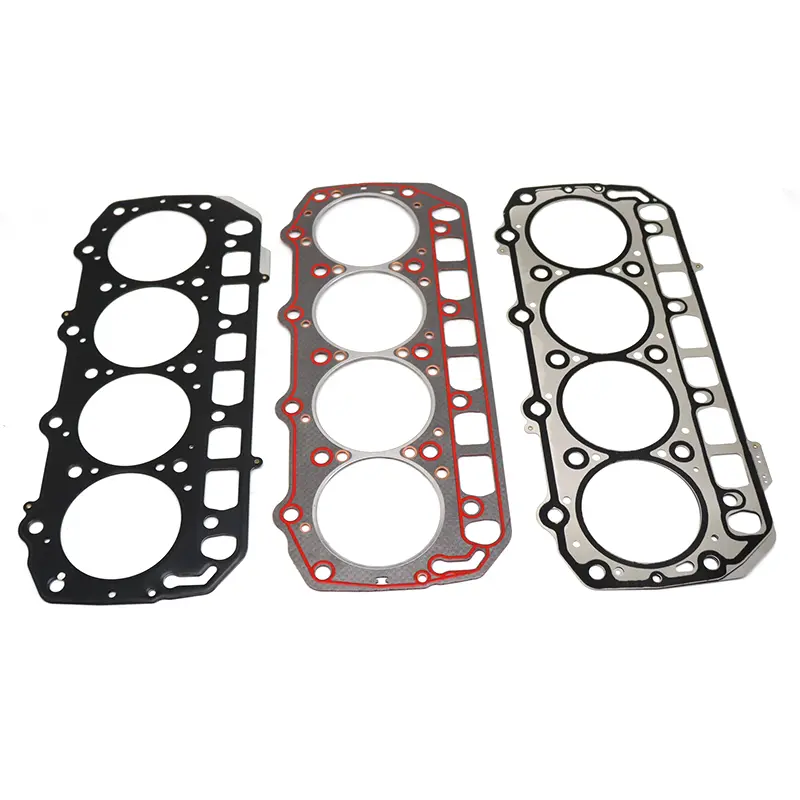
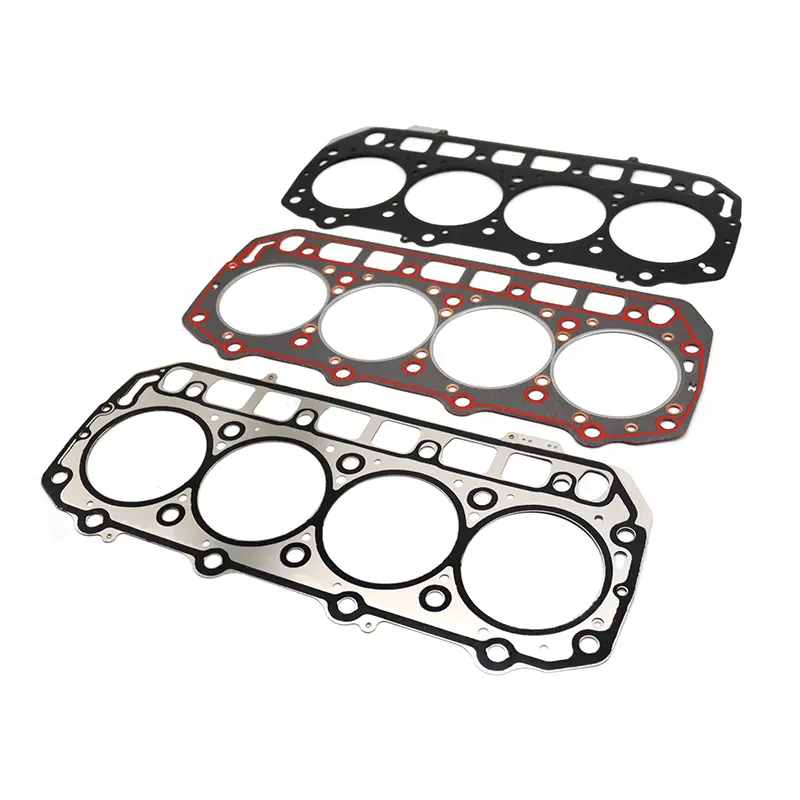
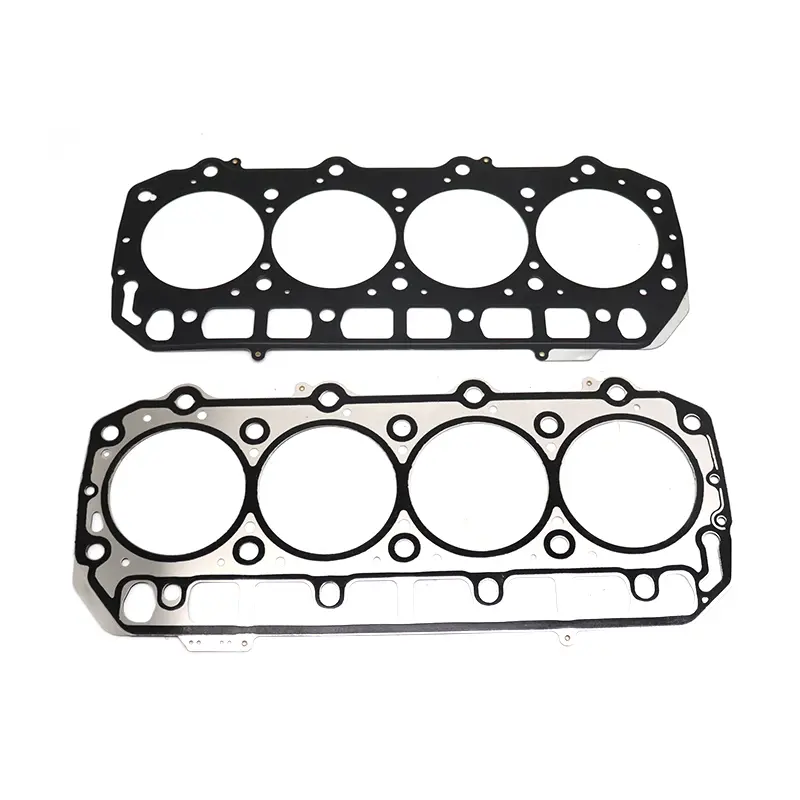
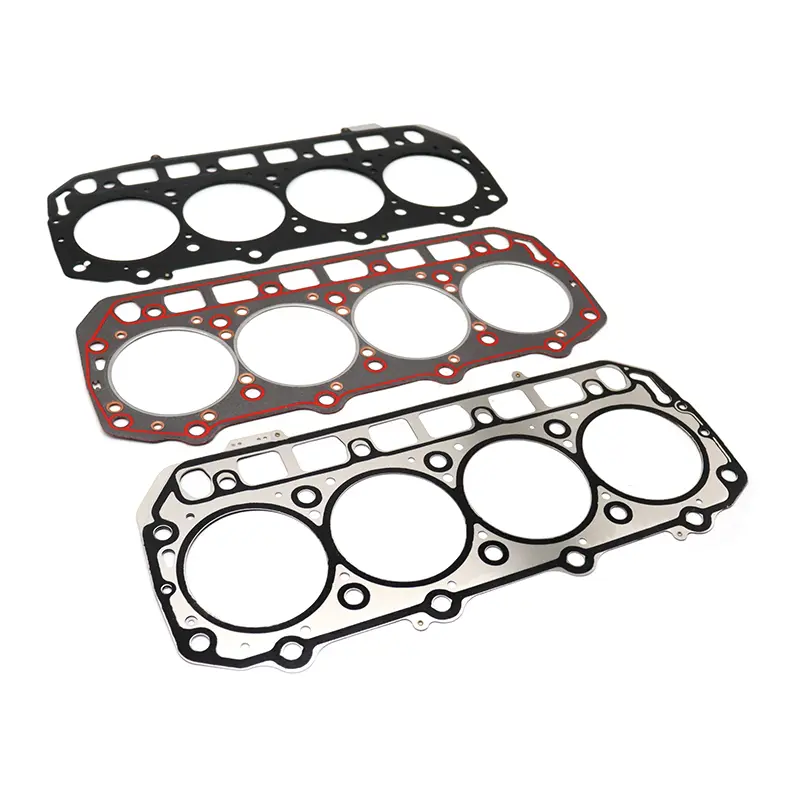
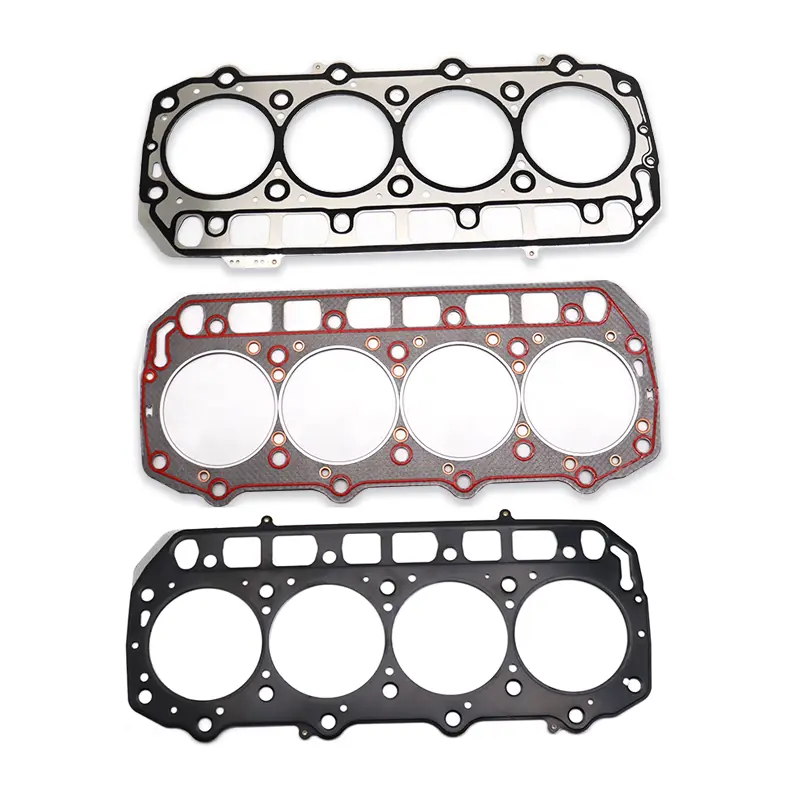
Engine head gaskets are critical components in internal combustion engines, serving as a seal between the engine block and the cylinder head. The materials used for head gaskets must withstand high temperatures, pressures, and chemical exposure.
One of the most popular materials for modern engines. MLS gaskets consist of multiple layers of steel, often with a coating to enhance sealing. They provide excellent durability and can handle high pressures and temperatures.
Made from a combination of materials, such as fiber, rubber, and metal. They are often used in older engines and are designed to provide a good seal while being cost-effective.
Used in high-performance applications due to their excellent thermal conductivity and ability to withstand high pressures. They often require a specific installation process, including the use of sealants.
Used in some applications, particularly in older engines. They can handle high temperatures and provide a good seal, but they may not be as durable as MLS or copper gaskets.
Use rubber or silicone materials, often in conjunction with other materials, to provide flexibility and sealing capability. These are typically found in lower-performance applications.
The choice of material depends on the specific engine design, operating conditions, and performance requirements. The main roles include:
The primary role of the head gasket is to create a tight seal between the engine block and the cylinder head. This prevents the leakage of combustion gases, oil, and coolant, ensuring that the engine operates efficiently.
The head gasket helps maintain the necessary compression within the combustion chamber. Proper compression is essential for optimal engine performance, fuel efficiency, and power output.
The head gasket plays a role in managing the engine's temperature by sealing the coolant passages. This helps prevent overheating and ensures that the engine operates within its designed temperature range.
By sealing off the oil and coolant passages, the head gasket prevents the mixing of oil and coolant. This is vital for maintaining the integrity of the engine's lubrication system and preventing damage.
The head gasket contributes to the overall structural integrity of the engine assembly. It helps hold the cylinder head in place and withstands the forces generated during combustion.
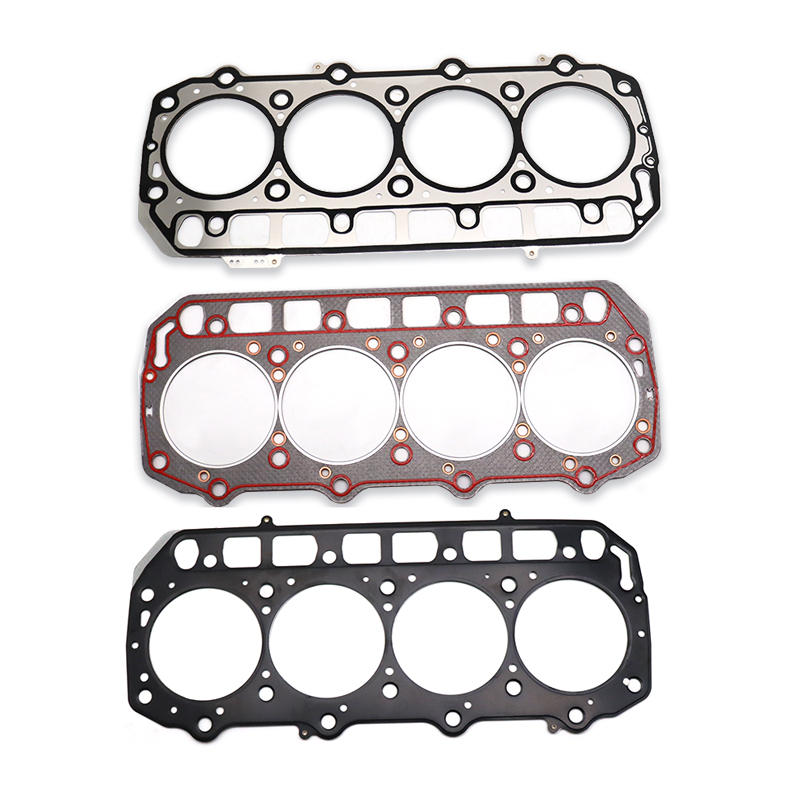
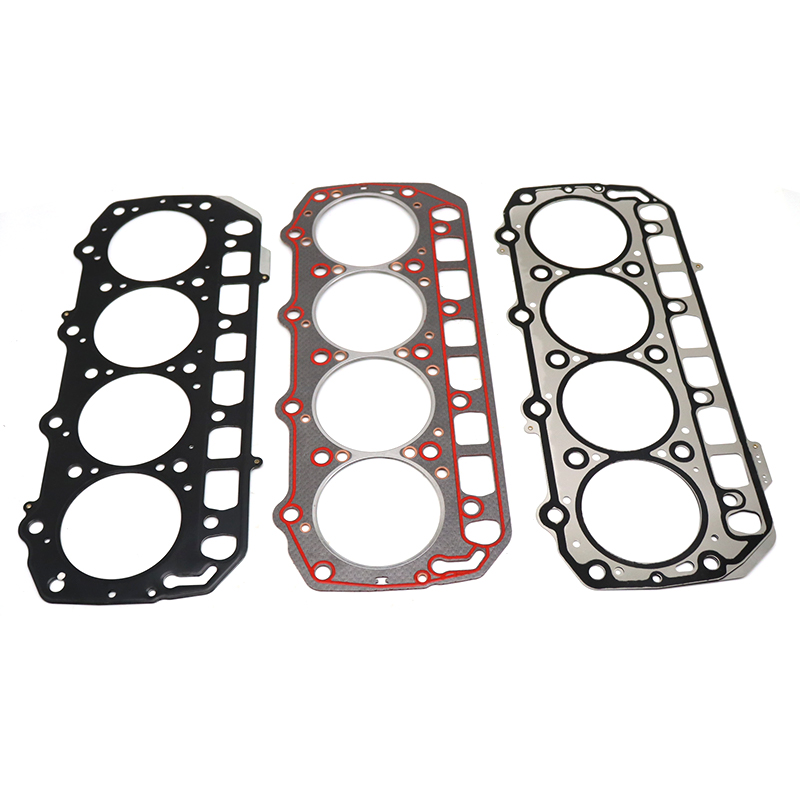
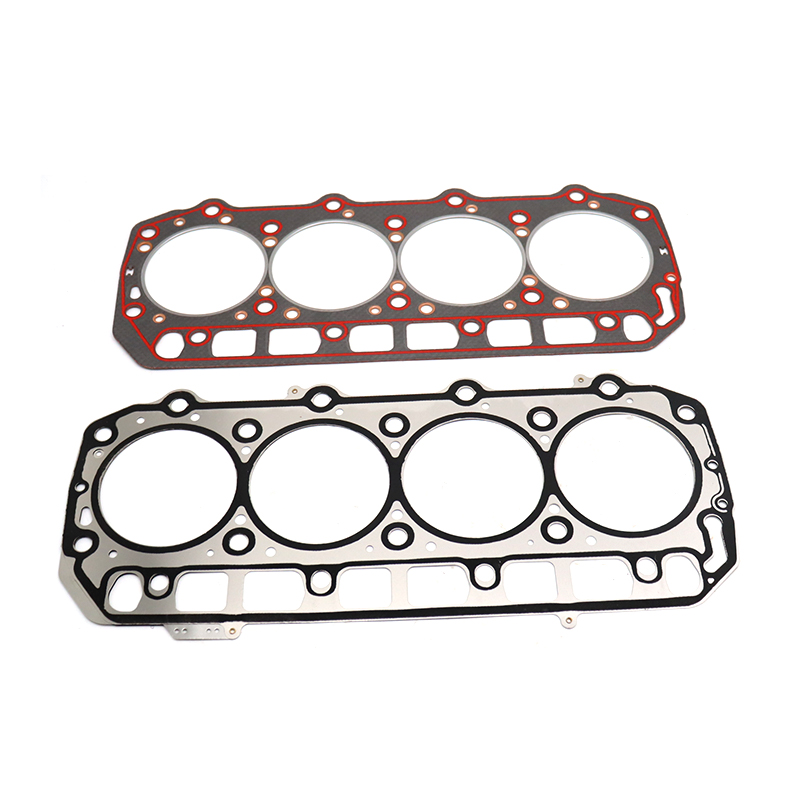
The main function of a head gasket is to act as a tight seal between the engine block and the cylinder head. It prevents the leakage of combustion gases, oil, and coolant while helping maintain engine compression.
MLS gaskets are highly popular in modern engines because they offer excellent durability and have the capacity to handle high pressures and temperatures effectively.
Copper gaskets are primarily used in high-performance settings due to their outstanding thermal conductivity and high pressure limits. However, they usually require specific installation processes and sealants.
A head gasket keeps the coolant and oil passages isolated. By sealing them completely, it prevents the mixing of fluids, which is critical for protecting the lubrication system of the engine from damage.
Maintaining the correct compression in the combustion chambers ensures optimal engine performance, increases fuel efficiency, and guarantees maximum output power.