 Vita Construction
1 / 5
The final drive of an excavator, also known as the undercarriage, is a critical component that enables the machine to move efficiently across various terrains. It consists of several key parts, including the tracks, drive motors, sprockets, idlers, and rollers, all working together to provide stability, traction, and mobility.
The tracks are the primary means of movement for the excavator. They provide a large surface area that distributes the machine’s weight, allowing it to traverse soft or uneven ground without sinking. Tracks are typically made of durable materials, such as steel or rubber, to withstand harsh working conditions.
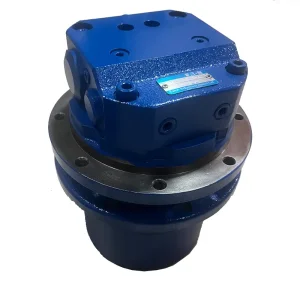
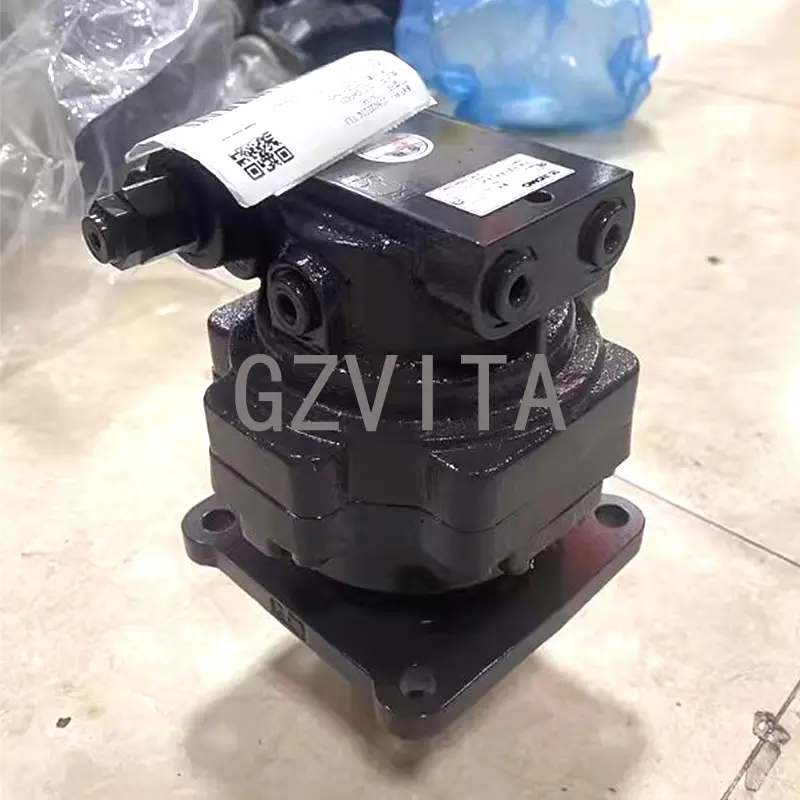
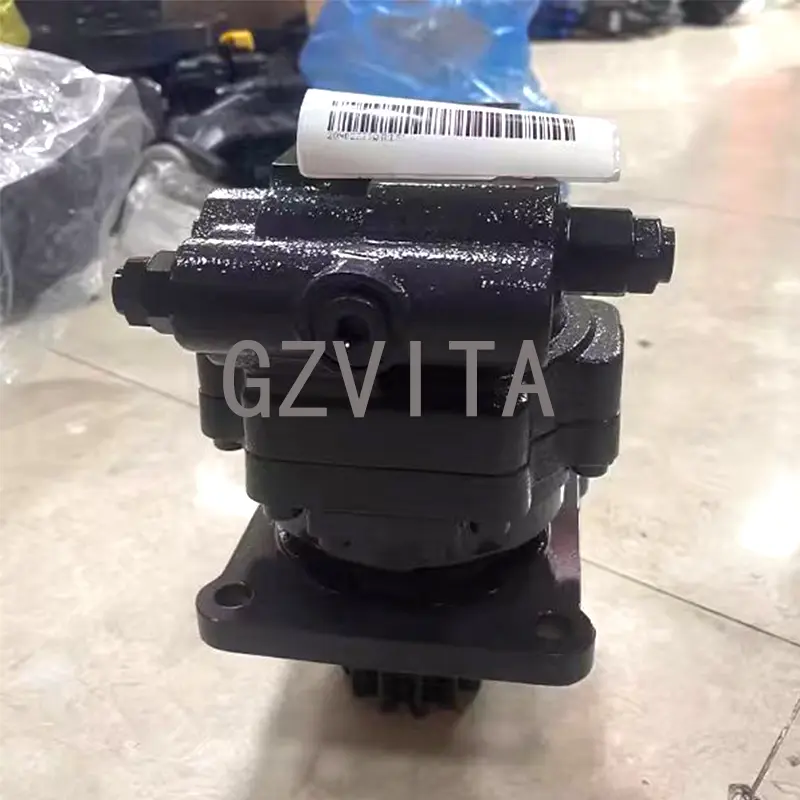
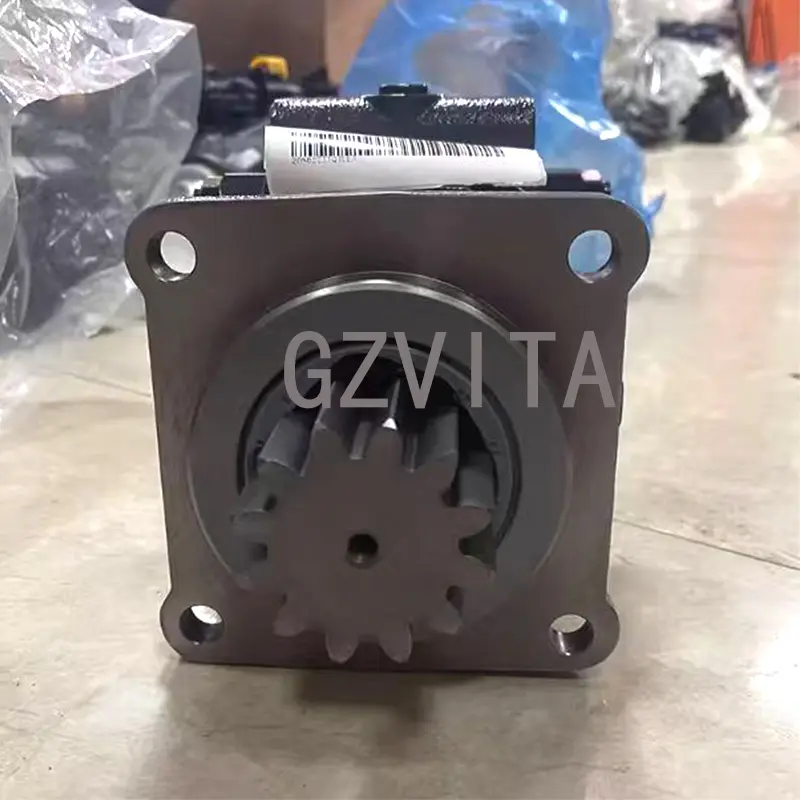
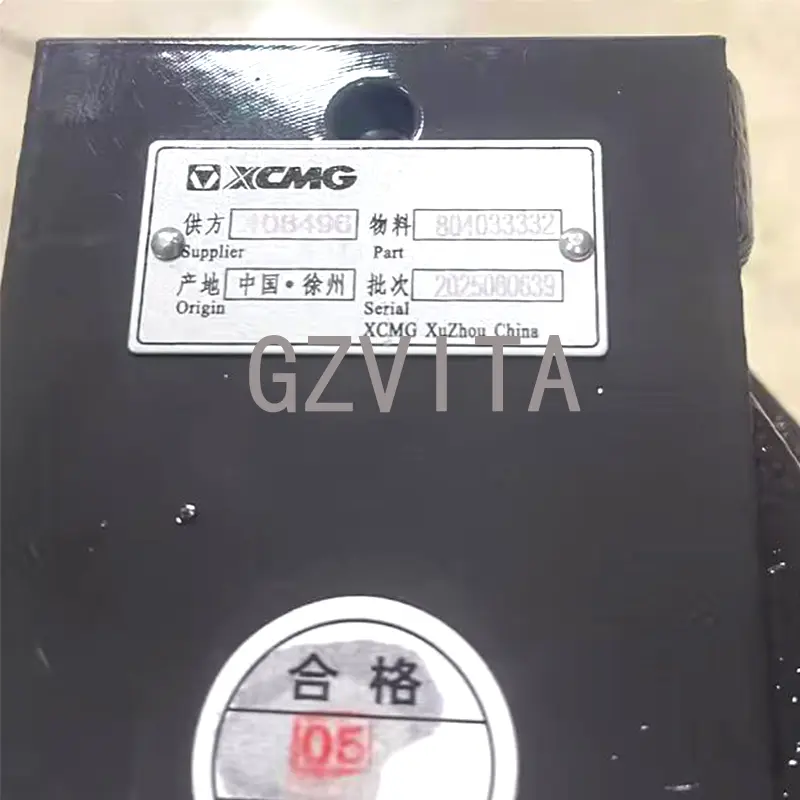
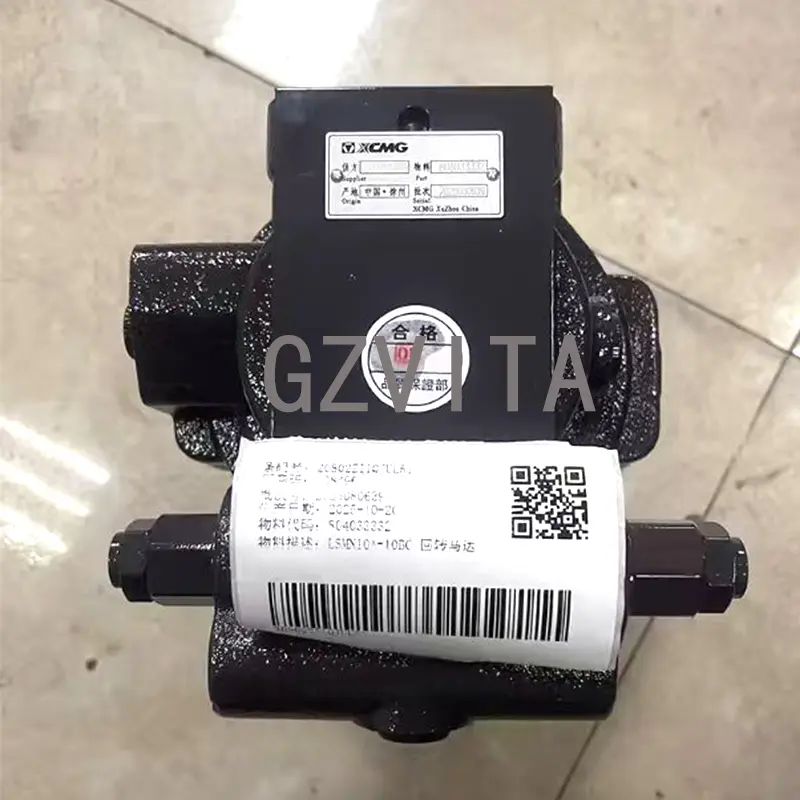
The drive motors are responsible for powering the tracks. They convert hydraulic energy into mechanical energy, enabling the excavator to move forward, backward, and turn. The efficiency of the drive motors directly impacts the machine’s performance and speed.
Sprockets are toothed wheels that engage with the tracks. They play a crucial role in transferring power from the drive motors to the tracks, facilitating movement. Proper alignment and maintenance of the sprockets are essential for smooth operation.
Idlers are located at the front and rear of the undercarriage and help guide the tracks. Rollers support the weight of the excavator and reduce friction as the tracks move over them. Both components contribute to the overall stability and durability of the travel assembly.
The travel assembly allows the excavator to navigate various job sites, from construction to demolition and landscaping. Its design enables the machine to climb slopes, cross ditches, and maneuver in tight spaces. The ability to move efficiently is crucial for maximizing productivity and minimizing downtime.
Regular maintenance of the final drive is vital for ensuring the excavator’s reliability and performance. This includes checking the tension of the tracks, inspecting the drive motors, and lubricating the rollers and idlers. Neglecting maintenance can lead to premature wear, reduced efficiency, and costly repairs.
In summary, the travel assembly of an excavator is a fundamental component that enables mobility and stability on various terrains. Understanding its key components and functions is essential for operators and maintenance personnel to ensure optimal performance and longevity of the machine. Regular maintenance and timely repairs are crucial for keeping the travel assembly in excellent working condition, ultimately enhancing the overall efficiency of the excavator.
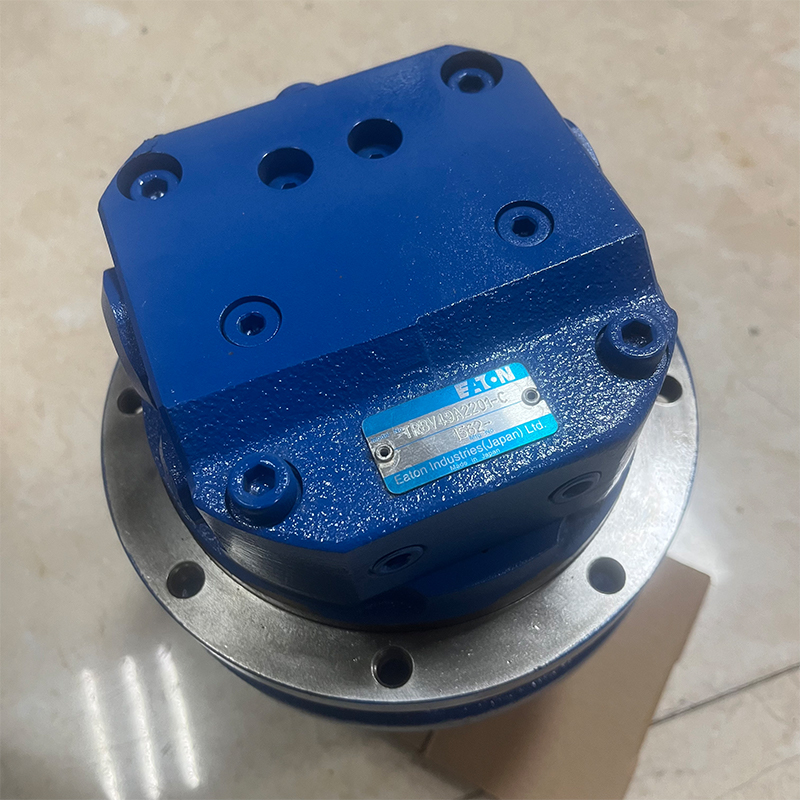
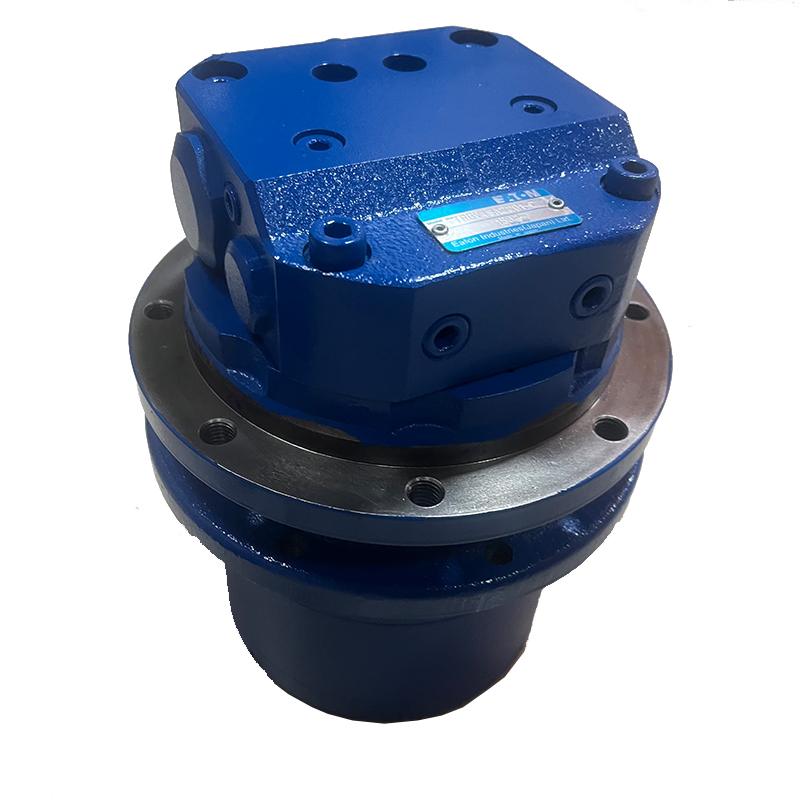
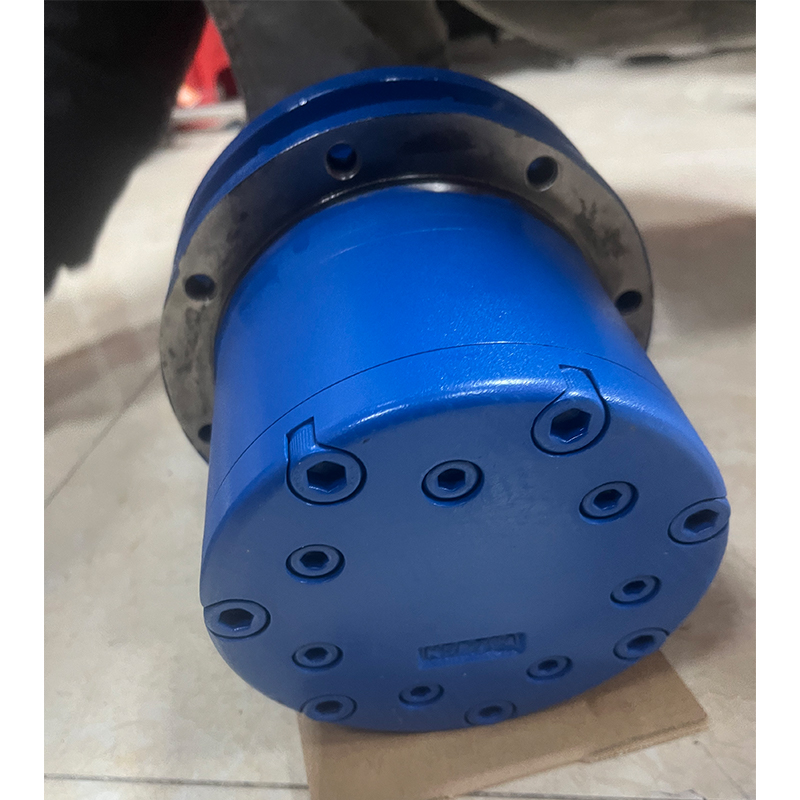
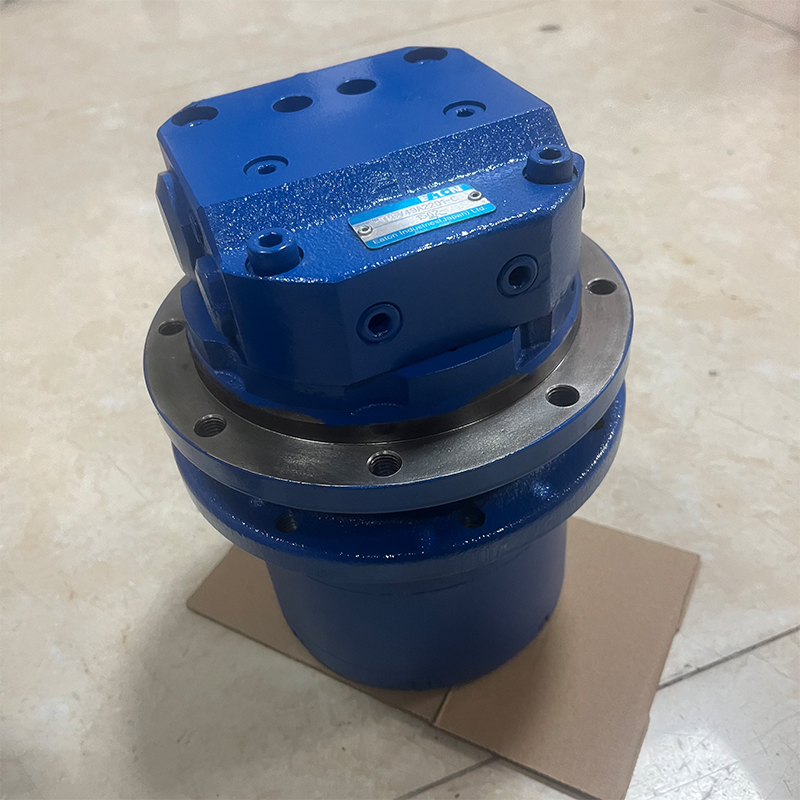
The final drive (undercarriage) is a critical component that facilitates stability, traction, and efficient mobility, enabling the excavator to traverse different terrains and navigate challenging job sites.
The travel assembly consists of several essential parts working in unison, including the tracks, drive motors, sprockets, idlers, and rollers.
Regular maintenance prevents premature wear, maintains operational efficiency, and avoids expensive repairs. Key maintenance steps include track tension checks, motor inspections, and lubrication of rollers and idlers.
Drive motors convert hydraulic energy into mechanical energy to power the tracks. The sprockets, which are toothed wheels, engage the tracks directly to transfer this mechanical power, facilitating movements like turning and driving.
Idlers guide the alignment of the tracks from the front and back, while rollers support the heavy weight of the excavator and reduce track friction during movement.
Tracks are generally manufactured using highly durable materials like steel or rubber. This ensures they can withstand harsh working conditions while distributing the machine's weight to prevent sinking in soft grounds.