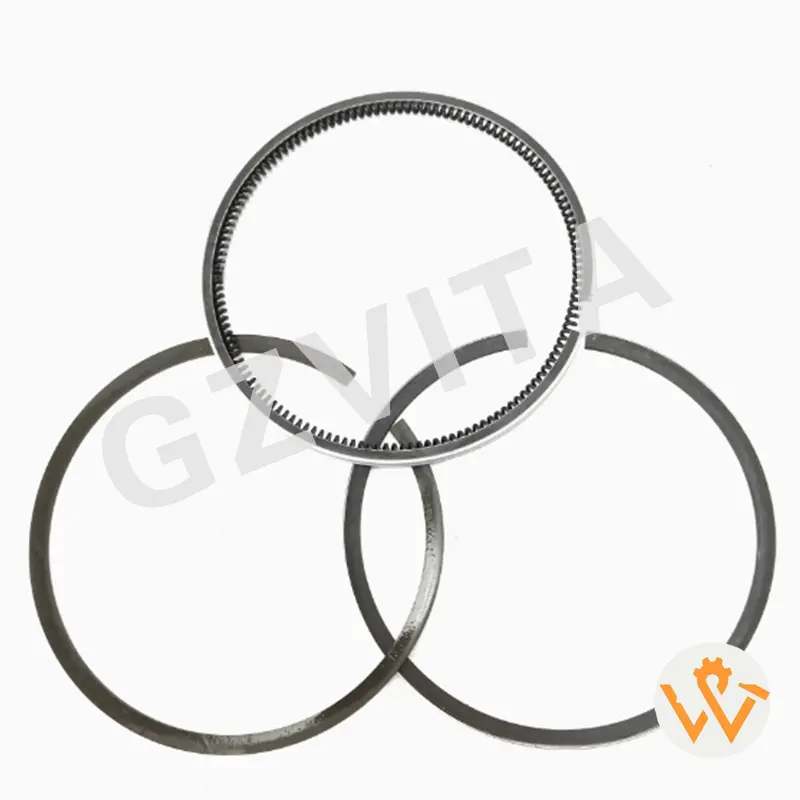
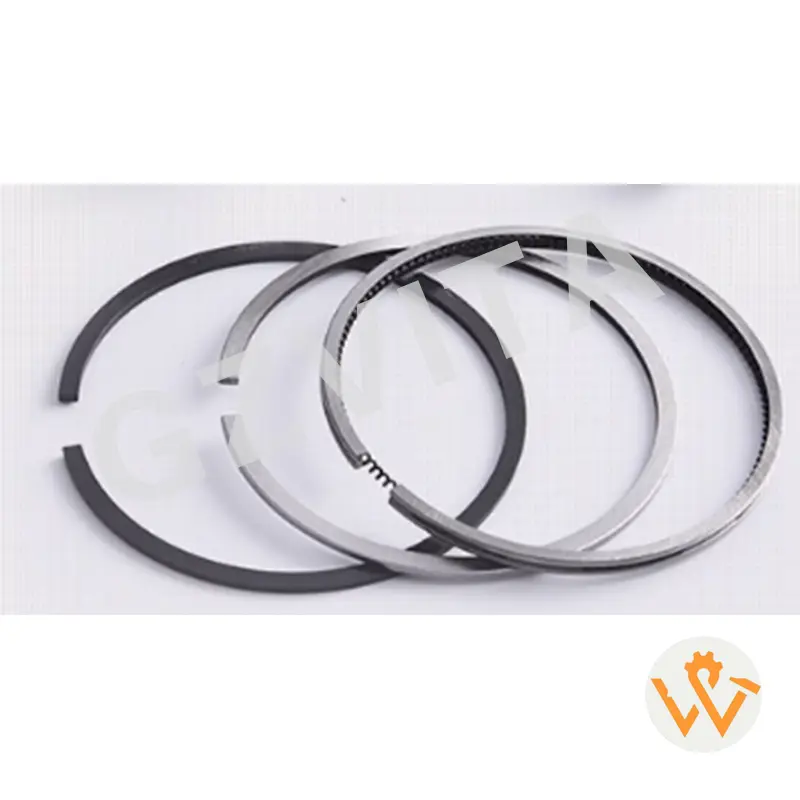
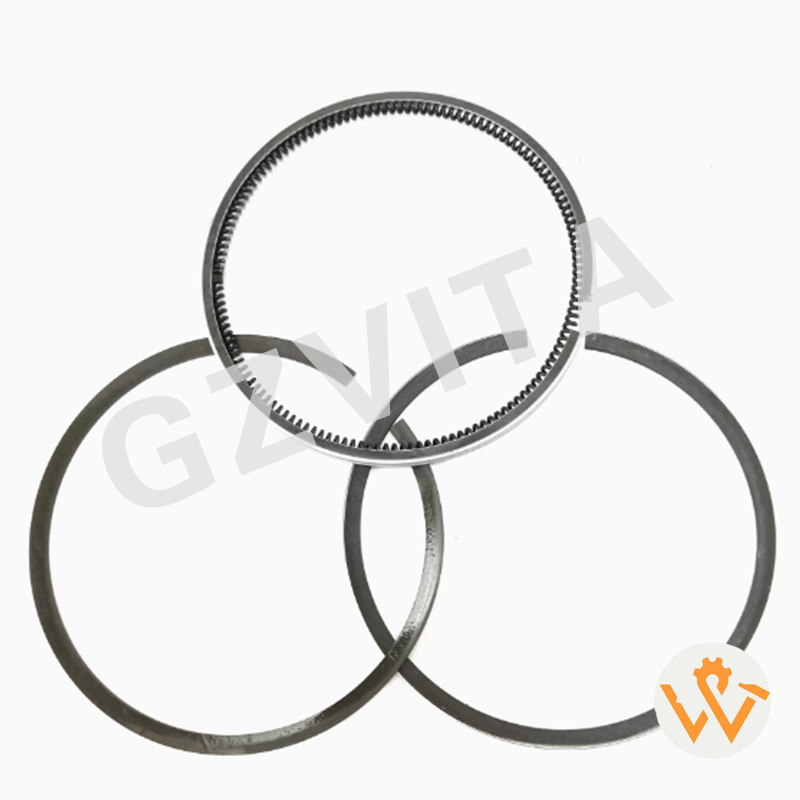
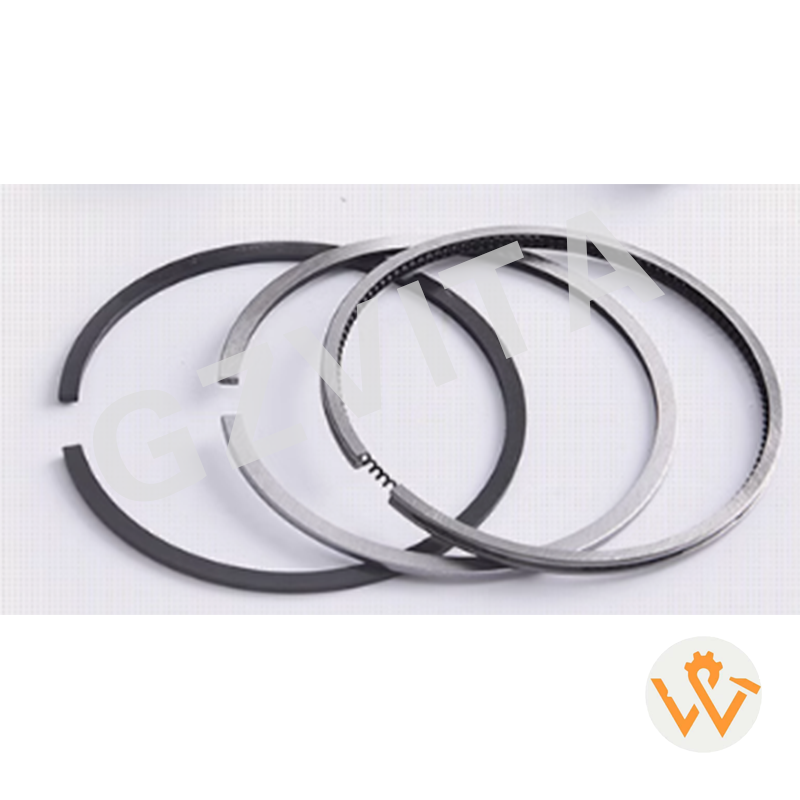
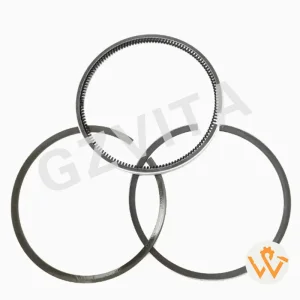
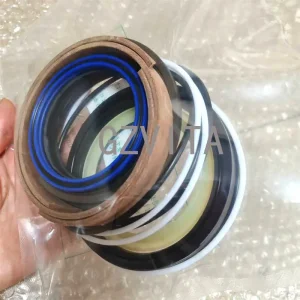
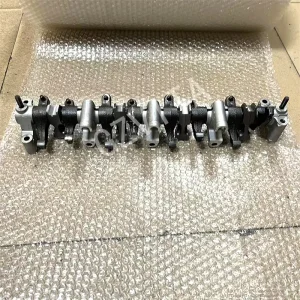
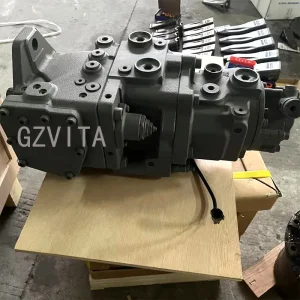
Installing piston rings is a critical task in engine maintenance and repair, including in excavators like those from Kobelco or Hitachi. Proper installation is essential for ensuring optimal engine performance and longevity. Here are some important notices and steps to consider during the installation of piston rings:
1. Cleanliness is Key
Ensure that the piston, cylinder bore, and piston rings are clean and free from dirt, debris, and oil. Contaminants can cause improper sealing and lead to engine wear.
2. Check Ring Orientation
Piston rings are designed with specific orientations. Typically, there are markings on the rings (such as "TOP") that indicate which side should face up. Ensure that each ring is installed in the correct orientation.
3. Ring Gap Alignment
Each piston ring has a gap that should be positioned correctly. When installing multiple rings, stagger the gaps to prevent them from aligning. This helps maintain a better seal and reduces blow-by.
4. Use Proper Tools
Use a ring compressor to help install the piston rings into the cylinder. This tool helps compress the rings evenly, preventing damage during installation.
5. Lubrication
Lightly lubricate the piston rings and the cylinder wall with engine oil before installation. This helps reduce friction during the initial startup and ensures a better seal.
6. Avoid Overstretching
Be careful not to overstretch the piston rings during installation. Overstretching can lead to breakage or improper sealing.
7. Install Piston Carefully
When inserting the piston into the cylinder, do so gently to avoid damaging the rings. Use a twisting motion to help guide the piston into the bore.
8. Check for Proper Fit
After installation, check the fit of the piston rings in the cylinder. You can do this by inserting a feeler gauge into the ring gap to ensure it meets the manufacturer's specifications.
9. Follow Manufacturer Specifications
Always refer to the specific service manual for the excavator model you are working on. Manufacturer specifications will provide critical information on ring gaps, torque settings, and other important details.
10. Final Inspection
After installation, perform a final inspection to ensure everything is in place and that there are no visible issues. This includes checking for any signs of damage to the rings or piston.
Conclusion: Installing piston rings requires attention to detail and adherence to proper procedures to ensure the engine operates efficiently and reliably. By following these notices and guidelines, you can help ensure a successful installation and prolong the life of the engine in your excavator. Always consult the specific service manual for your equipment for the most accurate and detailed instructions.
Product Display
129590-22510 Piston rings For Yanmar Engine 3D78 3TNC78
129590-22510 Piston rings For Yanmar Engine 3D78 3TNC78 (01)
Frequently Asked Questions
Why is cleanliness so important during piston ring installation?
Contaminants, dirt, and debris on the piston, cylinder bore, or rings can prevent proper sealing. This can result in localized wear, scratching, and ultimately lead to premature engine failure.
How do I know which side of the piston ring faces up?
Most piston rings have orientation markings, such as the word "TOP" or a manufacturer's mark, stamped on one side. This marked side must always face toward the top of the piston.
Why should I stagger the piston ring gaps?
Staggering the ring gaps prevents them from aligning in a straight line. If the gaps align, combustion gases can easily bypass the piston (known as blow-by), resulting in a loss of compression and performance.
Is it necessary to lubricate the rings before installing the piston?
Yes, applying a light coat of engine oil to the piston rings and the cylinder wall helps reduce friction and prevents damage during the initial startup until the engine's oil system builds pressure.
What can happen if a piston ring is overstretched?
Overstretching a piston ring during installation can warp its structure or break it entirely. A warped ring will not seal correctly against the cylinder wall, reducing engine efficiency.
How do I verify that the piston rings fit correctly?
You can check the ring gap using a feeler gauge while the ring is placed flat inside the cylinder bore. Compare this measurement with the manufacturer's clearances to ensure a correct fit.
 Vita Construction