 Vita Construction
1 / 4
When you turn the ignition key or press the start button in a vehicle, it sends an electrical signal to the starter relay or solenoid. This relay acts as a switch that connects the battery to the starting motor.
The starter motor is powered by the vehicle's battery, which provides a high current necessary to turn the motor. The battery voltage is typically 12 volts in most vehicles.
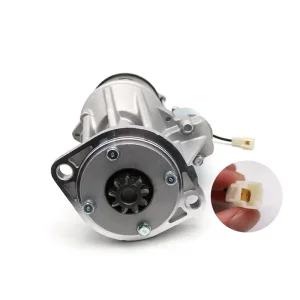
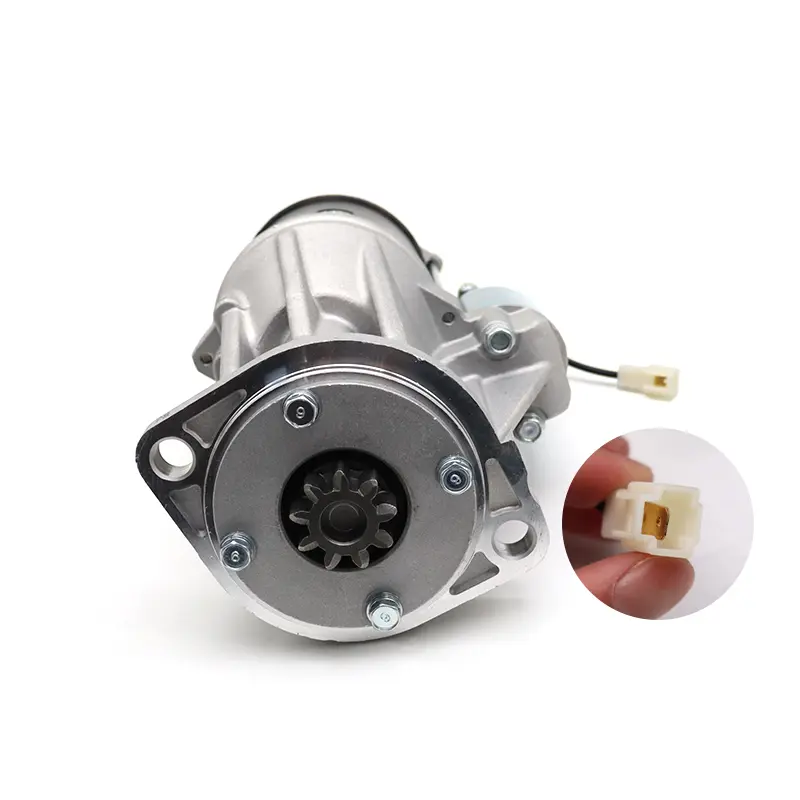
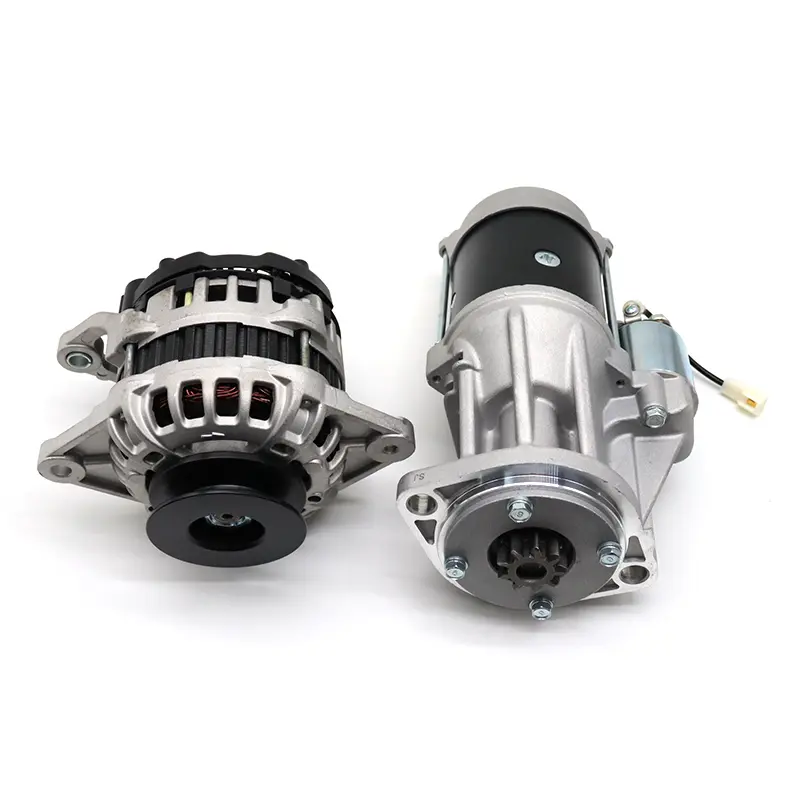
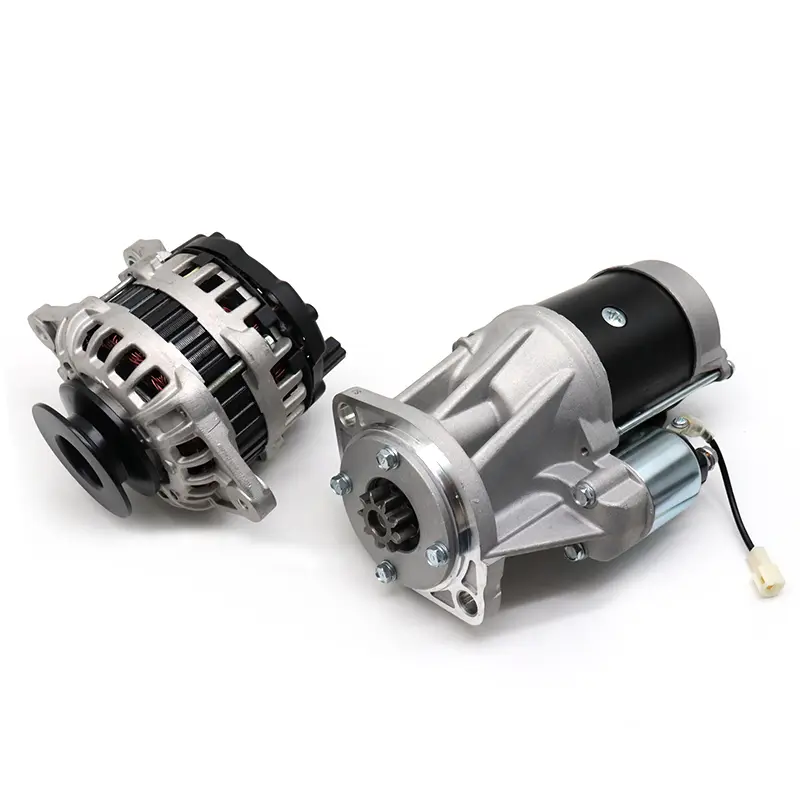
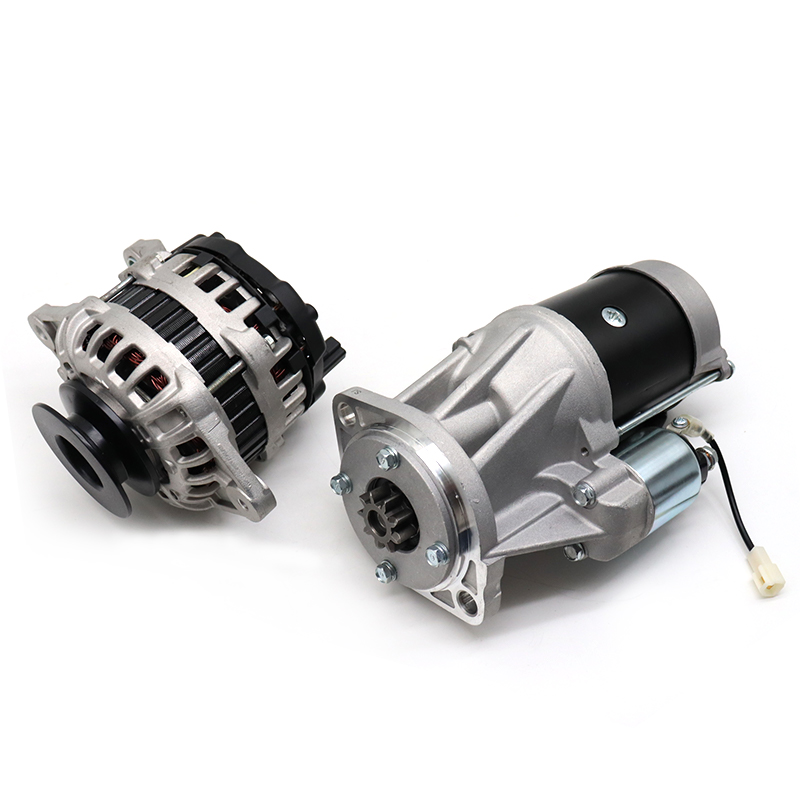
The starter motor has a small gear called the pinion gear. When the starter motor receives power, the solenoid activates, pushing the pinion gear forward to engage with the engine's flywheel (or flexplate). This engagement is crucial for transferring the rotational force from the starter motor to the engine.
Once the pinion gear is engaged, the starter motor begins to spin. The motor consists of an armature (rotor) and a stator (stationary part). When electrical current flows through the motor's windings, it creates a magnetic field that causes the armature to rotate.
As the starter motor spins, it turns the flywheel, which in turn rotates the engine's crankshaft. This rotation is necessary to start the engine's internal combustion process.
Once the engine starts running, the ignition key is released or the start button is turned off. This action cuts off the power to the starter motor, causing the solenoid to retract the pinion gear away from the flywheel. The starter motor stops spinning, and the engine continues to run on its own.
Many starter systems include safety features to prevent damage, such as a starter relay that prevents the starter from engaging while the engine is running, and fuses to protect against electrical overload.
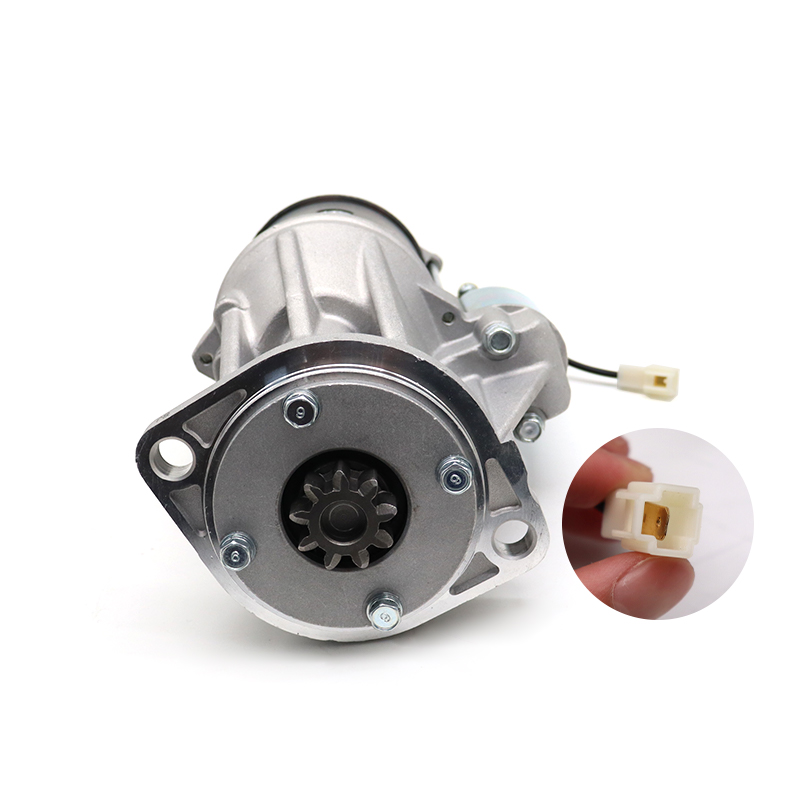
When you start the ignition, an electrical signal is sent to the starter solenoid, which links the battery to the starting motor, pushing the pinion gear forward to engage and turn the engine's flywheel.
The starter motor is powered by the vehicle's battery, which typically provides a high current at 12 volts in most standard vehicle electrical systems.
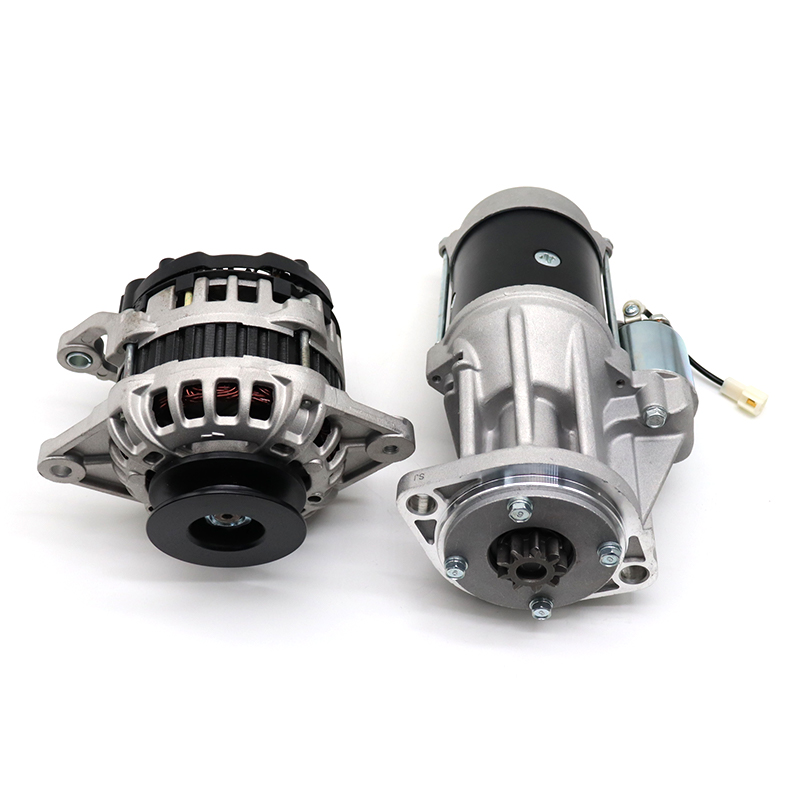
The pinion gear is a small gear on the starter motor that moves forward to temporarily engage with the engine's flywheel, transferring the rotational force needed to crank the engine.
Once running, cutting the power to the starter causes the solenoid to retract the pinion gear from the flywheel, stopping the starter motor while the engine continues to run independently.
Yes, starter systems feature relays to prevent the starter from engaging when the engine is already running, along with fuses to protect the electrical components from overload.