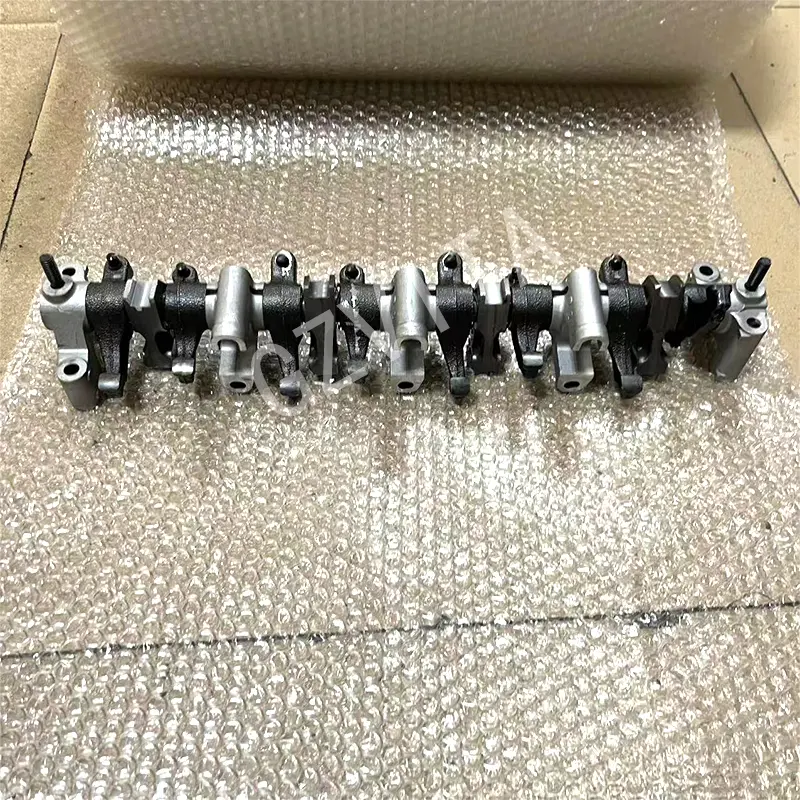
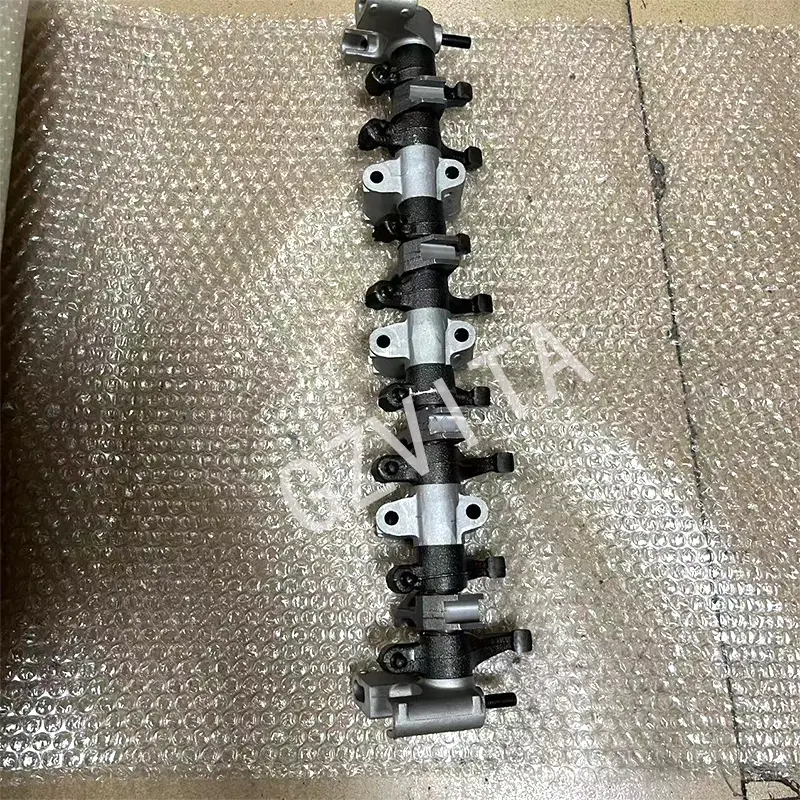
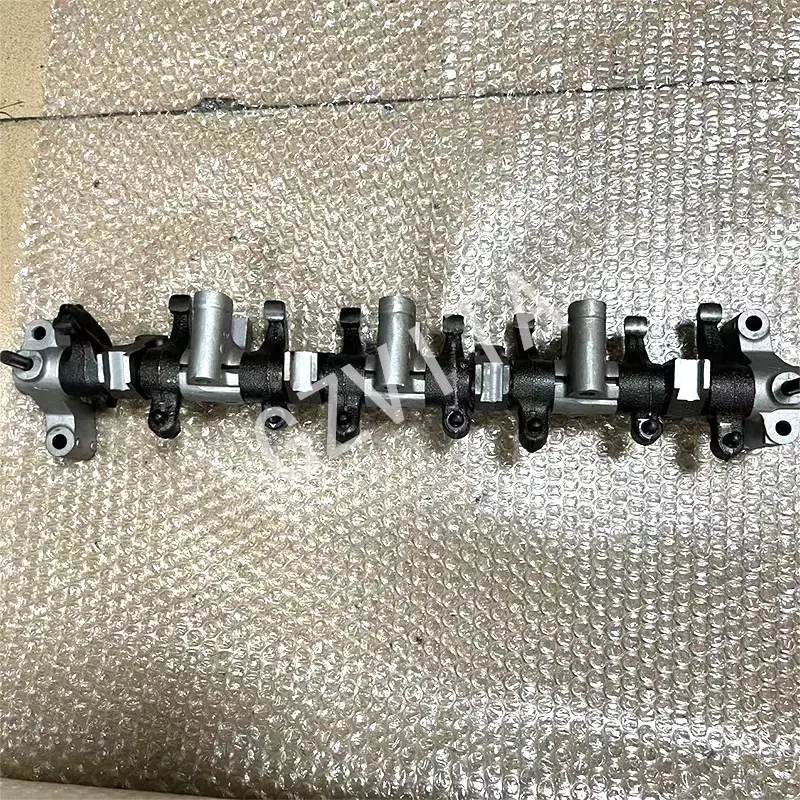
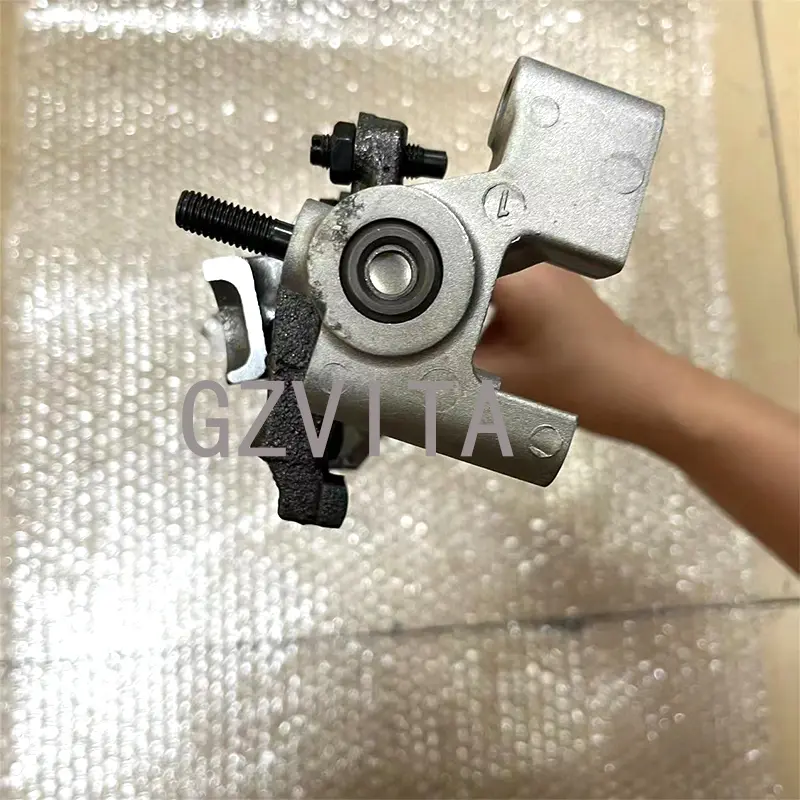
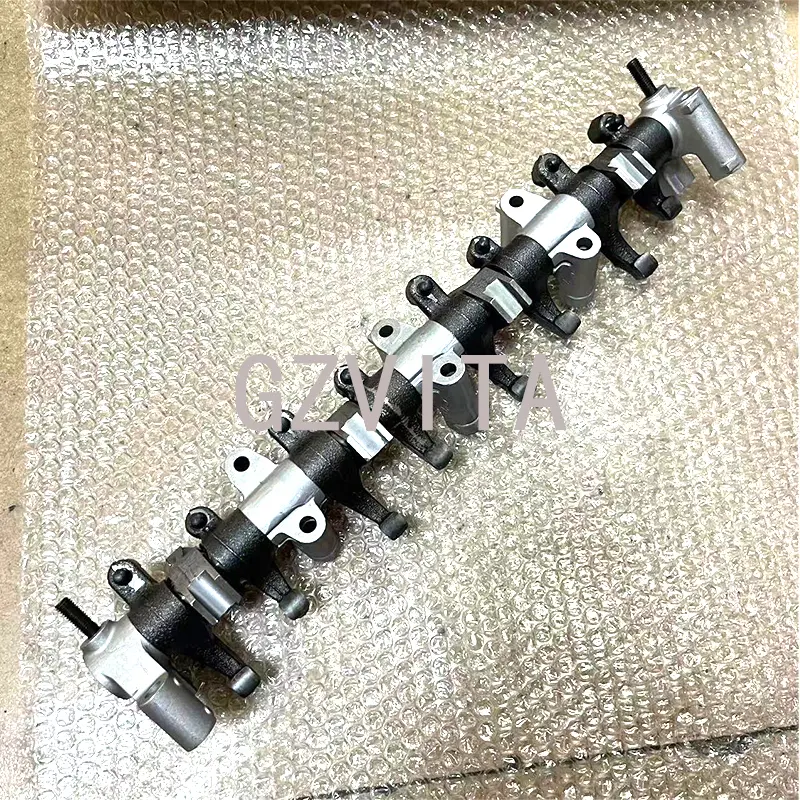
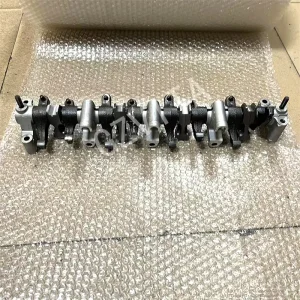
The rocker arm assembly is a critical component of an internal combustion engine's valvetrain system. Its primary function is to convert the linear motion of the camshaft into the rotational motion required to open and close the engine's intake and exhaust valves.
This process is essential for the engine's operation, as it regulates the flow of air and fuel into the combustion chamber and the expulsion of exhaust gases.
Key Components of the Rocker Arm Assembly
Rocker Arms
These are lever-like components that pivot on a shaft or individual mounts. When the camshaft rotates, it pushes against one end of the rocker arm, causing the other end to push down on the valve stem, opening the valve.
Push Rods
In overhead valve (OHV) engines, push rods connect the camshaft to the rocker arms. They transmit the motion from the camshaft to the rocker arms.
Camshaft
The camshaft is responsible for controlling the timing and duration of valve openings. Its lobes push against the push rods or directly against the rocker arms, depending on the engine design.
Valve Springs
These springs close the valves when the rocker arms are not applying force. They ensure that the valves return to their closed position quickly after being opened.
Adjustable Lifters / Tappets
These components maintain the proper clearance between the rocker arms and the valves, ensuring efficient operation and preventing excessive wear.
Functionality
The rocker arm assembly plays a vital role in the engine's performance. The timing and lift of the valves directly affect the engine's efficiency, power output, and emissions.
Properly designed rocker arms can enhance the engine's breathing capabilities, allowing for better airflow and improved combustion.
Types of Rocker Arm Assemblies
Overhead Valve (OHV)
In this design, the rocker arms are located above the valves, and the push rods transfer motion from the camshaft.
Overhead Cam (OHC)
In OHC engines, the camshaft is located directly above the valves, eliminating the need for push rods. This design can lead to more precise valve timing and reduced weight.
Dual Overhead Cam (DOHC)
This configuration features two camshafts per cylinder head—one for intake valves and one for exhaust valves—allowing for more complex valve timing and improved performance.
Frequently Asked Questions (FAQ)
What is the primary function of a rocker arm assembly?
The primary function of a rocker arm assembly is to convert the camshaft's linear motion into rotational motion. This motion is then used to open and close the engine's intake and exhaust valves at precise intervals.
What is the difference between OHV and OHC rocker arm setups?
In an Overhead Valve (OHV) design, push rods are used to transfer motion from the camshaft up to the rocker arms. In an Overhead Cam (OHC) design, the camshaft acts directly on the rocker arms or valves, eliminating the need for push rods entirely.
Why are adjustable lifters or tappets necessary?
Adjustable lifters or tappets maintain the necessary clearances between the valves and the rocker arms. This correct spacing ensures optimal performance and prevents premature wear on valvetrain parts.
How does valve timing impact engine performance?
The timing and lift of the valves regulate the airflow and fuel entry into the combustion chamber. Precise control over this cycle improves engine efficiency, boosts power output, and helps minimize exhaust emissions.
What role do valve springs play in this valvetrain setup?
Valve springs provide the tension needed to shut the valves quickly once the pressure from the rocker arm is released. They keep the combustion chamber properly sealed when the valves are meant to be closed.
 Vita Construction