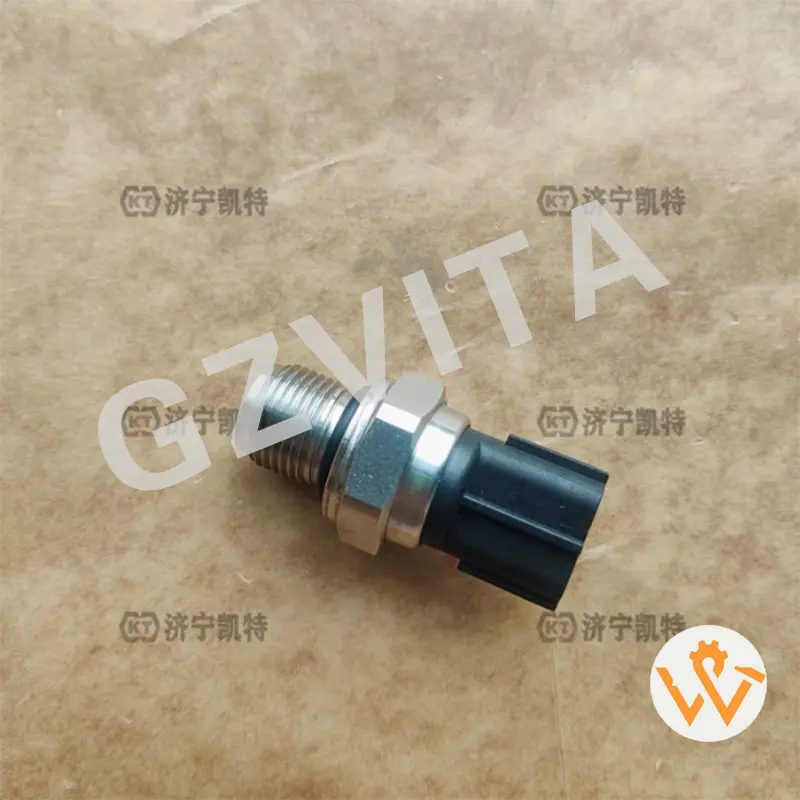
High-Quality 7861-93-1812 New High Pressure Sensor for KOMATSU PC200-8 PC210-8 PC240-8 PC300-8 Models Suppliers, Factories

High-precision Hall-effect sensing

Millivolt-level signal accuracy

Temperature-compensated circuitry

High-pressure fuel compatible sealing

Vibration-resistant epoxy encapsulation

Sapphire-reinforced sensing diaphragm

Laser-trimmed calibration resistors

Gold-plated contact terminals

EMI/RFI shielded housing

Submicron position sensing resolution

Thermal shock resistant construction

Hermetically sealed semiconductor core

Diesel-fuel immersion rating

Piezoresistive strain gauge technology

Autoclave-tested moisture resistance

Titanium alloy sensing probe

Frequency-response optimized design

Quad-redundant signal verification

Cryogenic-to-high-temperature operability

Nano-coated corrosion protection

MEMS fabrication precision

ISO 16750 environmental compliance

Self-diagnostic capability integration

Pressure-cycling fatigue tested

Zero-drift amplifier circuitry

Military-grade shock survivability

Fiber-optic signal transmission option

ASIC-based signal processing

Traceable calibration certification

Product Description

The rear view mirror in an excavator cab is a critical component that enhances safety and operational efficiency. Here’s an overview of its importance, features, and functionality:

Safety Enhancement

Visibility

The rear view mirror provides the operator with a clear view of the area behind the excavator, which is essential for safe maneuvering, especially in tight spaces or crowded job sites.

Blind Spot Reduction

It helps reduce blind spots, allowing the operator to be more aware of their surroundings and any potential hazards, such as other machinery, personnel, or obstacles.

Operational Efficiency

Improved Awareness

By providing a broader field of vision, the rear view mirror allows operators to monitor their work area more effectively, leading to better decision-making and increased productivity.

Enhanced Communication

In some cases, the rear view mirror can facilitate communication with ground personnel, helping to coordinate movements and operations more effectively.

Design & Features

Adjustable Angles

Many excavator cab mirrors are designed to be adjustable, allowing operators to customize the angle for optimal visibility based on their seating position and the specific job site conditions.

Wide-Angle and Convex Options

Some mirrors are designed as wide-angle or convex mirrors, which provide a broader view of the surroundings, further enhancing safety.

Durability

Rear view mirrors are typically constructed from durable materials to withstand harsh working conditions, including vibrations, dust, and impacts.

Integration & Systems

Camera Systems

In modern excavators, rear view mirrors may be integrated with camera systems that provide real-time video feeds to the operator, offering an even clearer view of the rear and sides of the machine.

Display Screens

Some advanced excavators feature display screens that can show images from rear view cameras, further enhancing visibility and safety.

Regulatory Compliance

Safety Standards

The inclusion of rear view mirrors in excavator design is often mandated by safety regulations to ensure that operators have the necessary visibility to operate machinery safely.

Frequently Asked Questions

Why is a rear view mirror essential in an excavator cab?
It significantly enhances operator safety by providing visibility of the area behind the machine, reducing blind spots, and preventing accidents with personnel or obstacles on site.
Can these mirrors be adjusted for different operators?
Yes, most excavator cab rear view mirrors are highly adjustable, allowing each operator to set the angle for optimal visibility based on their height and driving position.
What are the advantages of convex rear view mirrors?
Convex mirrors provide a much wider angle of view, which allows operators to cover larger blind spots than standard flat mirrors, though distance perception may vary.
How do rear view mirrors hold up in harsh weather conditions?
They are manufactured using highly durable, impact-resistant materials designed to withstand dust, strong vibrations, heat, and heavy impacts typical of construction sites.
Do modern excavators rely solely on mirrors for rear visibility?
While mirrors remain standard, modern excavators often integrate them with camera feeds and in-cab display screens for a comprehensive view of the machine's surroundings.
Are rear view mirrors required by law on excavators?
Yes, occupational safety regulations in many regions mandate the installation of functional rear view mirrors to ensure compliance with job site safety standards.

Related Products