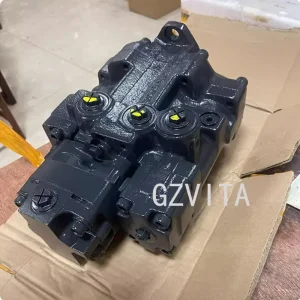
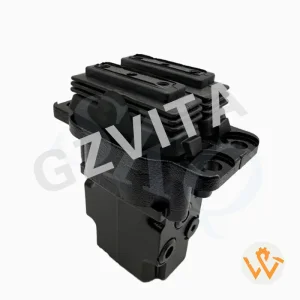
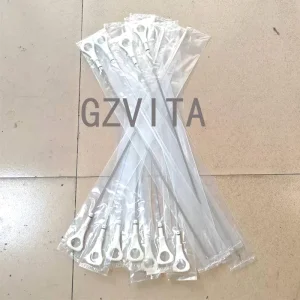
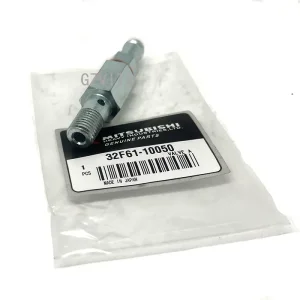
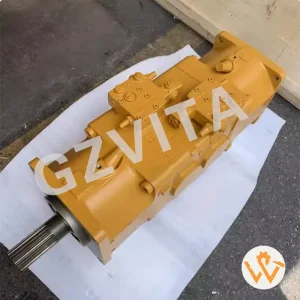
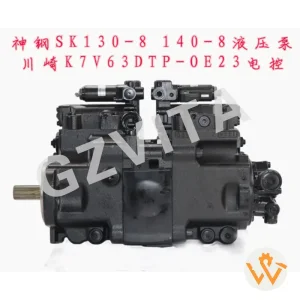
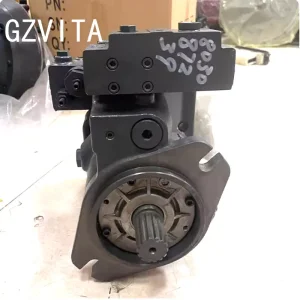
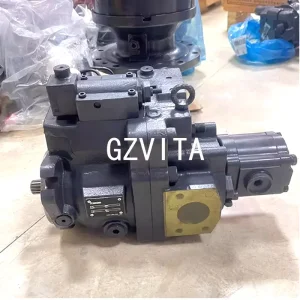
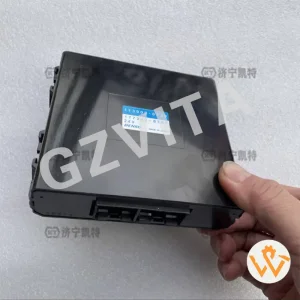
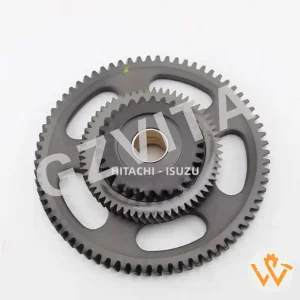
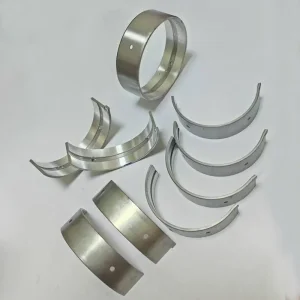
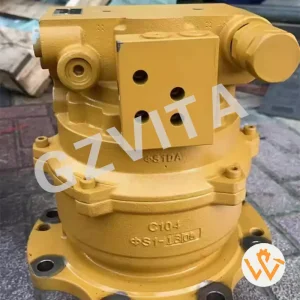
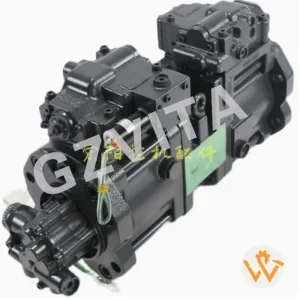
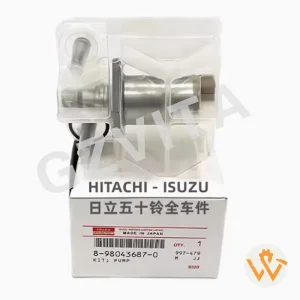
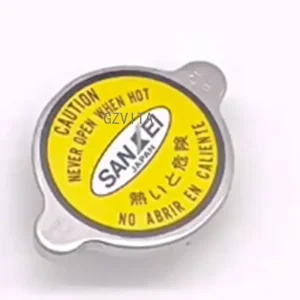
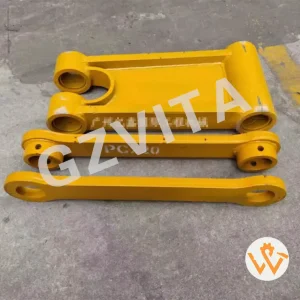
Explore our top-performing replacement components, designed to meet the rigorous physical and structural requirements of modern heavy machinery.
In the highly demanding field of earthmoving and mining machinery, the excavator hydraulic system acts as the lifeblood of operations. At the heart of this system lies the excavator relief valve—a critical mechanism responsible for regulating system pressure, protecting vital components from sudden mechanical spikes, and facilitating smooth energy transfer. As global infrastructures scale up and require heavy-duty equipment to operate continuously in extreme environments, the demand for custom relief valves for excavators has reached unprecedented heights.
Historically, off-the-shelf relief valves were sufficient for standard construction tasks. However, contemporary mega-projects—ranging from deep-underground mining to arctic road developments and extreme high-temperature quarrying—impose pressures and fluid dynamics that exceed traditional limits. Excavator manufacturers (OEMs) and replacement parts companies are actively seeking custom-tailored hydraulic valves designed to optimize specific flow rates, reduce hysteresis, and guarantee system durability under continuous load conditions. Global trends show that hydraulic system failures account for approximately 45% of unplanned machinery downtime, and an optimized relief valve is the primary safeguard against this operational risk.
Modern excavator machinery must achieve maximum fuel efficiency and comply with increasingly stringent environmental regulations (such as US EPA Tier 4 Final and EU Stage V). Standard hydraulic bypasses waste energy through excessive fluid shear and heat generation. By engineering custom-tailored relief valves, developers can implement ultra-precise cracking pressure tolerances, which drastically reduce pressure drop across the valve seat and conserve fuel. Moreover, the shift toward electro-hydraulic control (EHC) systems requires relief valves that seamlessly integrate with digital sensors and actuators, allowing real-time pressure configuration adjustments based on field conditions.
An integrated manufacturing and trading enterprise providing world-class construction machinery parts to global infrastructure hubs.
In the fast-paced world of construction, the reliability and efficiency of your machinery make or break a project. We provide certified replacement parts under rigorous testing criteria to ensure your heavy excavators operate without interruption.
We established our dedicated engine maintenance and research division. Beyond delivering custom parts, we collaborate with your engineering team to diagnose and troubleshoot system-level integration issues.
Our skilled maintenance engineers can travel internationally to support large-scale mechanical repairs, system rebuilds, and direct field configuration of custom hydraulic configurations.
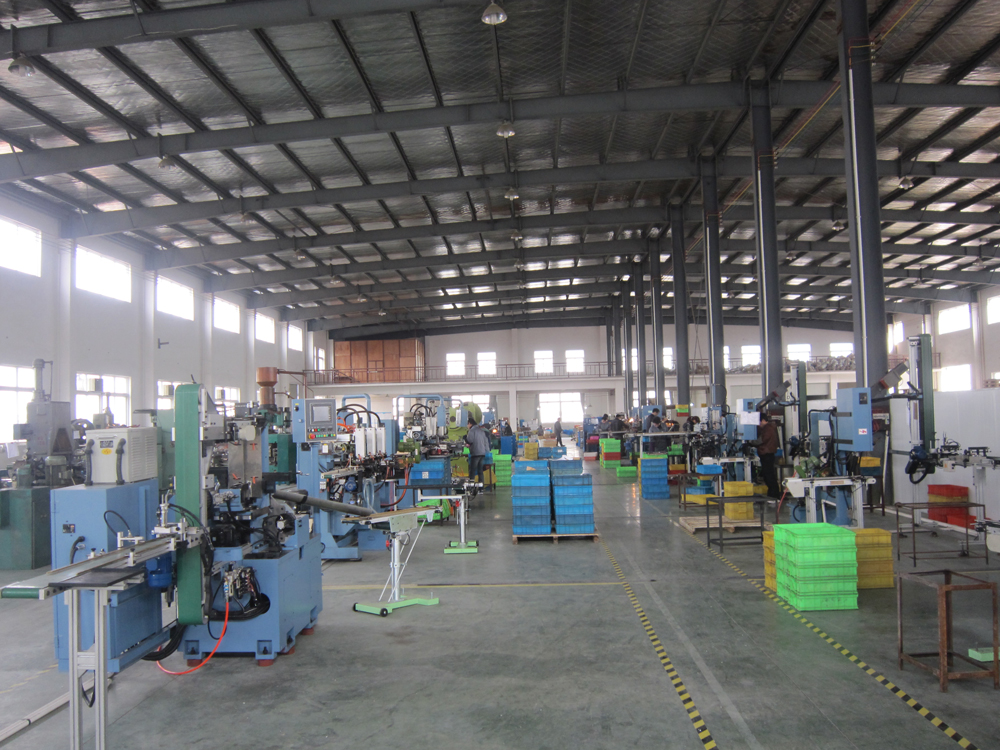
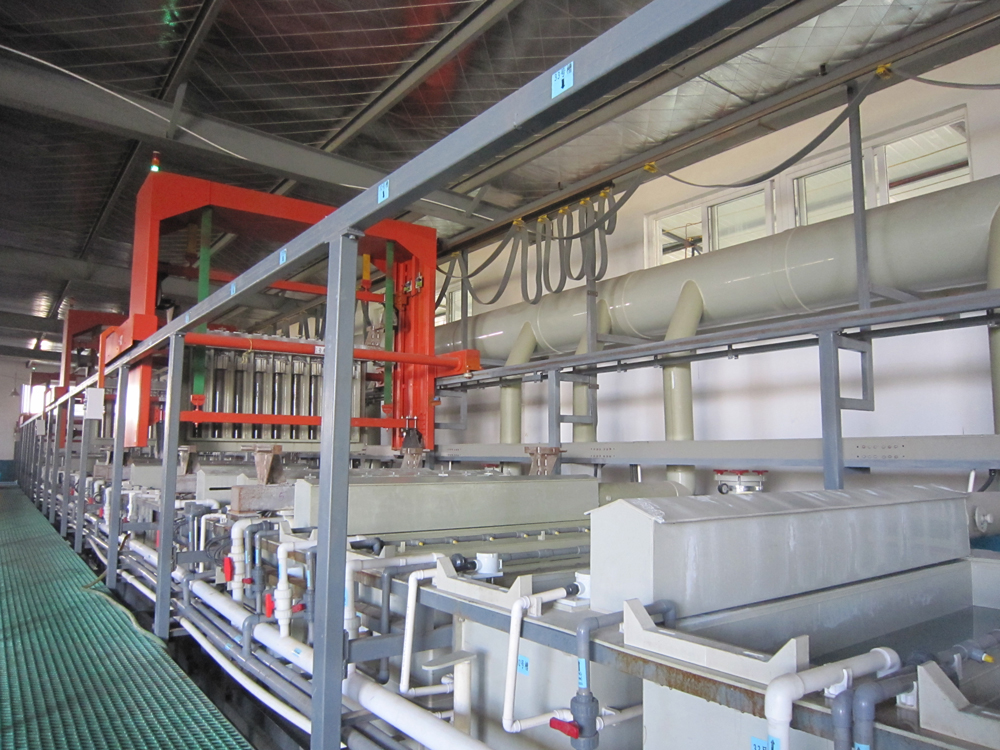
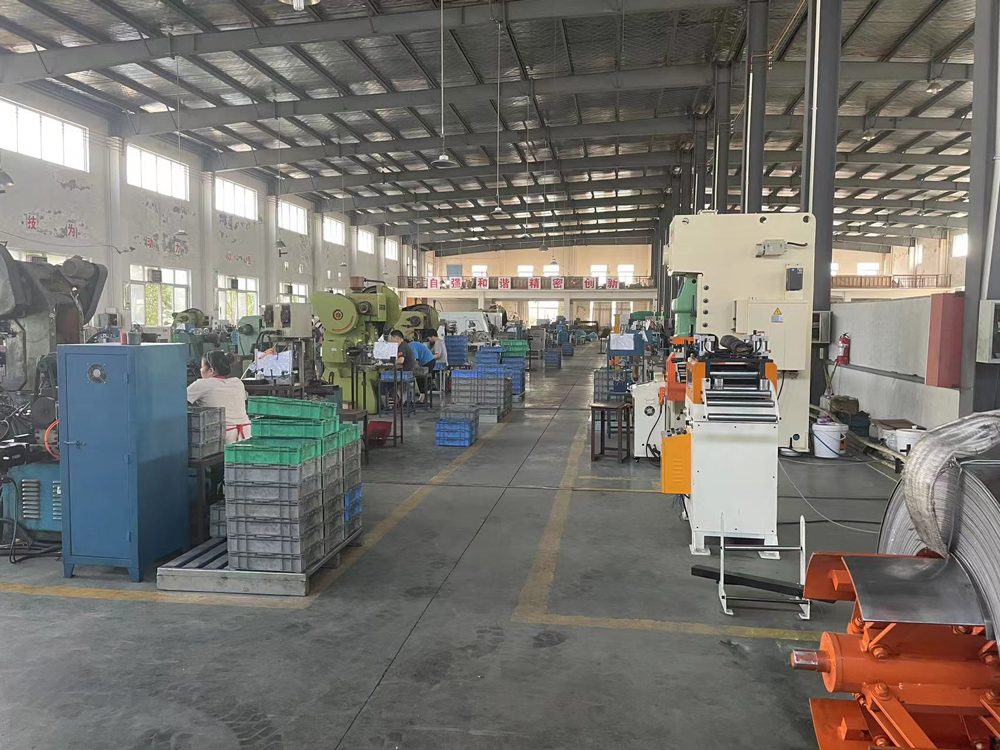
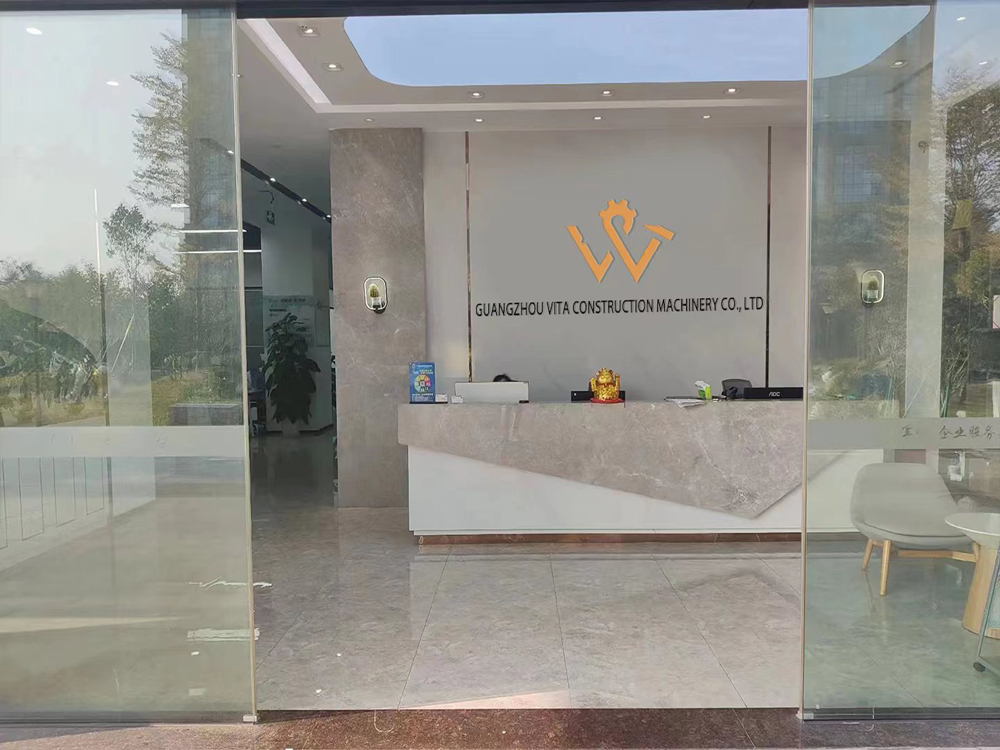


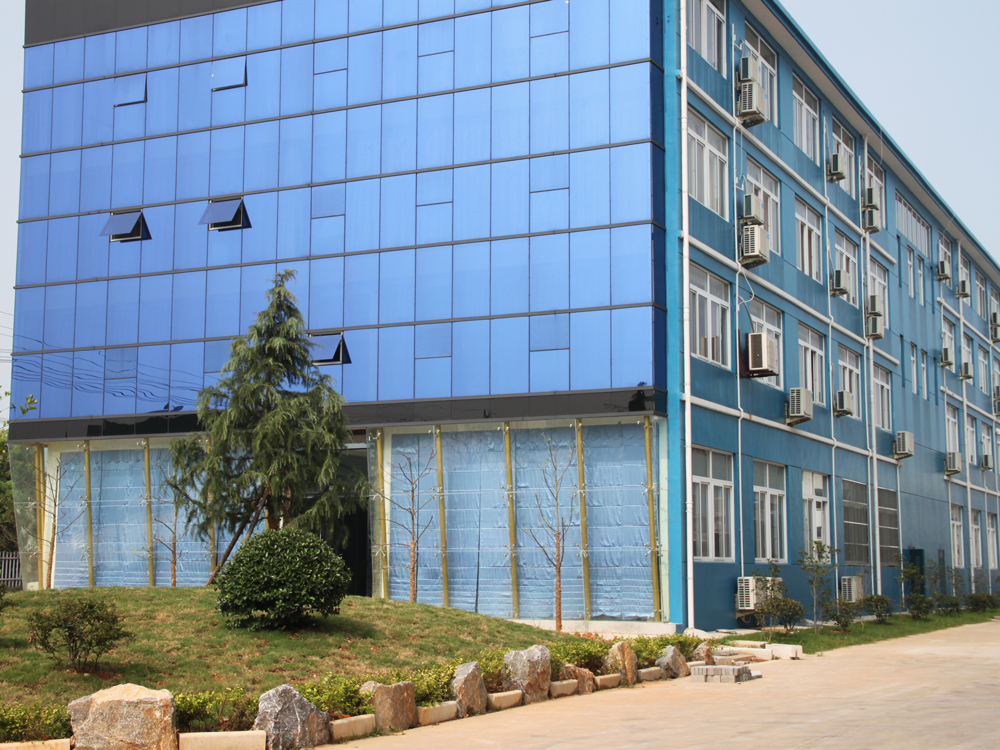
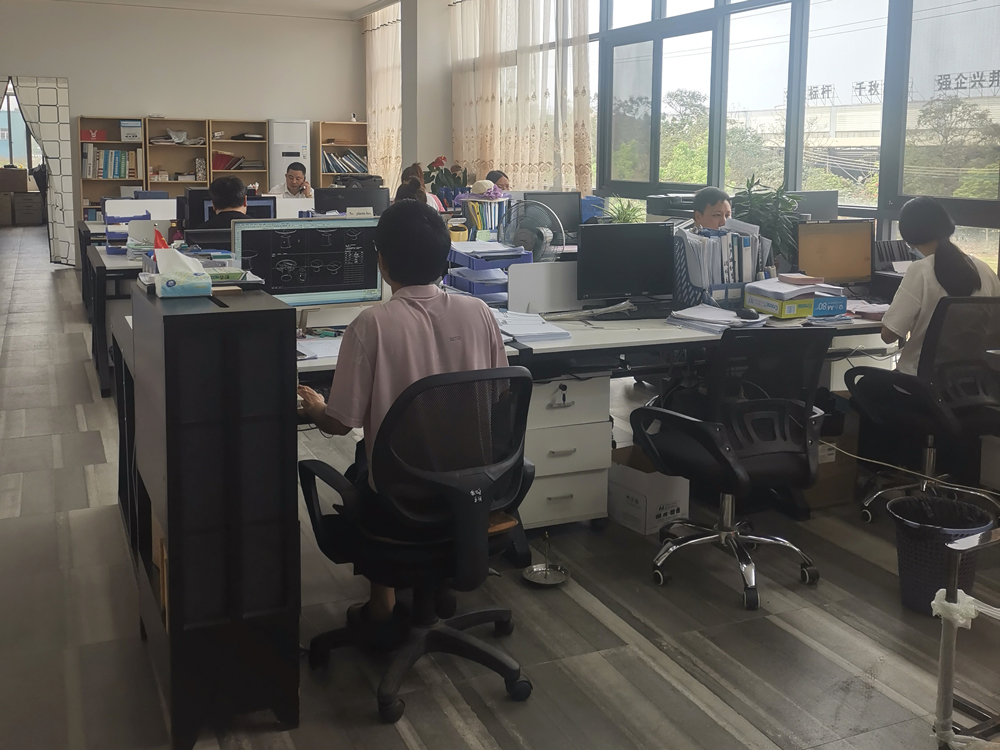
Excavator relief valves function under heavy shear stress and thermal fluctuations. In a typical pilot-operated relief valve configuration, a small pilot piston manages the opening of the larger main valve poppet. This multi-stage mechanism allows the valve to govern massive volumetric flows (up to 400 liters/minute) at extremely high pressure gradients (exceeding 350 bar) with minimum mechanical footprint. Precise geometry of the valve seat, spring coefficient parameters, and material coatings (such as diamond-like carbon, or DLC) are critical to maintaining longevity and preventing internal erosion caused by high-velocity hydraulic fluids.
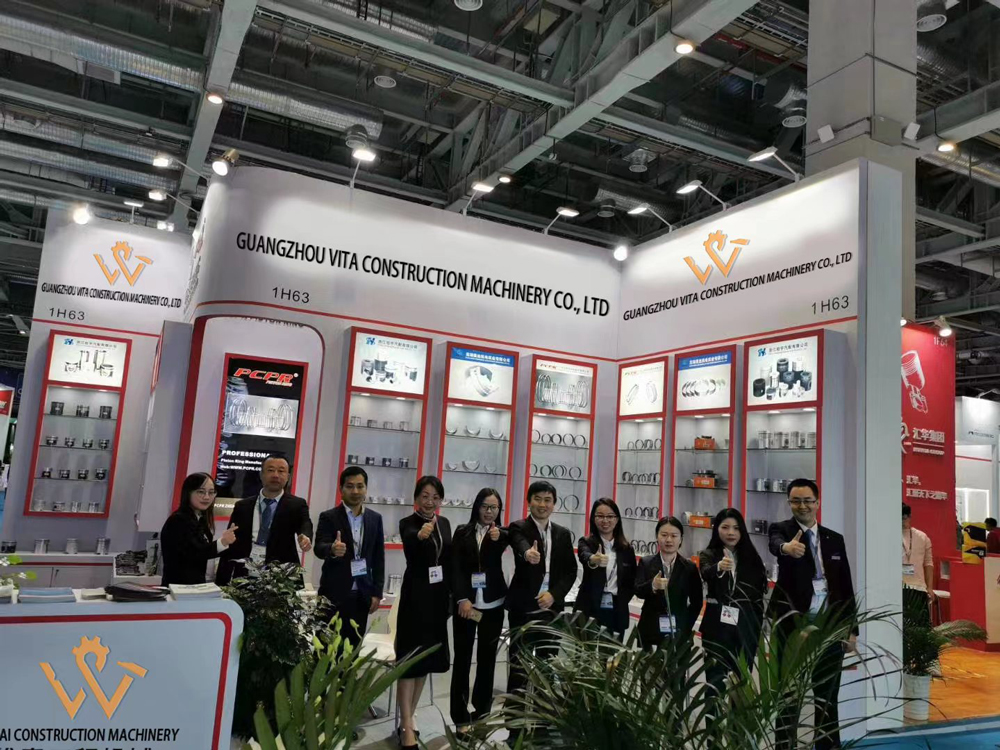
One of the fundamental engineering challenges when manufacturing custom excavator relief valves is cavitation and adhesive wear. When high-velocity oil passes through a narrow orifice at high pressure, local pressure can drop below the oil’s vapor pressure, forming micro-bubbles. When these bubbles collapse, they produce high-energy micro-jets that pit metal surfaces. To prevent this, Guangzhou Vita Construction Machinery utilizes hardened alloy steels containing nickel, chromium, and molybdenum. Specialized heat treatments, including vacuum carburizing and nitriding, increase superficial hardness to above HRC 60, resisting micro-abrasion and extending service life by more than 200% compared to standard aftermarket components.
To align with global digital shifts, the future trajectory of hydraulic valve engineering will revolve around sensor integration and real-time remote telemetry. We are actively developing next-generation intelligent pressure controls:
Developing relief valves featuring embedded micro-transducers that continuously monitor fluid temperature and dynamic pressure spikes, warning operators before failure occur.
Introducing active pilot controls that adjust hydraulic cracking pressure in response to real-time machine telemetry (soil density, grade, bucket load).
Pioneering new valve seat composites optimized for eco-friendly hydraulic fluids, reducing environmental contamination risks while maintaining system pressure integrity.
Our custom relief valves are deployed across diverse sectors, including forestry, marine excavating, deep-pit mining, and infrastructure development. The challenges vary substantially depending on the environment, necessitating tailored solutions for each application:
Mining excavators operate continuously in heavy dust and shock load environments. Our custom relief valves use dual-stage mechanical filtration screens and high-temperature Viton seals to withstand heat buildup and fluid contamination.
For operations in Arctic conditions, traditional steel components can become brittle. Our custom low-temperature relief valves use specialized steel alloys and low-viscosity dynamic seals to prevent sticking and cracking down to -45°C.
Dredging excavators face highly corrosive saltwater conditions. We apply specialized galvanic plating treatments, including electroless nickel plating, to ensure the relief valve's external components resist rust and salt corrosion.
Our custom engineering process supports direct replacement compatibility with a wide range of leading excavator machinery brands. Whether managing relief systems for Komatsu, Caterpillar, Volvo, Sumitomo, Kubota, Hitachi, John Deere, Kobelco, Hyundai, Kato, Sany, XCMG, or Sunward, our components are machined to exact mechanical interfaces, matching original port dimensions while enhancing interior pressure relief performance.
Get professional explanations regarding excavator relief valve operations, failure diagnosis, and customization choices.
The most common symptoms include a noticeable drop in operating speed under load, structural sluggishness, excessive hydraulic fluid temperature, and unusual buzzing noises near the main control block. A pressure drop indicates that the valve spring is either fatigued or fluid bypass is occurring due to debris blocking the valve seat.
Custom sizing ensures that the opening curve of the relief valve is closely aligned with the hydraulic pump's displacement curve. Off-the-shelf valves often open too early or slowly, leading to pressure throttling. Optimal configuration minimizes fluid bypass under heavy loads, reducing energy loss and lowering fuel usage by up to 5-8%.
We do not recommend using standard valves in extreme cold. Standard elastomeric O-rings can harden and crack at temperatures below -20°C, causing external leaks. Cold hydraulic oil also has higher viscosity, which can slow response times in standard valve passages. Custom low-temperature valves utilize specialized low-pour-point seals and widened pilot channels to ensure reliable performance.
To provide an optimized design, our engineers require your system’s maximum flow rate (LPM), target operating relief pressure (bar), fluid viscosity range, ambient temperature profile, port connection type (e.g., SAE flange, threaded BSPP), and the specific excavator model/application conditions.
Discover our comprehensive range of excavator accessories, electrical components, and engine rebuild parts manufactured to precise OEM standards.
 Vita Construction